Tag: Finance

  • How To Automate Your Accounts Receivable Process: Streamlining Efficiency and Boosting Cash Flow

    How To Automate Your Accounts Receivable Process: Streamlining Efficiency and Boosting Cash Flow

    The accounts receivable (AR) process is a vital component of any business’s financial operations. Efficient management of accounts receivable ensures a steady and predictable cash flow, while delayed or inefficient processes can lead to cash flow bottlenecks and hamper business growth. One solution to improve the accounts receivable process is automation. Automating your accounts receivable process can save time, reduce manual errors, enhance customer experience, and ultimately improve your business’s financial health. In this comprehensive guide, we will explore the benefits of automation, the key steps involved in automating your accounts receivable process, and best practices to ensure a successful implementation.

    Benefits of Automating Accounts Receivable

    1. Time Savings: Automation reduces the need for manual data entry, invoice processing, and payment tracking. This allows your finance team to focus on strategic tasks rather than mundane, time-consuming activities.
    2. Reduced Errors: Manual processes are prone to human errors, which can lead to discrepancies in invoicing and payment tracking. Automating your AR process minimizes these errors, resulting in accurate financial records.
    3. Improved Cash Flow: Faster invoicing and streamlined payment collection lead to quicker cash flow. Automated reminders and follow-ups ensure timely payments, reducing the risk of bad debts.
    4. Enhanced Customer Experience: Automation enables timely communication with customers, providing them with real-time updates on their invoices and payments. This improves customer satisfaction and strengthens business relationships.
    5. Better Data Visibility: Automation centralizes your AR data, providing real-time insights into outstanding payments, aging reports, and customer payment behavior. This data-driven approach helps in making informed decisions and improving credit control.

    Steps to Automate Your Accounts Receivable Process

    1. Assess Current Process and Identify Pain Points: The first step in automating your AR process is to evaluate your existing workflows. Identify pain points, bottlenecks, and areas where automation can bring significant improvements. Common issues include delayed invoicing, manual data entry errors, and a lack of standardized communication with customers.
    2. Choose an Accounts Receivable Software: Selecting the right accounts receivable software is crucial for successful automation. Look for a platform that integrates with your existing accounting systems and offers features such as automated invoicing, payment processing, and customer communication. Popular AR software options include QuickBooks, Xero, FreshBooks, and Zoho Books.
    3. Implement Electronic Invoicing: Replace paper-based invoices with electronic invoicing (e-invoicing). E-invoicing expedites the invoicing process, reduces postage costs, and enables faster delivery to customers. Additionally, it helps in reducing the chances of lost invoices and ensures secure transmission of sensitive financial information.
    4. Enable Online Payment Options: Offering multiple online payment options makes it convenient for customers to settle their invoices promptly. Include options like credit/debit card payments, ACH transfers, and digital wallets. Electronic payments are faster and eliminate the need for manual reconciliation, speeding up cash flow.
    5. Set Up Automated Reminders and Follow-ups: Automate reminders for upcoming and overdue payments. Personalize the communication to maintain a positive customer relationship. Automated follow-ups for unpaid invoices ensure customers are aware of their outstanding balances, leading to faster resolution of payment issues.
    6. Integrate Payment Reconciliation: Automate the payment reconciliation process by integrating your AR software with your bank accounts. This streamlines the matching of payments received with corresponding invoices, reducing manual effort and improving accuracy.
    7. Implement Credit Management: Utilize automation to set credit limits for customers based on their payment history and creditworthiness. Automated credit management helps prevent potential bad debts and reduces the risk of offering credit to high-risk customers.
    8. Monitor and Analyze Performance: Continuously monitor the performance of your automated accounts receivable process. Analyze key metrics such as DSO (Days Sales Outstanding), average collection period, and customer payment behavior. This data will help identify areas for further improvement and fine-tune your automation strategies.

    Best Practices for Implementing AR Automation

    1. Involve Stakeholders: Engage your finance team, sales team, and customer service representatives in the implementation process. Understanding their pain points and obtaining their buy-in is essential for a smooth transition.
    2. Communicate with Customers: Inform your customers about the automation process, highlighting the benefits, and addressing any concerns they may have. Clear communication will facilitate a seamless transition and improve customer satisfaction.
    3. Security and Compliance: Prioritize data security and compliance when selecting an AR software provider. Ensure that the platform complies with relevant data protection regulations and follows industry best practices for data handling and storage.
    4. Test and Train: Before fully implementing automation, conduct thorough testing to identify any glitches or issues. Provide comprehensive training to your team to ensure they can effectively use the new automation tools.

    Conclusion

    Automating your accounts receivable process is a strategic investment that can significantly enhance your business’s financial health. The benefits of time savings, reduced errors, improved cash flow, and better customer experience make automation an essential tool for modern businesses. By carefully selecting the right AR software, implementing best practices, and continuously monitoring performance, you can streamline your AR process, free up valuable resources, and pave the way for sustainable growth and success.


  • Cenvat Credit Rules: Streamlining Taxation in India

    Cenvat Credit Rules: Streamlining Taxation in India

    Taxation is an essential aspect of any economy, and the Indian government has implemented various measures to streamline and simplify the tax structure. One such initiative is the Cenvat Credit scheme, which aims to avoid the cascading effect of taxes and promote the seamless flow of credits. In this blog, we will delve into the Cenvat Credit Rules, their significance, and their impact on businesses in India.

    Overview of Cenvat Credit:

    Cenvat Credit refers to the credit available to manufacturers and service providers for the tax paid on inputs and capital goods used in the manufacturing process or providing taxable services. The Central Value Added Tax (CENVAT) system allows businesses to claim credit for the excise duty paid on inputs, capital goods, and input services used in the production or provision of goods or services.

    Significance of Cenvat Credit Rules (200 words): The Cenvat Credit Rules play a crucial role in reducing the tax burden on businesses and ensuring the seamless flow of credits across the value chain. They are designed to avoid double taxation and promote the principle of neutrality in taxation. By allowing businesses to claim credit for the tax paid on inputs, capital goods, and input services, the Cenvat Credit scheme eliminates the cascading effect of taxes, resulting in lower costs of production and increased competitiveness.

    Impact on Businesses :

    The Cenvat Credit scheme has several benefits for businesses operating in India. Firstly, it reduces the overall tax liability by allowing the offsetting of taxes paid on inputs against the final tax liability. This helps in optimizing working capital and improving cash flow for businesses.

    Secondly, the scheme promotes compliance as businesses can claim credit only if the input supplier has paid the tax to the government. This creates a chain of accountability, ensuring that all businesses in the value chain are registered and adhere to tax regulations.

    Thirdly, the availability of Cenvat Credit encourages businesses to invest in capital goods, as the tax paid on such goods can be claimed as credit. This incentivizes modernization and technological upgradation, leading to improved productivity and quality.

    However, it is essential for businesses to comply with the specific conditions laid down under the Cenvat Credit Rules. For example, the credit can only be availed if the goods or services are used for the taxable output or for providing output services. Also, certain input services are excluded from the purview of Cenvat Credit, such as those used for construction or repairs of immovable property.

    Recent Amendments and Challenges

    Over the years, the Cenvat Credit Rules have undergone several amendments to streamline the process and address emerging challenges. The introduction of Goods and Services Tax (GST) in 2017 was a significant reform that subsumed various indirect taxes, including excise duty and service tax. With the implementation of GST, the Cenvat Credit scheme was replaced by the Input Tax Credit (ITC) mechanism, which expanded the scope of credit availability.

    However, the transition to GST also presented challenges, such as the reconciliation of credits under the previous regime and the new GST framework. The complexity of compliance increased as businesses had to align their processes with the revised rules and procedures.

    Conclusion

    In conclusion, the Cenvat Credit Rules have been a significant step towards streamlining taxation in India. By allowing businesses to claim credit for taxes paid on inputs, capital goods, and input services, the scheme promotes competitiveness, compliance, and investment. Although challenges arise during transitional periods, the benefits of the Cenvat Credit scheme outweigh the complexities. As India continues to strive for a more robust and efficient tax system, the Cenvat Credit scheme remains a vital component in achieving these objectives and fostering a favorable business environment.

  • Concierge Services: A Perk for Premium Credit Card Users

    Concierge Services: A Perk for Premium Credit Card Users

    In today’s fast-paced world, convenience and efficiency are highly valued. Whether it’s booking a last-minute flight, finding the perfect gift for a loved one, or securing reservations at a top-tier restaurant, people are constantly seeking ways to simplify their lives. This is where concierge services come in, and for premium credit card users, they offer an exclusive perk that enhances their lifestyle in numerous ways. Let’s explore the world of concierge services and why they are a coveted benefit for those with premium credit cards.

    What Are Concierge Services?

    Concierge services originated in luxury hotels, where dedicated staff members catered to guests’ every need, from restaurant recommendations to arranging transportation. Over time, this concept expanded beyond hotels and into the realm of credit cards. Today, concierge services are offered as a feature of premium credit cards, providing cardholders with access to a wide range of personalized assistance.

    The Value of Concierge Services

    The value of concierge services lies in their ability to save cardholders time, effort, and stress. With just a phone call or an online request, cardholders can tap into a vast network of resources and expertise. Whether it’s planning a dream vacation, organizing a special event, or even tackling mundane tasks like finding a reputable plumber, the concierge is there to help.

    One of the key advantages of concierge services is their ability to secure reservations and access to exclusive events. Whether it’s a sold-out concert, a popular restaurant with a long waitlist, or a sought-after sporting event, the concierge’s connections and expertise can often secure coveted tickets or reservations that would be difficult to obtain otherwise. This can make a significant difference in cardholders’ lives, allowing them to enjoy unique experiences that would otherwise be out of reach.

    Travel Assistance

    Travel is an area where concierge services truly shine. Premium credit card holders can leverage the expertise of their concierge to plan every aspect of their trip. From researching and booking flights, hotels, and rental cars to arranging airport transfers and recommending local attractions, the concierge takes care of the details so that the cardholder can focus on enjoying their journey.

    Moreover, concierge services can assist with travel emergencies, such as lost luggage or missed connections. Having a dedicated professional who can quickly navigate such situations and provide guidance is invaluable, especially when time is of the essence.

    Luxury Experiences

    For those seeking luxury experiences, concierge services are a gateway to a world of indulgence. Whether it’s securing VIP access to exclusive events, arranging private tours of renowned landmarks, or organizing once-in-a-lifetime experiences like hot air balloon rides or helicopter tours, the concierge can make it happen. This level of personalization and attention to detail creates unforgettable memories and elevates the cardholder’s lifestyle.

    Personal Shopping and Gifts

    Finding the perfect gift or navigating the world of luxury shopping can be daunting tasks. However, with concierge services, premium credit card users have a trusted advisor at their disposal. Whether it’s tracking down a rare item, securing limited-edition products, or providing expert advice on the latest trends, the concierge can help cardholders make well-informed decisions and source exceptional gifts for their loved ones or themselves.

    Time-Saving Convenience

    In today’s busy world, time is a precious commodity. Concierge services offer a valuable solution by taking care of time-consuming tasks. Need to arrange a dinner reservation? The concierge will handle it. Require assistance with researching and purchasing tickets to a theater show? The concierge has got it covered. By outsourcing these tasks to the concierge, premium credit card users can focus on what matters most to them, whether it’s spending time with family, pursuing hobbies, or growing their careers.

    Access to Expertise and Connections

    One of the most significant benefits of concierge services is the access they provide to a vast network of expertise and connections. Concierges are often seasoned professionals with extensive knowledge of various industries and destinations. They have insider access to information and resources that can prove invaluable to cardholders.

    For example, if a cardholder is planning to start a business and needs assistance with market research or finding the right contacts, the concierge can tap into their network and provide valuable guidance. This level of personalized assistance sets premium credit card users apart and helps them navigate challenges with ease.

    Choosing the Right Premium Credit Card

    While concierge services offer a host of benefits, it’s crucial to choose the right premium credit card that aligns with your needs and lifestyle. Not all concierge services are created equal, and the level of service can vary depending on the credit card issuer. Researching the offerings and reputation of different cards is essential to ensure you receive the level of service you desire.

    Conclusion:

    concierge services are a highly sought-after perk for premium credit card users. They provide cardholders with personalized assistance, saving them time and effort while offering access to exclusive experiences, expert advice, and a network of connections. For those seeking convenience, luxury, and a touch of indulgence in their lives, concierge services are an invaluable asset that enhances their overall lifestyle.

  • Small Business Loans for Women: Eligibility and Interest Rates

    Small Business Loans for Women: Eligibility and Interest Rates

    Women entrepreneurs play a vital role in fostering economic growth and job creation. However, they often face unique challenges when starting or expanding their businesses, including limited access to capital. Small business loans specifically tailored for women can provide them with the financial resources and support they need to succeed. In this comprehensive guide, we will explore the benefits of small business loans for women, discuss available funding options, provide tips for the loan application process, and highlight success stories of women entrepreneurs who have leveraged these opportunities to realize their business dreams.

    Understanding the Importance of Small Business Loans for Women:

    1. Empowering Women Entrepreneurs: Women-owned businesses contribute significantly to job creation and economic development. Small business loans provide women with the necessary capital to launch or grow their ventures, creating opportunities for themselves and their communities.
    2. Addressing Gender Disparities: Historically, women have faced more significant obstacles in accessing business financing due to factors like implicit bias, limited networks, and lack of collateral. Small business loans designed for women aim to bridge this gap and promote gender equality in entrepreneurship.
    3. Driving Economic Growth: When women-owned businesses thrive, they generate economic growth by creating employment opportunities, driving innovation, and contributing to local and national economies. Small business loans facilitate this growth by fueling expansion and innovation in women-led ventures.

    Types of Small Business Loans for Women

    1. SBA Loans: The U.S. Small Business Administration (SBA) offers various loan programs, including those specifically designed for women entrepreneurs. These loans feature favorable terms, such as low interest rates, longer repayment periods, and reduced down payment requirements.
    2. Microloans: Microloans are small-dollar loans typically ranging from a few hundred to tens of thousands of dollars. Many nonprofit organizations and community development financial institutions (CDFIs) offer microloans to women entrepreneurs, providing access to capital even with limited credit history or collateral.
    3. Grants and Competitions: Numerous organizations and government entities provide grants and hold business competitions exclusively for women-owned businesses. These funding opportunities do not require repayment and can be instrumental in kick-starting or expanding a business.
    4. Alternative Financing Options: Women entrepreneurs can explore alternative financing options such as crowd funding, peer-to-peer lending, and online lenders. These platforms offer flexibility, speed, and less stringent eligibility requirements, making them accessible to a wider range of women business owners.

    Tips for Securing a Small Business Loan:

    1. Develop a Solid Business Plan: A well-crafted business plan demonstrates your understanding of the market, target audience, competition, and revenue projections. It increases your chances of securing a loan by showcasing your business’s potential for success.
    2. Build a Strong Credit Profile: Maintaining a good personal and business credit score is essential. Timely repayment of existing debts, minimizing credit utilization, and correcting any errors on your credit report will help establish a positive credit history.
    3. Seek Assistance from Business Support Organizations: Numerous organizations provide guidance and resources specifically for women entrepreneurs. They offer mentorship programs, networking opportunities, and workshops on loan preparation and financial management.
    4. Gather Necessary Documentation: Prepare financial statements, tax returns, bank statements, and any other documents required by the lender. Having these ready in advance speeds up the loan application process and demonstrates your professionalism.
    5. Consider Collateral and Personal Guarantees: While some loans may not require collateral, others may. Prepare a list of assets that can be used as collateral and be prepared to provide personal guarantees, if necessary.

    Eligibility Criteria: Small Business Loan For Women:

    1. Business Ownership: To qualify for a small business loan for women, applicants must have a significant ownership stake in their business. While specific requirements may vary among lenders, typically, a minimum ownership stake of 51% is expected. This ensures that the loan is primarily benefiting women-owned enterprises.
    2. Business Type and Size: The type of business also plays a role in eligibility. Most lenders prioritize supporting small businesses across various sectors. Whether it’s a sole proprietorship, partnership, limited liability company (LLC), or corporation, women-owned businesses in all forms can be considered for loans. However, it’s essential to meet the lender’s criteria for business size, which often includes revenue thresholds or employee count.
    3. Creditworthiness: Like any other loan, lenders will assess the creditworthiness of women business owners. They will review personal and business credit scores, financial statements, and tax returns. A strong credit history demonstrates a borrower’s ability to manage financial obligations, increasing the likelihood of loan approval and favorable interest rates.
    4. Business Plan: Having a well-thought-out business plan is crucial for loan eligibility. Lenders want to see that applicants have a clear vision for their businesses, including market analysis, financial projections, and growth strategies. A comprehensive business plan showcases the borrower’s commitment and ability to manage funds responsibly.

    Interest Rates for Small Business Loans for Women:

    1. Factors Influencing Interest Rates: Interest rates for small business loans vary based on several factors, including the borrower’s creditworthiness, the loan amount, repayment terms, and the lender’s policies. Women entrepreneurs with excellent credit scores and solid financial histories are more likely to secure loans with favorable interest rates. Additionally, the type of loan, such as a traditional term loan, business line of credit, or Small Business Administration (SBA) loan, can also impact the interest rate.
    2. Collateral and Personal Guarantees: Lenders may require collateral or personal guarantees to secure the loan. Collateral refers to assets—such as real estate, equipment, or inventory—that can be used to repay the loan if the borrower defaults. Providing collateral can reduce the lender’s risk, potentially leading to lower interest rates. Personal guarantees, where the borrower agrees to be personally liable for the loan, may also affect interest rates.
    3. SBA Loan Interest Rates: The U.S. Small Business Administration offers loan programs specifically designed to support women-owned businesses. SBA loans often feature lower interest rates and longer repayment terms than traditional loans. The interest rates for SBA loans are generally competitive, as they are partially guaranteed by the government, mitigating the lender’s risk.
    4. Interest Rate Comparison and Shopping Around: To secure the most favorable interest rates, it is essential to compare loan offers from multiple lenders. Online platforms and loan marketplaces can assist in evaluating different loan options. Consulting with financial advisors or seeking guidance from organizations that support women-owned businesses can provide valuable insights into securing competitive interest rates.

    Conclusion

    Small business loans for women offer an opportunity for female entrepreneurs to overcome financial barriers and transform their business dreams into reality. By meeting the eligibility criteria outlined in this guide and understanding the factors influencing interest rates, women can confidently pursue financing options that align with their business needs. It is crucial to conduct thorough research, seek expert advice, and compare loan offers to ensure the best possible terms. Empowered by these resources, women entrepreneurs can unlock the capital necessary to fuel growth, innovate, and succeed in the business world.

  • Student Loan Forgiveness FAQs: The Details, Explained

    Student Loan Forgiveness FAQs: The Details, Explained

    Student loan forgiveness is a topic that has gained significant attention in recent years as the burden of student debt continues to weigh heavily on individuals and the economy. If you are navigating the complex landscape of student loans, it’s important to understand the various forgiveness programs available and how they work. In this comprehensive guide, we will answer some frequently asked questions about student loan forgiveness, providing you with the details you need to make informed decisions.

    1. What is student loan forgiveness?

    Ans: Student loan forgiveness refers to the cancellation of some or all of your remaining student loan balance. It is a program designed to provide relief to borrowers who may be struggling to repay their loans due to financial hardship or other qualifying circumstances. The forgiveness can be granted by the federal government, state governments, or other eligible organizations.

    2. Who is eligible for student loan forgiveness?

    Ans: Eligibility for student loan forgiveness depends on the specific forgiveness program. The most common programs include Public Service Loan Forgiveness (PSLF), Teacher Loan Forgiveness, and Income-Driven Repayment (IDR) forgiveness. PSLF is available to individuals who work full-time for a qualifying employer, such as a government or non-profit organization, and make 120 qualifying payments while on an eligible repayment plan. Teacher Loan Forgiveness is for teachers who work in low-income schools or educational service agencies. IDR forgiveness is available to borrowers who make regular payments based on their income for a specific period, typically 20 or 25 years.

    3. How much student loan forgiveness can I receive?

    Ans: The amount of student loan forgiveness you can receive depends on the forgiveness program and the qualifying criteria. Under PSLF, eligible borrowers can have the remaining balance of their Direct Loans forgiven after making 120 qualifying payments. There is no maximum limit on the forgiveness amount. Teacher Loan Forgiveness can provide up to $17,500 in loan forgiveness for highly qualified teachers who meet specific requirements. IDR forgiveness varies based on the repayment plan and the amount of outstanding loan balance after the repayment period.

    4. Are private student loans eligible for forgiveness?

    Ans: Generally, private student loans are not eligible for federal student loan forgiveness programs. However, some states or private organizations may offer their own loan forgiveness programs for private student loans. It is important to research and inquire about any potential options specific to private student loans.

    5. Does student loan forgiveness have tax implications?

    Ans: In most cases, student loan forgiveness is considered taxable income. The forgiven amount is reported to the Internal Revenue Service (IRS), and you may receive a Form 1099-C for the tax year in which the forgiveness occurs. It is crucial to consult a tax professional to understand the potential tax implications of student loan forgiveness and plan accordingly.

    6. Can student loans be discharged in bankruptcy?

    Ans: While it is challenging, student loans can be discharged in bankruptcy under certain circumstances. To do so, you must demonstrate an undue hardship, which typically involves proving that you cannot maintain a minimal standard of living while repaying the loans. The criteria for discharging student loans in bankruptcy are strict, and it often requires filing an adversary proceeding in bankruptcy court.

    7. Will student loan forgiveness affect my credit score?

    Ans: Generally, student loan forgiveness does not directly impact your credit score. However, if you have been struggling with your loan payments, your credit score may have already been affected. If your loans are forgiven, it can provide relief and allow you to focus on rebuilding your credit and financial stability.

    8. Can I apply for multiple forgiveness programs?

    Ans: In most cases, you cannot double-dip or receive forgiveness from multiple programs for the same loans. However, you can explore and potentially qualify for different forgiveness programs based on your unique circumstances. It’s important to carefully review the eligibility criteria for each program and choose the one that best suits your needs.

    9. How do I apply for student loan forgiveness?

    Ans: To apply for student loan forgiveness, you typically need to submit an application to the relevant forgiveness program. The process and required documentation vary depending on the program. It is crucial to gather all necessary paperwork, such as employment certification forms, tax returns, and income verification documents, to support your forgiveness application. It is recommended to contact your loan servicer or the forgiveness program directly to obtain accurate and up-to-date information on the application process.

    10. Can student loan forgiveness be revoked?

    Ans: In some cases, student loan forgiveness can be revoked if you fail to meet the ongoing requirements of the forgiveness program. For example, under PSLF, if you change employers or repayment plans that do not qualify, you may lose eligibility for future forgiveness. It is crucial to stay informed, maintain compliance with program requirements, and regularly monitor your eligibility status.

    Conclusion

    understanding the details of student loan forgiveness is essential for borrowers seeking relief from their student loan burdens. By knowing the eligibility criteria, potential forgiveness amounts, tax implications, and application processes, you can make informed decisions and take advantage of available programs. Remember to consult with experts, such as loan servicers and tax professionals, to ensure you navigate the process effectively and maximize your chances of receiving student loan forgiveness.

  • Strategies for Responding to Debt Collectors: How to Answer a Lawsuit for Debt Collection

    Strategies for Responding to Debt Collectors: How to Answer a Lawsuit for Debt Collection

    Dealing with a lawsuit for debt collection can be overwhelming and stressful. However, it’s important to remember that you have rights as a consumer, and there are strategies you can employ to effectively respond to debt collectors. In this comprehensive guide, we will provide you with valuable tips and tactics to navigate the process and protect your interests. By understanding your rights, gathering evidence, and communicating effectively, you can increase your chances of achieving a favorable outcome when facing a debt collection lawsuit.

    1. Understand Your Rights

    The first step in responding to a debt collection lawsuit is to familiarize yourself with your rights as a consumer. The Fair Debt Collection Practices Act (FDCPA) provides protection against abusive and unfair debt collection practices. Some key rights include:

    a) Right to verification: You have the right to request validation of the debt, including detailed information about the original creditor and the amount owed. b) Right to dispute: If you believe the debt is not valid or the amount claimed is incorrect, you can dispute it with the debt collector in writing. c) Right to cease communication: You can request that the debt collector stop contacting you, except for specific circumstances such as providing legal notification.

    2. Gather Evidence

    When facing a debt collection lawsuit, it’s crucial to gather all relevant documentation to support your case. Start by requesting a copy of the original debt agreement, account statements, and any communication you’ve had with the debt collector. Keep a record of all correspondence, including dates, times, and names of individuals involved.

    Additionally, review your credit reports to ensure the debt being pursued is accurate and up-to-date. Discrepancies or inaccuracies can provide grounds for challenging the lawsuit.

    3. Respond Promptly

    Once you receive a summons or complaint, it’s essential to respond within the specified timeframe. Failing to respond could result in a default judgment against you. Consult an attorney if necessary, as they can provide legal guidance and help you draft a proper response.

    In your response, address each allegation made by the debt collector and include any supporting evidence you have gathered. Clearly state your defenses, such as the statute of limitations or lack of documentation, and assert any counterclaims you may have.

    4. Consult with an Attorney

    If you are unsure about how to proceed or if the debt collection lawsuit is complex, it’s wise to seek legal advice. An attorney experienced in debt collection cases can evaluate your situation, provide guidance on the best course of action, and represent your interests effectively.

    5. Attend Court Hearings

    If the case proceeds to court, make sure to attend all hearings and proceedings. Dress appropriately, be punctual, and conduct yourself professionally. Present your case clearly and concisely, referring to the evidence you have gathered to support your defenses.

    6. Consider Negotiation or Settlement

    Depending on your financial circumstances and the specifics of your case, it may be beneficial to negotiate a settlement with the debt collector. Engage in a constructive dialogue to explore options such as a reduced payment plan, debt settlement, or debt consolidation. Ensure that any agreement reached is put in writing and reviewed by your attorney.

    Conclusion

    Responding to a debt collection lawsuit requires a proactive approach and a solid understanding of your rights. By familiarizing yourself with consumer protection laws, gathering evidence, promptly responding, and seeking legal advice when necessary, you can navigate the process more effectively. Remember, every case is unique, and consulting with an attorney will provide personalized guidance tailored to your situation. Be proactive, assert your rights, and strive to achieve the best possible outcome when faced with a debt collection lawsuit.

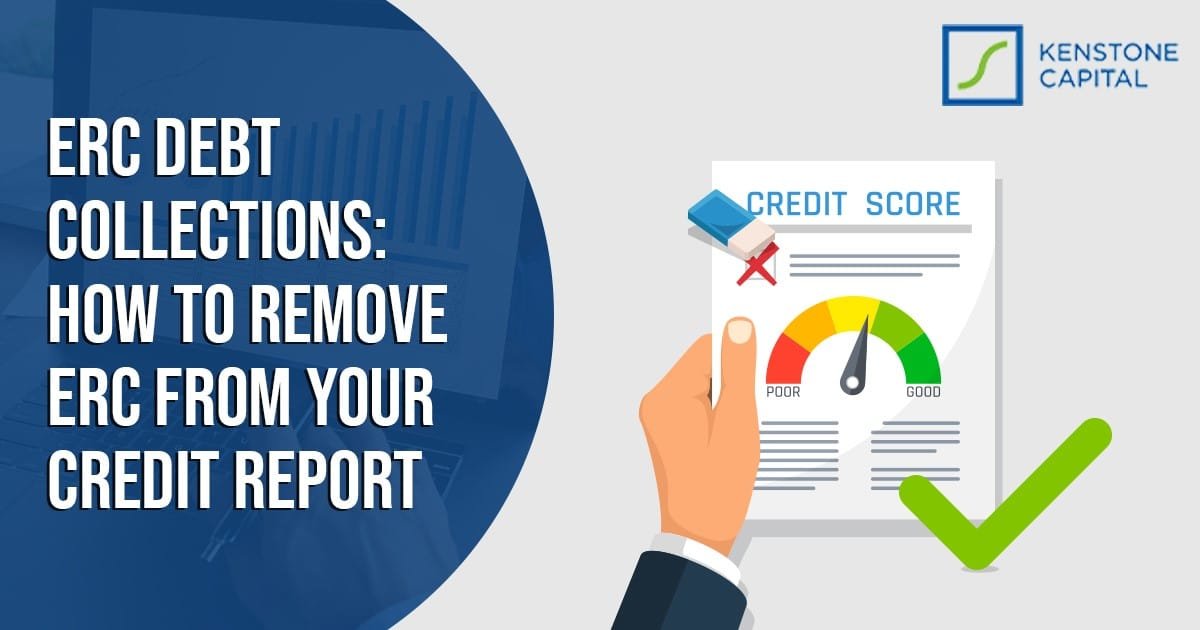
  • ERC Debt Collections: How To Remove ERC From Your Credit Report

    ERC Debt Collections: How To Remove ERC From Your Credit Report

    Dealing with debt can be stressful, and it becomes even more challenging when it negatively impacts your credit report. One such debt collection agency that might appear on your credit report is ERC, also known as Enhanced Recovery Company. If you’ve had an experience with ERC or any debt collection agency India operates and want to improve your credit standing, this comprehensive guide will provide you with valuable insights on how to remove ERC from your credit report. Remember, with the right knowledge and proactive steps, you can take control of your credit and pave the way for a better financial future.

    Understanding ERC Debt Collections

    ERC is a prominent debt collection agency that specializes in collecting outstanding debts on behalf of creditors. In many cases, agencies like ERC also provide debt recovery collection services and even corporate debt collection services for businesses dealing with unpaid accounts. They work with various types of debt, including medical bills, credit card debts, student loans, and more. When ERC appears on your credit report, it indicates that they are actively pursuing collection efforts for a specific debt you owe.

    Challenging ERC Debt Collections

    If you find ERC on your credit report and believe there may be inaccuracies or errors, you have the right to challenge their presence. Similar to how a B2B Debt Collection Agency or providers of B2B Debt Recovery Services handle disputes professionally, you can take structured steps to resolve the issue. Here are the steps you can take to address the situation:

    • Obtain a copy of your credit report: Request a free copy of your credit report from each of the major credit reporting agencies – Experian, Equifax, and TransUnion. You are entitled to one free report per year from each agency.
    • Review your credit report carefully: Look for any inaccuracies or discrepancies related to the ERC entry. Pay attention to the debt amount, dates, and other relevant information. If you notice any errors, make note of them.
    • Dispute the inaccurate information: Write a formal dispute letter to the credit reporting agencies, detailing the errors you found in the ERC entry. Include supporting documents, such as payment receipts or correspondence, to strengthen your case. The credit reporting agencies have 30 days to investigate your dispute.
    • Communicate with ERC: While the dispute is in progress, reach out to ERC directly to discuss the debt. Request verification of the debt, including the original creditor, account number, and proof of their authority to collect. Be sure to keep a record of all communications.
    • Follow up with the credit reporting agencies: If the investigation finds that the ERC entry is inaccurate or unverifiable, it should be removed from your credit report. Ensure that the agencies update your credit report accordingly.

    Rebuilding Your Credit

    Removing ERC from your credit report is an essential step toward improving your credit score. However, it’s equally important to focus on rebuilding your credit. Whether dealing with personal debt or services offered by corporate debt collection services or debt recovery collection services, maintaining financial discipline is key. Here are some strategies to consider:

    • Pay your bills on time: Consistently make payments on all your debts, including credit cards, loans, and utilities. Timely payments demonstrate responsible financial behavior.
    • Reduce your debt: Develop a plan to pay down your existing debts. Consider strategies like the debt snowball method or the debt avalanche method to accelerate your progress.
    • Maintain low credit utilization: Aim to keep your credit card balances below 30% of your available credit limit. High credit utilization can negatively impact your credit score.
    • Establish positive credit history: If you lack a credit history or have limited credit, consider obtaining a secured credit card or becoming an authorized user on someone else’s credit card. Make small purchases and pay them off promptly to build a positive credit record.
    • Monitor your credit regularly: Keep a close eye on your credit reports to ensure accuracy and address any potential issues promptly. You can use free credit monitoring services or consider subscribing to a paid credit monitoring service for added protection.

    Conclusion

    ERC debt collections can have a significant impact on your credit report. By understanding the steps to remove ERC from your credit report and taking proactive measures to rebuild your credit, you can regain control over your financial health. Whether you’re dealing with an individual account or services offered by a B2B Debt Collection Agency or a debt collection agency in India, staying informed is crucial. Remember to stay vigilant, maintain responsible financial habits, and seek professional advice if needed. With patience and persistence, you can work toward a brighter credit future and achieve your financial goals.

    Frequently Asked Questions (FAQs)

    1. What is ERC on my credit report?
    ERC (Enhanced Recovery Company) is a debt collection agency that appears on your credit report when it is assigned to collect an unpaid debt on behalf of a creditor, such as credit cards, medical bills, or loans.

    2. Can ERC be removed from my credit report?
    Yes, ERC can be removed if the information is inaccurate, incomplete, or unverifiable. You can dispute the entry with credit bureaus or request debt validation directly from ERC.

    3. How long does an ERC stay on a credit report?
    Typically, a collection account like ERC can remain on your credit report for up to 7 years from the date of the original delinquency, even if it is paid.

    4. Will paying ERC improve my credit score?
    Paying off the debt may not immediately remove the collection from your report, but it can improve your creditworthiness over time and prevent further collection actions.

    5. What should I do if I don’t recognize the ERC debt?
    If you don’t recognize the debt, request a debt validation letter from ERC. They must provide proof that the debt is legitimate and that they have the authority to collect it.

  • 7 Successful Debt Collection Techniques That Pay Dividends

    7 Successful Debt Collection Techniques That Pay Dividends

    Effective debt collection techniques are essential for businesses to maintain healthy cash flow and ensure financial stability. In this competitive market, employing the right strategies can make all the difference in successfully recovering outstanding debts. This article explores seven proven debt collection techniques that have consistently yielded positive results. By implementing these strategies, businesses can enhance their collection efforts, minimize losses, and foster stronger client relationships.

    1. Establish Clear Communication Channels

    One of the key pillars of successful debt collection is establishing clear and open lines of communication with debtors. Maintain regular contact through phone calls, emails, or letters to ensure debtors are aware of their outstanding obligations. Clearly communicate payment terms, due dates, and consequences of non-payment. Adopt a professional, yet empathetic tone, understanding that maintaining a positive relationship is crucial. Regularly updating debtors on their account status and offering flexible payment options can motivate them to fulfill their financial responsibilities.

    2. Utilize Technology and Automation

    Technology plays a vital role in streamlining debt collection processes. Utilize robust debt collection software that automates tasks such as generating payment reminders, tracking outstanding balances, and generating collection reports. Automated systems ensure accuracy, save time, and improve efficiency. Additionally, leverage technology to send automated reminders via SMS or email, providing debtors with convenient payment options and keeping them engaged with their outstanding obligations.

    3. Offer Incentives and Discounts

    Incentivizing timely debt payment can significantly increase collection rates. Offer discounts or incentives to debtors who settle their outstanding balances promptly or in a lump sum. This strategy not only encourages prompt payment but also helps maintain positive relationships with valued clients. By demonstrating flexibility and understanding, businesses can foster goodwill, which may result in improved customer loyalty and future collaborations.

    4. Employ Professional Debt Collection Agencies

    When internal collection efforts prove unsuccessful, partnering with a professional debt collection agency can be an effective solution. Debt collection agencies possess the expertise, resources, and legal knowledge to handle complex debt recovery cases. They employ trained professionals who understand the best practices for negotiating with debtors and have access to specialized tools and databases to trace delinquent individuals or companies. Outsourcing debt collection to experts saves valuable time and resources while increasing the likelihood of successful recovery.

    5. Use Legal Measures

    In situations where debtors refuse to cooperate or repeatedly default on their payments, resorting to legal action becomes necessary. Engaging the services of a competent attorney can provide guidance on the legal options available to recover the debt. Legal measures such as sending demand letters, filing lawsuits, or obtaining court judgments can compel debtors to honor their obligations or face legal consequences. However, it is essential to ensure compliance with local regulations and seek legal advice to avoid potential complications.

    6. Implement Payment Plans

    Recognizing that some debtors may be facing financial difficulties, offering flexible payment plans can be an effective strategy. Collaborate with debtors to create customized repayment schedules based on their financial capacity. By breaking down the outstanding balance into manageable installments, businesses can make it easier for debtors to meet their obligations. Regularly monitor payment plan compliance and offer support or modifications when necessary to ensure the plan remains viable and debtor commitment is maintained.

    7. Maintain Accurate Documentation

    Accurate documentation is vital when it comes to debt collection. Keep detailed records of all communication, payment agreements, and any disputes that may arise. These records serve as valuable evidence should legal action become necessary. Maintain organized files, including invoices, receipts, and signed contracts, to support the debt collection process. Proper documentation not only helps in tracking outstanding debts but also provides clarity and transparency to both parties, reducing the chances of misunderstandings or disputes.

    Conclusion

    Implementing effective debt collection techniques is crucial for businesses to ensure healthy cash flow and financial stability. By establishing clear communication channels, utilizing technology, offering incentives, partnering with professional agencies, using legal measures when necessary, implementing payment plans, and maintaining accurate documentation, businesses can significantly enhance their debt collection efforts. These strategies foster stronger client relationships, increase the likelihood of successful recovery, and position businesses for long-term financial success. Remember, persistence, empathy, and adaptability are key when it comes to debt collection, as every situation is unique.

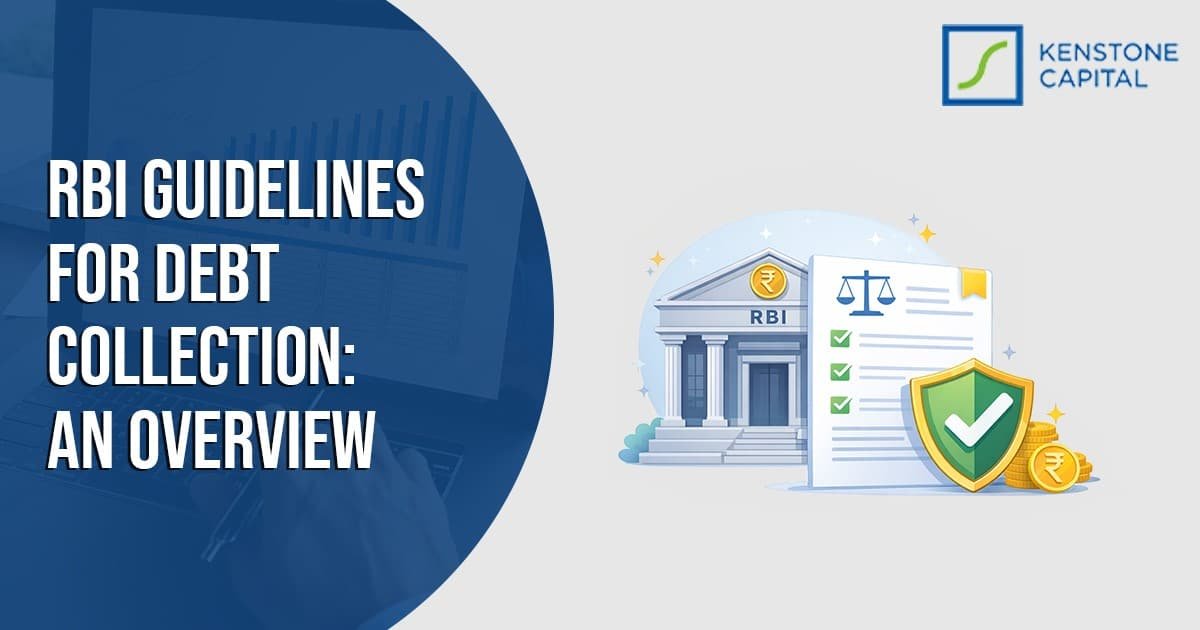
  • RBI Guidelines for Debt Collection: An Overview

    RBI Guidelines for Debt Collection: An Overview

    Debt collection is a crucial aspect of the financial system, ensuring the recovery of outstanding dues and maintaining the stability of the banking sector. The Reserve Bank of India (RBI), as the country’s central banking institution, plays a vital role in regulating and supervising debt collection practices. To safeguard the interests of borrowers and maintain fair practices, the RBI has formulated comprehensive guidelines for debt collection that banks and financial institutions must adhere to. This article provides an overview of the RBI guidelines for debt collection, outlining their key features and significance.

    Objective of RBI Guidelines for Debt Collection

    The primary objective of the RBI guidelines for debt collection is to establish fair and transparent practices that ensure the protection of borrowers’ rights. These guidelines aim to prevent harassment and unethical practices by banks and financial institutions during the recovery process. Whether a bank manages its own recovery or hires a professional debt collection agency, the RBI recognizes the importance of maintaining the dignity of borrowers while ensuring the recovery of debts owed to banks. These guidelines provide a framework for banks to follow while interacting with borrowers and outline the dos and don’ts to ensure ethical debt collection practices.

    Key Features of RBI Guidelines for Debt Collection

    1. Fair Practices Code (FPC): The RBI requires banks and financial institutions to adopt a Fair Practices Code that clearly outlines the debt collection policies and procedures. This code acts as a framework for ethical practices and serves as a reference for borrowers to understand their rights and responsibilities. The FPC must be transparent, non-coercive, and non-threatening.
    2. Communication and Contact: The guidelines emphasize that banks and financial institutions should communicate with borrowers in a respectful and non-abusive manner. Contact should be made at reasonable times and places, avoiding any inconvenience or embarrassment to the borrower. The use of obscene or threatening language, coercion, or harassment by any debt collection agency in India is strictly prohibited.
    3. Privacy and Confidentiality: Banks must maintain the confidentiality of customer information and refrain from disclosing details of the debt to third parties without the borrower’s consent. Information regarding the debt should be shared only with authorized persons who are directly involved in the debt recovery process.
    4. Dispute Resolution: The RBI guidelines require banks to have a mechanism in place for the resolution of disputes arising during the debt collection process. Borrowers should be provided with a grievance redressal mechanism to address any complaints or concerns they may have. The dispute resolution process should be fair, transparent, and timely.
    5. Prohibition of Coercive Methods: Banks and financial institutions are strictly prohibited from resorting to physical force, coercion, or intimidation while collecting debts. They cannot seize or threaten to seize the assets of borrowers without proper legal authority. Debt collectors should not visit the borrower’s place of work unless explicitly requested by the borrower.
    6. Documentation and Transparency: The RBI guidelines emphasize the importance of maintaining accurate and up-to-date records of debt collection activities. This is especially vital when utilizing corporate debt collection services to ensure every interaction is documented. Banks must provide borrowers with documents that clearly state the amount of debt owed and the rights of both parties.

    Significance of RBI Guidelines for Debt Collection

    The RBI guidelines for debt collection hold significant importance for various stakeholders in the financial system.

    1. Borrower Protection: The guidelines provide a framework that protects borrowers from unfair practices and harassment during the debt recovery process. Borrowers can seek recourse if they feel their rights have been violated, ensuring a more equitable relationship between lenders and borrowers.
    2. Standardization and Transparency: The guidelines establish a uniform set of rules for debt collection across all banks. This prevents arbitrary actions by lenders and ensures that even a bad debt collection agency in India must operate within legal boundaries or face penalties
    3. Reputation and Trust: Adhering to the RBI guidelines enhances the reputation and credibility of banks and financial institutions. Ethical debt collection practices build trust with borrowers, leading to long-term customer relationships and increased customer satisfaction.
    4. Systemic Stability: By regulating debt collection practices, the RBI contributes to the stability of the financial system. Ensuring fair practices and preventing excessive harassment in debt collection helps maintain public confidence in the banking sector.

    Conclusion

    The RBI guidelines for debt collection play a crucial role in maintaining fairness and transparency in the debt recovery process. These guidelines ensure the protection of borrowers’ rights, prohibit unethical practices, and establish a standardized framework for debt collection activities. By adhering to these guidelines, banks and financial institutions can build trust with borrowers, enhance their reputation, and contribute to the overall stability of the financial system. It is essential for all stakeholders to understand and comply with the RBI guidelines to foster a healthy and ethical debt collection environment in India.


    Looking for a reliable solution to recover your outstanding debts? Our expert Debt Collection Agency can help streamline the process and maximize recovery. Contact us today to get started!

    Frequently Asked Questions (FAQs)

    1) Can a bad debt collection agency in India contact my friends or family?

    No. RBI guidelines strictly prohibit disclosing a borrower’s debt information to third parties, including friends, family, or colleagues, without the borrower’s explicit consent.

    2) Does the RBI regulate corporate debt collection services?

    Yes. While B2B and corporate debt collection services involve businesses, the RBI ensures that all financial institutions under its purview follow ethical conduct, prohibiting coercion or physical intimidation.

    3) What should I do if a debt collection agency is harassing me?

    We should first file a formal complaint with the bank or financial institution’s grievance redressal cell. If the issue is not resolved within 30 days, you can escalate the matter to the RBI Ombudsman.

    4) Can recovery agents visit my office?

    Generally, no. Debt collectors should avoid visiting a borrower’s place of work unless the borrower has explicitly requested it or if no other contact point is available.

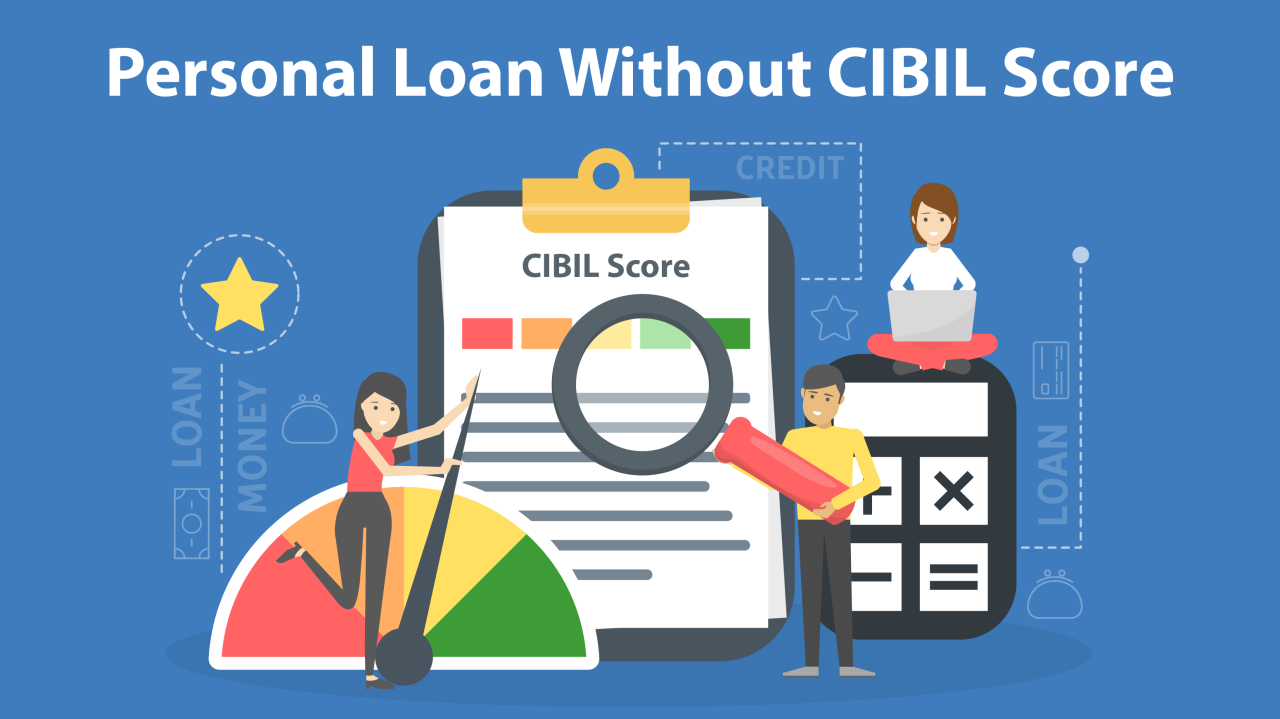
  • How to Secure an Instant Personal Loan Without a CIBIL Score

    How to Secure an Instant Personal Loan Without a CIBIL Score

    In today’s financial landscape, a good credit score is often considered crucial for accessing personal loans. However, not everyone has a well-established credit history or a satisfactory CIBIL score. Fortunately, there are alternative methods available that can help individuals obtain instant personal loans without relying solely on their credit score. In this comprehensive guide, we will explore various strategies and options that can assist you in securing a personal loan without a CIBIL score.

    Understanding the Importance of a CIBIL Score

    Before delving into the alternatives, it is important to comprehend why lenders consider credit scores. A credit score, such as the CIBIL score in India, serves as an indicator of an individual’s creditworthiness. It reflects their repayment history, outstanding debts, and overall financial responsibility. A high credit score enhances the chances of loan approval, favorable interest rates, and better loan terms. However, lacking a credit history or having a low CIBIL score doesn’t necessarily mean that obtaining a personal loan is impossible.

    Exploring Alternatives for Instant Personal Loans without a CIBIL Score:

    P2P Lending Platforms:

    Peer-to-peer (P2P) lending platforms provide an alternative to traditional banks and financial institutions. These platforms connect borrowers directly with individual lenders who may be more flexible in their lending criteria. P2P lending may offer a higher chance of loan approval, even without a CIBIL score. Ensure you provide relevant documentation and a compelling case to attract potential lenders.

    Secured Loans:

    Consider applying for a secured personal loan, where collateral such as property, gold, or other valuable assets are pledged against the loan amount. Since these loans are secured, lenders are more inclined to approve them, irrespective of the applicant’s credit score. However, keep in mind that defaulting on payments could result in the loss of the pledged asset.

    Loan against Fixed Deposits (FD):

    If you have a fixed deposit with a bank or financial institution, you can use it as collateral for obtaining a personal loan. The loan amount can be a percentage of the FD’s value, and interest rates are typically lower than those of unsecured loans. As the FD acts as security, lenders may be willing to overlook your credit score or absence of a credit history.

    Collateral-Free Loans:

    Certain lenders specialize in offering collateral-free personal loans, targeting individuals without a credit history or a low credit score. These loans might have higher interest rates compared to secured loans, but they offer a way to secure funds quickly. Explore multiple lenders to find the best terms and conditions available.

    Joint Applications:

    Consider applying for a personal loan with a trusted individual, such as a family member or spouse, who has a good credit score. A joint application allows the lender to evaluate the creditworthiness of both applicants, increasing the chances of approval even if one applicant lacks a credit history or has a low credit score.

    Approach Local Credit Cooperatives:

    Local credit cooperatives or microfinance institutions often have more lenient lending policies compared to traditional banks. They focus on community-based lending and may be willing to provide personal loans without strictly considering credit scores. Conduct thorough research to identify reliable and reputable cooperatives in your area.

    Conclusion:

    While a good credit score is typically advantageous when applying for a personal loan, it is not an insurmountable obstacle for individuals without a credit history or a low CIBIL score. By exploring alternative lending options such as P2P lending, secured loans, loan against fixed deposits, collateral-free loans, joint applications, and local credit cooperatives, you can increase your chances of securing an instant personal loan. Remember to compare terms, interest rates, and repayment options to make an informed decision. Always ensure responsible borrowing and timely repayment to build a positive credit history for future loan endeavors.