Tag: Finance

  • HOW DO CREDIT REPAIR AGENCIES WORK?

    HOW DO CREDIT REPAIR AGENCIES WORK?

    Credit score plays a significant role in processing and approving an application for a loan/credit card. A lower score can negatively impact your application and there will be chances of rejection of loan approvals. In such cases, you have to improve your score to avoid further financial problems. So, how can you repair your credit score? What could have affected your credit score? Can a credit repair agency help you? Of course yes!

    Let’s see in detail how credit repair can be done by credit repair agencies

    WHAT DOES THIS MEAN FOR CREDIT REPAIR?

    Credit repair is a process of correcting or rectifying your credit score by filing a dispute with the assistance of a credit repair agency. While opting or a credit repair, you have to provide a detailed explanation of your debts and supporting documents.

    WHAT IS CREDIT REPAIR AGENCY?

    A credit repair agency is an entity, which helps clients to improve their bad credit score. In general most of the consumers may not have the required knowledge or time to file their disputes for correction of credit score. Such customers can take the assistance of credit repair companies to file their disputes.

    Note: It is recommended to verify a credit repair agency’s authenticity before providing your personal information to them. There are a number of agencies that are not authorized according to the Federal Trade Commission; those types of companies intend to scam customers.

    HOW TO VERIFY A CREDIT REPAIR COMPANY?

    There are several kinds of ways to verify the authenticity of a credit repair agency. Here’s somewhere to start:

    • Read company reviews on the Better Business Bureau website
    • Check the database of complaints on the Consumer Financial Security Bureau
    • Look for additional review websites for valuable consumer feedback

    Also, check this: If the company claims it can do all of the following, it is a red flag and possibly a sign of a scam:

    • Removal of exact negative information from your reports
    • Legally create your new credit identity
    • Guaranteed improved credit

    HOW DO CREDIT REPAIR FIRMS WORK?

    Most of the credit repair companies start by asking for a copy of your credit report from each of the three major consumer credit bureaus -Equifax, Experian, and TransUnion. Then the company will review your credit reports regarding derogatory marks, such as charge offs, tax liens, and bankruptcies. After identification, it will set up a plan for disputing errors and negotiate with creditors to remove those items. That plan may involve sending:

    • Requests to correct the information
    • Letters to dispute the negative marks on your credit report
    • Cease-and-desist letters to debt collectors on your behalf

    Note:  While the credit repair process, the firm may also recommend that you apply for new accounts to add positive information to your credit reports. Be careful here. If you have had trouble handling credit in the past, the best option is not to apply for a new account.

    HOW MUCH DOES IT COST TO REPAIR CREDIT?

    The amount you are going to pay and how it is calculated will vary depending on the credit repair company, but there is a law they have to follow. You could pay a one-time flat fee, depending on the company, or pay for each derogatory mark removed from your credit reports.

    POINTS TO BE NOTED

    • A credit repair agency can not explicitly remove or change the details in your credit report.
    • On credit rating agency websites such as CIBIL, the online dispute resolution process is available at no charge.
    • Any modifications to your credit report must be approved by the bank/financial institution.
    • Even if you apply through an agency for credit repair, the final credit report will be sent only to the consumer at their email address or postal address. The information in the credit report is confidential and won’t be shared with others.
  • HOW TO BOUNCE BACK FROM A LOW CIBIL SCORE?

    HOW TO BOUNCE BACK FROM A LOW CIBIL SCORE?

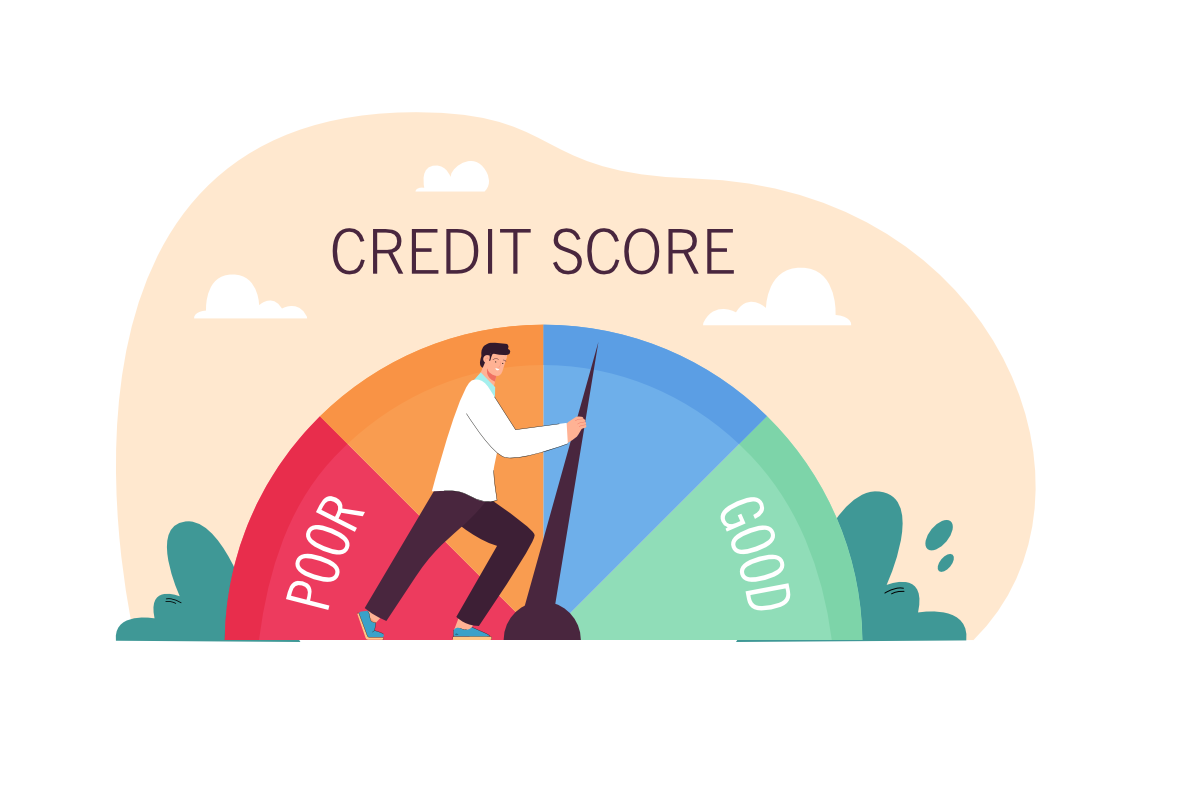
    It is no more difficult to bounce back from bad credit if you are keen to follow the right steps to set up yourself for financial success by paying off left debt. Although there are many reasons for a Low CIBIL score, likewise there are many ways to rebuild your credit score but which may take time and requires focus on the basics. Enjoy yourself with the lord of ocean.

    HERE ARE THE FEW STEPS TO FOLLOW TO RECOVER FROM LOW CIBIL SCORE:

    1. CHECK YOUR CIBIL SCORE AND REVIEW IT REGULARLY

    Before we get into the tricks and tips, it’s important to check your CIBIL report regularly as it helps you to fix the credit score whenever you notice any inaccuracies in the form of defaults or delays in payments. So, that you can always contact the bank and can set right your CIBIL. This will ultimately helps you in increasing the credit exposure.

    2. MAKE THE PAYMENTS ALWAYS ON TIME

    Being late for credit card and loan payments is always the primary reason for a bad credit score, as it is 35% worth of your total. Make it as a top priority to pay off all unpaid debts as soon as you can overcome your personal crisis. If you have various credit cards and personal loan accounts, merge all these loans and take out a single loan to make them pay off.

    3. LESSEN YOUR PRESENT EMIS TO 30 PERCENT OF YOUR MONTHLY INCOME

    Your EMI to income ratio should not exceed 30 per cent of your net salary. Any amount that goes beyond this reduces your financial capacity to repay your loans responsibly. So, it’s better to maintain this ration on your EMIs and construct your credit score effectively.

    4. KEEP THE BORROWING TO A MINIMUM

    If you’re applying for too many loans or you’re too close to your credit card’s limit then your CIBIL score is likely to drop as such practices indicate a credit-hungry behavior. The best thing to do is not to take out a loan until it is absolutely necessary and always make sure that you are not close to your credit limits. This appropriately helps to recover from bad credit.

    5. ENHANCE YOUR CREDIT SCORE BY MIXING IT UP

    Never settle down for unsecured loans, i.e. credit cards and personal loans. Go with mixed credit bag as it includes both unsecured loans like personal loans and secured loans likes car or home loans which helps to build a better profile, because banks can recognise that you’re willing to repay the loans irrespective of loan types.

    6. DON’T KEEP APPLYING FOR CREDIT IF IT IS REJECTED

    Whether you have applied for a loan or credit card, and your request has been denied, the whole information will be recorded in your credit report. When you subsequently apply for loan in some other bank, they will see your low score and the previous rejection, and may refuse your application. In such cases the best thing to do is not submit again and wait until the score improves.

    Even though it’s fact that a poor credit score can adverse your future credit requirements, the situation isn’t beyond repair. The only thing you need to keep in mind is that it takes at least a couple of months for the scores to grow, so you need to wait a bit for your scores to show some change.

    Remember, a good CIBIL score will help you gain access to credit and loans whenever you need it. To get things right, all you need is patience and diligent effort. Let’s start rebuilding your score and work towards your financial goals and dreams.

    Are you looking to improve your LOW CIBIL Score? Contact us

  • CIBIL SCORE AND CIBIL REPORT: KNOW ITS DIFFERENCE AND MORE

    CIBIL SCORE AND CIBIL REPORT: KNOW ITS DIFFERENCE AND MORE

    Are you looking to seek credits from the bank but unaware of the terminologies such as credit score, credit report, and CIBIL score used by the bank representatives? Worry not. Today we will cover the details of these terms and differences among them in-depth.

    As said above, these terms are commonly used by financial institutions such as banks while lending money to a borrower. They check the credit history of a loan applicant to determine if he/she is a responsible borrower and thereby minimize the risk of default.

    In today’s rapidly growing interconnected world, one has to know and track the credit scores, CIBIL scores, and credit reports to stay informed about their credit standing. This information is essential in leading good financial health. Hence, we help you in analyzing its meaning, features, as well as their difference from each other.

    Credit Score vs. CIBIL Score

    What is a Credit Score?

    A credit score is a 3-digit summary defining your overall credit history. A credit bureau in India produces this 3-digit score with the help of its algorithm by considering your credit history. The credit score generally ranges between 300 and 900.

    If you have been more responsible with your credit in the past, you will have a high credit score. Most lenders in India easily sanction the loans to borrowers having a credit score of 700 or more.

    What is CIBIL Score?

    CIBIL (Credit Information Bureau India Limited) is one of the major credit bureaus in India and licensed by the RBI (Reserve Bank of India). A credit score is called a CIBIL score when it is calculated by CIBIL.

    The credit score by other major credit bureaus of India, such as Equifax, Experian, and Highmark, are also considered equally valid. But, most lenders prefer a CIBIL score.

    Note the Difference:

    The only difference between credit score and CIBIL is that credit score can be provided by any of the chief credit bureaus in India, whereas only CIBIL provides a CIBIL score.

    CIBIL Score vs. CIBIL Report

    Now that you know the difference between the CIBIL score and Credit score. Let us learn about the CIBIL report in this section.

    What is CIBIL Report?

    CIBIL report, which is also referred to as a Credit Information Report (CIR) is the report generated by CIBIL based on the details of your credit and loan-related information. This data is later processed to make a detailed credit report for each individual.

    CIBIL report contains the following information:

    • Personal information – name, age, address, Permanent Account Number (PAN), contact details, etc.
    • Employment details along with income information.
    • Credit score
    • Credit card details of all your cards
    • Credit card bill payment defaults
    • Credit card cancellation details
    • Loan data such as ongoing loans, subsequent repayment timelines, and also the loan types availed in the past.
    • Defaults on loans & loan settlements (if any)
    • Number of inquiries made by you via loan providers

    If you did not know, every time you apply for a new Credit Card or any loan, the banks inform CIBIL about it, and all related applications are vigilantly recorded in your CIBIL report.

    Note the Difference:

    A CIBIL report is different from a CIBIL score, and you cannot interchange the terms. In fact, a CIBIL score is a numerical expression derived by processing credit information, and these numbers indicate the creditworthiness of a person.

    On the other hand, a CIBIL report is a document containing the overall credit information of an individual. That is, these reports have detailed information about their credit history.

    Importance of Credit Score in India

    Every loan or credit card borrower in India should check their CIBIL score from the official CIBIL website regularly, especially if they have taken loans or used Credit Cards earlier. Apply for the loan only if you meet the requirements of the credit score requirements of the lender.

    In case you have a poor CIBIL score, we advise you to improve the current score first and then apply for a new loan to get it approved immediately.

    Are you looking to Improve your LOW CIBIL SCORE? Contact us

  • SARFAESI ACT

    SARFAESI ACT

    SARFAESI ACT

    The financial sector is one of the pivots of any developing country. It is crucial for India too in accelerating the growth of its economy.

    The slow rate of recovery on defaulting loans and the extremely high levels of nonperforming assets of banks and financial institutions were matters of pressing concern and eventually led to the formation of a reform. The Narasimham Committee I and II and the Andhyarujina Committee, constituted by the Central Government, brought about modifications in the legal system in accordance with these concerns.

    The Committees made suggestions to form new legislation for securitization and empowering banks and financial institutions to gain possession of the securities and to sell them without any intervention of the courts.

    The Securitization and Reconstruction of Financial Assets and Enforcement of Security Interest (SARFAESI) Act, 2002, is legislation that aids financial institutions and banks in auctioning or selling both residential and commercial properties in order to recover bad loans. This essentially means that the Act was created primarily to address the issue of Non-Performing Assets or bad assets, via a variety of mechanisms.

    THE ACT PROVIDES THREE METHODS FOR RECOVERY OF NPAS, VIZ:

    (i) Securitization
    Regarding NPA management, securitization is the process of converting loans into marketable securities.

    (ii) Asset Reconstruction
    Asset reconstruction is the process of transforming a bad or non-performing asset into a performing asset. The mechanism of asset reconstruction involves several steps, which include the purchasing of bad assets by a dedicated asset reconstruction company (ARC), financing of the bad asset conversion into good assets using bonds, debentures, securities, cash, etc., among other steps.

    (iii) Enforcement of Security without the intervention of the Court.
    The Act empowers the financial institutions to take possession or auction the securities without any intervention of the Court

    OBJECTIVES OF SARFAESI ACT

    1. Swift and efficient recovery of Non-Performing Assets of financial institutions
    2. Setting the foundation and architecture of the legal framework required for securitization activities
    3. Granting financial institutions and banks the ability to secure interests without any intervention from the Courts
    4. Allows banks and financial institutions to auction the properties when the borrower is unable to repay the loan
    DOCUMENTS REQUIRED

    e-Form CHG-1 or e-Form CHG-9 is required to be filed for the application of
    a.  Registration of creation
    b.  Modification of charge (other than those related to debentures), including particulars of modification of charge by Asset Reconstruction Company in terms of Securitization and Reconstruction of Financial Assets and Enforcement of Securities Interest Act, 2002 [SARFAESI]

    The documents in this context are as follows:

    i.  Particulars of charge
    ii.  Hypothecation Deed
    iii.  An Instrument created for the charge
    iv.  Certificate of registration
    v.  Copy of the instrument – creating or modifying the charge
    vi.  Sanction Letter

    In case of any e-Form to be digitally signed, either of the following is required:

    a. DSC of the charge holder
    b. Director Identification Number [DIN] of the Director
    c. Permanent Account Number [PAN] of the manager, CEO, CFO
    d. Membership Number of the Company Secretary

    The SARFAESI Act aims to preserve the right to property of the borrower by maintaining that a proper, thorough process needs to be followed before the borrower’s property is disposed of. The underlying notion is that the financial institutions do not abuse the wide powers provided to them and that the cases of bad loans are rectified quickly and efficiently.

    Frequently Asked Questions:

    1) What are the main objectives of the SARFAESI Act?

    The primary goals are:

    1. To enable efficient and rapid recovery of NPAs for financial institutions.
    2. To allow banks to take possession of and sell secured assets (residential or commercial) when a borrower defaults.
    3. To provide a legal framework for securitization and asset reconstruction activities.

    2) What are the three methods of recovery under this Act?

    The Act provides three specific mechanisms for managing bad loans:

    Enforcement of Security Interest: Taking possession of the security/asset without court intervention.

    Securitization: Converting loans into marketable securities.

    Asset Reconstruction: Transforming non-performing assets into performing ones through dedicated companies (ARCs).

    3) Does the borrower have any protection under this law?

    Yes. The SARFAESI Act aims to balance the rights of the lender and the borrower. Banks must follow a strict legal process before disposing of a property, and borrowers have the right to approach the Debt Recovery Tribunal (DRT) if they feel the process is being misused.

    4) How does Kenstone Capital help with SARFAESI enforcement?

    Kenstone Capital provides a holistic approach to debt recovery. We assist secured creditors (banks and financial institutions) by:

    Utilizing technology and automated processes to ensure maximum efficiency and an 85% success rate.

    Providing a highly qualified legal team to manage end-to-end enforcement steps.

    Deploying experienced physical possession teams.