Tag: Finance

  • Winning the Battle Against Bad Debt: Strategies for Banks and Institutions

    Winning the Battle Against Bad Debt: Strategies for Banks and Institutions

    Winning the Battle Against Bad Debt: Strategies for Banks and Institutions

    In the financial realm, battling bad debt is akin to waging war against a relentless adversary. For banks and financial institutions, the ramifications of bad debt can be severe, eroding profitability, hindering growth, and jeopardizing stability. However, armed with the right strategies and tools, these institutions can emerge victorious in this battle, safeguarding their financial health and fostering long-term success.

    Understanding Bad Debt:

    Before delving into strategies for combating bad debt, it’s essential to grasp its nature and underlying causes. Bad debt typically arises when borrowers fail to repay their loans, often due to financial distress, mismanagement, or unforeseen circumstances. Common examples include delinquent credit card balances, defaulted mortgages, and non-performing loans.

    Strategies for Conquering Bad Debt:

    Rigorous Risk Assessment:

    Mitigating bad debt starts with a robust risk assessment process. Banks and institutions must employ advanced analytics and modelling techniques to evaluate the creditworthiness of borrowers thoroughly. By scrutinizing factors such as credit history, income stability, and debt-to-income ratios, lenders can identify high-risk individuals or businesses and adjust their lending criteria accordingly.

    Enhanced Due Diligence:

    Prioritizing due diligence is paramount in preventing bad debt. Institutions should conduct comprehensive background checks and verification procedures before extending credit to applicants. By verifying identity, income, and collateral, lenders can reduce the likelihood of lending to individuals with questionable financial standing or fraudulent intentions.

    Customized Credit Solutions:

    Recognizing that one size does not fit all, banks should tailor credit solutions to meet the unique needs and circumstances of their customers. This may involve offering flexible repayment terms, personalized loan structures, or alternative financing options. By accommodating borrowers’ preferences and constraints, institutions can enhance repayment behavior and minimize default risks.

    Proactive Monitoring and Surveillance:

    Vigilance is key to managing bad debt effectively. Banks must implement robust monitoring systems to track borrowers’ repayment patterns and detect early warning signs of financial distress. By leveraging data analytics and artificial intelligence, institutions can identify delinquencies or deviations from expected behaviour promptly, allowing for timely intervention and remedial action

    Streamlined Collections and Recovery:

    In cases where borrowers default on their obligations, swift and efficient collections and recovery processes are essential. Banks should establish dedicated teams or utilize specialized agencies to pursue overdue payments diligently. Employing negotiation, settlement, or asset repossession strategies, lenders can minimize losses and maximize recovery rates, mitigating the impact of bad debt on their balance sheets.

    Continuous Education and Financial Literacy:

    Promoting financial literacy and empowerment among customers can serve as a proactive measure against bad debt. Institutions should offer educational resources, workshops, and counseling services to help individuals manage their finances responsibly. By fostering informed decision-making and budgeting skills, banks can empower customers to avoid debt traps and maintain healthy financial habits.

    Adaptive Risk Management:

    The landscape of risk is dynamic and evolving, necessitating a proactive and adaptive approach to risk management. Banks should continuously refine their risk models, scenario analyses, and stress testing frameworks to anticipate and address emerging threats effectively. By staying ahead of the curve, institutions can adapt their strategies and policies in response to changing market conditions and regulatory requirements.

    Conclusion:

    In the relentless battle against bad debt, banks and financial institutions must deploy a multifaceted arsenal of strategies and tactics. From rigorous risk assessment and enhanced due diligence to proactive monitoring and streamlined recovery processes, success hinges on a comprehensive and proactive approach. By prioritizing prudent lending practices, customer-centric solutions, and continuous innovation, institutions can fortify their defenses and emerge triumphant in the fight against bad debt, ensuring sustained profitability and resilience in the face of adversity.

  • Navigating Credit Risk Management: From Assessment to Mitigation

    Navigating Credit Risk Management: From Assessment to Mitigation

    Navigating Credit Risk Management: From Assessment to Mitigation

    In the ever-evolving landscape of finance, credit risk management stands as a cornerstone for ensuring stability and sustainability within institutions. Whether you’re a seasoned financial expert or an aspiring professional, understanding the intricacies of credit risk management is crucial. In this blog post, we’ll take a deep dive into the journey from assessing credit risk to implementing effective mitigation strategies.

    Assessing Credit Risk

    Assessment forms the bedrock of credit risk management. It involves evaluating the likelihood of borrowers defaulting on their financial obligations. This process encompasses various factors, including financial statements, credit scores, market trends, and qualitative assessments of borrowers’ character and capacity to repay debts.

    Quantitative Analysis: This involves scrutinizing financial metrics such as debt-to-equity ratios, cash flow patterns, and profitability indicators. These metrics provide insights into borrowers’ financial health and their ability to service debt.

    Qualitative Assessment: Beyond numbers, qualitative factors like industry dynamics, management quality, and economic conditions play a pivotal role. Understanding the broader context helps in gauging the inherent risks associated with lending.

    Credit Scoring Models: Utilizing statistical models, lenders assign credit scores to borrowers based on their credit history and financial profiles. These scores serve as a quantitative measure of creditworthiness, aiding in risk assessment.

    Mitigating Credit Risk

    While assessment provides valuable insights, effective mitigation strategies are essential for safeguarding against potential losses. Mitigation strategies aim to reduce the impact of credit risk and enhance the overall resilience of the lending portfolio.

    Diversification: Spreading credit exposures across diverse assets, industries, and geographies helps mitigate concentration risk. A well-diversified portfolio is less susceptible to adverse events impacting a particular sector or region.

    Collateralization: Securing loans with collateral provides a safety net in the event of borrower default. Collateral serves as a tangible asset that lenders can liquidate to recover outstanding debts, reducing credit losses.

    Credit Monitoring and Surveillance: Continuous monitoring of borrower performance and market dynamics is imperative. Early identification of deteriorating credit quality enables proactive measures to mitigate losses, such as restructuring loans or imposing stricter terms.

    Stress Testing: Conducting stress tests simulates adverse scenarios to assess the resilience of the portfolio. By identifying vulnerabilities and potential losses under extreme conditions, institutions can fortify their risk management frameworks.

    Risk Transfer Mechanisms: Utilizing instruments like credit derivatives or insurance allows institutions to transfer credit risk to third parties. While these mechanisms involve costs, they provide an additional layer of protection against credit defaults.

    Conclusion

    From assessment to mitigation, effective credit risk management is a multifaceted endeavor that demands meticulous analysis and proactive measures. By employing robust assessment techniques and implementing prudent mitigation strategies, institutions can navigate the complexities of credit risk and foster sustainable lending practices. In an era marked by volatility and uncertainty, the ability to manage credit risk effectively is indispensable for ensuring financial resilience and long-term success.

  • The Ripple Effect: How Accounts Receivables Efficiency Impacts Your Bottom Line

    The Ripple Effect: How Accounts Receivables Efficiency Impacts Your Bottom Line

    The Ripple Effect: How Accounts Receivables Efficiency Impacts Your Bottom Line

    In the dynamic landscape of business operations, where every decision and process has a direct effect on the bottom line, managing accounts receivables efficiently emerges as a critical factor. The intricate web of transactions within the accounts receivables department creates a ripple effect that permeates through the entire organization, influencing financial health, customer relationships, and overall business sustainability.

    Cash Flow Optimization: The Heartbeat of Your Business

    Efficient accounts receivables management is the lifeline of any business, ensuring a steady and predictable cash flow. A delay in receiving payments from clients can disrupt the cash flow, affecting the company’s ability to meet its financial obligations and seize growth opportunities. In contrast, a streamlined accounts receivables process accelerates cash inflows, providing the necessary liquidity for day-to-day operations and strategic investments.

    Customer Relationships: Building Trust Through Timely Transactions

    The efficiency of your accounts receivables process directly correlates with customer satisfaction. A smooth and timely invoicing and payment cycle not only fosters trust but also enhances the overall customer experience. On the flip side, delays in processing payments can strain relationships, leading to dissatisfaction and potential loss of business. By prioritizing accounts receivables efficiency, businesses can create a positive ripple effect that extends to customer loyalty and repeat business.

    Reducing Operational Costs: The Domino Effect of Efficiency

    A well-optimized accounts receivables system doesn’t just facilitate timely payments but also reduces operational costs. Automation, streamlined workflows, and effective communication channels contribute to cost savings by minimizing manual errors, reducing the need for extensive follow-ups, and optimizing resource allocation. The resulting operational efficiency creates a positive domino effect, allowing the business to allocate resources to more strategic areas and improve overall productivity.

    Risk Mitigation: Navigating the Waters of Uncertainty

    In an ever-evolving business landscape, mitigating financial risks is paramount. An efficient accounts receivables process includes robust credit risk assessment and proactive management of overdue accounts. By identifying potential issues early on and implementing effective risk mitigation strategies, businesses can navigate economic uncertainties and market fluctuations, safeguarding their bottom line from unforeseen challenges.

    Regulatory Compliance: A Shield against Penalties

    The impact of accounts receivables efficiency extends beyond internal operations to regulatory compliance. Adhering to financial regulations and tax obligations is crucial for avoiding penalties and legal consequences. An organized and efficient accounts receivables system ensures accurate record-keeping and timely reporting, serving as a shield against regulatory pitfalls that could otherwise jeopardize the financial stability of the business.

    Conclusion:

    In the intricate dance of financial operations, the efficiency of your accounts receivables process creates a ripple effect that resonates throughout your organization. From optimizing cash flow and building customer trust to reducing operational costs and mitigating risks, the impact is profound and far-reaching. Businesses that recognize and prioritize the importance of accounts receivables efficiency position themselves not only for financial success but also for sustained growth and resilience in an ever-changing business landscape.

  • From Chaos to Control: Transforming Accounts Receivable into a Strategic Asset

    From Chaos to Control: Transforming Accounts Receivable into a Strategic Asset

    From Chaos to Control: Transforming Accounts Receivable into a Strategic Asset

    In the fast-paced world of business, where every decision counts, managing accounts receivable effectively can be the key to financial stability and growth. Turning the chaos of outstanding invoices into a well-oiled machine not only ensures a healthy cash flow but also transforms accounts receivable into a strategic asset. In this blog post, we will explore the journey from chaos to control, unlocking the potential of your accounts receivable department.

    The Chaos of Unmanaged Accounts Receivable:

    For many businesses, accounts receivable can be a daunting area to navigate. Unpaid invoices, delayed payments, and discrepancies in records can create chaos that hampers the overall financial health of the organization. The first step toward transformation is acknowledging the challenges and understanding the impact they can have on cash flow, profitability, and relationships with clients.

    The Power of Data and Automation:

    To bring order to the chaos, businesses are increasingly turning to data and automation. Implementing advanced accounting software and systems can streamline the invoicing process, reduce errors, and provide real-time insights into the status of outstanding payments. Automation not only improves efficiency but also allows your team to focus on more strategic tasks, turning your accounts receivable into a valuable asset rather than a burden.

    Strategic Decision-Making with Predictive Analytics:

    The transformation journey involves not only managing the present but also preparing for the future. Predictive analytics can play a crucial role in forecasting cash flow, identifying potential issues before they arise, and making informed decisions. By harnessing the power of data analytics, businesses can turn their accounts receivable into a strategic asset, positioning themselves ahead of the curve in an ever-changing financial landscape.

    Building Strong Client Relationships:

    Accounts receivable isn’t just about numbers; it’s about relationships. A strategic approach involves nurturing strong client relationships through effective communication, transparent billing practices, and timely resolution of any payment issues. By treating your clients as partners in the business journey, you not only ensure timely payments but also lay the foundation for long-term collaboration and trust.

    Continuous Improvement and Adaptation:

    The transformation process is ongoing. Regularly evaluate and refine your accounts receivable processes, adapting to changes in the market, technology, and client expectations. Embrace a culture of continuous improvement, empowering your team to explore innovative solutions and stay ahead of potential challenges.

    Conclusion:

    Transforming accounts receivable from chaos to control is a journey that requires commitment, strategic thinking, and the right tools. By leveraging data, automation, predictive analytics, and a focus on building strong client relationships, businesses can turn their accounts receivable into a strategic asset. The result is not just financial stability but a competitive edge in the dynamic world of business. Embrace the transformation, and unlock the true potential of your accounts receivable department.

  • The ABCs of Account Receivables: Best Practices for Success

    The ABCs of Account Receivables: Best Practices for Success

    The ABCs of Account Receivables: Best Practices for Success

    In the dynamic landscape of business, managing account receivables effectively is crucial for maintaining financial health. Whether you’re a seasoned entrepreneur or a budding startup, understanding the ABCs of account receivables is vital for sustainable success. In this blog post, we’ll delve into the best practices that can empower your business to navigate the complex terrain of receivables management.

    A – Analyze Customer Creditworthiness:

    One of the foundational steps in managing account receivables is to assess the creditworthiness of your customers. Before extending credit, conduct a thorough analysis of their financial history, payment patterns, and overall credit risk. Implementing a robust credit-check system helps mitigate the risk of late payments and bad debt, ensuring a healthier cash flow for your business.

    B – Build Clear and Concise Terms:

    Establishing transparent and well-defined payment terms is key to a successful receivables management strategy. Clearly communicate expectations regarding payment due dates, late fees, and any other relevant terms. Ensure that your customers understand these terms from the outset, reducing the likelihood of disputes and facilitating smoother transactions.

    C – Consistent Invoicing Practices:

    Consistency in invoicing is a linchpin for effective account receivables management. Develop a standardized invoicing system that includes all necessary details such as product or service descriptions, quantities, prices, and payment terms. Set up a regular invoicing schedule to prompt timely payments and maintain a professional image in the eyes of your clients.

    D – Deploy Automated Systems:

    Embrace technology to streamline your receivables processes. Automated invoicing and payment reminder systems can significantly reduce the administrative burden, minimize errors, and expedite the collection process. Utilize accounting software that integrates with your invoicing system for real-time tracking and reporting, providing valuable insights into your receivables.

    E – Encourage Early Payments:

    Incentivize early payments by offering discounts or other perks to customers who settle their invoices ahead of schedule. This not only accelerates your cash flow but also fosters positive relationships with clients. Clearly communicate these incentives on your invoices to encourage prompt payments and reinforce a culture of financial responsibility.

    F – Foster Open Communication:

    Establishing open lines of communication with your clients is crucial in receivables management. Encourage them to communicate any potential issues or delays in payment. Being proactive in addressing concerns can help prevent disputes and build trust. Additionally, consider conducting regular follow-ups to ensure clients are aware of their outstanding balances and to address any queries promptly.

    Conclusion:

    Effectively managing account receivables is a multifaceted process that demands attention to detail, clear communication, and strategic planning. By implementing these ABCs of account receivables best practices, your business can fortify its financial foundation, enhance cash flow, and pave the way for sustained success in today’s competitive business landscape. Stay vigilant, adapt to changing circumstances, and let these practices guide you towards a prosperous future.

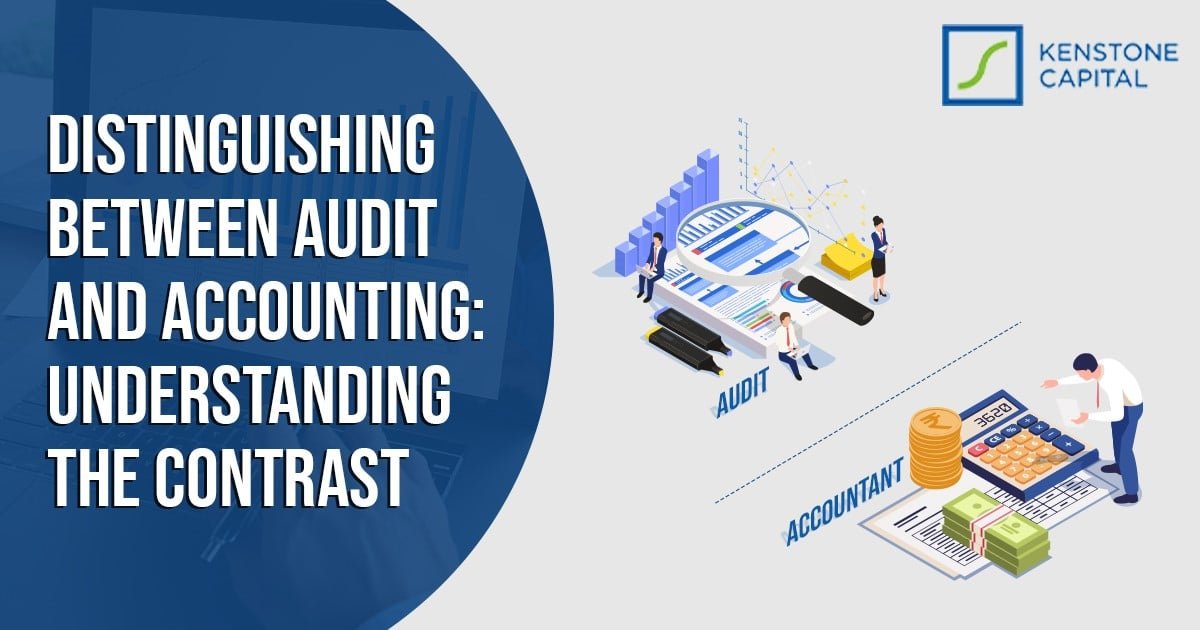
  • Distinguishing Between Audit and Accounting: Understanding the Contrast

    Distinguishing Between Audit and Accounting: Understanding the Contrast

    Distinguishing Between Audit and Accounting: Understanding the Contrast

    In the complex world of finance, two integral functions often interwoven but distinctly different are auditing and accounting. Both play pivotal roles in ensuring financial health and compliance, yet they serve unique purposes. In this blog post, we will delve into the contrasting realms of audit and accounting, shedding light on their individual roles and significance.

    Understanding Accounting:

    Accounting serves as the backbone of financial management. It involves the systematic recording, summarizing, and analyzing of financial transactions of an organization. Accountants are responsible for creating financial statements, such as the balance sheet, income statement, and cash flow statement. These statements provide a comprehensive overview of a company’s financial performance, position, and cash flows.

    Accounting is forward-looking, helping businesses make informed decisions based on historical data. Accountants use generally accepted accounting principles (GAAP) or international financial reporting standards (IFRS) to ensure consistency and transparency in financial reporting.

    Key Responsibilities of Accountants:

    Recording financial transactions

    Preparation of financial statements

    Budgeting and forecasting

    Financial analysis

    Compliance with accounting standards

    Understanding Audit:

    On the other hand, auditing is a systematic examination of an organization’s financial statements, records, and operations. The primary goal of an audit is to provide an independent and objective assessment of the accuracy and reliability of financial information. Auditors ensure that financial statements present a true and fair view of a company’s financial position.

    Auditing can be internal or external. Internal auditors work within an organization to assess internal controls and identify areas for improvement, while external auditors are independent professionals hired to express an opinion on the fairness of financial statements.

    Key Responsibilities of Auditors:

    Examination of financial statements

    Verification of financial records

    Assessment of internal controls

    Compliance with auditing standards

    Reporting findings and recommendations

    Contrasting the Two:

    While accounting focuses on the day-to-day financial activities of an organization, auditing is concerned with the verification and validation of the accuracy of financial information. Accountants are involved in the preparation of financial statements, while auditors review and scrutinize those statements for accuracy and compliance.

    Conclusion:

    In summary, accounting and auditing are complementary yet distinct disciplines within the financial landscape. Accountants create the financial narrative of an organization, ensuring accuracy and adherence to accounting standards. Auditors, on the other hand, act as financial detectives, providing an external, unbiased evaluation of the financial information. Understanding the clear distinction between audit and accounting is crucial for businesses aiming to maintain financial transparency, regulatory compliance, and long-term sustainability. Both functions are indispensable for a robust financial ecosystem, working hand in hand to ensure the integrity and reliability of financial information.

    Frequently Asked Questions (FAQs)

    1. What is the main difference between accounting and auditing?
    Accounting involves recording and preparing financial information, while auditing examines and verifies that information for accuracy and compliance.

    2. Can a company function without auditing?
    While small businesses might operate without formal audits, auditing is essential for larger organizations to ensure transparency, detect errors or fraud, and build stakeholder trust.

    3. Who performs accounting and auditing?
    Accounting is handled by accountants within or hired by the organization, whereas auditing is conducted by internal auditors or independent external auditors.

    4. What standards do accountants and auditors follow?
    Accountants follow standards like GAAP or IFRS, while auditors follow auditing standards such as ISA (International Standards on Auditing) or GAAS.

    5. Why is auditing important for businesses?
    Auditing ensures financial statements are accurate and reliable, helps prevent fraud, and increases confidence among investors, regulators, and stakeholders.

  • Exploring the 5 Benefits of Taking a Personal Loan

    Exploring the 5 Benefits of Taking a Personal Loan

    Exploring the 5 Benefits of Taking a Personal Loan

    Personal loans have become a versatile financial tool that can offer a range of benefits to individuals in need of extra funds. Whether it’s for consolidating debt, funding a home renovation, or covering unexpected expenses, personal loans can provide a much-needed financial cushion. In this article, we will delve into five key benefits of taking a personal loan and how they can positively impact your financial situation.

    Debt Consolidation and Interest Savings

    One of the most significant advantages of a personal loan is its potential to consolidate high-interest debts. If you have multiple credit card balances or other high-interest loans, a personal loan can help you merge them into a single monthly payment with a potentially lower interest rate. This consolidation not only simplifies your financial obligations but also reduces the total interest you pay over time. By switching to a fixed-rate personal loan, you can create a structured repayment plan and potentially save a substantial amount of money on interest.

    Flexible Use of Funds

    Unlike specific-purpose loans (like auto or home loans), personal loans offer the flexibility to use the funds as you see fit. Whether you need to cover medical expenses, plan a dream vacation, invest in a business venture, or address a home repair, a personal loan provides the financial freedom to allocate the funds based on your priorities. This flexibility makes personal loans a versatile option for various life situations.

    Quick Access to Funds

    In times of urgency or when unexpected expenses arise, personal loans can provide a lifeline due to their relatively quick approval process. Online applications and digital lending platforms have streamlined the loan application process, enabling borrowers to access funds faster than traditional lending methods. This quick access to funds can be a game-changer in emergency situations, offering peace of mind and financial stability when you need it most.

    Credit Score Improvement

    Proper management of a personal loan can positively impact your credit score. When you make timely payments on your personal loan, you demonstrate responsible financial behavior to credit reporting agencies. Over time, this can help improve your credit score, making it easier for you to qualify for better loan terms and interest rates in the future. A strong credit score can also extend to other areas of your financial life, such as securing a mortgage or obtaining favorable insurance rates.

    Predictable Repayment Structure

    Personal loans typically come with a fixed interest rate and a predetermined repayment schedule, making it easier to budget and plan for monthly payments. This predictability contrasts with credit cards, which often have variable interest rates and minimum payments that can fluctuate. By opting for a personal loan, you gain a clear understanding of your repayment obligations from the outset, ensuring you can manage your finances more effectively.

    Conclusion

    Personal loans offer a range of benefits that can significantly impact your financial well-being. From debt consolidation and interest savings to flexible fund usage and credit score improvement, these loans provide a valuable tool for managing various financial needs. As with any financial decision, it’s essential to research and compare different lenders and loan terms to find the best fit for your specific circumstances. When used wisely, a personal loan can serve as a powerful tool to enhance your financial stability and achieve your goals.

  • Unveiling 5 Key Examples of AI in Finance You Should Know in 2025

    Unveiling 5 Key Examples of AI in Finance You Should Know in 2025

    Unveiling 5 Key Examples of AI in Finance You Should Know in 2025

    As the world hurtles towards an increasingly digital future, the financial industry is undergoing a profound transformation. Artificial Intelligence (AI) has emerged as a driving force behind many of these changes, revolutionizing the way financial institutions operate, analyze data, and make decisions. In 2023, AI’s impact on finance is more pronounced than ever before, and this article highlights five key examples that showcase its transformative power.

    Algorithmic Trading and Market Prediction

    Algorithmic trading has been a staple in the financial industry for years, but AI has taken it to new heights. Machine learning algorithms can analyze vast amounts of market data in real time, identifying patterns and trends that might be beyond human perception. AI-driven trading systems can execute trades in milliseconds, capitalizing on market movements that traditional methods might miss. Furthermore, AI’s predictive capabilities aid in forecasting market behavior, allowing traders to make informed decisions and manage risks more effectively.

    Fraud Detection and Prevention

    Financial institutions are under constant threat from fraudsters seeking to exploit vulnerabilities in payment systems and transactions. AI-powered fraud detection systems are trained to recognize abnormal patterns in financial activities, enabling them to flag potentially fraudulent transactions for further scrutiny. These systems continuously learn from new data, becoming more adept at identifying emerging threats and adapting to the evolving tactics of cybercriminals.

    Credit Scoring and Lending Decisions

    Traditional credit scoring models often rely on historical data, which might not capture an individual’s current financial situation accurately. AI algorithms can assess a broader spectrum of data, including social media activity, online behavior, and even psychometric factors, to create a more holistic picture of a borrower’s creditworthiness. This approach enhances the accuracy of lending decisions and allows financial institutions to extend credit to individuals who might have been overlooked by traditional methods.

    Personalized Financial Advice

    AI-driven robo-advisors are transforming the landscape of financial advisory services. These platforms use algorithms to analyze an individual’s financial goals, risk tolerance, and market conditions, creating personalized investment strategies. Users can access these services at a fraction of the cost of traditional financial advisors, making investment advice more accessible to a wider range of people.

    Customer Service and Chatbots

    AI-powered chatbots are revolutionizing customer service in the financial sector. These virtual assistants can handle routine customer inquiries, process transactions, and provide account information 24/7. Natural language processing allows these bots to understand and respond to customers’ questions in a conversational manner, enhancing the customer experience while reducing the workload on human agents.

    Conclusion

    In 2023, the integration of AI in finance has reached a new level of sophistication, fundamentally altering the way financial institutions operate and serve their clients. From algorithmic trading that capitalizes on market trends to personalized financial advice accessible to anyone, AI’s influence is pervasive and transformative. As AI continues to evolve, it will undoubtedly reshape finance even further, creating a more efficient, secure, and inclusive financial landscape for individuals and businesses alike

  • 7 Frequently Asked Questions About Instant Personal Loans Online

    7 Frequently Asked Questions About Instant Personal Loans Online

    7 Frequently Asked Questions About Instant Personal Loans Online

    In today’s fast-paced world, financial needs can arise unexpectedly. Instant personal loans have emerged as a convenient solution to address urgent financial requirements. With the advent of online lending platforms, obtaining an instant personal loan has become easier than ever. If you’re considering applying for an instant personal loan online, you might have several questions in mind. In this article, we’ll answer seven frequently asked questions about instant personal loans online to help you make informed decisions.

    What is an Instant Personal Loan?

    An instant personal loan is a type of unsecured loan that provides quick access to funds for various personal needs, such as medical emergencies, travel expenses, debt consolidation, or home repairs. These loans are called “instant” because the application process is streamlined, and approval and disbursement of funds occur rapidly, often within hours or a few business days.

    How do Instant Personal Loans Online Work?

    Online lending platforms facilitate the entire loan application process, eliminating the need for lengthy paperwork and in-person visits to a bank or lender. Borrowers can fill out an application form online, provide necessary documents, and submit them for review. The lending platform uses algorithms to assess the applicant’s creditworthiness and risk profile. Once approved, the funds are transferred directly to the borrower’s bank account.

    What are the Eligibility Criteria for Instant Personal Loans?

    Eligibility criteria vary among lenders but generally include factors such as age (typically 21 to 60 years old), income stability, credit score, and residency status. Lenders may also require proof of identity, address, and income, such as salary slips or bank statements. Meeting these criteria increases the likelihood of loan approval.

    How Is the Loan Amount Determined?

    The loan amount you qualify for depends on factors like your income, credit score, and existing financial obligations. Lenders assess your repayment capacity to determine a suitable loan amount. It’s important to borrow only what you need and can comfortably repay to avoid overextending yourself financially.

    What Is the Interest Rate for Instant Personal Loans?

    Interest rates for instant personal loans can vary widely based on the lender, your creditworthiness, and prevailing market rates. Generally, interest rates for unsecured personal loans tend to be higher than those for secured loans like home or auto loans. Comparing rates from different lenders can help you secure a more favorable deal.

    What Is the Repayment Tenure?

    Repayment tenures for instant personal loans are typically shorter than those for other types of loans. They usually range from a few months to a couple of years. Borrowers can choose a tenure that suits their financial situation, but it’s essential to balance monthly installments with your ability to repay on time.

    Can I Get an Instant Personal Loan with a Bad Credit Score?

    While having a good credit score increases your chances of approval and favorable terms, some online lenders specialize in offering instant personal loans to individuals with lower credit scores. These loans might come with higher interest rates or stricter terms. It’s advisable to improve your credit score over time to access better loan options.

    Conclusion

    Instant personal loans online provide a convenient and swift solution for urgent financial needs. Understanding the basics of how these loans work, their eligibility criteria, interest rates, and repayment terms is crucial before applying. Always research and compare multiple lenders to find the best possible terms that align with your financial situation and goals. Remember, responsible borrowing and timely repayment are key to maintaining a healthy financial profile.

  • Credit Risk Management: Framework and Strategies

    Credit Risk Management: Framework and Strategies

    Credit Risk Management is a critical aspect of the financial industry that involves identifying, measuring, and mitigating the potential risks associated with extending credit to borrowers. Lenders, banks, and financial institutions face credit risk when they lend money to individuals, businesses, or governments. The failure of borrowers to repay their debts can have significant adverse effects on the financial stability and profitability of the lending institutions. Therefore, having an effective credit risk management framework and employing sound strategies is essential for the success and resilience of any financial institution. This comprehensive guide explores the key components of credit risk management and delves into the strategies that can be employed to minimize credit risk exposure.

    Credit Risk Management Framework

    1. Risk Identification

    The first step in credit risk management is identifying the potential risks associated with extending credit. This involves evaluating the creditworthiness of borrowers, understanding their financial health, and assessing the overall economic conditions that may impact their ability to repay loans. Various factors, such as credit history, income stability, industry risks, and macroeconomic indicators, are considered during this stage. Credit analysts play a vital role in this process, conducting thorough due diligence to determine the risk profile of borrowers.

    2. Risk Measurement

    Once the risks are identified, the next step is to quantify the level of credit risk. This is typically done using credit scoring models and credit rating agencies. Credit scoring models analyze borrower information and assign a numerical score that reflects their creditworthiness. On the other hand, credit rating agencies assign credit ratings to borrowers based on their financial strength and ability to meet debt obligations. These measures help lenders differentiate between low-risk and high-risk borrowers, allowing them to set appropriate terms and conditions for credit extension.

    3. Risk Monitoring

    Credit risk is not static, and it can change over time due to various factors like economic conditions, industry performance, and borrower behavior. Continuous monitoring of credit exposures is vital to identify early warning signs and potential credit deterioration. Risk monitoring involves tracking key credit metrics, conducting stress tests, and staying up-to-date with relevant market trends and regulatory changes. Regular portfolio reviews and scenario analyses help lenders identify potential credit risks in their portfolios and take appropriate actions to mitigate them.

    4. Risk Mitigation

    Mitigating credit risk involves implementing strategies and measures to reduce the potential impact of default by borrowers. Here are some common risk mitigation techniques:

    a. Diversification

    Diversifying the credit portfolio across various borrowers, industries, and geographic regions helps reduce concentration risk. A well-diversified portfolio is less susceptible to the adverse effects of a specific borrower or industry facing difficulties.

    b. Collateral and Guarantees

    Collateral and guarantees provide lenders with additional security in case of borrower default. By pledging assets or obtaining third-party guarantees, lenders can recover part or all of the outstanding debt in case of default.

    c. Credit Risk Transfer

    Financial institutions can transfer credit risk through securitization, credit derivatives, and credit insurance. Securitization involves pooling loans into securities and selling them to investors, while credit derivatives allow institutions to buy or sell credit protection against specific credit events.

    5. Risk Acceptance and Pricing

    Not all credit risks can be eliminated or mitigated. Some level of risk is inherent in lending activities. Risk acceptance involves setting appropriate risk appetite levels and deciding which risks are acceptable and align with the institution’s overall business strategy. Furthermore, lenders need to price credit products appropriately to reflect the level of risk they are assuming. This ensures that the institution is compensated for the risks it takes.

    6. Risk Reporting and Governance

    An effective credit risk management framework requires a robust risk reporting and governance structure. Regular reporting on credit risk exposures, risk trends, and risk management actions is essential for senior management and the board of directors to make informed decisions. Furthermore, strong governance ensures that credit risk management strategies and practices are consistent with regulatory requirements and internal policies.

    Credit Risk Management Strategies

    Credit Scoring Models

    Credit scoring models are statistical tools that assess the creditworthiness of borrowers based on various factors such as credit history, income, employment stability, and outstanding debts. These models assign a credit score to each borrower, indicating their credit risk level. Lenders can use credit scoring models to make informed decisions on credit approvals, loan terms, and interest rates.

    2. Stress Testing

    Stress testing involves simulating adverse scenarios to evaluate how credit portfolios would perform under different economic conditions. By subjecting the portfolio to severe economic downturns, lenders can assess the potential impact on their credit risk exposures and identify vulnerabilities in their credit risk management strategies.

    3. Early Warning Systems

    Implementing early warning systems helps lenders identify signs of potential credit deterioration before it becomes severe. By monitoring key credit metrics and borrower behavior, lenders can take timely actions, such as initiating discussions with borrowers, restructuring loans, or setting aside provisions for potential losses.

    4. Risk-Based Pricing

    Risk-based pricing is a strategy where lenders charge higher interest rates and fees to higher-risk borrowers to compensate for the increased credit risk they pose. This encourages borrowers to maintain good credit behavior and provides lenders with additional compensation for taking on higher levels of risk.

    5. Portfolio Diversification

    As mentioned earlier, portfolio diversification is a crucial strategy for reducing credit risk. By spreading credit exposure across a variety of borrowers and industries, lenders can avoid heavy reliance on a single borrower or sector and minimize the impact of defaults on their overall portfolio.

    6. Continuous Monitoring and Review

    Credit risk management is an ongoing process that requires continuous monitoring and review of credit exposures and market conditions. Regular reviews allow lenders to adjust their credit risk management strategies as needed to align with changing economic conditions and borrower profiles.

    Conclusion

    Credit risk management is a vital component of the financial industry, and effective risk management practices are essential for the stability and success of lending institutions. A comprehensive credit risk management framework involves risk identification, measurement, monitoring, mitigation, and reporting. By employing sound credit risk management strategies such as credit scoring models, stress testing, early warning systems, risk-based pricing, and portfolio diversification, lenders can make informed decisions, minimize credit risk exposure, and enhance their overall financial resilience.

    FAQs

    1) What is credit risk management?

    Credit risk management is the process of identifying, measuring, monitoring, and reducing the risk that a borrower will fail to repay a loan or meet their financial obligations. Banks, NBFCs, and businesses use credit risk management frameworks to protect their financial stability and minimize losses from defaults.

    2) What are the main types of credit risk?

    The three main types of credit risk are default risk (a borrower fails to repay), concentration risk (excessive exposure to a single borrower or industry), and counterparty risk (the other party in a financial transaction fails to fulfill its obligation). Each requires a different mitigation strategy.

    3) What is a credit risk management framework?

    A credit risk management framework is a structured system that helps lenders and businesses identify potential credit risks, measure exposure, monitor borrower behavior over time, and implement strategies to reduce potential losses. It typically includes risk identification, measurement, monitoring, mitigation, and reporting.

    4) What is the difference between credit risk and market risk?

    Credit risk refers to the possibility that a borrower will not repay a debt, directly impacting the lender. Market risk, on the other hand, refers to losses caused by changes in market conditions such as interest rates, currency values, or stock prices. Both are key concerns for financial institutions, but require different management approaches.

    5) How does portfolio diversification reduce credit risk?

    Portfolio diversification reduces credit risk by spreading loan exposure across multiple borrowers, industries, and geographic regions. This way, if one borrower or sector defaults, it does not severely impact the overall portfolio. A well-diversified credit portfolio is more resilient to economic downturns and sector-specific shocks.