Blog

  • B2B DEBT COLLECTION: 5 MAJOR RISKS OWNERS AND AR MANAGERS SHOULD BEWARE OF

    B2B DEBT COLLECTION: 5 MAJOR RISKS OWNERS AND AR MANAGERS SHOULD BEWARE OF

    In the high-stakes world of Business-to-Business (B2B) commerce, cash flow isn’t just a metric on a spreadsheet; it is the very oxygen that keeps the lights on, and the payroll met. While selling a product or service feels like a win, the transaction isn’t truly complete until the funds hit your bank account.

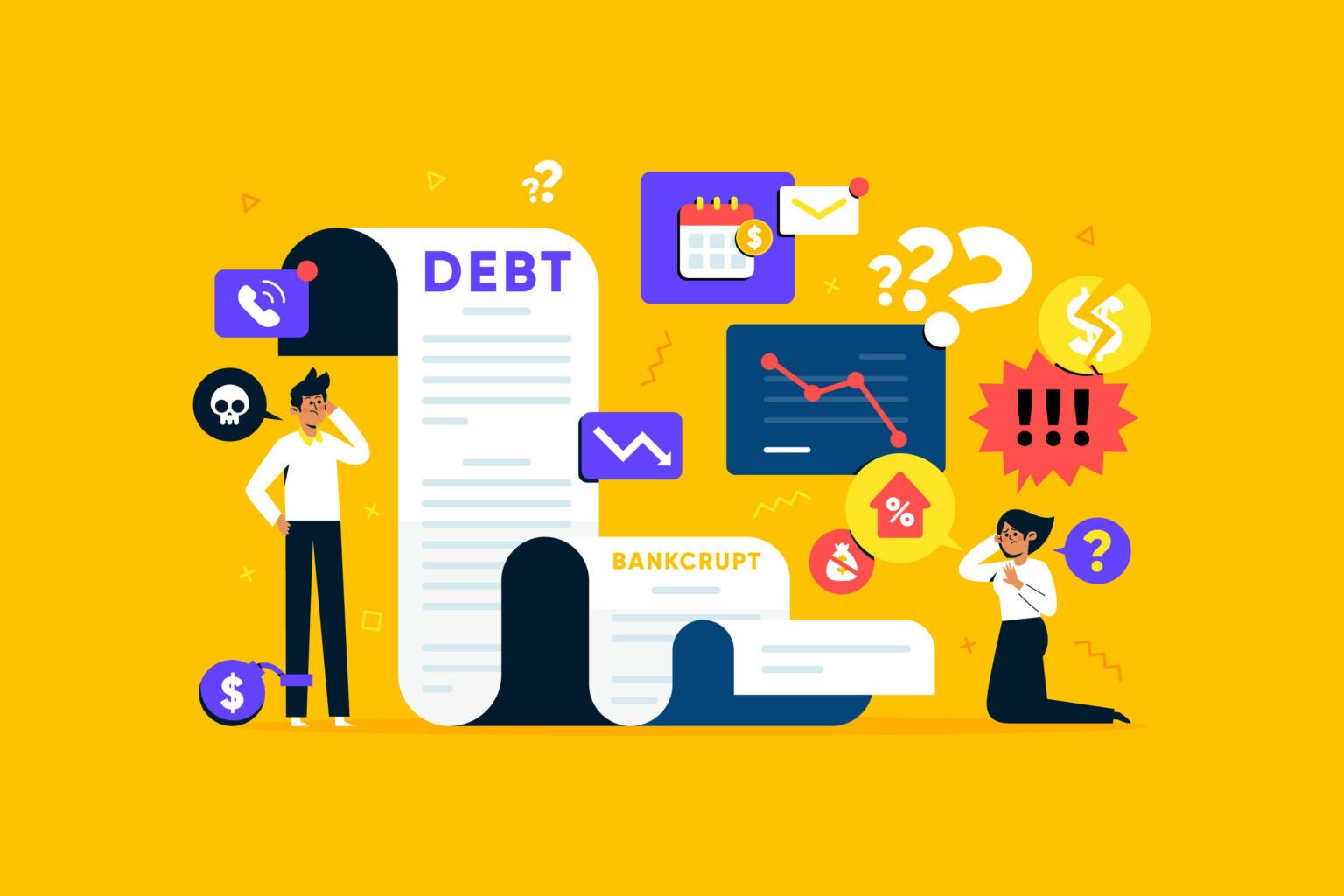
    B2B debt collection is a vastly different beast compared to consumer collections. It involves higher stakes, more complex contracts, and professional negotiation tactics. When payments stall, the ripple effects can be devastating. For business owners and Accounts Receivable AR) managers, understanding the pitfalls of debt recovery is the first step toward safeguarding your company’s future. Poor debt collection doesn’t just hurt your monthly revenue; it can permanently damage your reputation and, in extreme cases, threaten your very survival.

    What Makes B2B Debt Collection Different?

    The primary difference between B2B and B2C collections lies in the volume and the value. While a B2C company might deal with thousands of small transactions, a B2B firm often relies on a smaller pool of clients with much larger transaction values.

    Furthermore, B2B interactions are heavily relationship-driven. You aren’t just collecting from a customer; you are often collecting from a long-term partner. This creates a delicate balancing act: how do you stay firm enough to get paid without burning a bridge that could provide future revenue? Because the financial and reputational risks are magnified, your Credit Risk Mitigation strategy must be far more sophisticated than a simple “pay now” reminder.

    Danger #1: The Niche Trap – A Limited Customer Base

    Many B2B businesses operate in specialized, niche markets. In these close-knit industries, word travels at lightning speed. If your collection practices are viewed as overly aggressive, unprofessional, or disorganized, that news can spread through industry circles faster than a viral tweet.

    The Brand Reputation Risk

    Mishandling a single collection case can quickly erode your market share. If you gain a reputation for being difficult to work with during financial disputes, potential clients may choose your competitor instead. This is why Dispute Resolution must be handled with a blend of professional tact and legal precision. You must protect your Asset Protection interests without appearing predatory to the rest of the industry.

    Danger #2: Industry-Specific Risks and the Domino Effect

    B2B companies are uniquely vulnerable to external shocks. Whether it is a sudden change in Debt Collection Laws, a shift in government regulations, or a supply chain bottleneck, these factors can cause Cash Flow Volatility across an entire sector.

    The Domino Effect

    When one major player in an industry experiences Payment Delinquency, it creates a chain reaction. Their suppliers can’t pay their vendors, who in turn can’t pay you. This systemic Liquidity Risk means that your financial health is often tied to the Financial Solvency of companies you’ve never even met. Without a proactive Credit Limit Policy in place to flag these industry shifts early, your business could be caught in a downward spiral that is entirely out of your control.

    Danger #3: Higher Financial Stakes

    In the B2B world, there is a heavy “risk concentration.” Because you likely have fewer clients than a retail store, your dependency on key accounts is massive.

    The Weight of a Single Contract

    While a $100 unpaid bill in B2C is a nuisance, a single unpaid $100,000 contract in B2B can be “crippling.” This makes thorough Credit Analysis non-negotiable. Before extending credit, you must vet the client’s Commercial Credit Report and evaluate their Credit Score to ensure they have the capacity to pay. If you fail to do this, you might eventually be forced into a Bad Debt Write-off, which directly eats into your net profit and weakens your Working Capital Management.

    Danger #4: Professionalism vs. Professionalism in Negotiations

    When you attempt to collect a debt from a consumer, you are usually dealing with an individual. In B2B, you are up against trained professionals- Accounts Payable teams, savvy CFOs, and experienced business owners who know every trick in the book to delay payment.

    The Complexity of the Ask

    Negotiations are rarely straightforward. You may face strategic resistance where debtors leverage their importance to your business to buy more time. Furthermore, if a debtor enters bankruptcy, you find yourself in a frantic race against banks and secured creditors for a piece of a shrinking pie. Navigating Collection Agency Regulation and preparing for potential Legal Recovery requires a level of expertise that goes far beyond a standard follow-up call.

    How to Mitigate These Risks

    To survive these dangers, you need a robust framework that moves beyond “reactive” collections.

    1. Strict Credit Policies: Establish a clear Credit Limit Policy for every new client. Don’t be afraid to say no to a high-risk deal.
    2. Clear Terms: Ensure your contracts clearly outline payment expectations, interest on late payments, and the steps for Legal Recovery.
    3. Trade Credit Insurance: Consider investing in Trade Credit Insurance to protect your accounts receivable against the risk of a major client’s insolvency.
    4. Balance Firmness with Empathy: Use a professional third party if the relationship is too valuable to risk, but the debt is too large to ignore.

    Best Practices for B2B Debt Collection

    Effective management is about visibility and timing. You should be obsessed with two metrics: Accounts Receivable Aging and Days Sales Outstanding (DSO). The longer a debt sits, the less likely it is to be recovered.

    1) Early Intervention: Don’t wait 90 days to call. A friendly “reminder” call three days after a missed deadline can prevent a minor delay from becoming a major delinquency.

    2) Regular Monitoring: Use technology to track your receivables in real-time. If you see a client’s payment patterns changing, investigate their Financial Solvency immediately.

    3) Documentation: Keep an iron-clad paper trail of every invoice, email, and phone call. This is vital if you ever need to move toward formal legal action.

    Conclusion:

    In the B2B landscape, bad debt is common, but it is not inevitable. By recognizing the unique dangers-from niche market reputation risks to the high financial stakes of large contracts-you can build a defense-in-depth strategy.

    Proactive Working Capital Management and a disciplined approach to Credit Analysis will ensure that your business remains liquid and resilient. Remember, the goal isn’t just to make the sale; it’s to ensure the money actually makes it home. Stay vigilant, stay professional, and treat your accounts receivable with the same strategic importance as your sales pipeline.

    FAQs

    1) What is the most effective way to lower Days Sales Outstanding?

    The most effective way is a combination of automated reminders, offering multiple payment methods, and conducting a rigorous Commercial Credit Report check before onboarding.

    2) When should I involve a collection agency?

    If a debt passes the 60-90 day mark and your internal Accounts Payable communication has been ignored, it is time to look into a firm that understands Collection Agency Regulation to handle the recovery professionally.

    3) How does Payment Delinquency in B2B differ from consumer debt?

    In B2B, the financial stakes are significantly higher, and the relationship is often more complex because you are dealing with Accounts Payable professionals rather than individuals. A single instance of Payment Delinquency on a large contract can create immediate Liquidity Risk for your company, which is why having Trade Credit Insurance and a clear path for Legal Recovery is essential for business stability.

    4) When should I consider a Bad Debt Write-off for an unpaid invoice?

    Bankruptcy or a Bad Debt Write-off should be your last resort after you have exhausted all avenues of Dispute Resolution and professional collection efforts. Usually, this happens when a debtor enters bankruptcy, or the cost of Legal Recovery outweighs the actual value of the debt. Regularly reviewing your Accounts Receivable Aging report helps you identify these high-risk accounts early before they cripple your Working Capital Management.

  • Credit Fraud vs Identity Theft: What’s the Difference and Why It Matters

    Credit Fraud vs Identity Theft: What’s the Difference and Why It Matters

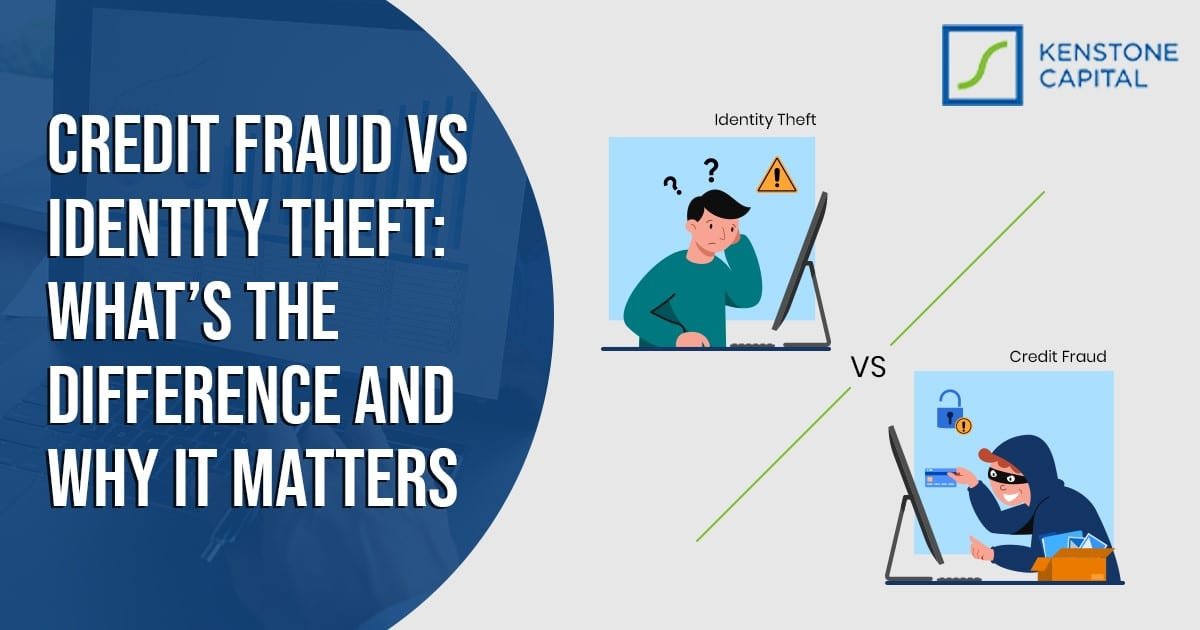
    Most people find out something is wrong with their credit by accident. A loan gets rejected. A bank calls about a payment they never made. A credit card shows up that they never applied for. That moment of confusion usually leads to two words people hear a lot but rarely understand clearly: “credit fraud” and “identity theft.” They sound similar. They are connected. But they are not the same thing.

    Knowing the difference can save your credit score, your time, and a lot of stress.

    What Credit Fraud?

    Credit fraud happens when someone uses your credit profile to borrow money or make purchases without you knowing. This shows up directly on your credit report. You may see a credit card you never requested. A personal loan you never applied for. Inquiries from lenders you never contacted. Your score may drop for no clear reason.

    In most cases, people discover this while checking their report with CIBIL (TransUnion CIBIL) and noticing accounts that do not belong to them. Credit fraud is visible on paper. It damages your credit history first.

    What Identity?

    Identity theft is bigger. It starts before credit fraud and often leads to it. This is when someone gets hold of your personal details and pretends to be you. Your PAN. Aadhaar. Phone number. Email. Bank details. Sometimes, even access to your SIM card.

    At first, you may notice small things. OTP messages you did not request. Emails about password changes. Your SIM is suddenly losing signal. Calls from lenders asking about applications you never made. These signs are easy to ignore. That delay gives scammers time to misuse your identity for loans and credit cards. Identity theft is the root problem. Credit fraud is often the result.

    The Key Difference: Credit Fraud vs Identity Theft

    BasisCredit FraudIdentity Theft
    What is misusedYour credit profileYour personal identity
    Where you notice itCredit reportPhone, email, bank, credit
    ImpactCredit score damageFinancial and legal risk
    First signUnknown loans or cardsSuspicious activity everywhere
    RecoveryDispute with bureauDispute with the bureau

    If you only focus on credit fraud, you may miss the identity theft happening behind the scenes

    Warning Signs of Credit Fraud on Your Credit Report :

    When you review your report, watch for:

    • Loans you never applied for
    • Credit cards you never requested
    • Addresses you never lived at
    • Multiple enquiries from lenders
    • Sudden drop in credit score
    • Accounts marked as overdue that are not yours

    These are clear signals that someone has misused your credit identity.

    Warning Signs of Identity Theft

    These signs usually appear before credit fraud becomes visible:

    • OTP messages for services you didn’t request
    • Calls from lenders about applications you never made
    • Your SIM card suddenly stops working
    • Emails about password changes
    • KYC alerts you didn’t initiate
    • Unknown bank transactions

    Most people ignore these early warnings. That delay gives scammers time to create bigger financial damage.

    How Identity Theft Turns Into Credit Fraud

    Here is how it typically happens step by step:

    1. Your personal data gets leaked through phishing, fake apps, or data breaches
    2. The scammer gains access to your mobile number or email
    3. They use your PAN and Aadhaar to complete digital KYC
    4. They apply for instant loans or credit cards
    5. The loan gets approved because everything matches your identity
    6. The default appears on your credit report

    By the time you see the problem, your credit score has already dropped.

    What To Do Immediately If You Notice Either

    Speed matters. The faster you act, the easier recovery becomes.

    Step 1: Check your credit report
    Download your latest report from CIBIL (TransUnion CIBIL) and identify all suspicious entries.

    Step 2: Raise a dispute with the bureau
    Report the fraudulent account as “Not Mine” with supporting proof.

    Step 3: File a complaint on the National Cybercrime Portal
    This creates an official record of identity theft.

    Step 4: Inform the bank or lender
    Ask them to mark the account as fraud and stop recovery action.

    Step 5: Consider placing a credit freeze
    This prevents new loans from being approved in your name.

    How to Protect Yourself from Credit Fraud and Identity Theft

    Prevention is easier than recovery.

    • Check your credit report at least once every month
    • Never share PAN or Aadhaar on unknown websites
    • Avoid clicking on loan ads on social media
    • Use strong passwords and two-factor authentication
    • Do not share OTPs with anyone
    • Be cautious when giving documents for KYC
    • Use credit monitoring alerts

    Most fraud cases happen because people assume it won’t happen to them.

    Why Understanding the Difference Matters

    If you treat credit fraud as the only problem, you fix the symptom, not the cause.

    When you recognize identity theft early:

    • You can stop new loans from being opened
    • You can secure your mobile, email, and banking access
    • You reduce long-term credit damage
    • Recovery becomes faster and less stressful

    This knowledge alone can save months of dispute and thousands of rupees.

    Final Checklist to Keep Your Credit Profile Safe

    • Review your credit report regularly
    • Act immediately on unknown activity
    • Secure your mobile number and email
    • Report identity theft without delay
    • Dispute fraudulent entries quickly
    • Freeze your credit when not applying for loans

    Your credit score is part of your financial identity. Protect it like you protect your bank account.

    FAQs

    1. What are the most common types of online credit fraud?

    Online credit fraud usually includes phishing scams, fake websites, identity theft, and unauthorized transactions. Fraudsters often trick users into sharing sensitive details like OTPs, CVV numbers, or login credentials through emails, messages, or fake links.

    2. How can I protect myself from credit card fraud while making online payments?

    You can stay safe by using trusted websites with secure “https” connections, avoiding public Wi-Fi, and never sharing your OTP or PIN with anyone. Regularly checking your transaction history also helps detect suspicious activity early.

    3. Is it safe to save card details on websites?

    Saving card details can be convenient, but it increases risk if the platform is not secure. It is safer to store your information only on trusted websites and avoid saving details on unknown or rarely used platforms.

    4. What should I do if I become a victim of online credit fraud?

    Immediately inform your bank or card issuer and block your card to prevent further loss. You should also report the incident and monitor your account closely for any unauthorized transactions.

    5. Why is avoiding public Wi-Fi important for financial safety?

    Public Wi-Fi networks are often unsecured, making it easier for hackers to intercept sensitive data like card details or passwords. Using a private and secure network significantly reduces the risk of fraud.

  • Six Steps for Successful Credit Risk Management

    Six Steps for Successful Credit Risk Management

    In today’s volatile economy, implementing a robust Credit Risk Management strategy is essential for any financial institution or business looking to maintain long-term stability. At Kenstone Capital, our dedicated Credit Risk Management page highlights how we help entities navigate the complexities of lending. By adopting a modern credit risk management process, companies can effectively identify potential defaults before they impact the bottom line. Whether you are searching for a comprehensive credit risk management solution or refining your internal credit risk assessment process, utilizing the right tools of credit risk management is the key to sustainable growth and securing your Cash Flow Stability.

    What is Credit Risk Management?

    Credit risk refers to the possibility of loss due to a borrower’s inability to repay any debt. An effective management framework limits losses by checking whether a bank’s capital is in line with its provisions for expected credit losses at any given time.

    Obstacles to Effective Credit Risk Management

    Without the right tools of credit risk management, banks and FIs face several hurdles:

    • Lack of group-wide risk modeling: Prevents a global view of risk across the institution.
    • Inefficient data management: Slow manual processes delay credit decisions.
    • Portfolio Concentration Risk: Inability to recognize when too much risk is tied to a single sector or group.

    Six Elements of Successful B2B Credit Risk Management

    1) Know your customer

    The first phase of the 8-step credit risk management process is a deep dive into the identity and financial health of your partners. A thorough Customer Creditworthiness Assessment for both new and existing clients is the only way to prevent unexpected late payments.

    2) Get to Know the Sector

    Changes in market leaders or growth prospects directly influence the loans you grant. Understanding these shifts helps you maintain Cash Flow Stability by adjusting your exposure to volatile industries.

    3) Robust Automated Credit Scoring

    Modern businesses must move away from manual spreadsheets. Implementing Automated Credit Scoring allows you to rate companies based on payment history and revenue, instantly separating stable partners from high-risk ones

    4) Set Realistic Credit Limits and Terms

    By using Risk-Based Payment Terms, you can reduce exposure to uncertain clients. This might include shortening payment windows or requiring prepayments for companies with lower scores.

    5) Financial Solvency Analysis

    While annual accounts offer a historical view, a real-time Financial Solvency Analysis is necessary to see current equity and profit trends. This ensures your data isn’t outdated or “window-dressed.”

    6) The Right Credit Limit Protocol

    In a fast-paced market, Credit Decision Automation is the key to competitive advantage. Establishing a standardized Credit Limit Protocol ensures that quick decisions are backed by accurate risk data, reducing the chance of human error.

    Conclusion

    The manual methods of the past cannot handle today’s complexities. By digitizing their approach and utilizing professional Debt Recovery Solutions, businesses can automate their workflows, improve ROI, and secure their long-term financial health.

    Frequently Asked Questions (FAQs)

    1) What is B2B Credit Risk Management, and why is it important?

    It is the process of evaluating the financial risk associated with extending credit to other businesses. It is vital because it protects your company from bad debt and ensures Cash Flow Stability.

    2) How does an Automated Credit Scoring system work?

    Automated Credit Scoring uses algorithms to analyze a borrower’s financial history and payment trends, providing a risk score instantly for faster Credit Decision Automation.

    3) What are the key tools of credit risk management?

    Primary tools include scoring models, Financial Solvency Analysis software, and dashboards that track Portfolio Concentration Risk.

    4) How can I perform a Customer Creditworthiness Assessment effectively?

    A successful assessment involves reviewing financial statements and credit bureau reports and evaluating the “5 Cs of Credit”: Character, Capacity, Capital, Collateral, and Conditions.

    5) What is a Credit Limit Protocol?

    A Credit Limit Protocol is a standardized set of rules and workflows an organization follows to determine, approve, and adjust credit limits based on risk data.

      1. AI and Automation in Debt Collection: Benefits and Concerns

        AI and Automation in Debt Collection: Benefits and Concerns

        AI and Automation in Debt Collection: Benefits and Concerns

        In recent years, the debt collection industry has undergone a massive digital transformation in collections, fueled by breakthroughs in AI and debt collection. These tools, including debt collection software and debt recovery technology, aim to simplify operations while boosting efficiency and the overall debtor experience. However, merging AI debt management with automation for debt collection brings up serious concerns that need a closer look to keep things ethical. This post dives into the perks and the pitfalls of AI in debt collections.

        Benefits of AI and Automation in Debt Collection

        Enhanced Efficiency and Productivity

        Using collection automation and automated debt recovery lets systems take over the boring, repetitive stuff like sending out reminders or managing paperwork. By leaning on debt recovery automation, human staff can focus on the tricky cases, which boosts total output. Since automated systems run 24/7, no time is wasted, and debtors get updates exactly when they need them.

        Improved Accuracy

        Small human mistakes can totally ruin recovery efforts. AI in debt collection fixes this by crunching huge data sets with pinpoint precision to avoid errors in debtor info or payments. Using debt collection automation tools like Corefactors keeps the whole process fair and strictly follows the law.

        Personalized Communication

        Modern AI debt collection looks at debtor data to build custom communication plans that fit specific needs. By figuring out a person’s financial situation and how they like to talk, AI generates messages that actually get results. This custom touch, often seen in accounts receivable automation, makes the debtor feel less like a number and increases the odds of repayment.

        Cost Reduction

        Shifting to automation for debt collection cuts down on the need for a massive team, which saves a lot of money. These extra funds from b2b debt collection wins can be put back into better training or tech upgrades to help the whole business grow.

        Data-Driven Decision Making

        With predictive analytics, AI can spot patterns in how people pay. This data-driven recovery gives agencies the insights they need to build better strategies and fix problems before they get out of hand.

        Real Concerns to Keep in Mind

        Ethical Considerations

        The need for ethical AI is huge because unmonitored systems might get too aggressive. We have to make sure AI and debt collection programs follow strict rules so they don’t cause unnecessary stress for people already struggling.

        Data Privacy and Security

        Since debt collection software holds sensitive financial details, these systems have to be ironclad. Agencies must put money into top-tier cybersecurity to keep debtor data safe from hackers or leaks.

        Loss of Human Touch

        While collection automation is fast, it can feel a bit cold. Real people bring empathy to the table that AI just can’t copy. Finding a middle ground between automation for debt collection and real human talk is the only way to make sure debtors feel respected.

        Algorithmic Bias

        AI is only as good as the data it learns from, and sometimes that data carries old biases. This can lead to unfair treatment based on race or gender. For example, a 2019 study on healthcare algorithms found that neutral-looking data actually led to lower care scores for Black patients compared to white patients with the same needs. Similar risks exist in finance, where historical gaps can lead to harsher collection triggers for minority groups if we don’t audit the code.

        Regulatory Compliance

        This industry is buried in rules, and any debt recovery technology or automated debt recovery tool has to follow them perfectly. If AI in debt collection slips up, it leads to massive fines and a ruined reputation.

        Conclusion

        AI and automation bring huge wins like better efficiency and data-driven recovery. But we can’t ignore the risks. Focusing on ethical AI and privacy is the only way to make AI in debt collections actually work long-term. By mixing new tech with a sense of responsibility, agencies can use debt collection automation to get better results for everyone involved.

        Frequently Asked Questions

        1) What is automated debt recovery? 

        It is the use of debt recovery technology to handle the busywork of collecting payments. Through collection automation, the system sends notices and tracks payments on its own, so the process never stops.

        2) How does AI help b2b debt collection?

        In b2b debt collection, relationships matter most. AI in debt collection uses data-driven recovery to figure out the best time to reach out to a business client so you get paid without ruining the partnership.

        3) Why use predictive analytics?

        This feature in debt collection software helps you guess who is actually going to pay. It lets you focus your energy on high-priority accounts instead of wasting time on dead ends.

        4) Is accounts receivable automation worth the cost? 

        Definitely. Accounts receivable automation slashes the hours spent on manual entry and follow-ups. Moving to automation for debt collection means you can handle more work without hiring more people.

        5) How do you keep AI debt collection ethical?

        It starts with ethical AI programming. By setting limits on how often the system contacts someone and using empathetic language, AI in debt collections can be much more respectful than old-school methods.

        6) Can I use tools like Corefactors with this?

        Yes, Debt collection automation works best when synced with a CRM like Corefactors. It ensures all your debtor info is current and accurate across the board.

        7) Does debt recovery technology follow the law? 

        The best debt recovery technology has compliance built right in. It knows the legal hours to call and the right things to say, so your AI and debt collection efforts don’t get you sued.

        8) Why is data-driven recovery the future? 

        Old methods use the same plan for everyone, which usually fails. Data-driven recovery uses AI debt collection to treat every person differently based on their specific situation, which leads to faster payments.

      2. What is an APR and Definition, Calculation and Types

        What is an APR and Definition, Calculation and Types

        Knowing​‍​‌‍​‍‌​‍​‌‍​‍‌ what APR means helps you to see clearly what you are really paying when you borrow money. One of the most common mistakes people make is to rely on the interest rate only when choosing a loan. However, the APR is the one that really discloses the cost as it is a net figure that combines the interest with all the other charges.

        Many times, consumers feel confused after they have been informed that the loan will cost them more once the fees are taken into account. The main reason for that confusion is that interest rates, by themselves, do not represent the total cost of the loan. The APR concept fills in this gap by summing up all the compulsory charges in one annual percentage. It becomes a lot easier to compare different financial products from various banks and realize which offer is the most beneficial.

        APR Full Form and Meaning

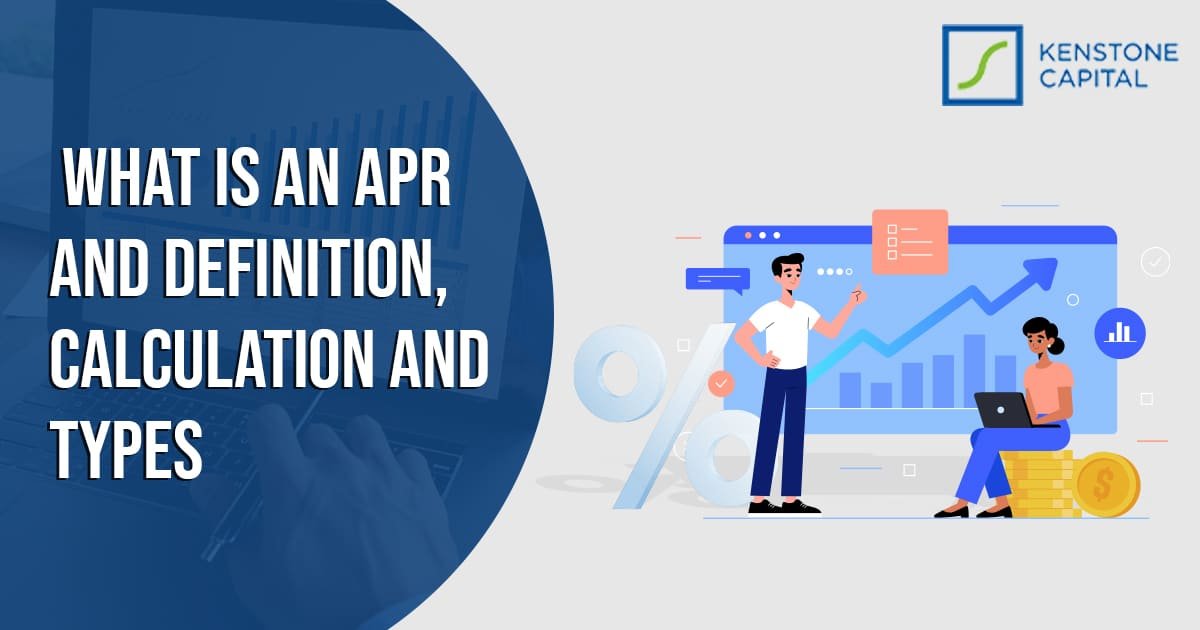
        The full form of APR is Annual Percentage Rate. In financial terms, the meaning of APR is the total yearly cost you incur for using borrowed money. APR takes into consideration several items apart from a regular interest rate. It comprises items such as processing fees, administrative charges, documentation fees, and if there is an insurance bundle, related costs, and any other obligatory payment made to the lender.

        This wider calculation aims at making the process more transparent. Simply stated, the meaning is the explanation that it provides. It is a kind of borrower protection from extremely low but misleading interest rates that look attractive at first but tend to have hidden extra costs. Whenever you check out a loan offer, you will truly know what your annual cost will be if you look at the ​‍​‌‍​‍‌​‍​‌‍​‍‌APR.

        What​‍​‌‍​‍‌​‍​‌‍​‍‌ does APR Mean in Banking?

        APR (annual percentage rate) in banking is the most important thing that a bank must show when it makes a credit offer. Often, the financial institution that cites its rate does not show everything. The interest rate only indicates the cost of borrowing the principal, while APR incorporates every cost that is required to get that loan.

        Say, two banks offer a home loan at the same interest rate, but one of the banks that charges high processing fees and insurance premiums will have the higher APR. This makes APR a standardized yardstick for comparing credit contracts. It is a consumer protection measure that facilitates the fair evaluation of borrowing costs across various lenders.

        What Is APR in Loans?

        APR in loans is the yearly equivalent of the real cost of loans. The moment you request a personal, home, car, or education loan, the lender in charge will come up with an APR that will reflect the whole expense. To be honest, even if the interest rate looks attractive, the APR can still be very high due to the existence of some other costs.

        Besides the interest on the principal amount, including the amount of processing, verification, documentation, and valuation fees for the home and service tax if applicable, the lenders shall not forget to reflect this provision through the APR fraction. This loan cost disclosure becomes a guide for borrowers to know and estimate their repayment obligations.

        This issue gains more importance in the case of long loans. A little difference in APR can result in very high inequated payments over several years. Let us say, the difference between 10 percent and 11 percent APR on a long-term home loan may turn into thousands of rupees down the road.

        What Is APR in Credit Cards

        Credit cards usually have the highest APR in consumer credit because they are unsecured and risky for lenders. APR is the first thing to consider on credit cards that are left unpaid. If you are the type of person who pays in full every month, you are free from the scandal of APR. But if you are the one who keeps a balance, then the APR is the one that decides how much you will be charged.

        As far as credit card APR is concerned, it is broken down into segments. Purchase APR is what you are charged when you make regular purchases. Cash advance APR is what you are charged when you use your card to get some cash, and it is very high most of the time. Balance transfer APR is the rate applied to the card you use for transferring the balance from another account. Penalty APR is the rate charged on the missed payments. Each segment serves as an indicator of risk for the lender.

        Knowing APR on credit cards can help you in managing your finances, avoiding unnecessary debt, and keeping the interest charges ​‍​‌‍​‍‌​‍​‌‍​‍‌down.

        Difference​‍​‌‍​‍‌​‍​‌‍​‍‌ Between Interest Rate and APR

        The difference between the interest rate and the APR is a point that confuses a lot of people. The interest rate is the rate that applies to the cost of the principal amount that is borrowed. By APR, it is understood the aggregated cost of the credit, which includes the interest and every other obligatory fee.

        For example, a SBI personal loan is granted with an interest rate of 12%. There is a processing fee of 2%, some miscellaneous charges, and the APR could be as high as 14%. That bigger number shows the real amount that someone disburses every year.

        In case of a loan product with very few extra charges, there is a chance that the APR and the interest rate will be almost the same. But this situation is rare. Most loan products come with several charges which make APR a more accurate and complete cost indicator.

        How APR Is Calculated

        APR is calculated by multiplying the periodic interest rate by the number of periods in a year in which it was applied. It does not indicate how many times the rate is actually applied to the balance.

        APR= [((Fees + Interest) ÷ Principal) ÷ n] × 365 × 100

        This​‍​‌‍​‍‌​‍​‌‍​‍‌ formula exemplifies the total financial effect of a loan. Each element of the formula has a specific function in uncovering the actual borrowing cost.

        Fees

        Fees are the sum of all the compulsory charges, for instance, processing charges, administrative fees, documentation charges, valuation fees and any other costs that the lender may have added. These fees are the main reason why the APR is significantly influenced, as they are added to the interest to show the total cost.

        Interest

        Interest is the total amount paid to the lender in return for borrowing the principal amount. It is the cumulative interest paid over the entire period of the loan that is included in the amount. It is the largest part of the APR calculation because it is the main cost of borrowing.

        Principal

        The principal is the original loan amount. In the formula, fees and total interest are divided by the principal to get the cost in relation to the amount borrowed. The APR will be lower if the principal is high and the fees are low. The APR goes up significantly if the fees are high in relation to the ​‍​‌‍​‍‌​‍​‌‍​‍‌principal.

        There are differences in APR among lenders due to the fact that the ways in which they calculate their fees vary. It is always a good practice for borrowers to get the APR figure instead of just relying on the advertised interest rates.

        Imagine a scenario where a person takes out a loan of 100,000 for one year and the interest rate is 10%. The processing fee is 2,000, and the documentation fee is 1,000. Even though the interest rate advertised is 10%, the APR will be higher as it takes into account an extra 3,000 that the lender is charging. This example of APR demonstrates that the interest rate alone is insufficient to grasp the entire cost.

        The comparison of APR examples in everyday situations reveals that the differences can be significant. Two loans with the same interest rate can have different APRs because of the way lenders structure their ​‍​‌‍​‍‌​‍​‌‍​‍‌fees.

        Types​‍​‌‍​‍‌​‍​‌‍​‍‌ of APR

        APR varies in different types, and each type is designed for a specific purpose depending on the type of financial product used. Knowing these categories helps the borrowers to figure out credit cards, loans, and financial offers more clearly. As APR is the actual cost of borrowing, understanding its different forms can be a great help in making financial decisions that are not only wise but also predictable.

        Fixed APR

        Fixed APR does not change for the entire period of the loan. It is a kind of APR, which is very supportive of those borrowers who are in need of stability and can foresee the outcome. If the rate keeps steady, you can always be sure of your monthly obligation. That makes budgeting easier because your monthly payment will not be influenced by a change in the market.

        A fixed APR can be found mostly in personal loans, car loans, and some long-term instalment products wherein lenders commit to a stable repayment plan. The main benefit is that the borrowing cost is kept at the same level and the borrower is freed from the risk of uncertainty.

        Variable APR

        Variable APR is associated with market-oriented benchmarks such as the prime rate or other financial indexes. When those benchmarks change, the APR also adjusts accordingly (increases or decreases). Since it depends on the outside financial situation, variable APRs have a certain degree of unpredictability.

        This kind of APR is usually the case with credit cards and loans with an adjustable interest rate. When the market situation is good or getting better, borrowers can enjoy low rates. Nevertheless, in times of financial unrest, the very same APR can go up to such an extent that borrowing gets more expensive. Although a variable APR may turn out to be a cheaper option in certain cases, it is the borrower’s responsibility to keep up with the market trend and the possible rate changes.

        Purchase APR

        Purchase APR is the one, which is charged for the ordinary purchases made with a credit card. In the case that you employ your credit card for the purchase of groceries, payment of bills, or online shopping, the interest rate associated with the transaction will be the purchase APR. This APR is therefore the direct cause of the expenditure made by those who are carrying a balance from month to month.

        In case the balance is not paid off before the due date, the interest is charged based on the purchase APR. Many lenders provide interest-free grace periods; however, borrowers who fail to make a payment within the window may incur interest at a rapid pace. It is very important to know the purchase APR of your credit card because it is the factor, which determines how expensive your usual spending would be if unpaid balances are carried over.

        Cash Advance APR

        Cash advance APR is the one, which is charged when a borrower takes out cash via a credit card. Unlike normal purchases, the interest on cash advances usually starts to accumulate straight away, and there is no grace period. That is the reason this is considered the most expensive way of borrowing on a credit card.

        The reason for a higher rate is that cash advances are considered riskier and are unsecured. Meanwhile, apart from the high APR, the borrower may also have to pay a cash advance fee, thus, the total amount increases even more. To be on the safe side, cash advances should only be used when there is no other option and be kept to a minimum due to their expensive nature.

        Balance Transfer APR

        This is the APR, which is charged when a borrower transfers the outstanding balances from one credit card to another. Most of the credit card issuers provide balance transfer promotional APRs, which are much lower for an initial period. These deals are the relief to the borrowers who want to consolidate their debt and save up the interest in a limited time.

        The end of the promotional period is the point at which the balance transfer APR goes back to normal. It is very important to know both the promotion and the regular APR before making a decision on the transfer. On the one hand, balance transfer APRs can do a lot of good, especially when you are in a position to reduce the existing debt, on the other hand, if not properly managed, you might face sudden interest once the promotional term ends.

        Penalty APR

        Penalty APR is a type of higher interest rate that is imposed when a borrower breaks the terms of a credit card or loan agreement. Common triggers include non-payment, late payments, and returned payments. Penalty APRs are quite a few times higher than normal APRs and often account for the highest limit of what lenders are allowed to charge by law.

        A penalty APR exists to make good the lenders for the extra risk that comes with the erratic payment behavior of the borrower. Those who are affected by a penalty APR might find it harder to pay the monthly installments because, with the sudden increase in borrowing costs, their budgets will be tighter. The reminder to keep on the safe side, and the expensive penalty category should not be faced is to always make your payments on time.

        Why APR Matters

        The importance of APR is that it shows the total cost of borrowing, that includes the interest and other fees.

        Many borrowers concentrate on the interest rate that is being advertised. However, it is the APR that gives them a much clearer idea of what they are supposed to pay in total during the lifetime of the loan. At times, a loan or a credit card may look affordable at first with a low-interest rate, but there might be some hidden charges that would increase the total cost. APR is doing away with this problem by giving a standard unit to be used for comparison.

        With knowledge of APR, borrowers will be able to compare various financial products accurately. It also allows for exact repayment planning as it gives you an idea of how much you owe and for how long. In most cases, a lower APR is a sign of borrowing at a lower cost. Still, the difference between the two APRs, even if they are quite close, can greatly influence the total cost of the loan, especially if we are talking about long-term commitments like mortgages or multi-year loans.

        APR knowledge is a consumer’s weapon to make the right choices, to stay safe from unpleasant financial surprises, and to pick those products that are in line with their long-term ​‍​‌‍​‍‌​‍​‌‍​‍‌goals.

        How​‍​‌‍​‍‌​‍​‌‍​‍‌ APR Affects Borrowers

        APR has a hand in repayment amounts, EMIs, affordability, and even financial planning at large. The rise of APR causes a rise in the cost of borrowing. That, however, affects one’s budget, debt burden, and savings.

        A good credit score usually allows a borrower to get lower APR offers. On the other hand, people with lower credit scores can get higher APRs as they are considered risky. So, it becomes very important for a person to manage his/her credit score in order to cut down on the cost of the loan.

        Besides that, APR is a major factor in consumers’ decisions. Those borrowers who are aware of APR generally opt for the right financial products and refrain from taking loans on a whim.

        APR vs APY

        There is a difference between APR and APY, just as there is between a lion and a tiger. APR is a measure of how much a borrower has to pay in interest if they get a loan, while APY shows the amount of money that a saver gets in interest over a year when compounding is involved.

        The term APR does not consider compounding, whereas APY does. Knowing the difference between them enables people to make more precise comparisons when they are deciding between saving or borrowing.

        Ways to Get a Lower APR

        The borrower’s P&L statement is the key to their APR reduction. On the other hand, lenders are more inclined to promote better rates to the more trustworthy borrowers. Some of the best ways to cut down on your APR are to raise your credit score, keep a steady income, pay down your debts, ask your lender for better terms, and shop around for rate offers.

        Prequalification can be a means of getting a clear picture of the lenders ready to give out low APRs. On-time repayment history can lead to lower borrowing costs in the future.

        Mistakes on APR That Borrowers Usually Make

        Among a lot of mistakes, the one that most people make is to think that the lowest interest rate shown is the one they should accept. This leads to them making decisions in a blind way. Another problem that these people have is that they do not account for extra charges. Moreover, borrowers do not care about whether their APRs are fixed or variable, which results in unexpected changes to their repayment amounts.

        Failing to compare APRs from different lenders hampers the borrowing process and makes it difficult for borrowers to find suitable options. Limiting oneself to just looking at monthly EMI calculations without thinking of the general APR also brings about misjudgment.

        Frequently Asked Questions (FAQs)

        1) What is APR in simple terms?

        APR is the yearly cost of borrowing money, including the interest and other charges.

        2) Does APR include all fees?

        Yes, APR covers all the necessary fees: processing charges, documentation charges, and administrative costs.

        3) Is APR the same as an interest rate?

        No. APR has an interest rate and additional fees rolled into it. An interest rate is simply the cost of borrowing the principal.

        4) Is a lower APR always better?

        Lower APR means less borrowing cost and that is normally better for a borrower. Nevertheless, the borrower should be cautious about hidden clauses.

        5) How does APR affect credit card payments?

        In cases of partial credit card payments, it is APR that figures out the interest to be charged on the remaining balance.

        6) Are loans always having different APR and interest rate?

        Yeah, mostly, loans will have varying APR and interest rate figures since fees are mostly taken into account.

        7) Can you negotiate APR with a lender?

        Yes, in most situations, borrowers with good credit profiles may ask for lower APR rates.

        8) How can I reduce my APR?

        You can lessen the APR by working on your credit score, planting good habits in your debt situation, and looking at various lenders before deciding on ​‍​‌‍​‍‌​‍​‌‍​‍‌one.

      3. What Does Creditworthiness Mean and How Can You Improve It?

        What Does Creditworthiness Mean and How Can You Improve It?

        Today,​‍​‌‍​‍‌​‍​‌‍​‍‌ creditworthiness represents more than a mere figure in your financial world. It shows that you are dependable, financially disciplined, and likely to handle debts in the right way. In the case of a loan application, a business credit line request, or even renting an office, your creditworthiness is the first criterion of trust from a lender or a partner.

        However, the term creditworthiness is still quite unclear to many people. What does it entail? How is it evaluated? And the most significant question is, how to improve it? We can start by answering these questions and then finding out how both individuals and businesses can use creditworthiness as a vehicle to achieve their ​‍​‌‍​‍‌​‍​‌‍​‍‌goals.

        Understanding the Meaning of Creditworthiness

        Essentially,​‍​‌‍​‍‌​‍​‌‍​‍‌ creditworthiness is a measure of the ability of a person or a business to give back money that has been borrowed. It ranks the likelihood of you paying off your promises of money at the right time, judging from your past credit history, repayment habits, and your general financial status.

        Creditworthiness of an individual is mostly figured out by a credit score- a three-digit number which is the result of credit bureaus analyzing your financial records. The evaluation for a business is through a Company Credit Information Report, which is the record of the past transaction history, current liabilities, financial statements, and public records.

        With a strong creditworthiness profile, you can obtain more attractive financial products, enjoy reduced interest rates, and be granted higher credit limits. Conversely, a low credit profile can cause you to be under the ceiling of borrowing and will result in lenders becoming reluctant to entrust you with their ​‍​‌‍​‍‌​‍​‌‍​‍‌funds.

        Why Creditworthiness Matters

        How​‍​‌‍​‍‌​‍​‌‍​‍‌ Creditworthiness Is Assessed

        Creditworthiness is a complex judgement, which is determined by lenders and financial agencies through various factors. In order to assess risks, they combine both qualitative and quantitative measures for their consideration.

        1. Credit History:

        This is essentially your borrowing and repayment behavior history. If you have late payments, defaults, or have excessively used your credit cards, your profile will be adversely affected. On the other hand, a long and consistent track record of making payments on time is the best way of gaining lenders’ trust.

        2. Credit Score:

        Credit score (which ranges from 300 to 900) is one of the most important factors for people. Generally, a score that is above 750 can be regarded as excellent. The score is determined on the basis of payment history, credit utilization, credit history length, credit mix, and recent inquiries.

        3. Income and Repayment Capacity:

        Besides, your income level and job stability are very important factors as well. The lenders, after looking at your income, evaluate if they can grant you a new loan without any financial problems arising.

        4. Debt-to-Income Ratio (DTI):

        DTI is a measure that shows what portion of your income is allocated to debt repayment. Having a low DTI ratio is an indication of sound financial condition and, hence, creditworthiness.

        The very personal and business creditworthiness of the holder of the records listed here will be lowered considerably by these misses: defaults, bankruptcies, and court judgments.

        6. Business Financials (for Companies):

        Creditors look through a firm’s balance sheets, income statements, and cash flow records to ensure the business can continue to operate while paying off its ​‍​‌‍​‍‌​‍​‌‍​‍‌debts. If you want to check how financially trustworthy your company appears to lenders, you can explore the Company Credit Information Report in India by Kenstone Capital. It provides detailed insights into your company’s credit profile, helping you identify areas that need improvement before approaching financial institutions.

        How Creditworthiness Is Assessed

        Creditworthiness is mainly determined by potential lenders and credit agencies through a combination of several factors. They look at both quantitative and qualitative data to measure the level of risk involved.

        1. Credit History:

        This is all about your past borrowings and repayments. If you have the habit of making late payments, defaulting or have excessively high balances on your credit cards, your profile will be hurt. If you have a long history of making payments on time, this is what lenders will rely on to trust you.

        2. Credit Score:

        The credit score (from 300 to 900) is probably the most important indicator for individuals. Usually, a score above 750 is regarded as excellent. The score is made up of payment history, credit utilization, length of credit history, types of credit, and recent inquiries.

        3. Income and Repayment Capacity:

        Your money situation and job security are equally important factors. Lenders decide if, through your income, you can still safely take on new loans.

        4. Debt-to-Income Ratio (DTI):

        DTI calculates the proportion of a person’s income that goes to pay off a debt. A smaller DTI ratio indicates better financial standing and suggests that one is worthy of credit.

        Issues such as defaults, bankruptcies, or court judgments have the power to reduce creditworthiness, whether it is personal or business-related.

        6. Business Financials (for Companies):

        Commercial lenders examine the primary financial statements, such as the balance sheet, income statement, and cash flow report, to understand whether a business can maintain its operations and also repay its ​‍​‌‍​‍‌​‍​‌‍​‍‌debts.

        Common Factors That Can Damage Creditworthiness

        Even responsible individuals or companies can sometimes experience a dip in their credit scores due to overlooked factors. Some common reasons include:

        • Missing or delaying credit card or loan payments
        • High credit utilization (spending close to the credit limit)
        • Applying for multiple loans or credit cards within a short time
        • Defaulting on EMIs
        • Not maintaining a diverse mix of credit (secured and unsecured)
        • Errors in credit reports that go unnoticed

        For businesses, irregular cash flow, unpaid vendor dues, and delayed statutory payments can also lower credit ratings.

        How to Improve Your Creditworthiness

        Building and maintaining creditworthiness takes time, but it’s entirely achievable with consistent effort. Whether you’re an individual or a business, these steps can help you strengthen your financial credibility.

        Pay Your Bills on Time:

        Timely payment of EMIs, credit card bills, and utility dues has the most significant impact on your creditworthiness. Automating payments or setting reminders can help avoid accidental delays.

        Reduce Outstanding Debts:

        Try to bring down your credit card balances and close off small, inactive loans. Lowering your overall debt burden improves your debt-to-income ratio and increases your score.

        Maintain a Low Credit Utilization Ratio:

        Ideally, use less than 30% of your total available credit limit. A high utilization ratio suggests dependency on borrowed funds, which may raise concerns among lenders.

        Monitor Your Credit Report Regularly:

        Regular monitoring helps detect errors or fraudulent activities early. If you notice discrepancies, you can raise a dispute and have them corrected promptly.

        Avoid Frequent Loan Applications:

        Each loan or credit card application triggers a “hard inquiry” that slightly lowers your credit score. Space out your applications and apply only when necessary.

        Maintain Older Credit Accounts:

        Long-standing accounts demonstrate your history of managing credit responsibly. Closing them may shorten your credit history, which can affect your score.

        Diversify Your Credit Portfolio:

        A balanced mix of secured (home loans, auto loans) and unsecured credit (credit cards, personal loans) reflects your ability to handle different types of debt effectively.

        If you’re struggling to improve your score on your own, you can get guidance from a Credit Score Repair Agency like Kenstone Capital. Their experts help analyze your credit report, identify problem areas, and implement a personalized plan to restore your financial reputation.

        Creditworthiness for Businesses

        For companies, creditworthiness goes beyond personal credit scores; it’s a broader assessment of financial discipline and operational stability. Investors, vendors, and financial institutions rely heavily on company credit reports before extending partnerships or funding.

        A business’s creditworthiness can be improved by:

        • Paying vendors and creditors on time
        • Keeping debt levels manageable
        • Maintaining accurate and transparent financial statements
        • Avoiding unnecessary borrowing
        • Regularly reviewing the company’s Credit Information Report

        By maintaining a clean business credit profile, companies not only gain easier access to loans but also attract better collaborations, investors, and opportunities for growth.

        If you’re unsure how your business currently stands, a detailed Company Credit Information Report in India can help you identify weak spots and take corrective actions.

        How Monitoring Creditworthiness Should Become a Habit

        Monitoring creditworthiness is not merely for those applying for loans in the moment; it’s a habit that can help lead readers to a more stable financial position in the long run. If your score drops suddenly, this might indicate that you missed a payment (which is easy to do in today’s busy digital world) or that your credit or your identity has been compromised.

        When you check your reports several times a year, you experience both the peace of mind of knowing your state of financial affairs and the opportunity to intervene relatively quickly if something is amiss or poorly measured.

        In Conclusion

        Creditworthiness is a critical indicator of your financial reliability. Creditworthiness is how you demonstrate to many others, a large spectrum of individuals, that you can manage money effectively and securely. Creditworthiness will impact all your financial decisions, from getting your first credit card or bank account to taking on a multimillion-dollar remodel for your company or home.

        With monitored discipline and trustworthiness to remain transparent in financial affairs and regular monitoring of credit, you can improve credibility and open doors to greater financial opportunities.

        If you’re ready to understand your company’s financial standing in detail, start by obtaining your Company Credit Information Report in India.

        And if you’re facing challenges with a low credit score, don’t wait. Connect with Kenstone Capital’s Credit Score Repair Agency to rebuild your financial credibility with expert guidance.

        Strong creditworthiness is your gateway to smoother financial journeys, faster approvals, and a more confident financial future.

        Frequently Asked Questions (FAQs)

        1. What exactly does “creditworthiness” mean?

        Think of creditworthiness as your financial reputation. It’s a measure that lenders use to decide how likely you are to pay back borrowed money on time. They look at your past behavior, like whether you pay bills promptly and how much debt you already have, to see if you’re a “safe” person or business to lend to.

        2. How is my creditworthiness different from my credit score?

        Your credit score is a specific three-digit number (usually between 300 and 900) that acts as a snapshot of your history. Creditworthiness is the “big picture.” It includes your score, but also looks at your current income, job stability, and your Debt-to-Income Ratio (DTI) to see if you can actually afford a new loan right now.

        3. Why should I care about my creditworthiness if I don’t need a loan today?

        Even if you aren’t looking for a loan, your credit profile matters. Landlords check it before renting you an office or apartment, and some employers look at it during the hiring process. Plus, having a strong profile ready to go means you’ll get faster approvals and lower interest rates the moment you need financial help.

        4. What is a “good” credit score in India?

        Generally, a score of 750 or above is considered excellent. Anything in this range tells lenders that you are highly disciplined with your money. If your score is below 600, you might struggle to get approved, or you’ll end up paying much higher interest rates.

        5. Can my business have its own creditworthiness separate from mine?

        Yes! Businesses have their own profile tracked through a Company Credit Information Report in India. While your personal habits matter (especially for small startups), lenders will eventually focus on the company’s balance sheets, cash flow, and how consistently the business pays its own vendors and taxes.

      4. WHAT IS FINANCIAL LITERACY? 5 ESSENTIAL COMPONENTS OF FINANCIAL LITERACY

        WHAT IS FINANCIAL LITERACY? 5 ESSENTIAL COMPONENTS OF FINANCIAL LITERACY

        Financial literacy is basically knowing how to handle your money smartly in real life. It’s about understanding key ideas and actually using them to manage your personal finances better, build a solid base, and reach your goals without falling into big money traps, especially here in India, where things like loans, investments, and everyday banking can get tricky fast.

        What does financial literacy really cover?

        • Budgeting your day-to-day cash
        • Borrowing wisely (like loans or credit cards)
        • Investing your savings
        • Handling taxes
        • Overall personal money management

        Why do you even need it?

        In today’s world, knowing the basics can shield you from serious money stress. It helps you make solid choices on things like credit cards, student loans, home loans, health insurance, or investments, so you avoid nasty surprises and stay in control.

        Here are the five key pieces most people agree make up good financial literacy:

        1) Getting the hang of budgeting:

        The foundation is learning to create and stick to a budget. It’s simpler than it sounds, especially with apps these days that do a lot of the heavy lifting, even if numbers aren’t your thing. Think of it as splitting your income into four big buckets: spending, saving, investing, and maybe giving some away. Find the right balance, and you’ll know exactly where your money goes, pay bills on time, stash some aside, and set yourself up for more security down the road.

        2) Understanding interest rates:

        This one’s huge. Get how interest works (especially compound interest) and you’ll make way smarter calls on borrowing or investing. It can mean the difference between paying off a small loan quickly or getting stuck paying way more for years. Knowing rates diversification risk and basic market stuff helps your money grow instead of shrinking.

        3) Managing debt properly:

        Almost everyone borrows at some point, whether it’s a credit card personal loan car loan, or something else. But debt can quickly become the biggest roadblock to your goals if you don’t handle it right. Learn about things like repayment timelines, compound interest, and loan structures. Build a plan and pay things off efficiently, and you’ll cut down on long-term headaches.

        4) Making saving a priority:

        Savings act like a safety net for emergencies or unexpected stuff. Sadly, a lot of folks skip this step until it’s too late. Start small, build the habit early, and use it for both short-term wants and bigger future goals. The earlier you begin, the stronger your financial muscles get over time.

        5) Avoiding credit and debt traps:

        Building a good credit score (like your CIBIL score in India) takes time and effort, but messing it up is way too easy. Once it’s damaged, fixing it is a pain. Understand how credit works early, avoid the cycles of bad borrowing, and use a solid score to your advantage for better loans or rates later. If you’ve had setbacks, focus on repairing them so you can get back on track.

        How important is this knowledge really?

        Super important for long-term stability. Without it, people often end up with crushing debt, bad credit, or even bigger problems like bankruptcy or losing a home. Poor choices from not knowing better can snowball fast.

        The real upsides of getting financially literate

        • You make smarter money decisions overall
        • You handle cash and debt much better
        • Reaching goals like buying a house or retiring comfortably feels doable
        • You save more by cutting unnecessary spending
        • Less stress and more peace of mind since money worries drop
        • You choose things like insurance, loans, or investments more ethically and wisely
        • Budgeting becomes straightforward and effective

        Conclusion:

        Start picking up these skills early. It doesn’t have to be overwhelming, just consistent. Over time, it gives you confidence, control, and a much better shot at financial freedom without the constant anxiety.

        FAQs:

        1. What are the primary financial literacy components every Indian should know?

        The core financial literacy components include mastering budgeting basics, understanding how interest works, managing debt effectively, prioritizing savings, and protecting your credit health. Together, these skills form the foundation of financial wellness in India.

        2. How can I start with budgeting basics if I have no experience?

        To begin with budgeting basics, track your monthly income against your expenses. Use the 50/30/20 rule: allocate 50% to needs, 30% to wants, and 20% to savings or debt repayment. This simple approach is a vital step in personal money management.

        3. Why is understanding interest rates so important for my savings?

        Understanding interest rates allows you to see how much your money can grow over time through compounding. Conversely, it helps you realize the true cost of borrowing, as even a small difference in an interest rate calculation can save you thousands of rupees over the life of a loan.

        4. What are the best debt management strategies to avoid a debt trap?

        Effective debt management strategies include paying off high-interest debts first (the avalanche method) or clearing small balances for quick wins (the snowball method). Consistent, on-time payments are the best way to maintain long-term financial stability.

        5. How does a professional debt recovery solution help businesses?

        For business owners, implementing debt recovery solutions ensures better cash flow and reduces the risk of bad debts. Professional guidance helps in negotiating settlements and recovering outstanding dues without damaging client relationships.

        6. Can you explain the process of CIBIL score repair?

        CIBIL score repair involves identifying and disputing errors on your credit report, such as incorrectly marked defaults or outdated personal info. Once errors are cleared, maintaining low credit utilization and timely repayments will lead to gradual credit score improvement.

        7. How long does credit score improvement typically take?

        Credit score improvement is not overnight; it usually takes 3 to 6 months of disciplined financial behavior to see a significant jump. Regularly monitoring your report and avoiding multiple new loan applications are key to a successful recovery.

      5. Small Business Ideas in India: The Ultimate Startup Guide

        Small Business Ideas in India: The Ultimate Startup Guide

        India’s entrepreneurial landscape is thriving. An increasing number of individuals, particularly college graduates, homemakers, and professionals, are moving away from traditional employment and beginning to build businesses. Many are even exploring credit score repair services to help others improve their Credit Score for Business and unlock better financial opportunities. On the other hand, the resurgence in opportunity for small businesses makes it easier for any individual to take an idea and turn it into an income source with little more than the combination of capital, creativity, and digital tools.

        According to the Ministry of MSME Registration in India, there are approximately 6.3 crore small businesses in India, producing roughly 30% of GDP. Obtaining an Udyam Certificate has become a vital step for these enterprises to access benefits. Employment covers a broad spectrum, covering activities from home food services to digital consultancies, and small businesses employ over 11 crore people. Significantly, the future is small but powerful.

        What we are going to discuss in this article is to share the best small business ideas in India, including the best 10 small business ideas in India, small business ideas for women, and profitable small business ideas from home, and various of the most successful small business ideas that have consistently worked well.

        Why Small Businesses Are Thriving in India

        The last several years have been very favorable for entrepreneurial startups! You’re no longer forced to invest a large amount of money up front to fund a first-time entrepreneur. Technology and social media have made it possible for anybody to be a successful entrepreneur through effective Working Capital Management.

        Two of the factors behind the surge in entrepreneurship include:

        Digital outreach – There are over 850 million Internet users in India today! Businesses can instantly access customers via WhatsApp, Instagram, and marketplaces like Amazon.

        Government support – Government schemes such as Startup India and Mudra Loans make it easy to access financing for small businesses.

        lifestyle changes – Our lives are busier, and urban Indians are mostly convenience-driven. They opt for more convenient services, typically delivered to the home (i.e., tiffin delivery services).

        Growth of female entrepreneurs – females represent a growing percentage of small business owners, with fast growth in the food, fashion, and wellness segments. • Reduced barriers to entry – Many businesses can be started with as little as 20,000 – 50,000 ₹ today.

        Top 10 Small Business Ideas in India

        When asked “What are the best small business ideas in India at the moment?”, the answer usually varies with passion, the capacity to invest, and local trends. However, it is entirely possible to identify solid opportunities that are clearly profitable and can be scaled. Let’s dive into the 10 best small business ideas in India for 2025.

        1. Tiffin Services and Cloud Kitchen

        Food is a need, and in India, it is an emotion. Busy professionals and students are always looking for freshly prepared home-style food that restaurants do not provide, but that has a distinct taste from home. That is why tiffin services and cloud kitchens are thriving. You do not need a big space – many successful ventures start off from a home kitchen and slowly grow from there.

        What is attractive about this business is the recent demand. Once your food is being consumed by customers, if they enjoy it, there is a great likelihood of them subscribing to a weekly or monthly plan. If they exceed the course rate from places like Swiggy and Zomato, if you are scaling out of your neighbourhood, you are going to get there!

        • Investment: ₹20,000 – ₹50,000 for utensils, packaging, and delivery.

        • Target audience: Office workers, bachelors, students.

        • Tip for differentiating and growing: Offer a niche such as organic vegan meals, millet-based meals, and regional cuisine.

        2. Dropshipping & E-commerce

        E-commerce offers immense possibilities, and dropshipping is one of the most inexpensive ways to take advantage of it. The essence of dropshipping is that you will not have stock of any products; whenever you show a product in your online store, you will receive an order, but a supplier handles all the packaging and delivery of the actual product.

        This is why it’s one of the best small business ideas for a young entrepreneur. You only need a laptop, internet access, and basic digital marketing knowledge.

        – Low risk: No need for inventory

        – Scalable: You can start with a small number of items and grow by adding product categories

        – Popular Categories: Fashion, Fitness equipment, Home décor, and Gadgets.

        3. Tutoring and Online Coaching

        Education can never be a bad investment. Tutoring has been among the most successful of all small business ideas in India, and it covers everything, from school subjects to coding, music lessons, or yoga. After the pandemic, online coaching is now a common norm and can be followed with attending an in-person school, so the demand level is not going to slow down.

        Starting an online business costs almost nothing – just skills and a laptop. In addition, several platforms are already available: Vedantu, UrbanPro, or Zoom. There are various options to choose from to teach from anywhere.

        • Subjects that are always in demand: Mathematics, coding, English, and exam preparation.
        • Non-academic subjects: Music, dance, fitness, and life coaching.
        • Bonus: Works as a form of income and can include recorded courses to help scale.

        4. Bakery & HomeMade Snacks

        Indians are crazy about snacking. The snacks market, including packaged and homemade, is worth millions. The range of products you can offer is unlimited – everything from cakes, cookies, and baked goods to healthy snacks, for example, millet-based munchies. Home baking offers the opportunity to start up from home and grow at your own pace.

        Social media, especially Instagram, has become an ideal platform to promote your products. Many home bakers have begun by baking birthday cakes and have evolved into a full-fledged bakery.

        1. Initial investment ₹30,000–₹1,00,000.
        2. Consider a growth option: access to local cafés or supermarkets.
        3. Specialization: vegan or sugar-free, or gluten-free products will appeal to health-oriented consumers.

        5. Salon at Home & Beauty Services

        The beauty and grooming business is a multibillion-rupee industry in India. Many customers are demanding doorstep beauty services, and this is a highly lucrative and honest business, also suited to teams of operators in urban areas. If you have some beauty skills, then a salon at home is one of the most viable small business ideas in India. You will simply need to invest in kits for your business and in marketing. You could potentially start on your own and Google steps to hire a team. Urban Company shows how significant this market may be in comparison to a populous region to serve.

        • Demand: Primarily metro and Tier 1 cities
        • Expansion: Bridal makeup, spa services, nail studio
        • Appetite: Working women, homemakers, students

        6. Digital Marketing Services

        Every small and medium-sized business wants to expand online, but of course, not everyone has the budget to hire big agencies. This creates a huge gap for small digital marketing consultancies. If you have experience in SEO, social media, or ads, then this is one of the best small business ideas for 2025.

        • Setup costs: Almost nothing if you already own a laptop.
        • Clients: Restaurants, gyms, boutiques, training centres.
        • Market demand: SEO for websites, social media shorthand, paid ads, and content creation.

        7. Freelance Writing & Content Creation

        Content is king in the digital age. From blog posts and scripts for videos/courses, to website copy, newsletters, and social media posts, companies need content. Freelance writing is one of the more flexible small business ideas from home, making it a perfect option for any professional who enjoys writing. You can start off by using freelancing platforms to then eventually build long-term clients, and down the line create a content agency.

        • Investment: Minimal to none – access to the internet and some writing tools are all you need.
        • Earnings: ₹20k– ₹1lakh per month (ish) depending on your skills.
        • Expansion possibilities: Video scripts, eBooks, or even ghostwriting.

        8. Plant Nursery & Urban Gardening

        With the growing sense of eco-consciousness, urban gardening is no longer a trend but a fast-moving lifestyle. A small nursery selling plants, seeds, and gardening equipment can yield nice margins and with a range of customers (people, corporates, and even restaurant customers).

        • Popular products: Indoor plants, air purifiers, and herbs.
        • Target audience: Apartments, schools, and hotels.
        • Growth tip: Create gardening workshops as an additional revenue stream.

        9. Event Planning & Decoration

        India loves celebrations. From birthdays and anniversaries to weddings and corporate parties, event planning is always in demand. You don’t need huge capital to start – just creativity, contacts, and organizational skills.

        • Opportunities: Balloon decoration, catering, and stage setups.
        • Expansion: Corporate events, destination weddings.
        • Investment: ₹50,000–₹2,00,000 depending on scale.

        10. Franchise Businesses

        If you don’t want to build from scratch, franchising is one of the safest small business ideas in India. From food chains to fitness studios, franchising gives you a ready-made brand and customer base.

        • Options: Café Coffee Day, Chai Point, coaching centers, and gyms.
        • Advantage: Lower failure rate due to brand recognition.
        • Consideration: Higher investment required compared to other small businesses.

        Small Business Ideas from Home

        The great thing about modern-era entrepreneurship is that you don’t always need an office. Many small business ideas from home offer flexibility alongside low costs.

        Some popular examples include:

        • Handmade crafts or jewelry are sold through Instagram or Etsy.
        • Homemade skincare BEAUTY products, such as soaps and essential oils.
        • YouTube/Instagram influencer business in cooking, finance, or lifestyle.
        • Online thrift stores offering second-hand clothing
        • Virtual assistant services for start-ups.

        These types of businesses are very popular for women and students who would like to own their time as well as make money.

        Small Business Ideas for Women

        Women are spearheading India’s small-business revolution. From food to fashion, women entrepreneurs are building successful brands.

        Some of the best small business ideas for women include:

        • Homemade food businesses (pickles, papads, snacks).
        • Tailoring, boutique, or reselling clothing.
        • Home-based beauty salon.
        • Online coach (music, yoga, academics).
        • Freelance service (content, design, marketing).

        It’s estimated that women-led businesses, according to Bain & Company, could generate 150-170 million jobs by the year 2030 in India – a tremendous impact on the economy.

        Most Profitable Small Business Ideas

        Every small business can succeed if done correctly, but some small business ideas are more successful than others in India:

        • Food & drinks (tiffin, bakery, snacks).
        • Digital services (marketing, tutorials, freelancing).
        • E-commerce stores (dropshipping, handmade).
        • Beauty & wellness (salon, organic skincare, yoga class).

        These four small business ideas are profitable due to a combination of high demand, low barriers to entry & scalability.

        Problems Faced by Small Businesses in India

        Starting a business is easy; sustaining one is much harder. As with any new venture, entrepreneurs experience challenges, including:

        • Finding & competing against established players.
        • Limited access to funding.
        • Complex rules, regulation & compliance (GST registration & MSME registration)
        • Moving to digital marketing solutions.

        The good news is, these challenges are all overcome with proper planning, networking, & knowledge of available resources such as government loans and free online training.

        How to Choose the Best Small Business Idea

        Not all ideas are for everyone. Here are a few points to consider when choosing your small business idea:

        • Does it align with your skills and passion?
        • Does the local market have sufficient demand?
        • Consider starting small with a low investment to minimize risk.
        • Leverage digital marketing to reach customers faster.
        • Choose to scale gradually and not to over-expend early in the process.

        Final Thoughts

        India has a lot of opportunities for entrepreneurs today. Regardless of whether you want to start a small business idea from home, you want to start with the top 10 small business ideas in India, or you are looking to pursue the most successful small business ideas, the concept is the same: start small and think big.

        Every major brand today – Zomato, Nykaa – started as a small idea and, based on hard work and innovation, your small business can become the next success story.

        Frequently Asked Questions (FAQs)

        1. How can I start a business in India with low investment?

        You can leverage government schemes like the Mudra Loan Scheme or look into Collateral-Free Loans for micro-enterprises. Starting with service-based ideas like tutoring or digital marketing also minimizes upfront costs.

        2. What documents are mandatory for a new small business?

        The most critical documents include MSME Registration and a Udyam Certificate. Additionally, ensuring GST Compliance is essential for businesses looking to trade across state lines or work with corporate clients.

        3. How do banks decide on my business loan application?

        Lenders primarily look at your Business Loan Eligibility, which includes your Credit Score for Business and a detailed Project Report for Bank Loan that outlines your expected revenue and expenses.

        4. What is the best way to manage daily business expenses?

        Effective Working Capital Management is key. Many entrepreneurs use Trade Credit from suppliers or a Business Credit Card to manage short-term cash flow and keep operations running smoothly.

        5. How can I get funding if I don’t have assets to pledge?

        You can approach Micro-Finance Institutions or apply for Collateral-Free Loans under various government credit guarantee schemes. For high-growth tech ideas, seeking Angel Investment or Venture Capital is also a viable path.

        6. Is it important to analyze the profitability of my business idea?

        Yes, performing a thorough ROI Analysis and maintaining a stable Debt-to-Equity Ratio ensures that your business remains profitable and can handle future expansion without becoming overburdened by debt.

      6. PAN 2.0: Key Features, Benefits, QR Code Details, Who Should Apply & When?

        PAN 2.0: Key Features, Benefits, QR Code Details, Who Should Apply & When?

        Introduction

        The PAN card is mandatory for Indian citizens who are contributing to the economy. The government brought the PAN card as per section 139A of the Income Tax Act, and it has improved and overcome the disadvantages of the General Index Register Number (GIR) system in place when the PAN was launched. Now, when you have a Pan Card, it provides each tax-paying entity of the country with a unique identification number, which the individual is and will use to store all details in any tax-related matter using this individual number.

        In conclusion, the Indian government has introduced PAN 2.0 with a QR code, and through this upgrade, there will be a paperless and online system in place in India. All taxpayers are entitled to obtain PAN 2.0.

        In the following, we will take you through everything PAN 2.0 – features, advantages, uses of the advanced QR code system, and a step-by-step guide about who is eligible and how to get it.

        What is PAN 2.0? 

        PAN 2.0 is a digital transformation of the Permanent Account Number (PAN) system to ease taxpayers’ lives. This effort combines all PAN/TAN services into one central portal, reducing the need for paperwork as encouraged under Digital India. It has enhanced cybersecurity and helps the government have a more connected and secure India. 

        The Broadcasting Minister, Ashwini Vaishnaw, stated that the industry is asking several times for a common business identifier for ease of dealing with the different government agencies. The PAN 2.0 project will provide this need by establishing PAN as the common identifier.

        Difference Between PAN Card and PAN Card 2.0

        PAN Card 2.0 has been released with updates to security, usability, and digital verification that make it more user-friendly and secure. There are noteworthy differences in the two versions; however, they both essentially serve as tax identification. Below are the key differences between them:

        • QR Code: The traditional PAN card isn’t equipped with a QR code; however, PAN 2.0 comes with a QR code housing encrypted details personal to the PAN holder that allows the easy checking of PAN details by anybody with the QR code capability.
        • Type: PAN 2.0 can be issued in a physical or digital ( e-PAN) populated way, which produces a version of the PAN that is easy to access. The traditional PAN card is issued primarily in physical card form.
        • Verification: A traditional PAN card would require you to verify the physical copy, typically in a lengthy manual process. PAN 2.0 has a QR code that belongs to the PAN, such that once you have the QR code, verification is available online instantaneously, which effectively shortens the verification process, eliminating human error.
        • Security: The traditional PAN card is accompanied by some limited security features, including a unique PAN number and other identifiers that make the traditional PAN card susceptible. PAN 2.0 employed encryption in its QR Code, which enhanced the security of PAN 2.0, significantly limiting the chances of forgery, duplication, or tampering.
        • Delivery: The traditional physical PAN card could take weeks to be in your hands; PAN 2.0 can be sent as an e-PAN and delivered to you in your registered email ID within a couple of minutes.

        Key Features of PAN 2.0 

        The new PAN card 2.0 promises important changes, such as mandatory Aadhaar linking, real-time verification of data, and analysis capabilities for improving security and fighting fraud. Below are some main characteristics of PAN Card 2.0: 

        • QR Code: The PAN 2.0 card will include a QR code for instant verification and for easy reference to all relevant taxpayer information.
        • Single Digital Platform: All PAN services will reside on a unified platform, which allows users to access their accounts in one place online.
        • Improved Cybersecurity: We’ve solidified protections against unauthorized access to taxpayer data.
        • In environmentally friendly ways: We aim to have our operations be paperless (to track operational costs and environmental effects).
        • Vault: There will be a vault for safe information storage for any entity using PAN information, also to secure privacy and ensure security.
        • Mandatory Aadhaar Linking: A new PAN card will provide for linking to Aadhaar in order to confirm demographic accuracy and fraud prevention.
        • Real-Time Validation: Improve the accuracy of the system by instantaneously validating PAN information so as to reduce the potential for error.
        • Data Analytics: Better technologies play an increasing role in identifying and preventing fraud.

        Benefits of New PAN Card 2.0

        The new PAN Card format provided by the PAN 2.0 project includes a QR Code that has features outlined for many improved safeguards and protections. By adopting the improved PAN card, you are taking a step to help secure your identity and financial information and lessen risk exposure to fraud, meaning you still need to stay alert. Here are the benefits of PAN 2.0.

        • Stronger: The PAN card includes a QR code. A QR code serves as an additional layer of security. The QR code is knowledgeably made up of the encrypted personal information of a user, such as their name, date of birth, and PAN number. The information is encoded in a format incomprehensible to a criminal using a terrible QR code maker. The information on any PAN card is only readable with scanning software that has permission.
        • Faster: A QR Code verifies identity swiftly and accurately. On scanning, there is no waiting time for not knowing where the person’s identity is being verified! This change will cut verification time from minutes down to seconds, to the delight of Users and checking organizations.
        • Updated: When there is an existing PAN card issue, you will be able to receive or hand the latest PAN 2.0 card, in the enhanced formatting and requirements of the Income Tax Department. When you have made a change, it is very possible that the old or inaccurate version is automatically changed when the digital form is filed to apply or replace.
        • Fraud Prevention: The use of sophisticated encryption for the QR code prohibits the unauthorized cloning of the PAN card. The information that was built into the QR code could never be duplicated or forged without legitimate decryption devices.
        • Regulatory Compliance: 2.0 PAN Card represents current legislation and security practices as established by the government. This new modernization assists regulators with their efforts to improve the integrity of the financial system while decreasing misuse or error.
        • Digitized Application Process: In the PAN 2.0 initiative, the entire process of applying for a PAN, updating a PAN, or reissuing a PAN has been digitized. The new application process will reduce unnecessary paper and enable each applicant the ability to submit an application and track its status online.
        • Environmentally Friendly Action: The PAN 2.0 framework implements a paperless system in implementation, thereby eliminating the traditional environmental footprint associated with card manufacturing, production, and mailing, etc.
        • Easier Access to Updates and Corrections in Records: The application process to update information, such as name or date of birth, is free of charge. This allows for a user to generally accessible and undeterred transition into the new system.

        Documents Required for Pan Card 2.0 Application

        To successfully apply for a new PAN card 2.0, you will need the following documents to prove your identity. Ensure that all documents are current, accurate, and meet the requirements to avoid delays in processing and be able to apply for a PAN 2.0 easily.

        Proof of Identity (PoI): This document is to prove your identity. Acceptable documents include:

        • Aadhaar Card
        • Passport
        • Driving License
        • Voter ID Card
        • Proof of Address (PoA): This document is to verify (and prove) your residential address. You can provide:
        • Bank Statements (Recent, generally last 3 months)
        • Rent Agreement (If applicable)
        • Utility Bills (Recent, generally last 3 months, can be electricity, gas, or water bills)
        • Aadhaar Card (If it contains the current address)
        • Proof of Date of Birth (DoB): To prove your date of birth, any of the following documents can be provided:
        • Birth Certificate
        • School-Leaving Certificate
        • Passport

        PAN 2.0 QR Code Details 

        The card’s QR code encodes and encrypts data that can only able to be read by certified scanners, guaranteeing that only legitimate entities are allowed PAN verification. In this sense, PAN verification would not enable fake PAN cards, incorrect information, or duplicates. The QR code means there can be extensive detail to ensure all information on PANs is specific and current. The QR code’s extensive information enables easy, accurate, and rapid access to cardholder information, ensuring transactions and verifications are completed without error.

        Information that would be coded by the QR code (name, DOB, PAN number, photograph, etc.).

        The QR code encrypted details are secured with the personal details such as PAN number, name, date of birth, and Aadhaar, having real-time digital verification to assist with minimising fraud.

        How to Scan and Verify PAN by using the QR Code: 

        • Download the “PAN QR Code Reader” App – Available in Google Play Store and Apple Store.
        • Open the App and Scan the QR Code – Center the camera of your phone over the QR code printed on the PAN card. 
        • See Verified Details – The app will instantaneously display the details of the PAN number, your name, date of birth, and date of issue, confirming it’s a real PAN card.

        Benefits of QR Codes on PAN Cards 

        • The QR code, with dynamic attributes, also avoids human error, which is normally verified manually, and saves time. 
        • Using a QR code will also prevent identity theft and fraud. 
        • Users and institutions can effortlessly verify certain aspects without having to literally fill out and sign paperwork or search online.
        • Disrupting a process through digitization, which includes relying on QR code verification, provides the opportunity for users to physically relinquish their documentation.
        • With a QR code that integrates with a digital platform, compliance and accuracy are improved in any tax matters.

        Who Should Apply for PAN 2.0? 

        New Applicants

        If you or your business are applying for a PAN number for the first time, this could be for mandatory financial transactions or tax reporting-you should apply under PAN 2.0.

        Current PAN Holders

        Current PAN card holders may continue to use their existing PAN cards under PAN 2.0 and upgrade to the QR-enabled version if they choose, at no cost. This is recommended if your existing card is damaged, old, or does not have QR capability. 

        Individuals with Damaged or Out-of-Date PAN Cards

        If your PAN card is now damaged, has out-of-date information (i.e., old address), or does not have the enhanced dynamic QR code, you may apply to have your PAN upgraded for free. 

        Non-individual entities

        Companies, firms, and other non-individual entities completing financial transactions or compliance reporting can utilize PAN 2.0 as the process should provide expedited e-KYC validation, standardized proof of identification, and compliance.

        When and How to Apply for PAN 2.0? 

        • PAN Card 2.0 adopts a new and improved, simplified way for new PAN holders and existing PAN holders. Let’s face it. Now, it’s an online application (via NSDL and UTIITSL) and a commitment to faster processing times, as well as the added security features, e.g., QR code technology and the free service delivery of our threshold e-PAN by email, online, and no physical document to receive, which is more formal and faster.
        • If you want to apply for PAN Card 2.0 online, read this article, and you’ll see how you can get step-by-step instructions on how to apply for it through the two main portals, NSDL and UTIITSL. New PAN tries to make this facility the smoothest way possible to apply, and a better and more convenient filing application, so that e-PAN is free and will arrive by email.

        Eligibility

        • PAN Card holders currently: Eligible for their PAN to be upgraded to PAN 2.0 automatically, and do not need to apply again.
        • New Applicants: Required documents are valid proof of identity and proof of address.
        • Apply through NSDL
        • NSDL e-PAN Portal: Go to the NSDL portal on their website.
        • Enter PAN, Aadhaar number (Aadhaar number is required for individuals), and date of birth.
        • Verify Information: Verify the information being displayed and confirm.
        • Receive OTP: Select how you wish to receive a One-Time Password (OTP) that you must enter within 10 minutes.
        • Agree to the Terms: Agree to the terms and conditions, select your payment mode, and confirm the payment (if applicable).
        • Receive e-PAN: Your e-PAN will be sent to your registered email ID within about 30 minutes of you successfully processing your application.
        • How to Apply through UTIITSL
        • UTIITSL Website: Go to the official UTIITSL portal.
        • Enter Required Details:
        • Enter PAN, date of birth, and captcha code.
        • Verify Your Registered Email ID: Ensure it is registered where you have provided your PAN details.
        • Apply for e-PAN: If your email is registered, apply for your e-PAN; if not, continue to update under the PAN 2.0 project.
        • Receiving e-PAN: Your e-PAN will be received as a PDF at the registered email address

        Why Upgrade to PAN 2.0?

        Above are the key reasons to transition to PAN 2.0.” 

        “PAN 2.0 offers modern services to increase convenience, security, and efficiency for users. With QR code verification, expedited processing, and free e-PAN issuance, PAN is making progress on making the taxpayer experience as easy as possible.” 

        • New security features are integrated with QR codes
        • Quick processing times equate to less paper
        • e-PANs are free of charge to be handed out to users’ email addresses from the Income Tax Department, and minimal fees for rendering physical cards.

        By following the processes below, you can easily apply for or upgrade to PAN Card 2.0 online so you can be compliant with tax regulations and benefit from enhanced services the Income Tax Department provides you.

        Conclusion

        PAN 2.0 is a game-changer when it comes to identity verification and more secure payments and reporting for individual and corporate tax and financial transactions. Features like additional security features, instant verification through QR, improved digital systems compatibility, and many other future-facing characteristics make PAN 2.0 an exciting upgrade to the original PAN card. 

        When individuals and corporations adopt PAN 2.0, they can realize faster KYC processes, less exposure to fraud, and easier integration with financial platforms. The QR code allows scan-and-go verification but also improves authenticity. This makes transactions smoother and easier for all parties involved. 

        If you are still using the old PAN card, now is a good time to start thinking about adding PAN 2.0! The features are robust, electronic-friendly, and most likely to shape the future of secure identity in India’s growing digital economy.

        Common FAQs about PAN 2.0

        1. Is PAN 2.0 mandatory for everybody?

        No, PAN 2.0 is not mandated. Existing PAN cards are still valid and are still accepted for any financial, tax, or KYC (know your customer) related purposes. If you are a new applicant, you will be issued the PAN 2.0 card with its upgrade features, including a dynamic QR code. Existing applicants will be able to update to the QR code and all the additional modern features, for free, at their option and desire, when they decide to do so.

        2. Will my old PAN card’s status be invalid?

        No, PAN Cards are not invalid. PAN 2.0 is really an upgrade to an existing PAN card, with improved features simply to make verification quicker, easier, and safer. The actual Permanent Account Number (PAN) does not change; only the physical card gets upgraded with a modern QR code for instant verification.

        3. How much does PAN 2.0 cost?

        It costs nothing to upgrade your existing card to the PAN 2.0 version. If you are applying for your PAN for the first time, you will pay normal fees for sanctioning a new PAN (as per government rules); if you have an existing PAN, it is free for personal use. So there are no additional fees to pay for a QR-enabled card.

        4. What if I lose my PAN card?

        If you lose your PAN card, then you can apply for a reprint or replacement of a PAN card using the official NSDL or UTIITSL agencies. When you apply for a reprint, you will have the option to request or choose the PAN 2.0 card as well. The PAN number itself will not change, so there is no need of a new PAN is not needed. 

        5. Can I use both PAN 2.0 and my old PAN?

        No, you are not able to use 2 PAN cards at the same time, as having more than 1 PAN card is illegal. If you choose to upgrade to PAN 2.0, then you can see and have the old card with the exact same number, but you are simply using the newer, upgraded version for physical use. However, you can still use the same number on your old card until the new card arrives.