Blog

  • WHAT HAPPENS IF YOU ONLY PAY THE MINIMUM ON YOUR CREDIT CARD?

    WHAT HAPPENS IF YOU ONLY PAY THE MINIMUM ON YOUR CREDIT CARD?

    Introduction:

    Every credit card user faces the same monthly question. Your statement arrives, two numbers stare back at you, and you have to decide which one to settle on. The total outstanding demands everything you owe. Right next to it, in slightly smaller print, sits the Minimum Amount Due, usually a tiny fraction of the bill that feels almost like a relief.

    Most people go with the smaller number when money is tight. It seems harmless enough. The bank doesn’t slap a penalty on you, your card stays active, and life moves on. But this is exactly where the financial trap quietly closes in. The way you handle payments during your Billing Cycle shapes your Credit Score, your future loan eligibility, and how much extra cash you eventually end up handing over to the bank. This isn’t an exaggeration. A small habit of paying only the minimum can stretch a few thousand rupees of spending into years of repayment.

    What is the Minimum Payment on a Credit Card?

    The minimum payment is the lowest amount your card issuer expects you to pay by the due date to keep your account in good standing. Pay it on time, and you avoid Late Payment Charges, your account doesn’t get reported as a Payment Default, and your card keeps working as usual.

    That’s the good part. The not-so-good part? Paying only the minimum doesn’t clear your debt. The rest of the balance keeps accruing interest at the card’s APR, which in India typically ranges from 24% to 48% per year.

    How the minimum is calculated

    Banks usually compute it as around 5% of your outstanding balance plus any interest charges, EMIs falling due that month, and applicable fees. The exact percentage varies a bit between issuers.

    Example: Say you’ve spent ₹50,000 on your card. The minimum due works out to roughly ₹2,500. If you pay only that, the remaining ₹47,500 starts collecting interest from the date of each original transaction, not just from the statement date. Your Interest-Free Period vanishes the moment you carry forward any balance.

    What Does Paying the Full Balance Mean?

    Paying the full balance is exactly what it sounds like: settling the entire amount on your statement before the due date. Your outstanding balance resets to zero, no interest gets charged on your purchases, and you start the next Billing Cycle with a clean slate.

    This is how credit cards are actually designed to be used. The grace period (usually 20–50 days) is a feature meant for people who pay in full. Skip it, and you’ve stepped into the world of Revolving Credit, where unpaid balances roll forward month after month with Compound Interest quietly working against you.

    Key Differences: Full Payment vs Minimum Payment

    The contrast between these two habits is sharp.

    FactorFull PaymentMinimum Payment
    InterestNoneCharged daily on full balance
    Time to clear debts.ImmediateMonths to years
    Credit scoreStrong positive impactSlow erosion
    Financial controlHighLow debt grows quietly

    Drawbacks of Paying Only the Minimum

    1) Higher interest costs:

    Credit card interest doesn’t just add up;; it compounds. The unpaid balance gets interest charged on it, and next month, interest gets charged on that interest, too. This is Compound Interest in its worst form, and it’s the engine behind almost every Debt Trap story you’ve ever heard.

    In certain cases, your minimum payment doesn’t even fully cover the monthly interest, which leads to Negative Amortization; your principal actually grows despite the fact that you’re making payments. Yes, you read that correctly. You pay every month and still end up owing more than you started with.

    2) Longer repayment period:

    A ₹50,000 balance, if paid only at the minimum each month with no fresh spending, can take 8 to 10 years to clear. By the time you’re done, you’d have paid back two to three times the original amount.

    3) Damage to your credit profile:

    This part hurts the most. Carrying a high balance pushes up your Credit Utilization Ratio, the percentage of your Credit Limit you’re actively using. Credit Information Companies like CIBIL, Experian, and Equifax track this closely. Once utilization crosses 30%, your score starts taking a hit. Above 70%, lenders begin to view you as a serious risk. The Credit Report Impact isn’t just a number on a screen. It decides whether you’ll get a home loan, what interest rate you qualify for, and, in some sectors, even how employers read your Credit Risk Profile.

    Benefits of Paying the Full Balance

    1. Zero interest

    The most obvious benefit. Pay in full, and your card is essentially free credit for 20 to 50 days. That’s a real financial advantage if you use it with intent.

    2. Healthier credit score

    Low utilization, consistent on-time full payments, and a long Repayment Track Record are the three biggest factors that push credit scores upward. Doing this for a year or two can take your score into the 750+ range, which unlocks far better loan terms.

    3. Genuine financial discipline

    Paying in full forces you to spend within what you can actually afford. It keeps your Debt-to-Income Ratio in check and protects your overall Financial Solvency. People who pay in full start treating credit cards as payment tools, not as extra income, and that small mental shift changes everything.

    When Paying the Minimum Might Make Sense

    There are situations where paying only the minimum is a reasonable short-term move:

    Genuine financial hardship such as a job loss, medical emergency, or a sudden income gap.

    Prioritizing higher-cost debt– if you have other Unsecured Debt at steeper rates, direct payments there first.

    Temporary cash flow crunch when you’re certain money is coming in next month;

    0% promotional periods where EMI conversions or balance transfers reduce or remove interest for a fixed window

    Smart Credit Card Repayment Strategies

    A handful of practical things that genuinely work:

    • Pay more than the minimum whenever you can. Even ₹10,000 against a ₹50,000 bill shifts the math noticeably in your favor.
    • Set up auto-debit for at least the minimum so you never miss a due date and trigger Late Payment Charges.
    • Use a monthly budget that treats your card statement like a fixed bill, not a flexible one.
    • Explore balance transfers if you’re carrying expensive debt. Moving it to a card with a lower APR can save thousands over a year.
    • Reach out to a credit counselor if things have gone beyond your control. There’s no shame in it, and they often negotiate better repayment terms on your behalf.

    Conclusion:

    Paying the full balance is, hands down, the smarter long-term strategy. It saves money, builds your credit score, and keeps you well clear of the slow-burning debt traps that quietly drain so many household finances. Minimum payments do have their place, but only as a temporary cushion during real emergencies. Used as a default habit, they’re one of the fastest ways to lose grip on your finances without realizing it. Treat your credit card like a tool you own, not a loan you’re forever servicing and most things eventually take care of themselves.

    Frequently Asked Questions:

    1. What happens if I only pay the minimum due?

    You avoid late fees, but interest begins piling up on the remaining balance, and your credit utilization stays uncomfortably high month after month.

    2. Does paying only the minimum affect my credit score?

    Not directly, but the high balance it leaves behind pushes your utilization ratio up, and that does drag your score down over time.

    3. Is it ever okay to pay just the minimum?

    Yes, during genuine cash crunches or emergencies. Just don’t let it become routine.

    4. How is the minimum due calculated?

    Most banks use 5% of the outstanding balance plus interest, EMIs, and fees. The exact formula sits in your card’s terms and conditions.

    5. Can I avoid interest entirely by paying the full balance?

    Yes. As long as you clear the entire statement amount by the due date every month, no interest is charged on your regular purchases.

  • What Happens If You Miss a Credit Card Payment? How to Recover Fast

    What Happens If You Miss a Credit Card Payment? How to Recover Fast

    Missing a credit card payment is more common than most people think. Life gets busy, and sometimes a due date slips through the cracks. Maybe you forgot to transfer money. Maybe your paycheck came late. Maybe auto-pay failed, and you did not notice. Whatever the reason, one missed payment can affect your Credit Score and create problems that last longer than expected. If you are already looking into credit score repair services or ways to improve your financial habits, the good news is that a single mistake does not have to ruin your future.

    The important thing is how quickly you respond. A missed payment can lead to Late Payment Fees, higher interest charges, and negative marks on your credit history. Over time, it can also hurt your Loan Eligibility and make lenders question your Financial Solvency. The sooner you deal with it, the easier it is to recover.

    What Counts as a Missed Credit Card Payment

    Understanding the Due Date

    Every credit card works on a monthly Billing Cycle. During that cycle, your purchases, cash advances, and other charges are added to your account. At the end of the cycle, your card issuer sends a statement showing

    • Total balance
    • Minimum payment due
    • Payment deadline

    Many people think paying the minimum amount solves the problem. It keeps the account from becoming seriously overdue, but interest still builds on the unpaid balance. That is where Revolving Credit comes into play.

    If you do not pay the full balance, your remaining debt rolls into the next month and starts collecting Compound Interest. Credit cards usually come with a high APR, so balances can grow faster than expected. Most cards also offer an Interest-Free Period, but you usually lose that benefit once you miss a payment.

    When Is a Payment Considered Late

    A payment becomes late when the issuer does not receive at least the minimum amount by the due date. Some banks may allow a short grace period, while others apply penalties right away.

    There can also be delays caused by:

    • Holidays or weekends
    • Bank processing times
    • Failed auto-payments
    • Technical problems with apps or payment platforms

    That is why it helps to make payments a few days early instead of waiting until the last minute.

    Common Reasons People Miss Payments

    Missing a payment does not always mean someone is irresponsible. In many cases, it happens because of everyday problems like the following:

    • Forgetting the due date
    • Low bank balance
    • Job or income interruptions
    • Auto-pay setup issues
    • Too many accounts to manage
    • Banking app glitches

    The problem starts when missed payments become a pattern.

    Immediate Consequences of Missing a Credit Card Payment

    1) Late Payment Fees

    One of the first things you notice after missing a payment is the added penalty. Most issuers charge Late Payment Fees based on your balance and payment history.

    Even if the fee seems small, it can quickly add up, especially when taxes and interest are included. Some banks may waive the fee for first-time mistakes, but that depends on your history with them.

    2) Interest Charges Start Building

    This is where things become expensive. Once you miss the due date, the unpaid balance begins collecting interest immediately. Since credit cards use Compound Interest, your balance grows every month if you continue carrying debt.

    Even worse, new purchases may stop qualifying for the Interest-Free Period. That means future spending starts collecting interest from day one. This is how many people slowly fall into a Debt Trap without realizing it.

    3) Loss of Rewards or Promotional Offers

    Missing payments can also affect your card benefits. Depending on the issuer, you could lose the following:

    • Intro APR offers
    • Cashback rewards
    • Travel points
    • EMI conversion options

    Some banks may even lower your Credit Limit after repeated late payments.

    How Missing a Payment Affects Your Credit Score

    Lenders Report to Credit Bureaus

    Banks regularly share customer payment history with Credit Information Companies, such as:

    • Credit
    • Experian
    • Equifax

    Your payment history is one of the biggest factors that shape your Credit Score. Even one late payment can appear on your report if the delay becomes serious enough.

    The Longer the Delay, the Worse the Damage

    A payment that is a few days late may not hurt much if corrected quickly. But longer delays create bigger problems.

    a) 30 Days Late

    Your score may drop, and lenders may begin to see you as slightly riskier.

    b) 60 Days Late

    At this stage, the Credit Report Impact becomes more serious, and future lenders pay closer attention.

    c) 90 Days or More

    Accounts overdue for several months can be marked as a Payment Default. That can stay on your report for years and seriously damage your borrowing power.

    Long-Term Financial Effects

    A lower score can affect far more than just credit cards. It may lead to:

    • Higher loan interest rates
    • Trouble getting approved for financing
    • Lower chances of qualifying for premium cards
    • Stricter loan conditions

    Lenders also review your Debt-to-Income Ratio and overall Credit Risk Profile before approving new credit.

    What Happens If You Keep Missing Payments

    1) Collection Calls Begin:

    When payments continue to stay overdue, banks usually begin contacting customers through the following:

    • Phone calls
    • Text messages
    • Emails
    • Collection agents

    The goal is to recover the unpaid balance before the account becomes a major loss.

    2) Your Account May Be Restricted:

    Repeated missed payments can lead to:

    • Reduced spending limits
    • Frozen accounts
    • Blocked transactions
    • Permanent account closure

    At this point, lenders may see the borrower as financially unstable.

    Credit card debt is considered Unsecured Debt because there is no collateral attached to it. Still, banks can take legal action if someone stops paying for an extended period. That usually happens only after repeated failed recovery attempts. It is normally the final step, not the first.

    What To Do Right After Missing a Payment

    Pay As Soon As Possible

    The faster you make the payment, the better. Acting quickly can reduce interest charges and prevent further damage to your credit history.

    Even a partial payment is better than ignoring the account.

    Contact Your Credit Card Company

    A lot of people avoid calling the bank because they assume it will not help. In reality, many issuers are willing to work with customers who communicate early.

    You can ask for:

    • Fee waivers
    • Temporary payment plans
    • Lower interest arrangements
    • Grace period adjustments

    People with a strong Repayment Track Record often have better chances of getting help.

    Check Whether the Payment Was Delayed

    Sometimes the payment issue is technical, not financial. Banking apps and payment gateways occasionally fail or process transactions late.

    Always save:

    • Payment screenshots
    • Confirmation emails
    • Transaction reference numbers

    Those records can help if you need to dispute fees or reporting errors.

    Review Your Credit Report

    After a missed payment, check your credit report carefully. Make sure the information reported is accurate. If there is an error, file a dispute immediately with the lender or credit bureau.

    Smart Ways To Avoid Missing Payments Again

    Set Up Auto-Pay

    Auto-pay can protect you from forgetting due dates. You can set automatic payments for:

    • Minimum due amount
    • Full statement balance

    This is one of the easiest ways to avoid future problems.

    Use Multiple Reminders

    Do not rely on memory alone. Set reminders through:

    • Calendar apps
    • Banking notifications
    • Text alerts
    • Email reminders

    Simple systems can save you from expensive mistakes.

    Build an Emergency Buffer

    Unexpected expenses happen. Having extra savings available can help you avoid missing payments during temporary financial stress.

    It also improves your overall Financial Solvency.

    Track Bills in One Place

    Managing several cards becomes easier when all payments are organized in one system. Budgeting apps, expense trackers, and banking dashboards can help you stay on top of due dates.

    Common Myths About Missed Credit Card Payments

    MythReality
    One missed payment does not matterEven one delay can affect your Credit Score
    Paying the minimum avoids all chargesInterest still builds on the remaining balance
    Banks immediately take legal actionLegal action usually happens after long-term nonpayment
    Credit scores recover instantlyRecovery takes time, and responsible credit use

    Frequently Asked Questions;

    1. What happens if I miss my credit card payment due date by one day?

    If you miss your credit card payment by even one day, the bank may charge a late payment fee and interest on the outstanding amount. However, some banks provide a short grace period before reporting the delay to credit bureaus. Paying the bill immediately can help reduce additional charges and prevent a long-term impact on your credit score.

    2. Does paying a credit card bill late affect my Credit score immediately?

    A late payment can affect your Credit score if the delay is reported to credit bureaus, usually after the payment remains overdue for more than 30 days. Consistent delays can significantly lower your score and make it harder to get loans or new credit cards in the future.

    3. What are the penalties for not paying a credit card bill on time?

    Late credit card payments may result in:

    • Late payment fees
    • High interest charges on the outstanding balance
    • Loss of interest-free period
    • Reduced credit score
    • Possible reduction in credit limit for repeated delays

    The exact penalties depend on your card issuer and outstanding balance.

    4. Can I avoid late payment charges on my credit card?

    Yes, you can avoid late payment charges by

    • Paying the full bill before the due date
    • Setting up auto-pay instructions
    • Enabling payment reminders through SMS or mobile banking apps
    • Paying at least the minimum due if you cannot pay the full amount

    Timely payments also help maintain a healthy credit score.

    5. How can I set reminders to pay my credit card bills on time?

    You can avoid missing payments by:

    • Activating auto-debit from your bank account
    • Setting calendar reminders on your phone
    • Using banking or budgeting apps with bill alerts
    • Enabling email and SMS notifications from your credit card provider

    These methods help ensure you never miss a due date.

    Conclusion

    Missing a credit card payment can feel stressful, but it is something many people experience at some point. What matters most is how you handle it afterward. Pay the balance as soon as possible, stay in contact with your lender, and keep an eye on your credit history. Strong financial habits like on-time payments, lower balances, and controlled spending can gradually improve your situation again. Good credit is built over time and repaired the same way. One mistake does not define your future, but ignoring the problem can make recovery much harder.

  • How to Check and Improve CMR Rating

    How to Check and Improve CMR Rating

    In the world of retail lending, personal credit scores are the star of the financial talks. Most people know that their credit score is a factor in determining whether they get a loan and how much interest they have to pay. A high score means high bargaining power. Poor scores mean fewer options.

    When companies seek working capital, machinery finance, or expansion capital, lenders consider more than the promoter’s personal profile. They look at the company’s credit patterns. That analysis is what one finds to be reflected in the CMR.

    As MSME owners, CFOs, or heads of finance, your CMR rating in banking directly impacts the way lenders perceive your application. It makes the difference as to whether your proposal is hastily passed through underwriting or subjected to a lengthy denial-of-service probing. It influences pricing, limits sanctions, and, in some cases, affects collateral requirements.

    They look at the data before they kick off with the forecast and management discussion. They analyze repayment behaviors, utilization rates, and the histories of their borrowers. The CMR expresses these patterns as a quantifiable risk indicator.

    Among ambitious businesses, “Why understand CMR?” is not a technical question to delegate and forget. It directly affects access to capital. Without strong commercial credit, even financially stable businesses risk stumbling while trying to expand. In today’s data-driven lending world, financial credibility is quantified.

    CMR Full Form in Banking

    CMR means CIBIL MSME Rank. It is a business credit score created by TransUnion CIBIL, one of the leading credit rating agencies in India, for Micro, Small, and Medium Enterprises.

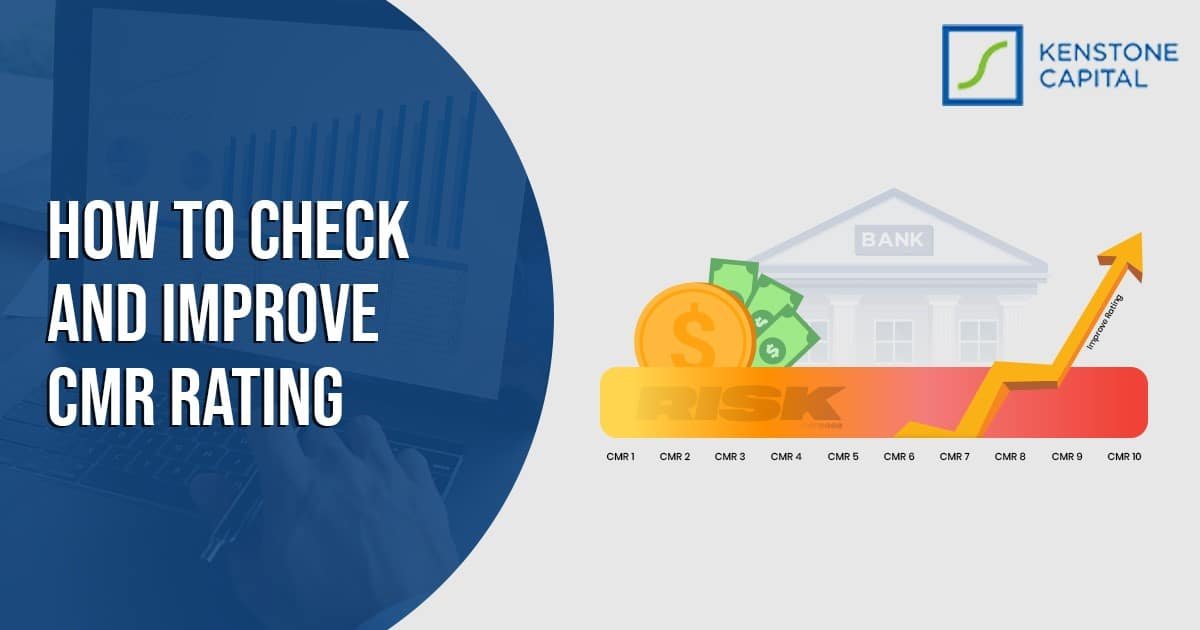
    While a personal credit score has a range of 300 to 900, the CMR is presented in terms of CMR 1 through CMR 10. In these terms, lower ratings mean better financial health. A CMR-1 bond has the lowest default risk, whereas CMR-10 bonds carry the highest default risk.

    This reverse scoring confuses many business owners who relate this to how personal credit score systems work. A lower number indicates better financial credibility in the CMR Score System. 

    The Definition of CMR in Banking Terms

    The term CMR, which you will hear in banking, is a predictive risk model. The rating expresses the probability of a company defaulting on its credit commitments over the next year.

    This model incorporates historical credit information, repayment behavior, usage patterns, and other behavioral trends. It does not take into account anticipated growth or informal guarantees. It tests quantifiable financial behavior.

    In real life, your CMR is a measure of how good a credit risk your business is considered to be over time in managing your credit exposure.

    How the CMR Rank Is Structured

    The CMR score is a result of a multi-level assessment of your financial status, credit activities, and banking patterns, which then transposes complex information into a uniform risk class.

    Low-Risk Category: CMR-1 to CMR-3

    Companies rated CMR-1 to CMR-3 are low risk. Such firms have a disciplined repayment culture, a stable utilization rate, and structured credit management.

    They are viewed as having a low probability of default from a lender’s point of view. This categorization can lead to speedier approval, more attractive interest rates, and less paperwork.

    These companies tend to have robust financial controls and predictable cash flow. Seen:

    Medium Risk CMR-4 to CMR-6

    A CMR score in the range of 4 to 6 is considered to indicate moderate risk. Companies in this category may be late on payments every so often and have higher utilization rates or shorter credit histories.

    Funding is still available, but lenders are becoming more cautious. Prices may rise modestly, and collateralization standards may become more stringent.

    This grouping frequently denotes enterprises that are more in need of financial discipline than they are structurally financially infirm.

    The High-Risk Category: CMR-7 to CMR-10

    Firms with a CMR score of 7 to 10 are considered high-risk. This categorization is typically associated with repeated instances of repayment delinquencies, enduring liquidity stress, or negative credit events. Lenders take a wait-and-see attitude when it comes to profiles like these. Approvals may include more restrictive covenants, higher interest rates, and more frequent supervision. Even though this is a high-risk CMR, it does not mean the end of your borrowing options; it just means borrowing becomes more expensive and difficult.

    Why Your CMR Score in Banking Carries Strategic Importance

    1) Interest Rate Pricing Impact

    Pricing is where your Commercial Credit CMR rating has the most immediate influence, reflecting the broader correlation between credit and debt ratings in institutional lending. Two companies in the same industry and revenue bracket might have two different interest rates just because of a difference in their CMR ranks.

    Price differences, even small ones, compound over time. Over the life of a multi-year facility, the financial impact can be significant.

    2) Impact on Approval Timelines

    Financial institutions are becoming increasingly dependent on automated underwriting systems. Strong CMR can also enhance the approval process, resulting in faster approvals, as it indicates low predictive risk. A lower rating could trigger a manual review of the application, leading to longer processing times.

    In competitive markets, a delay in deploying capital can slow down the rest of the operations.

    3) Effect on Collateral and Structuring

    The industry and size of the exposure are among the factors influencing the collateral requirements. However, companies with stronger CMR profiles are generally afforded greater flexibility when structuring facilities. A Hipped Credit history lowers perceived risk, which improves command in negotiation.

    4) Institutional Credibility Beyond Banks

    The meaning of the CMR credit goes beyond standard bank loans. NBFCs, major vendors, and financial partners, etc., might examine commercial credit reports while joining concerted financial solutions. Your CMR score is a tangible measure of financial trustworthiness within the space of institutions.

    How Is CMR Calculated?

    Repayment History as the Key Influence

    Repayment regularity is the greatest factor in the CMR model. DPD records are collected and studied even for small periods of time.

    Multiple delays, however small, influence the negative statistics. The Risk strengthens sooner and more over time.

    Patterns of credit use

    Utilization ratios are a reflection of liquidity management. A business running continuously close to its granted limits will be seen as pressured by lenders.

    Sustained lower utilization rates are indicative of financial and operational stability.

    Credit Vintage and Relationship Stability

    Long-term credit associations with a clean record of repayments increase trustworthiness. Regular opening and closing of credit facilities can reduce the average age of accounts and have an effect on the stability indicators.

    Established relationships imply financial maturity.

    Frequency of Credit Inquiries

    Many loan applications in a brief timeframe may imply credit dependence. Even when facilities are not availed of in the end, inquiry logs continue to appear on the commercial credit report. A planned and step-out borrowing enhances stability by breaking the pattern of borrowing & repaying/taking out new loans.

    How To Check Your CMR Rating

    The TransUnion CIBIL provides your CMR, which is mentioned in your company’s Credit Information Report (CIR). While these are accessed by banks as part of loan processing, companies can also check them (and should).

    Here’s how:

    a) Get Your Company Credit Report (CCR)

    Apply for a Company Credit Report now from the official site of TransUnion CIBIL.

    You will normally need:

    • Company PAN
    • CIN (if applicable)
    • Registered address details
    • Authorized signatory details
    • Payment of the prescribed fee

    b) Get In Touch With Your Bank or Relationship Manager

    • If you have an existing working capital or term loan:
    • Get your relationship manager for the latest cmr category
    • Ask for clarity on how it is impacting your interest rate or limits
    • Find out if any recent incidents or exposures have affected it
    • CMR is applied internally by banks before approving renewals or upgrades.

    c) Check If You Qualify For a CMR

    CMR applies only to the MSME having credit exposure within a given range (usually between ₹10 lakh and ₹50 crore fund-based limits). If so, none of CMR’s functions will be assigned.

    You are under the threshold for exposure → No CMR may be assigned

    Your exposure is above the limit. → Another commercial risk model may be used

    d) Check the full report, not just the rank.

    Your CMR is an overview of risk, but lenders also look at:

    • Days Past Due (DPD)
    • Overdue accounts
    • Suit-filed cases
    • Total outstanding credit
    • Credit utilization patterns 

    Even small reporting errors can negatively impact your rank, so dispute discrepancies immediately if found.

    e) Monitor It Periodically

    Your CMR is dynamic. It can change due to:

    • Delayed EMIs
    • New loan sanctions
    • Increased utilization
    • Restructuring or settlements

    Checking your CMR once or twice a year helps you stay funding-ready.

    How to Improve Your CMR Rating

    Improving your CMR is not accidental; it requires structured financial governance and adherence to proven credit rating best practices.

    Tightening Repayment Discipline

    On-time repayment is the basis for a good CMR. Electronic payment systems decrease the likelihood of oversight. The financial obligations are met in advance of the due dates through internal finance monitoring.

    It is vital to this that all the facilities are consistent.

    Maximize Credit Utilization

    Less reliance on maxed credit limit will improve the strength of perceived liquidity. Structured working capital management and improved receivable cycles also help the ratio utilization be healthier.

    A little borrowing in and of itself is a positive indication of creditworthiness.

    Strategic Management of Credit Application

    The borrowing should be after planned use and not before it. Schoonmaker says spacing out loan applications helps hold your credit in check and helps you to maintain “a consistent score.”

    The planned growth reduces such unnecessary spikes in enquiries.

    Rectifying Reporting Errors Promptly

    Errors like wrongly flagged overdue accounts or loans that were never closed can distort your CMR rank. Timely submission of a dispute allows for the removal of erroneous information from weakening your profile.

    This is a kind of early detection.

    Confusion Between Personal and Business Scores

    There is a misconception that personal and business credit scores are the same. Personal credit score and CMR rating are two entirely different things. Although some lenders differentiate the promoter credit on its own, the CMR manages this at the company level.

    Small Delays Are Overlooked

    Even small delays in payments are noted in the system. Repeat transient defaults aggregate into discernible risk.

    The importance is the consistency of the loan rather than the size.

    Assuming Stability Following an Improvement

    The CMR is continuously changing as behavior is monitored in real time. Coming through a rough patch won’t always mean you will have lasting stability.

    Active management is required.

    The Leadership Perspective on CMR Administration in Loans

    To fully evaluate the importance of “CMR” in relation to “home banking,” the basics of what home banking is must be understood. To the Management, it is strategically a sign of Leadership maturity.

    For businesses, successfully navigating the credit rating landscape requires strategic oversight, not reactive correction. Your credit evaluation in income producing asset in the normal course of business, Personal stock holdings, Micro, Small , and Medium Enterprises.

    Your CMR will have an impact on the availability, cost, and structure of funding, whether or not your business is growing, investing in capital assets, or seeking to increase working capital R&D/manufacturing diversification.68 The impacts of CMR on your ability to raise capital can significantly affect your options for financial structuring.

    Good financial standing can also help ease tensions, speed up approvals, and provide more leverage in negotiations.

    CMR-treatment companies are best prepared for long-term future growth. If they don’t, they tend to taste bottlenecks at critical growth stages.

    Conclusion: Building Long-Term Commercial Credit Strength

    Contemporary credit culture values quantifiable trustworthiness. Relationship banking is still relevant, but first impressions are increasingly based on structured data. Your CMR score plays a vital role in your financial identity. It indicates how well your company pays its bills and how your credit risk is perceived. Having a regular check, replication of good repayment discipline, and structured financial governance brings you long-term survival. Capital tends to flow to predictable, disciplined businesses. Your CMR ranking implements that predictability.

    Frequently Asked Questions (FAQs)

    1) What is the meaning of the term CMR?

    CMR is an acronym for CIBIL MSME Rank, the commercial credit ranking for Micro, Small, and Medium Enterprises, introduced by TransUnion CIBIL. It assesses the creditworthiness of a business based on its previous repayment pattern and total credit utilization. The ratings are designated CMR-1 through CMR-10, where CMR-1 denotes the lowest risk of default and CMR-10, the highest. This is the score used by lenders to figure out how reliably a business has paid its credit obligations

    2) How to repair the CMR rating?

    To date, improving a CMR rating is about applying good money habits consistently. The most crucial step: To make sure you pay off all your loans in time, including installments and interest, along with the working capital dues. Keeping a modest use of credit, not applying for a bunch of loans, and checking your Company Credit Report for mistakes as well are helping you get better. 

    3) How to check the CMR rating?

    In order to see your CMR score, you need to download a company credit report (CCR) directly from the TransUnion commercial portal. The procedure you will need your company PAN and registration details, along with fee payment. When you open it, the report will contain your CMR and complete details on the details of live loans, repayment history, outstanding balance, and credit inquiries. Monitoring regularly will ensure that any errors are caught and rectified on time.

    4) What is CMR in the banking sector?

    CMR rank is used by banks to assess a business’s credit risk. It is a predictive risk model that predicts the probability of a company going into default on its credit obligations in the next twelve months. Banks use this score when they underwrite to decide whether you are eligible for a loan and the rates and terms for which they’ll offer you an account.

    5) What is the CMR rating in banking?

    It is a dual-figure rating from CMR 1 to CMR 10, which indicates the credit risk profile of the Company. A lower rank signifies greater repayment discipline and less probability of default, whereas a higher rank indicates higher credit risk. Lenders consider this rating as a critical decision-making factor while deciding whether to approve or price a commercial loan.

  • ARE CASH CREDIT AND OVERDRAFT FINANCIAL PRODUCTS THE SAME?

    ARE CASH CREDIT AND OVERDRAFT FINANCIAL PRODUCTS THE SAME?

    CASH CREDIT AND OVERDRAFT

    Both small and medium businesses need a timely influx of money to run their daily operations smoothly without any hiccups. However, in certain conditions, a business may require cash for its long-term or short-term goals. In such cases, there are two options available for taking a loan for business needs:

    1. Long-term loans, such as a small line of credit or business loans.
    2. Short-term loans that are flexible and include loans like cash credit and overdraft.

    This article is written in a moderate attempt to make you understand short-term loans like Cash Credit and Overdraft. However, due to the similarities in the features of cash credit (CC) and overdraft (OD), we often get confused that they are the same. But both financial solutions are different from each other and are designed to cater to different financial requirements. 

    Now, let us take you through the similarities and differences between Cash Credit and Overdraft, so that it will be easy for you to understand and choose the better option for your business-specific needs.

    WHAT IS CASH CREDIT?

    If you are a business owner or a self-employed professional and require a short-term loan, then CashCredit can help meet your requirements. In simple words, Cash credit is a short-term solution of finance for a company. Some key points of Cash Credit include:

    • The loan is applicable only for business-related expenses
    • A separate bank account is to be opened for cash credit to be deposited.
    • You can request multiple checkbooks and carry out multiple transactions as per your needs.
    • Once every quarter or annually, you may be required to submit certain documents such as GST filings, profit and loss statements, balance sheets, etc.
    • You may be required to put up collateral to get a cash credit
    • The best part is that you can repay the loan daily or weekly, depending on the agreed terms.

    WHAT IS OVERDRAFT?

    Overdraft is an extended credit funding facility provided by the banks to select customers. The overdraft facility allows a customer to pay for their expenses or bills or withdraw money from their bank accounts, even if their account balance is zero. Some key points to know about overdrafts include:

    • An overdraft facility is only applicable to those who are in a good relationship with the bank and have a sound financial position.
    • An overdraft facility is associated with a charge, and it varies from bank to bank. The amount of the fee charged also depends on the extra amount you withdraw from the account.

    ARE THERE ANY SIMILARITIES BETWEEN CASH CREDIT (CC) AND OVERDRAFT (OD)

    Cash credit and Overdraft are two different financial tools, but both of them help businesses borrow money against their financial statements or inventory. Banks also benefit from these financial tools, where they select customers by offering these short-term loans. These short-term loans are offered only after assessing their financial standing and the relationship with the bank.

    Some of the other similarities include:

    • Both Cash credit and overdraft are offered against the current inventory and security of business assets.
    • The interest rate for both is charged on the amount used and not on the total amount sanctioned.
    • The maximum amount sanctioned for both Cash credit and overdraft is fixed, and borrowers do not qualify for any additional money. 

    DIFFERENCE BETWEEN CASH CREDIT AND OVERDRAFT

    The table below lists the important and major differences between Cash Credit and Overdraft:

    FeaturesCash CreditOverdraft
    Interest ratesInterest rates are lower. Comparatively higher interest rate than the CSH Credit
    Security/CollateralComparatively higher interest rate than the CSH CreditOverdraft amount is decided based on the credit history of the customer and their relationship with the bank, and investments such as FDs, insurance policies, etc.
    UsageApplicable only for business needsLoan repayment tenure is generally 1 year
    TenureThe loan duration and repayment can vary. It can be monthly, quarterly, half-yearly, or yearlyComparatively higher interest rate than CSH Credit
    Sanction amountThe loan amount is decided based on the volume of inventory and stocksThe loan amount is decided based on security deposits and financial statements
    Individuals, traders, retailers, manufacturers, companies, partnerships, distributors, LLPs, sole proprietorships, etc., are eligible for a cash credit loanWho is eligibleApplicable for both business and personal needs

    Both Cash Credit and Overdraft are financial tools that come in handy for businesses to cover their working capital needs. While both these products may appear similar, they are quite different from each other. This makes it essential for you to understand the differences and similarities and make a wise decision to choose between the two products.

    Alternatively, if you’re looking for long-term loans and want to avoid higher loan rates, then a small business loan may make sense.

    FAQs:

    1) Are Cash Credit and Overdraft the same?

    No, Cash Credit and Overdraft are different types of credit facilities. While both allow you to withdraw more than your available balance, Cash Credit is typically used by businesses against inventory or receivables, whereas Overdraft is linked to a bank account and can be used for general purposes.

    2) What is a Cash Credit facility?

    Cash Credit is a short-term loan provided mainly to businesses to meet working capital needs. It is usually secured against assets like stock or receivables, and the borrowing limit is based on the value of these assets.

    3) What is an Overdraft facility?

    An Overdraft allows individuals or businesses to withdraw money beyond their account balance up to a pre-approved limit. It can be secured (against assets like fixed deposits) or unsecured, depending on the bank’s policy.

    4) Who can apply for Cash Credit and Overdraft?

    Cash Credit is primarily offered to businesses and companies. Overdraft facilities, on the other hand, are available to both individuals and businesses.

    5) What is the main purpose of Cash Credit?

    Cash Credit is designed to finance day-to-day operational expenses such as purchasing raw materials, managing inventory, or covering short-term business obligations.

    6) Can Overdraft be used for personal expenses?

    Yes, Overdraft can be used for personal as well as business expenses, depending on the type of account and facility approved by the bank.

  • The Impact of AI in Finance and Lending: 2026 Outlook and Beyond

    The Impact of AI in Finance and Lending: 2026 Outlook and Beyond

    AI has moved from being a technology to try out to an essential capability for the finance industry. What was once simple automation of processes has now become systems that analyze risk, predict outcomes, customize financial products, and inform strategic decision-making at scale. As we approach 2026 and beyond, AI in finance is no longer about incremental efficiency improvements – it is about fundamentally changing how financial institutions operate, compete, and grow.

    Today’s financial firms are dealing with more complexity than ever, as they are buffeted by the sheer amount of data, regulatory pressure, customer demands, and economic turmoil around the globe. AI also provides a way to cut through this complexity by converting raw data in the form of transactions into actionable intelligence, allowing for more timely decisions, enhanced risk management, and greater customer interaction in banking, lending, accounting, and corporate finance.

    Understanding AI in Finance

    AI in finance is the use of machine learning, natural language processing, predictive analytics, and intelligent automation in the financial services industry to enhance decision-making and services. Unlike the rule-based systems, AI systems can learn from data, identify patterns, and improve their behavior over time.

    In short, AI enables banks and other financial institutions to make sense of all the structured data they have – transaction records, financial statements-and the unstructured data, like documents, emails, and customer interactions. This enables finance organizations to transition from reactive analysis to a more predictive and proactive risk, performance, and growth management posture.

    As AI continues to evolve, the core of activity in finance departments is now being permeated by this technology, whether in daily tasks or long-term strategic planning.

    Why AI Has Become Essential for the Finance Industry

    The financial services industry runs in an atmosphere where speed, precision, and confidence matter. Manual processes and legacy systems are overwhelmed by the need for real-time updates and the increasing complexity of financial ecosystems. AI solves these problems by bringing intelligence into every layer of financial operations.

    One of the biggest factors making the use of AI in finance necessary is the scale of data financial institutions process. AI platforms can mine through and make sense of data at a scale that human teams cannot rival. That enables consumers to discover previously hidden insights and act on them more quickly.

    AI is also instrumental in bringing more consistency and reducing human error. Financial decisions based on manual judgment are subject to bias and inconsistency, whereas AI-enabled models use standardized logic to assess decisions at scale and, when governed appropriately, lead to more reliability and fairness.

    The rise in personalization has also come with increasing expectations of digital-first experiences. Customers expect financial services to be simple, fast, and personalized to their unique needs. AI enables this level of personalization at scale, without the associated operational costs.

    How AI is Used in Finance Functions 

    AI is transforming almost every aspect of finance, driving the emergence of a more connected and intelligent financial system.

    1) Risk Management and Fraud Detection

    Risk management has always been an important issue for financial institutions, and AI has greatly improved the identification and mitigation of risk. AI processes are leveraging more data than ever, such as monitoring transactions, behaviors, and market signals in real-time to identify irregularities that could signal fraud or risk on the rise.

    Contrary to conventional rule-based systems, AI learns new trends and evolving threats. It detects very subtle behavior modifications that label fraud attempts or financial distress far before conventional systems would have flagged a case. This proactive response minimizes losses and reduces inconveniences to legitimate customers.

    2) AI in lending and credit decisions

    Lending is among the biggest recipients of AI nowadays. Conventional models used in credit score assessment are based on a few financial indicators and previous credit scores, which rarely encompass the entirety of an individual’s or business’s finance management. A lender system built on AI examines a wider variety of data, for example, transaction-related information, cash flow patterns, and repayment history, as well as real-time financial signals. This translates into more accurate credit decisions and opens up new markets for lenders or fulfills previously unmet customer segments – without taking on more risk.

    AI enables faster lending processes by auto verification of documents, eligibility checks, underwriting, and approvals. What previously took days or weeks can now be done in minutes, providing a better experience for the customer and less burden on operations.

    It also helps monitor loans after issuance by forecasting the risk of delinquency and suggesting ways to stop potential defaults.

    3) Customer Experience and Conversational AI

    Improving customer engagement has become a key differentiator in financial services, and AI is at the heart of how institutions are transforming their interactions with consumers. Conversational AI: These systems support natural, context-aware conversations via chat, voice, and digital interfaces.

    These systems do more than just answer FAQs. They infer customer intent, learn from prior engagements, and deliver real-time, personalized assistance. From helping with account management and loan applications to financial planning, conversational AI enables more seamless, engaging customer journeys.

    At the same time, AI’s automated responses to routine inquiries allow human agents to focus on more complex and high-priority customer needs, thereby enhancing overall service quality.

    4) Accounting and Finance Operations

    AI is transforming the finance function by eliminating many of the manual processes involved in reconciliation, data entry, and transaction classification. Intelligent platforms can detect discrepancies and errors and verify the integrity of data with little human intervention.

    This automation enables finance personnel to concentrate more on strategic activities rather than transactional ones, so as to include analysis of performance, planning of scenarios, and providing advice to the business. AI enables real-time reporting, which allows decision makers to access financial insights sooner to influence better results.

    5) Predictive Analytics and Financial Forecasting

    Financial forecasting has been based on historical data in conjunction with static models. Unlike traditional models, AI takes a more fluid, dynamic approach by considering historical trends, current data, and global economic conditions.

    As an example, AI-led predictive scenarios can help enterprises predict revenue dips, cash flow, budget utilization, and market volatility. The result is that finance executives can make better-informed decisions with higher confidence, even in an uncertain world.

    The Role of Generative AI in Finance

    Generative AI is a fundamental shift in the production and consumption of financial intelligence. Instead of just analyzing data, generative AI algorithms can generate content, insights, and recommendations akin to human thinking.

    Generative AI is being deployed more and more in finance to bring clarity. It can create financial summaries, performance reports, and executive insights for different audiences, saving time on manual reporting.

    Generative AI also performs well with unstructured data such as contracts, compliance documents, and email communications. It facilitates speedier compliance reviews and due diligence by capturing critical information and identifying risks or commitments.

    On a strategic level, generative AI enables finance leaders to look at multiple scenarios and consider a range of outcomes and strategic alternatives and is therefore key to the long-term planning and decision-making process.

    The Future of Finance: AI Agents and Autonomous Finance Operations

    AI agents are intelligent financial evolution. They are intended to run autonomously under certain constraints, carrying out jobs, making decisions, and managing workflows without permanent human intervention.

    In finance, AI agents may take entire processes such as loan processing, compliance checking or internal approval end-to-end. They can ask for missing information, check data, use decision logic, and take actions across systems.

    They do not replace people but rather augment teams by tackling the large volumes of low-risk tasks. As a result, finance experts can concentrate on governance, strategy, and relationship-centric activities that demand human decision-making.

    Practical use cases of artificial intelligence in finance

    Artificial Intelligence isn’t a futuristic or experimental technology in finance anymore-it’s changing the way financial decisions are made, risks are managed, and customers are served. In all areas of personal, corporate, and advisory finance, AI is beginning to bring tangible and practical benefits.

    AI in Personal Finance Management

    Personal finance tools with AI at their core are changing how everyday people handle their money. These tools examine spending habits, income cycles, and financial objectives to provide personalized advice, rather than generic tips. Drawing on patterns of user habits, AI prompts users to modify their budgets, points out unnecessary expenditures, recommends the best saving plans, and can also predict cash-flow problems in the near future.

    Anomalies beyond a balanced budget can be detected by some AI-driven platforms, which warn users about suspicious activities, predict when they will receive their next paycheck, and even suggest investments according to risk tolerance and financial objectives. Such granularity allows people to make better-informed decisions, have better financial discipline, and enjoy long-term financial health without much manual intervention.

    AI in Corporate Finance Operations

    AI is a major enabler in corporate finance, enhancing speed, precision, and strategy. AI tools help working capital management by leveraging data on receivables, payables, and inventory to increase cash flow. They help with supplier analysis (including the evaluation of vendor performance, pricing trends, and risk exposure).

    Liquidity forecasting is another important use, with models forecasting future cash positions based on historical financial data and real-time operational data. AI for investment analysis also allows scenario analysis and predictability, meaning organizations can better calculate potential returns and risks. Due to real-time dashboards and predictive insights, finance chiefs can react more swiftly to market changes and remain competitive.

    AI in Wealth and Advisory Management

    AI dramatically transformed advisory and wealth management services – allowing for more comprehensive portfolio analysis and more customized client discussions. Using AI, these tools analyze market trends, asset performance, and risk exposure to develop recommendations for portfolio allocations that are optimized for individual client objectives.

    Beyond analytics, AI enables client communication with just-in-time insights, automated reports, and proactive recommendations. Advisors are freed up to have deeper relationships and steer the ship, and AI takes care of all of the data-centric analysis. The result is better service, happier clients, and more scalable advisory models with less effort.

    Top Benefits of AI in Finance

    The impact of AI on finance is across all operational, strategic, and customer-experience fronts and is making it an essential contributor to finance-led enterprise transformation.

    1) Accelerated Decision-Making and Information

    AI plays a key role in evolutionary financial business intelligence, making the analysis of massive amounts of financial data less time-consuming. By functioning on real-time data, AI facilitates quick decisions without loss of quality. Finance organizations at public and private enterprises can go from reactive decision-making to proactive planning with predictive insights and scenario-based analysis.

    2) Greater precision and less manual work

    Manual financial processes can be error-prone, particularly when involving complex data. AI enhances accuracy by automating data validation, data reconciliation, and analytical procedures. This significantly reduces the risk of expensive errors in reporting, forecasting, and compliance.

    3) Cost Efficiency and Operational Improvement

    AI reduces operational costs and increases utilization of resources by automating the transactional and procedural work. Companies can increase their workload without hiring many more people, allowing them to grow sustainably while still managing costs.

    4) Improved Risk Management and Compliance

    AI also enhances risk by finding anomalies, predicting potential threats, and intervening sooner. In areas such as fraud detection, credit risk management, and regulatory compliance, AI systems continue to track patterns and trigger potential issues before they get worse.

    5) From Transactional to Strategic Finance

    Perhaps the most fundamentally transformative effect is the change in the function of finance teams. As AI takes care of routine work, finance practitioners will have the ability to concentrate on strategic activities such as business partnering, value creation, and long-term planning.

    Although AI provides various benefits, its adoption should be preceded by an appropriate investigation of technical, regulatory, and ethical matters.

    Difficulties with Data Quality and Integration

    AI systems are data-intensive, requiring rich, integrated data. Disparate data sources, data in inconsistent formats, and incomplete records can hamper AI model performance. Financial organizations need to make investments in knowledge governance, integration frameworks, and data cleansing procedures at the same pace.

    Model Transparency and Explainability

    Transparency is key in regulatory heavy financial industry. Decisions based on AI – particularly in lending, credit scoring, or compliance – need to be explainable and auditable. Black-box models may also pose risks to regulatory compliance and trust if institutions are not able to clearly explain how decisions are made.

    Ethics and bias management

    AI trained on historical financial data can inadvertently inherit the biases within that data. This leads to unjust results, especially in credit approvals and risk assessments. Strong governance structures, bias detection, and ethical AI guidelines need to be established by institutions to ensure that the framework is fair and inclusive.

    Regulatory and Security Considerations

    Financial institutions have an additional regulatory compliance and data security challenge. AI processes sensitive financial data , so cybersecurity, data protection, and regulatory compliance are essential aspects of any AI plan.

    The Future of AI in Finance Beyond 2026

    As the applications of AI continue to develop, it will have an increasingly strategic rather than operational role in finance.

    a) Shift to AI-First Financial Operating Models

    Looking beyond 2026, we predict that an increasing number of financial services firms will transition to an AI-first model, with intelligence woven into every facet of financial activity. Instead of treating AI as a layer, they will architect workflows with AI as a core component, making every workflow continuously optimizable and learnable.

    b) Real-Time, Adaptive Financial Decision Making

    Decision-making in real time will be the norm. AI will inform dynamic pricing schemes, adaptive risk analyses, and ongoing compliance determinations. Finance will run with near-instantaneous insight into performance and risk, enabling swifter and more accurate change responses.

    c) Increasing Financial Access with AI

    AI certainly will have a big impact on increasing financial inclusion, as more sophisticated and context-aware models of creditworthiness will emerge. Responsibly, AI can examine nontraditional data sources and make financial services more accessible to underbanked communities with responsible risk management. 

    d) Trust Building with Affordable, Explainable & Ethical AI 

    With the technology becoming more explainable, ethical, and well-managed AI, it will increase trust between customers, regulators, and partners. The transparent, accountable, and responsible innovation of the financial institutions of the future is what will make the future successful.

    Conclusion

    AI is changing the way the finance and lending ecosystem operates. From the humble beginnings of being a mechanization tool, automation has transformed into a strategic enabler, which affects risk management, customer interaction, operational efficiency, and longer-term decision-making. With AI integrated at every level of financial processes, financial institutions are beginning to transform their operations from being reactive to proactive, insight-led methodologies.

    As the industry moves through 2026 and beyond, the real differentiator won’t be whether organizations use AI, but how thoughtfully – and responsibly – they do so. Banks that focus on the quality of their data, transparency, ethical governance, and explainability will be best positioned to earn the trust of customers, regulators, and stakeholders. AI systems that are designed to comply with regulatory structures and are under human scrutiny will make it possible to have stable innovation rather than short-term gains.

    AI is also helping to make finance more inclusive and available. By going beyond traditional credit metrics and utilizing richer data signals, AI-enabled finance can offer fair access to credit, personalized financial advice, and customized solutions to individuals and businesses that were once overlooked and underserved by financial institutions. The momentum is not just good for business, but for the economy at large.

    FAQs

    1) What is AI in finance?

    AI in finance is the application of artificial intelligence (AI) – including machine learning (ML), natural language processing (NLP), and predictive analytics – and other related technologies in examining financial information, automating processes, and aiding decision-making. It allows financial organizations to analyze masses of data at a) a higher speed; and b) with much more accuracy than conventional approaches. AI is frequently utilized in areas like risk management, fraud detection, financial forecasting, customer service, and investment analysis.

    2) How is AI used in finance?

    AI has become increasingly popular in financial services for good reasons – to automate repetitive work, improve accuracy, and provide foresight-driven insights. On the operational front, AI contributes to fraud detection when it recognizes abnormal transaction patterns, to credit scoring when it considers customer behavior, to financial prediction when it develops financial models. AI is also common in customer engagement applications, including chatbots, personalized financial advice, and automated portfolio management, enabling institutions to provide faster and more tailored service.

    3) How to use in finance?

    To leverage AI in finance, enterprises should begin by selecting use cases with the highest opportunity for impact (e.g., forecasting, compliance monitoring, or customer engagement). The importance of quality and well-integrated data cannot be overstated, as AI relies on data, and dirty/poorly integrated data can yield poor results. Finance teams should also consider the transparency of models, regulatory compliance, and ethical implications. Step-wise introduction with pilots and ongoing monitoring and upskilling, facilitates getting the best out of the AI, with the least risk.

    4) How is Generative AI used in finance?

    Generative AI works in finance by generating content, insights, and simulations using financial data and context. Reports that require financial data, such as a financial report, management summary, scenario analysis, or even client communication, can be produced with minimal manual effort. In advisory and corporate finance, generative AI drives scenario planning, simplifies complex financial insights voiced in plain language, and helps identify optimal decisions through summarizing trends and risks. It also enables finance teams to be more productive by serving as an intelligent assistant, allowing them to analyze faster and focus more strategically.
  • What Is the Difference Between a Vendor and Partner in Debt Collection?

    What Is the Difference Between a Vendor and Partner in Debt Collection?

    Understanding the difference between a Vendor and a partner in Debt Collection is essential for businesses seeking effective B2B debt recovery. Debt collection is the process of pursuing payments owed to creditors by individuals or businesses. Specialized agencies act as a debt-collection partner, working on behalf of creditors to collect debt for a fee, often through a contingency debt recovery model. While historically debt collection involved coercive methods, modern legislation now strictly regulates third-party collections to prevent harassment and ensure fair practices while maintaining professional accounts receivable services for all clients.

    What Is a Debt Collection Agency?

    Debt collectors can work for agencies or independently and may even be attorneys providing legal collection services. In many cases, these agencies act as middlemen for recovery, collecting delinquent debts from customers and remitting them to the original creditors.

    • Delinquent debts are recovered by professional debt collectors.
    • A collection agency might negotiate a lower settlement than the total amount owed.
    • New federal and local rules were adopted in 2020 to protect consumers during economic shifts.
    • Agencies pursue various delinquent debts, from unpaid medical bills to complex business invoices.

    Who is a Vendor?

    A vendor is typically a third-party service provider that offers specific support services to a debt collection agency, such as skip tracing, letter printing, or call center services. Vendors are not typically directly involved in the recovery of outstanding debts but rather provide support services to the agency that can help increase the efficiency and effectiveness of their collection efforts. There are several types of vendors that a debt collection agency may work with to support its collection efforts. Some common types of vendors in debt collection include:

    1. Skip Tracing Vendors: They help agencies locate hard-to-find debtors by using databases and search tools to gather information on their location.
    2. Letter Printing and Mailing Vendors: Providers of these services allow the agency to send customized letters, such as demand letters, payment plans, or settlement offers, to debtors.
    3. Call Center Vendors: Vendors that provide services to help agencies contact debtors outbound or take inbound calls from debtors with questions.
    4. Legal Services Vendors: These vendors provide legal support services to the agency, including initiating legal proceedings against debtors, representing the agency in court, and providing legal advice.
    5. Technology Vendors: They supply the agency with software and technology tools, such as debt management systems and payment processing software, which allow them to manage their collection efforts more efficiently.

    Agencies that work with these vendors can optimize their collection efforts and improve their chances of recovering outstanding debts.

    How Is a Partner Different?

    When it comes to debt collection, partners work collaboratively with debt collection agencies to achieve a shared goal, such as successfully collecting outstanding debts. There are many types of partnerships that can be forged in this situation, including partnerships between law firms and agencies and agencies and clients, enlisting them to collect.

    To support their collection efforts, debt collection agencies may work with several types of partners. Partners in debt collection include

    1. Clients: These are the companies or organizations the agency is collecting on behalf of. Depending on their specific requirements, debt collection agencies may customize their collection approach based on these partners’ specific needs.
    2. Law Firms: Debt collection agencies work with these firms to initiate legal proceedings against debtors, represent the agency in court, or provide legal advice.
    3. Financial Institutions: These partners purchase debt portfolios from debt collection agencies or work with them to collect delinquent debt.
    4. Technology Providers: These companies help the agency manage its collection efforts more efficiently by providing debt management systems, payment processing software, and reporting tools.
    5. Industry Associations: They provide debt collection agencies with education, training, and networking opportunities, allowing them to stay current with industry trends.

    Working with these partners can help debt collection agencies to broaden their reach, access new resources, and stay ahead of the competition. By building strong relationships with their partners, debt collection agencies can enhance their collection efforts and improve their overall performance.

    Partnering with a company means having someone who genuinely cares about your future and helps you grow. The progress of the project is discussed with a partner. They determine what you need and how they can help in collecting your debt. Their focus is on how your company will change in six months to a year and how you can prepare for it.

    The benefits of the partnership are shared by both parties. Besides getting the product or service you need, you also get someone who will help your business grow faster than you can alone. Due to their ability to keep your business’s best interests in mind, they will get continued business from you.

    Who is a Third-party?

    The majority of businesses outsource the provision of goods and services to other companies or individuals. When a buyer and seller engage in a transaction, a third party acts as a middleman. Some contracts have a short duration, while others have a long duration.

    Third parties include advertisers, insurance brokers, landscapers, phone companies, law firms, consultants, and debt collectors. Third parties can also be consultants or debt collectors.

    Differences – Vendor and Third-party

    The following table highlights how a Vendor is different from a Third-party −

    CharacteristicsVendorThird-party
    DefinitionThird parties are any outside group, person, or business that is not directly affiliated with the company that provides the goods or services.In order to sell their products, a vendor must ensure that they comply with all local, state, and federal laws and regulations. Vendors must also provide high-quality products or services on time and act dishonestly when discrepancies are found.
    RoleIn order to sell their products, a vendor must ensure that they comply with all local, state, and federal laws and regulations.Vendors must also provide high-quality products or services on time and act dishonestly when discrepancies are found.The third party acts as an intermediary between a buyer and a seller in a transaction, which may be long-term or short-term.
    RegulationsAn individual who sells products and services to the public is referred to as a vendor.The partner organization receives products and services from an outside entity.

    Conclusion

    In summary, while both partners and vendors play vital roles, a true debt-collection partner is more directly involved in the strategic recovery of outstanding debts. Vendors provide the necessary support, like skip tracing or mailers, to facilitate the process. Choosing the right contingency debt recovery partner ensures your business interests are protected while maximizing your returns.

    Frequently Asked Questions (FAQs)

    1. What is the difference between a vendor and a partner in debt collection?

    A vendor typically provides a specific, transactional service, such as skip tracing or letter mailings, without being deeply involved in your business goals. A debt-collection partner, however, works collaboratively with you, offering a holistic approach to accounts receivable services and focusing on your long-term financial health and brand reputation.

    2. Why is B2B debt recovery different from consumer collections? 

    B2B debt recovery involves collecting unpaid invoices from other businesses. It requires a deeper understanding of commercial contracts, complex payment terms, and industry-specific regulations. A strategic partner understands that maintaining the business relationship is often just as important as recovering the funds.

    3. What are legal collection services? 

    Legal collection services involve the use of specialized attorneys and law firms to initiate formal legal proceedings against a debtor. This is usually a final step when standard outreach fails, involving litigation, obtaining judgments, and enforcing payments through legal channels.

    4. How does the contingency debt recovery model work?

    Under a contingency debt recovery model, you pay no upfront fees to the collection agency. The agency only receives a percentage of the debt once they successfully recover it. This ensures that your interests are aligned with your debt-collection partner, as they only get paid when you do.

    5. What is skip tracing, and why is it important?

    Skip tracing is the process of locating a debtor who has “skipped” out on their obligations and cannot be reached via their last known contact information. Using advanced databases and investigation tools, a collection vendor or partner can find current addresses and phone numbers to resume recovery efforts.

  • How to Handle a Phishing Attack and Stay Protected Online

    How to Handle a Phishing Attack and Stay Protected Online

    Most people spend a large part of their day online. We shop, pay bills, check bank accounts, stream movies, and store personal files on our phones and laptops without thinking twice. While the internet makes life easier, it also gives scammers more opportunities to target users. Phishing attacks have become one of the biggest online threats because they are designed to trick people into revealing passwords, banking details, and personal information

    Many victims don’t realize they’ve been scammed until it’s too late. Money disappears from bank accounts. Email or social media accounts get locked. In serious cases, stolen information leads to fraud or identity theft, which is why many victims later look for credit score repair services after financial damage is done

    The alarming part is that phishing scams are no longer easy to detect. Modern phishing messages often look identical to legitimate emails from banks, delivery services, streaming platforms, or government offices. A single distracted click can expose your data within seconds.

    What Is a Phishing Attack

    A phishing attack is an online scam where criminals pretend to be a trusted person or organization to steal private information. They aim to collect:

    • Passwords
    • Credit card numbers
    • Banking details
    • Login credentials
    • Social Security numbers
    • Verification codes

    These scams create urgency and panic so that people act quickly without thinking

    Common Types of Phishing Scams

    Email Phishing

    Fake emails appear to come from trusted brands like banks, shopping sites, or streaming services. They ask users to reset passwords, verify accounts, or confirm payments. The link leads to a fake login page

    SMS Phishing

    Text messages claim delivery failures or urgent bank verification. People tend to trust SMS more, which makes this highly effective

    Voice Phishing Vishing

    Scammers call, pretending to be bank staff, tech support, or officials. They often sound professional and convincing

    Fake Websites

    Fraudulent websites look almost identical to real ones. The difference is usually a small spelling mistake in the URL

    Warning Signs of a Phishing Attempt

    • Suspicious sender address with odd spellings or numbers
    • Urgent language like Immediate action required
    • Strange links or attachments
    • Requests for sensitive information through email or SMS

    Legitimate companies rarely ask for passwords or verification codes through messages

    What Happens If You Fall for a Phishing Scam

    A successful phishing attack can lead to

    • Stolen email, banking, and social media access
    • Unauthorized financial transactions
    • Identity theft and fraudulent loans
    • Malware or ransomware is installed on your device

    What To Do Immediately After a Phishing Attack

    Change Your Passwords

    Update the affected account first. Then update any accounts using the same password

    Enable Two-Factor Authentication

    This adds an extra security step, even if passwords are stolen

    Contact Your Bank

    Freeze cards block transactions and monitor for fraud

    Scan Your Device

    Use trusted antivirus tools to remove malware

    Report the Scam

    Report to your email provider, bank IT department, or government cybercrime portal

    How Criminals Use Stolen Information

    • Selling data on underground forums
    • Taking over email and social accounts
    • Launching more targeted scams later

    How To Protect Yourself From Phishing

    • Avoid clicking suspicious links
    • Visit official websites directly through your browser
    • Check for HTTPS and correct domain spelling
    • Keep software and devices updated
    • Use antivirus spam filters and password managers

    Mobile Phishing Scams Are Growing

    Smartphones are now a major target. Common mobile scams include fake delivery updates, banking alerts, and messaging app links. Only install apps from official app stores and never click unknown links in messages

    Common Myths About Phishing

    MythReality
    Only older people get scammedAnyone can fall for a convincing scam
    Phishing only happens via emailSMS calls and social media are used
    Antivirus stops everythingAwareness is the best defense
    Small businesses are not targetedThey are often easier targets

    Conclusion:

    Phishing attacks are becoming more sophisticated every year. Even careful people can be caught off guard during a busy moment. The key is to slow down before clicking links or sharing information. If you do fall for a scam, do not panic or feel embarrassed. Act quickly, change passwords, contact your bank, secure your accounts, and monitor for suspicious activity. Small actions taken early can prevent serious damage later.

    FAQs

    1) What is a phishing attack in simple terms?

    A phishing attack is a scam where someone pretends to be a trusted company or person to trick you into sharing passwords, banking details, or personal information.

    2) How can I tell if an email or text message is a phishing attempt?

    Check the sender address, look for urgent language, and avoid clicking strange links. Legitimate companies do not ask for passwords or verification codes through messages.

    4. Can phishing attacks happen through phone calls?

    Yes, this is called voice phishing or vishing, where scammers pretend to be bank staff, tech support, or officials to get your information.

    5. Are mobile phones also targets for phishing scams?

    Yes, many scams now come through SMS delivery alerts, banking messages, or chat apps, which makes mobile users a common target.

    6. Can antivirus software fully protect me from phishing?

    No Antivirus tools help, but awareness and careful behavior are the best protection against phishing.

    7. Why do scammers want my personal information?

    They use it to access accounts, steal money, commit identity theft, or sell the information on illegal websites.

    8. How can I stay protected from phishing attacks in the future?

    Avoid clicking unknown links, keep your software updated, use strong passwords, and always verify messages directly through official websites.

  • PERSONAL LOANS FOR CIBIL DEFAULTERS

    PERSONAL LOANS FOR CIBIL DEFAULTERS

    Among all other loans, a personal loan is one of the easiest to obtain if the borrower is not a CIBIL defaulter. If you are not on the CIBIL defaulters list, then a personal loan is a good option for you. However, the interest rate on the personal loan is very high. A person can fulfill an individual’s monetary requirements with a personal loan and can use it for multiple uses such as marriage, buying electronic equipment, vacation, and so on.

    Why is a personal loan easy to get?

    • To get a personal loan, there will be no necessity for collateral.
    • Personal loans can be given to low-income people.
    • The requirement for documents will be much less for a personal loan.

    Although personal loan applications are typically handled in a day or less, loan applications for those with a CIBIL default can be declined. In such cases, understanding the NBFC Lending Criteria is vital, as they may offer more flexibility than traditional banks.

    Who are CIBIL Defaulters?

    A CIBIL defaulter is someone who has defaulted on previous loans. When an applicant has a CIBIL default, this is the most prevalent reason for a personal loan denial. This indicates that the person has previously defaulted on a loan, postponed EMIs, or has an excessive amount of loan payments owing, resulting in a l low personal loan. And such individuals are said to be CIBIL defaulters by banking & lending institutions, and their personal loan applications are straightaway rejected by the credit lenders.

    It is a common myth that CIBIL maintains a defaulter list, but it’s not true. Defaulters, on the other hand, find it difficult to obtain a loan for defaulters because they have either missed payments or owe money. There are still some lenders who offer a CIBIL defaulter loan to such people. In general, a CIBIL score shows whether you are creditworthy and eligible for a loan or not. The personal loan makes the banking officials and lenders think that you are likely to default on payments in the future.

    How to Get a Personal Loan: Are You on The List of CIBIL Defaulters?

    It’s crucial to understand that major banks and financial organizations will evaluate your loan application before granting it. Along with your credit history, you’ll need to check your credit score before applying for another financial product. While getting a loan from a bank is far more convenient, your options begin to dwindle if you are on the list of defaulters looking for an online loan for CIBIL defaulters.

    To improve your chances, you should look into CIBIL Dispute Resolution for any errors and ensure a DPD Correction (Days Past Due) is initiated if your report shows delays that were actually paid. Here we listed some options you can look at if you need an urgent loan for CIBIL defaulters or an extremely urgent loan for CIBIL defaulters during an emergency.

    1. Secured Loan

    A Secured Personal Loan, often known as a loan against collateral, is one of the options available to you. You can obtain a loan against security if you have any assets or fixed deposits with your bank. If you fail to make payments, your lender will seize the collateral you’ve pledged.

    2. Loan Backed by a Guarantor

    If you have a guarantor and are now financially stable, but your credit score is still low, you may be able to acquire a personal loan for CIBIL defaulters. This eliminates the danger that comes with lending you money. Hence, you need to make sure that the co-applicant’s creditworthiness is high and they have a good credit score. However, if you default on this loan as well, your guarantor will be responsible for the remaining sum. In the event of a default on your part, their credit score will suffer as well. This is why many people are hesitant to act as loan guarantors.

    3. Online Lenders

    You can always turn to an online lender for an instant loan for defaulters if your application is rejected by traditional banks. You can acquire an instant online loan for cibil defaulters from an online lending platform as they are a little more tolerant when it comes to applicants with bad credit. This is often the fastest route for an instant personal loan for cibil defaulters.

    4. Withdraw Provident Fund

    There’s a reason this fund was created in the first place: to help you secure your retirement. However, if you’re in a tight financial situation and need a personal loan for defaulters or immediate cash, you can consider withdrawing your provident fund. You can now only withdraw a portion of this money under specified situations.

    5. Salary Advance

    If you’re in a financial crunch and need an instant loan for CIBIL defaulters, you can ask your employer for a salary advance. For your employer to consider your request, you will need to provide proof of income stability and defend your request with valid reasons.

    Proactive Steps for Financial Recovery

    While searching for a CIBIL defaulter personal loan, you should also focus on long-term health. Follow a Default Rectification Process which includes:

    • Credit Report Scrubbing: Reviewing your report to remove inaccuracies.
    • Hard Inquiry Removal: Deleting unauthorized credit checks that lower your score.
    • Written-off Account Clearance: Resolving old debts to clear your name.
    • Debt Settlement Negotiation: If you cannot pay in full, engage in negotiations. Be aware of the Settlement vs. Closed Status; a Closed status is always better for your score.
    • No Dues Certificate: Always collect this after paying off a debt to ensure Account Status Regularization.

    Building a Stronger Credit Future

    To avoid being in this position again, use an EMI Affordability Calculator before borrowing. Focus on a Credit Rebuilding Roadmap by maintaining a low Credit Utilization Ratio and aiming for Credit Mix Optimization (a balance of secured and unsecured loans). This will improve your standing for future interest rate negotiations.

    While there are many possible ways of securing a loan for CIBIL defaulters as a default, it’s highly recommended to have a clean financial record before you burden yourself with another loan.

    Frequently Asked Questions (FAQs)

    1. How can I get an urgent loan for CIBIL defaulters if my score is low?

    If you need an extremely urgent loan for CIBIL defaulters, you can explore options like a Secured Personal Loan or a loan against collateral. These options rely on assets rather than just your credit history, making it easier for lenders to approve an instant loan for CIBIL defaulters.

    2. Can I get a personal loan for CIBIL defaulters without high interest rates?

    Generally, the interest rate for a CIBIL default personal loan is higher due to the perceived risk. However, you can attempt an interest rate negotiation by providing income stability proof or by adding a co-applicant with high creditworthiness to the application.

    3. What is the difference between “Settled” and “Closed” in a credit report?

    In the context of Settlement vs Closed Status, a “Closed” status means the loan was paid in full, which is positive for your score. A “Settled” status means the lender accepted less than the full amount. For long-term credit score repair, it is better to avoid settlements and aim for Account Status Regularization.

    4. How does the Default Rectification Process help in getting a loan?

    The Default Rectification Process involves identifying errors through CIBIL Dispute Resolution and ensuring DPD Correction. By obtaining a No Dues Certificate and performing Credit Report Scrubbing, you clear your name, making it easier to meet standard NBFC Lending Criteria.

    5. How can I improve my chances for an instant online loan for cibil defaulters?

    To qualify for an instant online loan for cibil defaulters, focus on your Credit Utilization Ratio and ensure you haven’t had too many recent applications. Removing unwanted marks through Hard Inquiry Removal and Written-off Account Clearance can also significantly boost your eligibility.


  • What is Accounts Receivable Factoring? How does it Work?

    What is Accounts Receivable Factoring? How does it Work?

    What is Accounts Receivable Factoring?

    Accounts receivable factoring is a straightforward working capital financing trick that helps businesses get cash for their invoices immediately instead of waiting weeks for a customer to pay. This setup is great for liquidity management because it stops cash flow gaps before they start and helps with cash flow optimization without the headache of bank loans.

    While it’s a lifesaver for growth, it does come with a cost. You’re essentially paying a debt recovery agency in India or a “factor,” to handle your ledger management through two specific fees: a management commission and a finance commission.

    How Does Accounts Receivable Factoring Work?

    The process for factoring receivables is pretty simple across the board. A lending partner, the factor, buys your unpaid invoices at a discount so you get cash right away. This accounts receivable factoring cycle ends when the factor collects the full payment from your client and sends you the remaining balance minus their fees.

    Basically, factoring of accounts receivable hinges on how reliable your customers are. By leaning on AR factoring, your team can outsource accounts receivable management and keep the focus on B2B services while the pros handle the debt recovery side of things.

    What are the Benefits of Accounts Receivable Factoring?

    The perks of accounts receivable factoring are huge when the economy gets bumpy. Instead of staring at factored accounts receivable and hoping for a check, you get paid by the factor instantly. This receivable factoring model changes the game by letting you:

    • Stop chasing checks: Professional B2B debt collection is now the factor’s job.
    • Get instant liquidity: No more waiting 30 or 60 days to see your money.
    • Protect your cash flow: Keep enough in the bank for daily operations.
    • Invest in growth: Use that cash to grab new opportunities immediately.
    • Keep vendors happy: Pay your own bills on time or even early.

    It really just frees you up from the administrative nightmare of bad debt recovery so you can actually run your business.

    Types of Accounts Receivable Factoring

    Accounts receivable factoring falls into the following broad categories:

    Recourse & Non-Recourse Factoring

    Factoring accounts receivable with recourse means you’re on the hook if your customer never pays. If you want better credit risk mitigation, you go with non-recourse factoring, where the factor takes the loss, but they’ll charge you a higher fee for that safety net.

    Notification & Non-Notification

    In a notification setup, the factor tells your customer where to send the payment. With non-notification, the buyer never even knows you’re using a working capital financing partner.

    Spot & Regular

    A spot deal is just a one-off for a single invoice. Regular factoring is more like a credit line where you can draw and redraw funds as you send out new bills.

    How Much Does Accounts Receivable Factoring Cost?

    The following are the typical costs associated with accounts receivable factoring

    • For accounts receivable finance, a factoring fee of between 1% and 5% is incurred. The actual rate, however, might be determined by a number of variables. These variables include invoice volume, the caliber of customers, the industry risk, and the particulars of the contract.
    • In addition to an initial brokerage fee of up to 5%, some factoring agencies may impose a one-time setup fee to open your factoring account. This amount might range from 500 to 2,500 dollars.
    • The billing procedure has an impact on the factoring fee as well. The majority of factoring financing adheres to non-progress billing. Standard invoicing and cash payments for time and materials or commodities and services are all included. Progress billing, which often has a higher factoring cost, is used for ongoing invoices that are paid in installments, like a construction project.
    • Deciding between recourse and non-recourse business factoring is another factor. Because the factor takes on greater risk than recourse factoring, it also has tougher standards.

    Which Companies Use Accounts Receivable Factoring?

    You’ll see this all over the B2B services world, but it’s a staple for:

    1. Logistics and Trucking: Where fuel needs to be paid for long before the client pays the bill.
    2. Staffing Agencies: Because payroll happens every week, but clients might take a month to pay.
    3. Construction Trades: Where everyone is waiting for the person above them in the chain to settle up.

    Conclusion:

    Tapping into accounts receivable factoring is a smart move if you need a quick boost in liquidity management. That said, pairing this with a solid debt recovery agency in India to keep your accounts receivable management tight is the best way to save money and stay profitable in the long run.

    FAQs

    1. Is accounts receivable factoring the same as a bank loan? 

    Not really. While both help with working capital financing, a bank loan creates debt on your balance sheet that you have to pay back monthly. With accounts receivable factoring, you’re essentially selling an asset for cash today. It’s much faster to get approved for and doesn’t require the same collateral as a traditional loan.

    2. Will my customers know I’m using factoring of receivables?

    It depends on the setup you choose. In a notification deal, the debt recovery agency in India will let your client know where to send the payment. However, many businesses prefer “non-notification” AR factoring, where the process is invisible to the customer, so you keep your internal billing looking the same.

    3. What happens if a customer refuses to pay an invoice? 

    This comes down to whether you choose factoring accounts receivable with recourse or non-recourse. If it’s a recourse deal, you’ll have to buy the invoice back or swap it for a fresh one. If you opted for non-recourse, the factor takes the hit, which is the ultimate form of credit risk mitigation.

    4. Can I choose which invoices I want to factor? 

    Yes. With “spot” receivable factoring, you can pick a single large invoice to bridge a gap. If you have constant needs, you might go for a regular agreement where you factor everything to keep your cash flow optimization steady month after month.

    5. How long does it take to get the cash? 

    Once your account is set up with a working capital financing partner, you can usually get your funds within 24 to 48 hours of submitting an invoice. This speed is why so many B2B services rely on it—it’s much faster than waiting for a standard bank check to clear.

    6. Does this help with bad debt recovery? 

    Absolutely. Since the factor specializes in B2B debt collection, they have the tools to ensure invoices get paid on time. By letting them handle the follow-ups, you’re essentially outsourcing your accounts receivable management to experts, which naturally reduces your late payments and overhead.

  • Personal Loan for Youngsters: Make Your Dream Become A Reality

    Personal Loan for Youngsters: Make Your Dream Become A Reality

    Essentially, the aspirations of young people have undergone significant changes over the past decade. To put it another way, getting a Personal Loan for Youngsters has become a strategic way of funding the quickly changing lifestyle choices where renting a place is as good as owning it, and cars are no longer considered status items. So, are the young people today spending less than before? In fact, the opposite is true. Millennials are the highest spenders. But what are the youngsters actually buying?

    Young consumers splurge on experiential purchases

    Millennials do not see ownership as a necessity. It is estimated that three-quarters of the millennials are going to spend more on experiences rather than material things, and this trend is attributed by the experts to a number of factors. The lifespan of an experience is longer than that of a material good. The thrill of owning a new car or the latest gadget may last a few weeks, months, or even a year at the most. However, the experiences are those that give you lifetime memories.

    Whether it is enjoying an international trip or taking an online course, experiences help you build friendships that can last for a lifetime. Besides, it is more than just memories and friendships; you also get the opportunity to learn about different cultures and new traditions, as well as get to know people’s views in various situations.

    Personal Loan: Making your dream a reality

    A personal loan for youngsters has been a great equalizer between their dreams and reality. Nowadays, lenders provide low interest rates and easy terms to meet the increasing demand for personal loans. Additionally, instant digital approval facilities are offered by most lenders, which means it is now easier for the borrower to apply for such loans.

    Loan is now just a click away and can be disbursed within a few hours; hence, the dream of living the experiences of a lifetime has become muddled. I would like to do something very adventurous, and even if I have to take a loan, I will not let money be an obstacle.

    What are the steps if a young person wants to take out a personal loan right away?

    A personal loan is an unsecured financial product that allows you to borrow money from a lender. In addition, a personal loan can be used for a number of purposes, including financing an emergency expense or a significant purchase. Thus, making it easier for the youth to realize their aspirations.

    Over the years, personal loans have become a lifeline for the financially stable. In case you are expecting your loan application to be approved, there are a couple of things you can do beforehand. Having a good credit score is one. The approval of an educational or personal student loan will be faster if the applicant has a high credit score. The next step is to check your credit report for errors before applying for a loan. If your score is low, professional credit repair companies can help. You might also want to start paying off your debts because that will improve your chances of getting a loan approved.

    Personal Loan Application Factors to Consider

    If you are considering taking out a personal loan to meet your short-term financial needs, it is wise to keep a number of pertinent things in mind before doing so. The first thing you need to consider is whether or not you can pay back the loan in full and on time. If you are unable to repay the loan, you may find it more convenient to take out a smaller loan that you can repay faster. Also, consider the right situation for borrowing a loan.

    Another thing that you should remember is that personal loans can cost you more than other types of available loans. So be ready to afford the interest rate that comes with a personal loan.

    Is it possible to get a Personal Loan for an unemployed person?

    Although lenders usually prefer applicants with a regular income, there are still a few ways to lend money to the unemployed. Among these, we can find personal loans for people without a job. 

    Apply for a Government Scheme. The government has started a job creation program to support unemployed workers. Here are some government loan schemes

    • Prime Minister’s Rozgar Yojana (PMRY)
    • Pradhan Mantri Mudra Yojana Scheme (PMMY)

    Apply with a co-applicant. It is recommended that an unemployed individual apply for a co-applicant loan to raise their chances of being approved. It is essential, however, that the co-applicant have a good credit score and a stable income. This is often the best way to build up one’s credit history at the beginning.

    The Amount of the Loan

    Avoid selecting a loan sum that will end up being hard to repay.

    Plan the repayment

    You can use a personal loan EMI calculator to figure out the EMI amount. By calculating the EMI, you will be able to know what is within your budget.

    Maintain a Good Credit Score

    The credit score is viewed by lenders as one of the most crucial elements in deciding whether to approve or decline an application. A higher credit score increases the likelihood of a fast approval for the loan

    WHAT ARE THE ELIGIBILITY CRITERIA FOR THE YOUNGER GENERATION TO AVAIL OF A PERSONAL LOAN?

    It is very important to know the loans for millennials. An individual’s eligibility criteria for a personal loan can differ from lender to lender. Lenders assess a person’s loan request based on several aspects, such as the age limit for a personal loan, the type of employment, income, and credit history score.

    The applicant applying for a personal loan should also present the following documents along with the application:

    • Proof of Date of Birth/Birth Certificate,
    • KYC Document
    • PAN Card, Passport, etc.
    • Driving License, Aadhaar Card, Voter’s ID, etc.
    • Signature Proof
    • Proof of Income
    • Salary Slips, Bank Statements, etc.

    Conclusion

    In this way, young people can take advantage of the wide range of customized products that are available for personal loan requirements, and these can be tailored to their needs.

    FAQs

    1) What are the factors that influence personal loan eligibility?

    Credit score, income, debt-to-income ratio, age, employment status, and lender relationships are the factors that determine eligibility for personal loans.

    2) Is there an age requirement for loan eligibility?

    The most common age range for personal loans to be eligible is usually 21-67 years, although some banks provide personal loans for 18-year-olds in India under certain conditions.

    3) Is age a criterion for getting personal loans?

    Yes, the eligibility criteria include your age. While the typical personal loan age limit is 21 to 60 years old, a number of teenagers still want to know how to get a loan at 18. Age does increase one’s job stability and assets, thereby affecting the eligibility positively.

    4) In what ways can the eligibility for a personal loan be improved? 

    The suggestions include paying off current loans, settling credit card bills on schedule, and keeping a credit score above 750.

    5) Is it possible for a person of 18 years to obtain a loan in India?

    Yes, the minimum age to apply for a personal loan is 18 years, since the majority of banks and NBFCs provide loans to individuals aged between 18 and 65 years. However, it is pretty hard to find loans for the 18 years old who are new to credit and you might have to get a co-signer. In case you are questioning which bank lends money to an 18-year-old, there are plenty of private lenders and online NBFCs that have offerings for youngsters with salaried jobs.

    6) Your CIBIL score will directly determine your personal loan eligibility? 

    A score between 720 and 750 will guarantee easy approval for personal loans. Your creditworthiness is thus confirmed, and you not only get a good interest rate but also save a good amount.


    7) When do banks cease their loan approvals based on the borrower’s age?

    There is no hard and fast rule about the maximum age for banks when it comes to providing loans; however, you have to be 18 years or older. The decision about the upper and lower age limit is made individually by each lender.