Blog

  • Everything You Need to Know About PAN (Permanent Account Number)

    Everything You Need to Know About PAN (Permanent Account Number)

    Everything You Need to Know About PAN (Permanent Account Number)

    In today’s world of finance and taxation, a Permanent Account Number (PAN) is not just an important identifier—it’s essential for anyone living in India who wants to manage their finances legally and effectively. Whether you’re an individual, a business, or a professional, PAN plays a crucial role in ensuring your transactions are smooth, your taxes are paid, and your identity in the financial system is secure.

    This blog will take you through everything there is to know about PAN. We’ll discuss its full form, its importance, how you can get one, and the numerous benefits it offers. By the end of this guide, you’ll have a complete understanding of PAN and why you should have one.

    What is PAN?

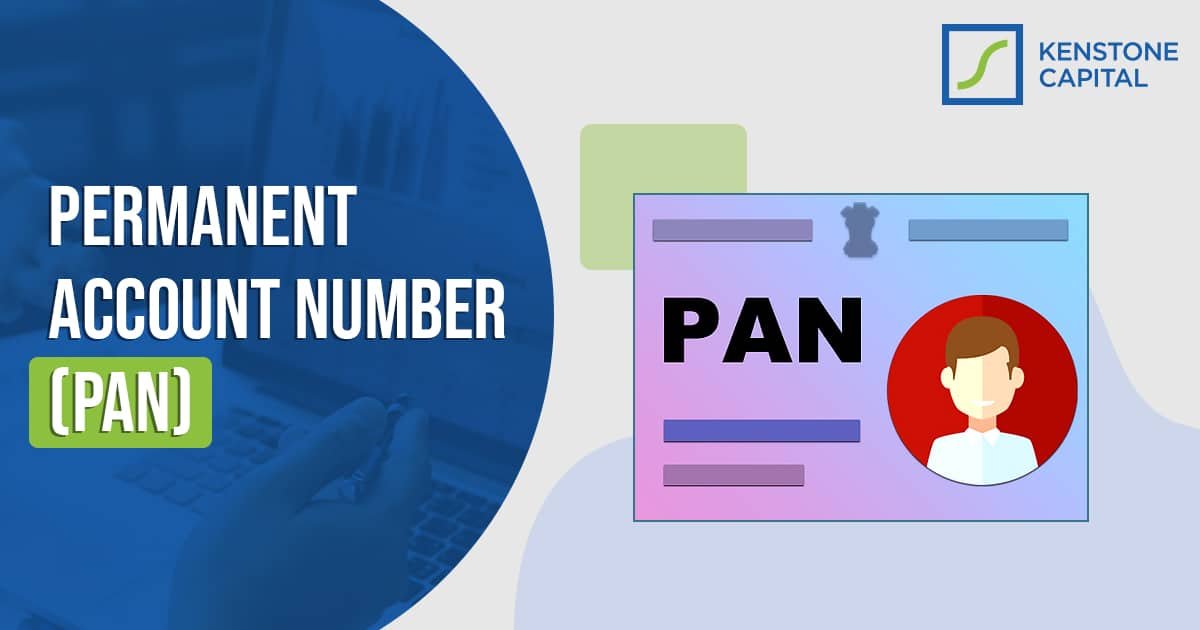
    Permanent Account Number (PAN) is a 10-digit unique identifier issued by the Income Tax Department of India. It’s mainly used to track an individual’s or an entity’s financial transactions and helps in maintaining an organized record for taxation purposes. Every PAN number is unique and has no expiration date, making it “permanent.”

    The PAN is essentially used to:

    • Track the income and tax-related activities of individuals and entities
    • Serve as an identification for filing income tax returns (ITR)
    • Act as a tool for preventing tax evasion
    • Streamline financial transactions for individuals and organizations

    PAN Full Form

    As mentioned earlier, PAN stands for Permanent Account Number. Let’s break it down:

    • Permanent: The PAN remains the same throughout your life.
    • Account: It is linked to your financial and tax records.
    • Number: The identifier is numerical, comprising a combination of alphabets and numbers.

    Unlike other identification numbers (like your Aadhaar or Voter ID), PAN is specifically linked to your financial transactions and acts as a crucial part of India’s tax infrastructure.

    Why is PAN Important?

    1. Essential for Tax Filing

    The primary use of PAN is for filing income tax returns (ITR). Without it, you won’t be able to file your taxes, as the government relies on PAN to track your earnings and tax contributions. Whether you’re filing a personal return or for a business, PAN is required.

    2. For Financial Transactions

    A PAN is needed for many financial activities, such as:

    • Opening a bank account
    • Purchasing property
    • Investing in stocks or bonds
    • Receiving income above a certain limit

    It serves as a proof of your identity for financial institutions, making your transactions more secure and traceable.

    3. For Tax Deduction and Collection

    When you earn income, a portion of it is often deducted at the source as tax. The Tax Deducted at Source (TDS) system uses PAN to ensure that tax payments are correctly credited. This helps in preventing double taxation and evasion.

    4. Preventing Tax Evasion

    PAN helps in maintaining transparency in financial dealings. By linking every transaction to a unique PAN, the Income Tax Department can track who’s receiving payments and from where. This ensures that tax payments are properly made and prevents tax evasion.

    5. For Business Transactions

    For businesses, having a PAN is mandatory for:

    • Filing business taxes (including GST and income tax returns)
    • Conducting large financial transactions
    • Opening a business bank account

    Thus, PAN is equally important for companies and businesses as it is for individuals.

    Who Needs PAN?

    Now that we know how vital PAN is, you might be wondering, “Who exactly needs it?”

    In India, PAN is mandatory for:

    1. Indian Citizens: Anyone earning above a certain income threshold, or involved in significant financial transactions, needs to have PAN.
    2. Non-Resident Indians (NRIs): PAN is also required for NRIs who want to invest in Indian stocks, file tax returns, or engage in other financial activities.
    3. Foreign Nationals: If you’re a foreign national living in India and involved in financial or investment transactions, you may also need a PAN.
    4. Businesses and Companies: PAN is essential for all types of businesses, including private limited companies, public limited companies, LLPs, and partnerships, who need to conduct financial transactions or file returns.

    How to Apply for PAN?

    Applying for PAN has become a very simple and streamlined process. Here’s how you can go about it:

    Step 1: Choose the Correct Application Form

    You can apply for PAN through the official NSDL or UTIITSL websites. The form required for individuals is Form 49A, and for foreign nationals, Form 49AA is used.

    Step 2: Fill in the Application Form

    The form requires your basic details, such as:

    • Name
    • Father’s name
    • Date of birth
    • Address
    • Contact details

    Step 3: Submit Identity Proof and Address Proof

    You’ll need to upload or provide documents that prove your identity and address. Some commonly accepted documents include:

    • Aadhaar card
    • Voter ID
    • Passport
    • Utility bills (for address proof)

    Step 4: Payment of Fees

    PAN application comes with a nominal fee. Payment can be made online via debit/credit card, net banking, or demand draft.

    Step 5: Receive PAN

    Once the application is submitted, the Income Tax Department processes it. You’ll receive your e-PAN within a few days, which is an electronically generated version of your PAN card. The physical PAN card will be sent to your registered address.

    What is an e-PAN?

    In addition to the physical PAN card, the Income Tax Department has introduced the e-PAN. It is an electronic version of your PAN card, which can be downloaded from the official portal. The e-PAN is equally valid as the physical PAN card and is widely accepted for various financial and tax-related purposes.

    PAN Card Format

    A PAN card consists of 10 characters:

    • The first five characters are letters.
    • The next four characters are numbers.
    • The last character is a letter.

    Here’s an example format of a PAN number: ABCDE1234F

    • The first three letters are random alphabets.
    • The fourth character is a letter denoting the type of entity (e.g., “P” for individuals, “C” for companies).
    • The fifth character is another random letter.
    • The next four digits are a unique numerical code.
    • The last letter is a check code.

    This unique combination helps ensure that each PAN number is distinct and can be used to identify the person or entity in the financial system.

    Benefits of PAN

    1. Tax Efficiency

    PAN helps in ensuring that taxes are paid on time and in the correct amount. It allows for better tracking of tax payments, reducing the chances of errors or discrepancies in tax calculations.

    2. Simplicity in Financial Transactions

    Having a PAN allows you to conduct major financial transactions, such as buying a house or car, without facing any legal hurdles. Financial institutions and banks need PAN details for smooth processing.

    3. Easy to Track Your Income

    Since PAN tracks all financial transactions, it becomes easier for individuals to manage their finances. You can view all your earnings and tax payments in a single record, helping you stay organized.

    4. Helps in Taking Loans

    PAN is mandatory when applying for loans, whether it’s a personal loan, car loan, or home loan. Lenders require PAN to verify your creditworthiness and income sources.

    Common Problems with PAN

    Though PAN is an essential document, there are a few common issues people face regarding their PAN:

    1. Lost or Damaged PAN Card

    If you lose your PAN card, don’t panic. You can easily apply for a duplicate card through the official portal. All you need to do is submit an online request along with a fee.

    2. Incorrect Details

    Sometimes, the details on your PAN card may be incorrect, such as a misspelled name or a wrong date of birth. This can be rectified by applying for a correction in your PAN card details.

    3. Linking PAN with Aadhaar

    With the government’s push towards digitalization, it’s mandatory to link your PAN with Aadhaar. This can be done online through the Income Tax portal, making your financial records more secure.

    Conclusion

    In the fast-paced world of finance and taxation, having a Permanent Account Number (PAN) is more than just a necessity. It’s a gateway to smooth financial transactions, tax filing, and a transparent financial system. Whether you’re an individual, business, or professional, PAN ensures that your transactions are traceable, secure, and legitimate.

    If you haven’t applied for your PAN yet, now is the time to do so! It’s quick, easy, and an essential tool for managing your financial life in India.

    What are your thoughts about PAN? Is there something you’ve learned today about PAN that you didn’t know before? Feel free to share your experience or ask questions in the comments below!

  • Differences Between Lawyers and Advocates: A Detailed Comparison

    Differences Between Lawyers and Advocates: A Detailed Comparison

    Differences Between Lawyers and Advocates: A Detailed Comparison

    If you’ve ever wondered about the distinction between a lawyer and an advocate, you’re not alone! While both are legal professionals, the terms often get confused and used interchangeably. Understanding their roles, qualifications, and scope of work is crucial for anyone seeking legal assistance or pursuing a career in law.

    In this blog post, we’ll delve into the differences between lawyers and advocates, comparing their qualifications, roles, responsibilities, and other key aspects. By the end of this post, you’ll have a clear understanding of the unique characteristics of both professions.

    Understanding the Basics: What Is a Lawyer?

    Before we dive into the comparison, let’s first clarify what each term means.

    Lawyer

    A lawyer is a general term used to describe someone who is qualified to provide legal advice and representation. They can offer legal services, but they may or may not represent clients in court. Lawyers typically work in various legal fields such as corporate law, criminal law, family law, and more.

    In some countries, the term “lawyer” is used broadly, while in others, it may be more specific to those who have completed their legal education but haven’t yet acquired the full qualifications or membership to practice law formally in court.

    What Is an Advocate?

    An advocate is a specific type of lawyer who specializes in representing clients in court. Advocates have additional qualifications or memberships that allow them to practice law in a more specialized capacity, typically involving litigation.

    Advocates are expected to represent clients in front of courts and tribunals, preparing cases for trial and defending or prosecuting matters in legal proceedings. They typically operate independently or as part of a legal firm specializing in litigation.

    Key Differences Between Lawyers and Advocates

    1. Qualification and Training

    AspectLawyerAdvocate
    QualificationA lawyer has a law degree (LL.B) and is often enrolled in the bar council or legal body of a country.An advocate is a lawyer who has gained specialized qualifications, often after enrolling with the respective Bar Council. They have undergone further training to appear in court.
    Bar Council EnrollmentA lawyer can practice in any field of law without being registered as an advocate.An advocate must be enrolled with the Bar Council of India (in India, for example) to practice in a court of law.
    Court AppearanceLawyers can advise clients but are not allowed to represent them in courts unless they are advocates.Advocates specialize in litigation and can represent clients in courts.

    2. Role and Scope of Work

    AspectLawyerAdvocate
    General WorkLawyers offer legal advice, prepare legal documents, and help clients understand legal rights and obligations.Advocates focus on litigation and represent clients in court. They may prepare legal strategies for trial, advocate on behalf of clients, and appear in court for hearings.
    LitigationLawyers may assist in drafting cases, contracts, or documents related to legal matters but don’t necessarily deal with litigation.Advocates are actively involved in litigation and courtroom procedures, arguing cases before judges.
    SpecializationLawyers may specialize in non-litigation fields such as corporate law, family law, or contract law.Advocates specialize in litigation, often focusing on specific types of cases such as civil, criminal, or constitutional law.

    3. Court Representation

    AspectLawyerAdvocate
    Court AppearancesLawyers generally cannot represent clients in court unless they are advocates.Advocates are authorized and qualified to represent clients in court proceedings.
    Client RepresentationLawyers typically handle legal paperwork, research, and counsel clients.Advocates represent clients in court by presenting cases, cross-examining witnesses, and making legal arguments.
    Advocacy SkillsLawyers may or may not have advanced advocacy skills necessary for presenting cases in front of a judge.Advocates must be skilled in oral arguments, cross-examinations, and drafting legal pleas and motions.

    4. Employment and Independence

    AspectLawyerAdvocate
    EmploymentLawyers often work in law firms, corporate organizations, or as in-house counsel for various industries.Advocates usually work as independent practitioners or are part of a legal chamber or a law firm that deals with court cases.
    IndependenceLawyers may be employed by companies, governments, or work for non-profits, and their roles may involve limited client interaction.Advocates work independently, representing clients in court and often having more direct interaction with clients.

    5. Public and Private Cases

    AspectLawyerAdvocate
    Private CasesLawyers often deal with private matters such as legal advice, contract review, family disputes, etc.Advocates represent clients in public cases and litigation matters, including criminal defense, public interest cases, and other courtroom appearances.
    Legal DocumentationLawyers are skilled at drafting documents, such as wills, contracts, and corporate agreements.Advocates are specialized in presenting these documents in court as part of the litigation process.

    Similarities Between Lawyers and Advocates

    Though there are clear distinctions, lawyers and advocates do have some common aspects:

    1. Educational Background: Both lawyers and advocates are required to have a law degree (LL.B) from a recognized university.
    2. Legal Knowledge: Both professions require extensive knowledge of law, legal principles, and procedural rules.
    3. Legal Advice: Both can offer legal advice and help clients understand their legal standing and options.
    4. Certification: Both need to be certified and registered with the respective Bar Council or legal body in their respective countries.

    Conclusion: Which One Do You Need?

    Now that we’ve compared the roles of lawyers and advocates, you might be wondering: Which one should I approach for my legal matter?

    • For Non-Litigation Services: If you need help with legal advice, drafting contracts, reviewing documents, or handling family matters, a lawyer will be your go-to professional.
    • For Litigation Matters: If you need someone to represent you in court, whether for a criminal case, civil lawsuit, or public legal matter, you should consult an advocate.

    It’s important to note that all advocates are lawyers, but not all lawyers are advocates. If your case requires courtroom representation, an advocate will have the necessary qualifications and experience to help you.

    Hopefully, this breakdown clears up the confusion between lawyers and advocates. Understanding their roles can help you make the best decision when seeking legal help. Whether you’re dealing with a contract dispute, a family issue, or a complex courtroom case, you’ll now know exactly who to reach out to.

    Do you have any more questions about the legal profession or need help choosing the right professional for your case? Feel free to leave a comment below or reach out!

  • The Link Between MCLR and CIBIL: What Borrowers Need to Know

    The Link Between MCLR and CIBIL: What Borrowers Need to Know

    The Link Between MCLR and CIBIL: What Borrowers Need to Know

    When you think about loans, two crucial factors often come into play: MCLR (Marginal Cost of Funds Based Lending Rate) and CIBIL score. But how exactly are these two connected? If you’ve ever applied for a loan or are planning to do so, understanding this link can help you get better interest rates and improve your financial standing. Let’s break it down in simple terms and uncover how your credit score influences MCLR-linked loans.

    Understanding MCLR: The Backbone of Loan Interest Rates

    Before we dive into the connection, let’s first understand MCLR. Introduced by the Reserve Bank of India (RBI) in April 2016, MCLR replaced the older base rate system to bring more transparency in lending rates.

    MCLR is essentially the minimum interest rate at which banks can lend money. It is calculated based on various factors, including repo rate, deposit rates, operational costs, and the bank’s profit margin. The idea behind MCLR was to ensure that when RBI reduces policy rates, banks pass on the benefits to customers faster.

    Now, if MCLR drops, it means lower interest rates on floating-rate loans (like home loans). But here’s the catch: while MCLR influences the loan rates, your CIBIL score plays a role in determining the final interest rate you’ll be offered.

    CIBIL Score: Your Creditworthiness Report Card

    Your CIBIL score is a three-digit number ranging from 300 to 900 that represents your creditworthiness. It is determined by your repayment history, credit utilization, length of credit history, and credit mix. A higher score means you are more financially disciplined, making banks view you as a low-risk borrower.

    For example:

    • CIBIL score of 750 and above – Considered excellent; you can negotiate for better interest rates.
    • CIBIL score between 650-750 – Acceptable but may not fetch you the lowest rates.
    • CIBIL score below 650 – High risk; banks may charge a premium or even reject your loan application.

    Now, you might be wondering: How does my CIBIL score impact MCLR-linked loans?

    The Connection Between MCLR and CIBIL Score

    MCLR sets the base rate, but the actual interest rate you get depends on several factors, including your CIBIL score. Here’s how:

    1. Banks Offer Credit Spread Over MCLR Based on Risk
      While MCLR defines the base interest rate, banks add a spread (or margin) depending on the borrower’s risk profile. If you have a high CIBIL score (750+), your credit risk is lower, so banks might offer you a smaller spread. But if your score is low, the bank will increase the spread to compensate for the higher risk.
    2. CIBIL Score Influences Loan Approval
      Even though MCLR determines loan rates, having a poor CIBIL score could lead to outright loan rejection. So, while MCLR ensures a fair and transparent rate structure, your creditworthiness still plays a crucial role.
    3. Negotiation Power With a High CIBIL Score
      Borrowers with excellent CIBIL scores can negotiate with banks to reduce the spread over MCLR, thereby lowering the effective interest rate. Banks want to lend to responsible borrowers and might be willing to offer better deals.
    4. Impact on Loan Refinancing
      If your CIBIL score improves over time, you may be eligible to refinance your loan at a lower rate by switching to another lender. Since banks calculate interest rates based on MCLR + Spread, an improved credit score can get you a better deal when switching lenders.

    Scenario-Based Analysis: How It Works in Real Life

    Let’s take two borrowers, Rohan and Amit, both applying for home loans:

    • Rohan’s Profile: CIBIL Score = 780, Good credit history, Stable income
    • Amit’s Profile: CIBIL Score = 620, Missed a few credit card payments, Irregular repayment history

    Now, assume the bank’s MCLR is 7.5%.

    • Rohan (Low-risk borrower): MCLR (7.5%) + Spread (0.3%) = 7.8% interest rate
    • Amit (High-risk borrower): MCLR (7.5%) + Spread (1.2%) = 8.7% interest rate

    Because of his low CIBIL score, Amit ends up paying nearly 1% more in interest compared to Rohan. Over the loan tenure, this difference can amount to lakhs of rupees.

    How to Improve Your CIBIL Score to Benefit From Lower MCLR-Linked Rates

    Since your CIBIL score significantly impacts your loan’s final interest rate, improving it can help you get better terms. Here are a few tips:

    • Pay EMIs & Credit Card Bills on Time – Late payments hurt your score. Set reminders or automate payments.
    • Keep Credit Utilization Low – Try not to use more than 30% of your credit limit. A high usage suggests financial distress.
    • Avoid Frequent Loan Applications – Too many loan inquiries lower your score. Apply for credit only when necessary.
    • Maintain a Healthy Credit Mix – A balance of secured (home loan, auto loan) and unsecured (credit cards, personal loans) credit boosts your score.
    • Check Your CIBIL Report Regularly – Errors in your credit report can bring down your score. If you find discrepancies, raise a dispute with CIBIL.

    Fixed vs Floating Rate Loans: Where Does MCLR Fit In?

    While MCLR applies mainly to floating-rate loans, it’s important to know the difference:

    • Fixed-rate loans – The interest remains constant throughout the tenure. MCLR has no impact here.
    • Floating-rate loans – The interest rate changes periodically based on MCLR movements. Borrowers can benefit when MCLR drops, but they need a good CIBIL score to get the best rate.

    So, if you’re planning to take a home loan or business loan, opting for an MCLR-linked floating rate can be beneficial, provided you maintain a strong credit profile.

    Final Thoughts: Why You Should Care About Both MCLR and CIBIL

    If you’re taking a loan, MCLR determines the minimum rate the bank can offer, while your CIBIL score decides how much extra you’ll pay over that base rate. In short:

    • A high CIBIL score (750+) helps you secure loans at lower spreads over MCLR.
    • A low CIBIL score means higher spreads, resulting in costlier loans.
    • MCLR fluctuations affect floating-rate loans, but your CIBIL score remains a crucial factor in determining your final interest rate.

    So, before applying for a loan, check both the bank’s MCLR and your credit score. If your score is low, work on improving it first. A little effort today can save you thousands (or even lakhs) in interest payments over the years.

  • CIBIL TransUnion Score 2.0: Everything You Need to Know

    CIBIL TransUnion Score 2.0: Everything You Need to Know

    CIBIL TransUnion Score 2.0: Everything You Need to Know

    Imagine this—you walk into a bank, confident about getting that home loan or a new credit card, only to be told that your CIBIL score isn’t quite where it needs to be. You check your score, and it seems different from what you expected. What’s going on? Well, welcome to the world of CIBIL TransUnion Score 2.0—an upgraded, more refined way to assess your creditworthiness.

    Whether you’re applying for a loan, managing your credit, or just curious about how lenders evaluate borrowers, understanding CIBIL 2.0 is crucial. This enhanced scoring system helps financial institutions make smarter lending decisions while giving borrowers a fairer, more accurate representation of their financial behavior.

    But what exactly has changed? How does CIBIL TransUnion Score 2.0 affect your borrowing power? And most importantly—what can you do to ensure you maintain a healthy score? Let’s break it all down in an interactive, easy-to-understand way!

    What is CIBIL TransUnion Score 2.0?

    CIBIL TransUnion Score 2.0 is an advanced version of the traditional CIBIL score that offers a more refined and accurate assessment of a borrower’s creditworthiness. This version is designed to be more predictive, helping banks and financial institutions make better lending decisions. Simply put, it’s a smarter and more reliable version of the standard CIBIL score.

    But here’s the interesting part – this new version considers additional factors to give a more precise picture of your credit profile. So, if you’ve been maintaining a good credit score, you might see some changes when you check your CIBIL 2.0 score!

    Why Was CIBIL Score Upgraded to 2.0?

    You might be wondering, Why fix something that isn’t broken? Well, as more people started using credit, the old model had certain limitations. The financial landscape has evolved, and lenders needed a better way to assess risk. The new CIBIL TransUnion Score 2.0 was introduced to:

    • Provide a more accurate risk prediction for lenders.
    • Differentiate new borrowers from experienced ones.
    • Adjust to the changing trends in credit usage and repayment behavior.
    • Improve the assessment of high-risk borrowers who previously had misleading scores.

    In simple terms, it helps banks and NBFCs make better lending decisions, and for borrowers, it means fairer evaluation.

    Key Differences Between CIBIL Score and CIBIL TransUnion Score 2.0

    Let’s compare the traditional CIBIL score with CIBIL TransUnion Score 2.0 to understand what’s new:

    FeatureTraditional CIBIL ScoreCIBIL TransUnion Score 2.0
    Score Range300 to 900300 to 900
    Risk CategorizationLimitedMore Advanced
    Treatment of New BorrowersNot Well DefinedClearer Differentiation
    Weightage on Recent Credit BehaviorLessHigher
    PredictabilityStandardMore Accurate

    One of the biggest highlights is that CIBIL 2.0 scores new-to-credit (NTC) borrowers differently. If you’re someone who recently took your first loan, your score will be adjusted accordingly instead of being unfairly compared to long-time credit users.

    How is CIBIL TransUnion Score 2.0 Calculated?

    While the exact algorithm remains confidential, here are the major factors that influence your CIBIL TransUnion Score 2.0:

    • Repayment History (30%) – Your record of timely EMI and credit card bill payments.
    • Credit Utilization (25%) – The percentage of your available credit limit you use regularly.
    • Credit Mix (20%) – A healthy mix of secured (home loan, car loan) and unsecured (credit cards, personal loans) credit boosts your score.
    • Recent Credit Activity (15%) – Too many loan applications in a short period can negatively impact your score.
    • Credit History Length (10%) – The longer your credit history, the better your score.

    Now, here’s something new – CIBIL 2.0 gives more weightage to recent credit behavior. So, even if you made mistakes in the past, improving your recent credit habits can positively impact your score.

    How Does CIBIL TransUnion Score 2.0 Impact You?

    So, what does this upgraded version mean for borrowers like you? Here’s how it affects different credit users:

    1. For First-Time Borrowers: Your credit score won’t be unfairly compared to seasoned borrowers. Lenders will get a more accurate picture of your risk level.

    2. For Those With Good Credit History: If you have been financially disciplined, your score might improve. Banks may offer better interest rates and loan terms.

    3. For Those With a History of Defaults: Your score may be lower if you have frequent missed payments.  Banks will now have a more precise assessment of your credit risk.

    How to Improve Your CIBIL TransUnion Score 2.0

    If you want to boost your CIBIL TransUnion Score 2.0, follow these proven strategies:

    •  Pay Your Bills on Time – Even one missed EMI can impact your score.
    • Maintain a Low Credit Utilization Ratio – Keep it under 30% for a better score.
    • Avoid Too Many Loan Applications – Each hard inquiry affects your score negatively.
    • Keep a Good Credit Mix – A combination of secured and unsecured loans works best.
    • Regularly Check Your Credit Report – Identify errors and raise disputes if needed.

    By making these small changes, you can steadily improve your CIBIL TransUnion Score 2.0 and enjoy better loan terms, lower interest rates, and higher credit limits.

    Myths and Facts About CIBIL TransUnion Score 2.0

    There’s a lot of misinformation about credit scores. Let’s clear up some common myths:

    ❌  Myth: Checking your CIBIL score frequently lowers it.

    ✅  Fact: Checking your own score is a soft inquiry and doesn’t impact your score.

    ❌  Myth: Closing old credit cards will improve your score.

    ✅  Fact: Longer credit history is beneficial; closing old accounts can hurt your score.

    ❌  Myth: A high salary guarantees a high credit score.

    ✅  Fact: Your credit behavior (not income) determines your score.

    Final Thoughts: Why CIBIL TransUnion Score 2.0 Matters

    CIBIL TransUnion Score 2.0 is a more advanced and fair system to assess borrowers. Whether you are a first-time borrower, a responsible credit user, or someone looking to rebuild credit, this updated version works in your favor.

    So, if you’re planning to take a loan, start by checking your CIBIL TransUnion Score 2.0. Keep your finances in check, pay your dues on time, and watch your creditworthiness soar!

    Got questions about CIBIL 2.0? Drop them in the comments, and let’s discuss!

  • What is Contra Entry: Meaning, Examples, Format, Advantages

    What is Contra Entry: Meaning, Examples, Format, Advantages

    What is Contra Entry: Meaning, Examples, Format, Advantages

    In accounting, clarity and accuracy are paramount. Every transaction in an organization, from sales to purchases, needs to be properly recorded. However, some transactions don’t directly impact the profit and loss statement but are still important. This is where contra entries come into play.

    If you’re diving into the world of accounting, it’s essential to understand what contra entries are, why they’re used, and how they affect your books. In this blog, we’ll explore the contra entry concept, its meaning, examples, format, and the advantages it brings to accounting.

    What is a Contra Entry?

    A contra entry is a type of journal entry that involves both debit and credit entries but within the same account. Essentially, it refers to transactions that offset or cancel out the effect of other transactions. This helps in keeping the balance sheet accurate without disturbing the overall financial reporting.

    The term “contra” comes from Latin, meaning “against” or “opposite,” which is exactly what happens in a contra entry: one entry will offset the other. These entries are used to adjust the balances within accounts and are mostly used for bank transactions like withdrawals and deposits.

    In simpler terms, a contra entry is an accounting technique where both the debit and credit entries are recorded within the same account, effectively canceling each other out.

    Examples of Contra Entries

    To give you a clearer understanding, let’s look at some examples of contra entries:

    1. Bank Withdrawals and Deposits

    If you deposit money into your bank account, you’ll have a corresponding withdrawal entry to offset the deposit.

    • Example 1: Bank Deposit
      • You deposit $500 into your bank account from your cash account.
      • The contra entry here would be:
        • Debit: Cash Account $500
        • Credit: Bank Account $500

    The deposit increases the bank account balance, while the credit to the cash account decreases its balance, showing a transfer between the two accounts.

    2. Transfer Between Bank Accounts

    If you transfer money from one bank account to another, a contra entry is used to reflect this movement of funds without affecting the overall cash or bank balances.

    • Example 2: Bank Transfer
      • You transfer $1,000 from your checking account to your savings account.
      • The contra entry would be:
        • Debit: Savings Account $1,000
        • Credit: Checking Account $1,000

    This ensures that both bank accounts reflect the transfer, but the total cash balance remains the same.

    3. Cash Withdrawal from Bank

    When you withdraw cash from your bank account, you need to record the decrease in the bank account and the increase in the cash account.

    • Example 3: Cash Withdrawal
      • You withdraw $200 from the bank.
      • The contra entry would be:
        • Debit: Bank Account $200
        • Credit: Cash Account $200

    The bank account decreases with the withdrawal, while the cash account increases as you now hold that cash.

    4. Purchase of Fixed Assets

    When a fixed asset like furniture or machinery is bought, the contra entry adjusts for the depreciation of that asset over time.

    • Example 4: Purchase of Furniture
      • Suppose you purchase a piece of furniture for $1,000.
      • The contra entry might look like:
        • Debit: Furniture Account $1,000
        • Credit: Bank Account $1,000

    This reflects that the cash or bank account decreased by the value of the purchase, while the asset account (furniture) increases by the same amount.

    Contra Entry Format

    Now that we’ve seen some examples, let’s dive into the typical format of a contra entry.

    Here’s how a contra entry would generally be recorded in a journal entry format:


    DateAccountDebit ($)Credit ($)
    MM/DD/YYYYCash AccountXXXX
    MM/DD/YYYYBank AccountXXXX

    Narration: Transfer from Cash to Bank

    DateAccountDebit ($)Credit ($)
    MM/DD/YYYYBank AccountXXXX
    MM/DD/YYYYCash AccountXXXX

    Narration: Withdrawal from Bank Account

    These entries will balance out since the debit and credit amounts are the same. The key here is that both the debit and credit transactions happen within accounts that impact the same asset (bank or cash), ensuring no overall effect on the company’s net balance.

    Advantages of Contra Entries

    While contra entries may seem straightforward, they offer significant advantages, especially for businesses dealing with frequent transactions between accounts. Let’s explore the benefits of using contra entries:

    1. Maintaining Clarity

    By using contra entries, companies ensure that their accounts are accurate and clear. For example, a contra entry will accurately show that money has been transferred from one account to another, rather than just showing it as a simple increase or decrease in a single account.

    2. Efficient Record-Keeping

    Instead of recording every transfer or transaction separately (which could complicate the ledger), contra entries help in simplifying the record-keeping process. Everything is logged in one place, making the books easier to maintain and review.

    3. No Effect on Overall Financial Position

    One of the most significant advantages of a contra entry is that it doesn’t impact the overall financial position. Since it involves a debit and a credit of the same amount, it doesn’t alter the company’s total assets, liabilities, or equity. This is particularly useful for organizations where internal transfers occur frequently.

    4. Streamlined Bank Reconciliation

    For businesses that deal with multiple bank accounts or cash reserves, contra entries help streamline the reconciliation process. When reconciling bank statements with internal records, contra entries reflect accurate movements of funds without affecting the net balance.

    5. Helps in Financial Analysis

    Contra entries allow accountants to track the flow of funds more precisely. This is particularly useful when preparing financial reports or auditing financial records, as the movement between accounts is clearly recorded.

    When Should You Use Contra Entries?

    While contra entries are often used for bank transactions, there are a few scenarios when they are particularly useful:

    1. Bank Transfers: When transferring funds between different bank accounts (e.g., savings to checking accounts).
    2. Cash Withdrawals or Deposits: Whenever there is a movement of money from one account to another without affecting the overall balance.
    3. Asset Purchases: When assets are bought or sold, contra entries help balance out the corresponding cash movement.
    4. Reversing Transactions: Contra entries are often used when reversing a transaction that was recorded in error.

    Conclusion

    Contra entries are an essential concept in accounting, providing a systematic way to handle transactions that involve the same account. Whether you’re transferring funds between bank accounts or withdrawing cash, contra entries help maintain accuracy, streamline record-keeping, and ensure that the financial records reflect these adjustments correctly.

    Understanding when and how to use contra entries will improve your accounting process, making it easier to track financial activity and maintain an organized, transparent set of books. Whether you’re a small business owner or managing the finances of a large company, mastering contra entries is an important step in becoming proficient at managing financial transactions.

    Do you use contra entries in your organization’s accounting practices? Let us know your thoughts and any questions you might have in the comments below!

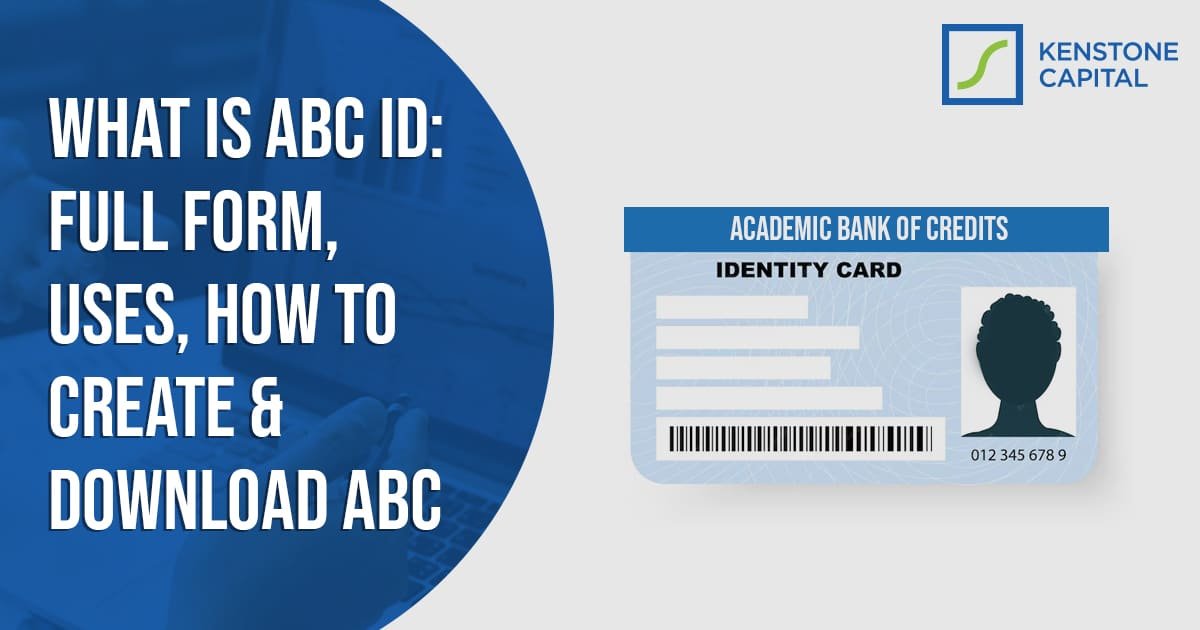
  • ABC ID: Full Form, Uses, How to Create & Download Your ABC ID Card

    ABC ID: Full Form, Uses, How to Create & Download Your ABC ID Card

    ABC ID: Full Form, Uses, How to Create & Download Your ABC ID Card

    In today’s world, where everything is becoming digital and more streamlined, the need for proper identification is more crucial than ever. This is where ABC ID comes into play. If you’ve ever wondered about the ABC ID, its uses, how to create one, and how to download your ABC ID card, you’re in the right place. In this blog, we’ll dive deep into the ABC ID system and explore how it works, why it’s so important, and how you can create and download your very own ABC ID card.

    What is ABC ID?

    Let’s start with the basics! ABC ID is a unique identification system used by various organizations for recognizing individuals within their specific frameworks. Think of it as your personal ticket or pass into a system or organization, whether it’s a school, university, company, or even government-based institutions.

    But what does ABC stand for? Well, it’s not always the same. In some cases, ABC ID can refer to:

    • Authorization-Based Card Identification: This indicates that the card is used primarily for verification and authorization purposes.
    • Academic-Based Card: In educational institutions, it can be used for verifying student and staff identities, granting access to facilities and services.
    • Access-Based Card: In corporate environments, it can be an access pass to enter premises or to use certain systems.

    As the name suggests, the ABC ID serves as a critical tool for managing and monitoring the activities of individuals within a specific space.

    Why is ABC ID Important?

    Whether you’re a student, an employee, or a member of a specific institution, the ABC ID plays a key role in ensuring that there’s a clear and verified method for identifying you. Here are a few reasons why ABC IDs are so important:

    1. Unique Identification

    An ABC ID provides you with a unique identifier that distinguishes you from everyone else in the system. Whether you’re a student on a campus or an employee in a company, your ABC ID helps the system recognize you easily and accurately.

    2. Streamlined Access Control

    In companies or schools that use an ABC ID, the card may allow you to access certain areas, such as secured rooms or buildings. This ensures that only authorized individuals are granted access.

    3. Record Keeping

    For educational institutions or large companies, an ABC ID helps track attendance, activities, and even performance. For example, a student might use their ABC ID for logging into a learning management system or for library checkouts.

    4. Enhanced Security

    Since ABC IDs are often tied to your personal data and are used in access control systems, they add an extra layer of security, protecting both individuals and the organization from unauthorized access.

    5. Digital Integration

    In modern systems, an ABC ID is often integrated with digital systems, allowing for contactless access and efficient tracking of your actions within the organization, whether it’s for work-related tasks, school activities, or personal access.

    Common Uses of ABC ID

    Now that we’ve established what an ABC ID is, let’s take a look at how it’s used across different settings:

    1. Educational Institutions

    For students and staff, the ABC ID can serve as an all-in-one card for:

    • Access to Campus: Whether it’s a university or a school, your ABC ID might serve as your entry pass to the campus.
    • Library and Resource Access: Students can use their ABC ID to check out books and access other resources.
    • Attendance Tracking: Schools and universities can use ABC IDs to monitor attendance via swipe systems, which automatically log when you enter or leave certain locations.

    2. Corporate Environments

    In the workplace, an ABC ID can be used to:

    • Office Access: Employees can use their ABC ID to enter the office building or restricted areas.
    • Authentication for Digital Systems: Your ABC ID can be used to authenticate you to systems or networks, ensuring only authorized personnel have access.
    • Tracking Employee Activities: Companies can also track working hours, meetings, and activities through the ABC ID.

    3. Government and Public Services

    For government services, ABC IDs are used for:

    • Voter Identification: Certain regions may use ABC IDs as a form of voter ID for elections.
    • Citizen Services: Some government departments use these IDs to ensure that citizens have access to the necessary services, benefits, and programs.

    4. Healthcare Systems

    Hospitals and healthcare providers may issue ABC IDs to:

    • Patient Identification: Ensure the correct identification of patients and their medical history.
    • Staff and Practitioner Access: Doctors and medical staff may use their ABC IDs to access patient records, secure areas, and medical equipment.

    How to Create an ABC ID

    Now, let’s move on to the exciting part – creating your very own ABC ID! Whether you’re a student or an employee, here’s a general process for creating your ABC ID:

    Step 1: Register with the Organization

    Before you can receive an ABC ID, you typically need to be registered with the organization. This could be your university, your workplace, or any institution that issues the ID. Your personal data, such as your name, photograph, and any other details, will be required during registration.

    Step 2: Submit Necessary Documents

    Depending on the organization, you may need to submit identification documents or other proofs of your status (student ID, employee contract, etc.). These documents help verify your identity and role within the institution.

    Step 3: Get Your Details Entered

    Once your documents are processed, the next step is entering your personal and professional details into the system. This could include:

    • Name
    • Date of Birth
    • Contact Information
    • Role (Student, Employee, Member, etc.)

    Step 4: Photo and Other Verification

    Organizations will often require you to submit a photo for your ABC ID. This photo is used for identification purposes. In some cases, biometric data (like fingerprints) might also be captured for additional security.

    Step 5: Approval and Issuance

    Once your details are verified, your ABC ID will be created. You may receive a physical card or a digital ID, depending on the institution’s preferences. For physical cards, these are usually printed and given to you directly.

    How to Download Your ABC ID Card (Digital)

    Many institutions today offer digital versions of their ABC IDs, allowing you to access your ID through an app or website. Here’s how you can download your ABC ID digitally:

    Step 1: Login to the Institution’s Portal

    Most schools, universities, or companies will have an online portal. Log into the portal using your credentials (username and password) assigned by the institution.

    Step 2: Navigate to the ABC ID Section

    Look for a section dedicated to “ID Cards” or “Student/Employee Profiles.” Some portals may have a “Digital ID Card” section for quick access.

    Step 3: Download Your Digital Card

    Once you find the digital ID section, there will typically be an option to download or generate your ABC ID. You may be given the option to download it as a PDF or an image file.

    Step 4: Save or Print Your Card

    Once downloaded, you can either save the digital card to your phone or computer or print it out. If it’s used for physical access, make sure to follow any additional instructions provided by your institution.

    Tips for Keeping Your ABC ID Safe

    While the ABC ID is a great tool for identification and access control, it’s essential to keep it secure. Here are some tips for protecting your ID:

    • Keep Your Card Secure: If you’re using a physical ABC ID, make sure to store it in a safe place and never leave it unattended in public.
    • Do Not Share Your Credentials: If your ABC ID is digital, never share your login credentials with anyone. This ensures your ID stays secure from unauthorized access.
    • Report Loss or Theft Immediately: If you lose your ABC ID or it’s stolen, report it immediately to your organization so they can deactivate it and issue a new one.
    • Use Multi-Factor Authentication: If your organization supports it, enable multi-factor authentication for extra security.

    Conclusion

    The ABC ID system is a vital tool for identification, access control, and tracking in educational institutions, corporate settings, and government systems. Whether physical or digital, it provides a secure and streamlined method for verifying individuals and protecting the integrity of systems.

    Now that you know what ABC ID is, its uses, how to create one, and how to download your digital ID, you’re all set to leverage this system in any organization or institution you belong to.

    So, whether you’re getting your student ID, employee pass, or any other form of ABC ID, you’re already on your way to enjoying its benefits!

    Have you created your ABC ID yet? Share your experience or ask any questions you might have below!

  • Cancelled Cheque – Everything You Need to Know

    Cancelled Cheque – Everything You Need to Know

    Cancelled Cheque – Everything You Need to Know

    A cancelled cheque is a crucial financial document that plays a significant role in various banking and financial transactions. While it may seem like just a piece of paper with the word “CANCELLED” written on it, it serves as an essential tool for verification, authorization, and account validation.

    In this detailed guide, we will cover:

    What is a cancelled cheque?
    Why is it required?
    When do you need to provide one?
    How to properly cancel a cheque?
    Precautions to take when submitting a cancelled cheque
    Frequently asked questions

    Let’s dive in!

    What is a Cancelled Cheque?

    A cancelled cheque is a cheque that has been crossed with two diagonal lines and marked with the word “CANCELLED” written in bold across it. It is not used for making payments but serves as a proof of ownership of a bank account.

    Even though a cancelled cheque is not a negotiable instrument, it still contains important banking details, such as:

    • Bank’s Name & Branch
    • Account Holder’s Name (if printed on the cheque)
    • Account Number
    • IFSC Code (Indian Financial System Code)
    • MICR Code (Magnetic Ink Character Recognition Code)

    Since a cancelled cheque does not have a signature, it cannot be used to withdraw funds but is widely used for verification and processing of financial transactions.

    Why is a Cancelled Cheque Required?

    A cancelled cheque is required in various financial situations where account verification is necessary. Organizations request a cancelled cheque to ensure that the bank details provided by an individual match the official banking records.

    Here are some common scenarios where you might need a cancelled cheque:

    1. Bank Account Verification

    When you open a new bank account, whether savings, current, or salary, banks often ask for a cancelled cheque to verify your account details.

    2. Loan Applications

    For loans such as:
    Home loans
    Personal loans
    Business loans
    Car loans

    Banks and financial institutions use a cancelled cheque to verify the borrower’s account before disbursing the loan amount. It also helps in setting up EMI deductions for loan repayments.

    3. Automated Payments & ECS (Electronic Clearing Service) Mandates

    A cancelled cheque is necessary when setting up:

    • SIP (Systematic Investment Plan) for mutual funds
    • Recurring bill payments (electricity, water, gas, mobile, etc.)
    • Loan EMI deductions

    These payments require linking a bank account, and a cancelled cheque helps in ensuring the correct account is linked for automatic debits.

    4. EPF (Employee Provident Fund) Withdrawals

    If you want to withdraw money from your Employee Provident Fund (EPF), a cancelled cheque is required to process the request. The Employees’ Provident Fund Organization (EPFO) asks for a cancelled cheque to confirm that the funds are deposited into the correct bank account.

    5. Investment & Stock Market Trading (KYC Process)

    To open a Demat account or invest in stocks, mutual funds, or bonds, financial institutions require a cancelled cheque as part of the KYC (Know Your Customer) verification process. This ensures that the funds used for investments and withdrawals are linked to the correct account.

    6. Insurance Policy Premiums & Payouts

    For buying life insurance, health insurance, or vehicle insurance, a cancelled cheque is required to:

    • Set up auto-debit for insurance premiums
    • Process policy payouts and maturity claims

    7. Employer Salary Account Setup

    When you join a new company, HR may request a cancelled cheque to set up your salary account to ensure monthly salaries are credited to the correct bank account.

    8. EMI & Credit Card Payments

    Banks and financial institutions require a cancelled cheque to link a bank account for auto-debit of EMIs and credit card bill payments.

    9. Refund Processing for Cancellations

    When you request a refund for travel bookings, insurance cancellations, or investment redemptions, companies may ask for a cancelled cheque to verify your bank account before transferring the refund amount.

    Is a Cancelled Cheque Safe to Give?

    Yes, a cancelled cheque is safe to provide, as it does not contain your signature and cannot be used for transactions. However, there are still some important precautions you should take to prevent fraud.

    Precautions to Take When Providing a Cancelled Cheque

    Always write “CANCELLED” in bold letters across the cheque.
    Do not sign the cheque to prevent misuse.
    Hand over only to trusted institutions such as banks, employers, or verified financial service providers.
    Ensure all details are clearly visible, including the bank name, IFSC code, and account number.
    Do not leave extra blank cheques unattended, as they can be misused.

    How to Write a Cancelled Cheque?

    It’s simple to cancel a cheque. Follow these steps:

    Step-by-Step Guide

    1. Take a blank cheque from your chequebook.
    2. Draw two diagonal lines across the cheque.
    3. Write “CANCELLED” in bold letters between the lines.
    4. Do not sign the cheque.
    5. Ensure that the bank details (account number, IFSC code, MICR code) are clearly visible.

    Once done, the cancelled cheque is ready to be submitted!

    FAQs on Cancelled Cheques

    1. Can a cancelled cheque be misused?

    No, a cancelled cheque cannot be used to withdraw money since it does not contain your signature. However, it should still be given only to trusted entities.

    2. Can I use a photocopy of a cancelled cheque?

    Some organizations accept a photocopy, but others may require the original cheque for verification purposes.

    3. Do I need to fill in any details before cancelling a cheque?

    No, you do not need to fill in any details like payee name, amount, or date. Just cross it with two diagonal lines and write “CANCELLED.”

    4. What if I don’t have a chequebook?

    If you do not have a chequebook, you can provide:
    ✔ A bank statement with account details
    ✔ A personalized deposit slip
    ✔ A bank verification letter

    5. Does a cancelled cheque have an expiry date?

    No, a cancelled cheque does not expire, as it is not used for transactions. However, some institutions may request a recent one (within 3-6 months).

    Final Thoughts

    A cancelled cheque is an important banking document used for verification, loan processing, salary account setup, investments, and more. While it is safe to use, always ensure that you provide it only to trusted institutions and never sign it.

    Now that you understand the significance of a cancelled cheque, you’ll be better prepared the next time you’re asked to provide one!

  • Corporate Identification Number (CIN): Everything You Need to Know

    Corporate Identification Number (CIN): Everything You Need to Know

    Corporate Identification Number (CIN): Everything You Need to Know

    Introduction

    Have you ever noticed a long alphanumeric code on a company’s official documents and wondered what it means? That’s the Corporate Identification Number (CIN)-a unique identifier for companies registered in India. Whether you’re an entrepreneur starting your own venture, an investor researching companies, or just someone curious about corporate compliance, understanding CIN is essential.

    In this blog, we’ll break down everything you need to know about CIN: what it is, why it’s important, how to find it, and how it plays a role in corporate governance. So, let’s dive right in!

    What is a Corporate Identification Number (CIN)?

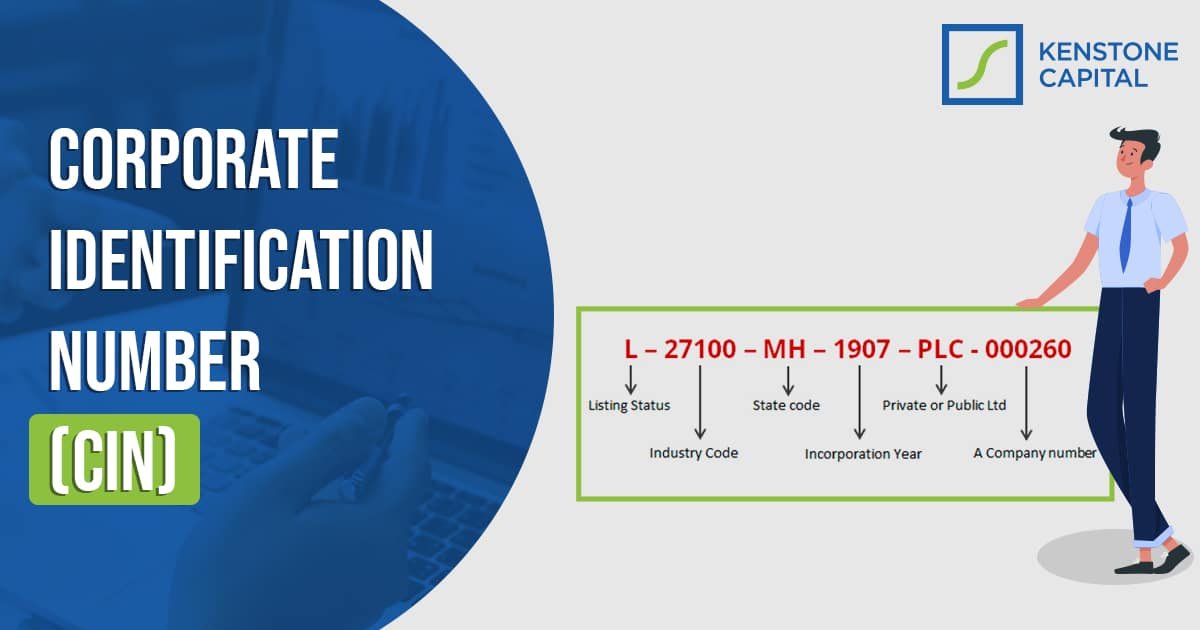
    A Corporate Identification Number (CIN) is a unique 21-digit alphanumeric code assigned to every company registered under the Ministry of Corporate Affairs (MCA) of India. This number serves as a company’s identity and is used for tracking and regulatory purposes.

    CIN is issued by the Registrar of Companies (ROC) at the time of company registration. It helps government authorities, stakeholders, and the public access important information about a company.

    Breaking Down a CIN Number

    A CIN follows a structured format, which can be broken down as follows:

    Example CIN: L12345MH2024PLC012345

    Each part of this number has a specific meaning:

    1. First Character (L/U) – Indicates whether the company is listed (L) or unlisted (U) on the stock exchange.
    2. Next Five Digits (12345) – Represents the industry code, signifying the sector the company operates in.
    3. Next Two Letters (MH) – Denotes the state in which the company is registered. (E.g., DL for Delhi, KA for Karnataka, MH for Maharashtra)
    4. Next Four Digits (2024) – Represents the year of incorporation.
    5. Next Three Letters (PLC) – Indicates the type of company:
      • PLC – Public Limited Company
      • PTC – Private Limited Company
      • GAP – General Association Public
      • FTC – Foreign Company
      • NPL – Not-for-Profit Organization
    6. Last Six Digits (012345) – Unique registration number assigned by the ROC.

    Why is CIN Important?

    Now that we know what CIN is, Let’s dive deeper into why the Corporate Identification Number (CIN) is so important for businesses, particularly in India.

    1. Unique Business Identity

    The CIN is a unique, 21-digit alphanumeric code issued to companies registered under the Companies Act, 2013, by the Ministry of Corporate Affairs (MCA). It acts as an official identity for each company, similar to an individual’s passport or national identification number. The CIN is issued once the company has been incorporated, and no two companies will have the same CIN.

    This unique identifier ensures that each business can be recognized and distinguished from other entities. It simplifies record-keeping for the government and various regulatory bodies.

    The Companies Act, 2013, mandates the issuance of CIN to all companies operating in India. It is integral to ensuring that the company complies with national laws governing corporate behavior.

    A CIN helps:

    • Legal Recognition: Without a CIN, a company cannot legally carry out activities like entering into contracts, borrowing funds, or making investments.
    • Filing Obligations: All registered companies are required to file annual returns, balance sheets, and other statutory reports. The CIN ensures that these documents are properly associated with the correct company in the official registry.
    • Corporate Governance: It supports transparency in corporate governance. It is tied to a company’s activities, including its management, ownership, and financial records. This transparency is critical in keeping companies accountable and allowing regulatory bodies to enforce proper business conduct.

    3. Business Verification and Trust

    For businesses and stakeholders, the CIN is an essential tool for verifying a company’s legitimacy. Whether you’re an investor, a partner, or a customer, you can easily verify whether the company is properly registered and if it follows due legal processes.

    You can use the CIN to:

    • Validate Company Authenticity: Anyone can verify a company’s CIN through the MCA website or other government databases. This is crucial for fraud prevention, as unregistered or fraudulent companies won’t have a valid CIN.
    • Due Diligence for Partnerships and Investments: Investors and business partners often use the CIN to check the credibility of a company before making decisions regarding investments or partnerships.

    4. Taxation and Statutory Filings

    The CIN is required for several legal and financial procedures:

    • Tax Registration: It is used during the process of registering for Goods and Services Tax (GST), Income Tax, and other direct and indirect tax registrations. It also serves as an identifier for tax authorities when monitoring company financials.
    • TDS (Tax Deducted at Source): Companies need a CIN to ensure proper TDS filing and compliance, helping streamline the process of tax payments and deductions for employees and vendors.

    5. Enhanced Transparency and Accountability

    By linking a company’s unique CIN to its filings with government authorities, it increases transparency in its operations. Key pieces of information, such as:

    • Financial statements
    • Annual reports
    • Shareholding patterns
    • Audits
    • Management changes

    …are easily accessible in the public domain, ensuring that the company operates transparently and in compliance with the law.

    6. Monitoring and Regulatory Oversight

    The CIN allows regulatory bodies like the Ministry of Corporate Affairs, the Reserve Bank of India (RBI), and the Securities and Exchange Board of India (SEBI) to effectively track and monitor the activities of all registered companies. These bodies can use the CIN to:

    • Ensure Compliance: Make sure that companies are adhering to the required laws and regulations.
    • Track Financial Transactions: Monitor payments, loans, and other financial activities for potential issues or defaults.
    • Investigate Corporate Malpractices: If a company is involved in illegal activities or financial fraud, its CIN can be traced to uncover the company’s history and operations.

    7. Public Access to Company Information

    The CIN allows stakeholders (customers, employees, vendors, government agencies) to check the official records of a company. All the relevant company details, such as name, registration date, and status, are available in the public domain, contributing to a safer and more informed business environment.

    Anyone who wishes to know about the company’s financial health, registration details, or compliance status can simply look up the CIN to get authentic information from credible sources.

    8. Corporate Restructuring and Reorganization

    When a company undergoes changes like mergers, acquisitions, demergers, or changes in corporate structure, the CIN plays a key role. It ensures that such changes are officially recognized and recorded in government databases. For instance:

    • A merger might involve consolidating two CINs, while the acquiring company’s CIN becomes the new entity identifier.
    • A change of name, registered office, or capital structure is updated and reflected under the same CIN to maintain consistency.

    9. Public Services and Operational Ease

    The CIN is not just a government-issued number; it’s a powerful tool for operational efficiency within a business. It’s often required for:

    • Business Licenses: Many regulatory bodies and local authorities require a company’s CIN to grant business licenses, permits, and clearances.
    • Opening Bank Accounts: A company must provide its CIN when opening a business bank account, further solidifying its legitimacy.
    • Employer Identification: Employees can use the company’s CIN in tax filings, benefit claims, and for processing employee payments under various social security schemes.

    How to Find a Company’s CIN?

    Looking up a company’s CIN is easy and can be done in a few steps:

    Method 1: Search on the MCA Website

    1. Go to the MCA website.
    2. Click on ‘Find CIN’ under the MCA Services section.
    3. Enter the company’s name, registration number, or existing CIN.
    4. Click on ‘Search’, and you’ll get the company details.

    Method 2: Check Company Documents

    CIN is usually mentioned on official documents, including:

    • Business agreements
    • Financial statements
    • Audit reports
    • Tax returns

    If you’re dealing with a company, always check its CIN to verify its legitimacy.

    Can a CIN Change Over Time?

    Yes! A company’s CIN can change due to various reasons, such as:

    • Change in Business Type (e.g., a private company converting into a public limited company)
    • Change in State of Registration
    • Re-registration under a different ROC

    Whenever a CIN changes, the company is required to update its records and inform stakeholders.

    Difference Between CIN, GSTIN, and PAN

    Many people confuse CIN with other business identifiers like GSTIN and PAN. Let’s clarify the differences:

    AspectCINGSTINPAN
    Issued ByMCA (Ministry of Corporate Affairs)GST DepartmentIncome Tax Department
    PurposeIdentifies a companyIdentifies a taxpayer for GSTIdentifies taxpayers for income tax
    Format21-character alphanumeric15-character alphanumeric10-character alphanumeric
    Applicable ToCompaniesBusinesses registered under GSTIndividuals and entities

    A company may have all three—CIN for corporate registration, GSTIN for tax purposes, and PAN for financial transactions.

    Common FAQs on CIN

    1. Is CIN mandatory for all companies?

    Yes, all companies registered under the Companies Act, 2013, must have a CIN.

    2. Can a sole proprietorship or partnership have a CIN?

    No, CIN is only for registered companies. Sole proprietorships and partnerships have different identifiers, such as GSTIN or PAN.

    3. What happens if a company does not mention its CIN?

    If a company fails to display its CIN on official documents, it may face penalties from the MCA.

    4. Can I verify a company’s authenticity using CIN?

    Yes! You can use the MCA portal to check a company’s registration details and ensure it’s legally compliant.

    5. How long does it take to get a CIN?

    CIN is issued upon successful company registration, usually within a few days after submitting the necessary documents.

    Final Thoughts

    A Corporate Identification Number (CIN) is more than just a code-it’s a company’s official identity in the business world. Whether you’re an entrepreneur, investor, or customer, knowing how to check and interpret a CIN can help you make informed decisions and verify business legitimacy.

    Next time you come across a company’s CIN, you’ll know exactly what it means and how to use it. Stay informed, stay compliant, and grow your business with confidence!

    Do you have any more questions about CIN? Drop them in the comments below!

  • 5 Steps to Maintain a Good Business Credit Score

    5 Steps to Maintain a Good Business Credit Score

    5 Steps to Maintain a Good Business Credit Score

    A good business credit score is not just a number — it’s a key factor in determining your business’s financial health and its ability to grow. Just like personal credit scores, business credit scores play an essential role when applying for loans, negotiating better terms with suppliers, and gaining the trust of investors. A higher business credit score can provide access to financing options with lower interest rates, better loan terms, and more favourable trade credit conditions.

    However, maintaining a good business credit score is not something that happens overnight. It requires continuous attention and proactive financial management. In this blog, we’ll explore five crucial steps you can take to maintain a good business credit score and ensure the long-term financial success of your business.

    1. Pay Your Bills on Time

    One of the most critical factors influencing your business credit score is payment history. Just like individual credit scores, your business credit score heavily depends on whether or not you make your payments on time. Payment history accounts for a large portion of your credit score, so ensuring that bills, loans, credit card balances, and supplier invoices are paid on time is paramount.

    When you consistently make timely payments, you demonstrate to creditors and credit bureaus that your business is responsible and reliable, which can boost your score over time. On the other hand, late payments or missed payments can have a significant negative impact on your credit score and make it more difficult to secure favorable financing in the future.

    How to Implement Timely Payments:

    • Automate Payments: Set up automatic payments for recurring bills such as utilities, credit cards, and vendor payments to ensure they are paid on time.
    • Create a Payment Calendar: Make a calendar of all due dates and schedule reminders to keep track of upcoming bills and payments.
    • Negotiate Terms with Suppliers: If necessary, negotiate extended payment terms with suppliers to give your business more flexibility in meeting payment deadlines.

    By setting up a system to ensure that your business’s payments are always on time, you help protect and enhance your business credit score.

    2. Monitor Your Credit Report Regularly

    Just as individuals regularly check their personal credit reports, it is essential for business owners to monitor their company’s credit reports regularly. Business credit reports can contain critical information, including payment histories, outstanding debts, and details about your company’s financial obligations. Monitoring your credit report helps ensure that all the information is accurate and up to date.

    Oftentimes, errors or inaccuracies in the credit report can lead to a lower credit score. Common issues include incorrect payment histories, outdated business information, or reports of debts that have already been settled. If left unchecked, these errors could prevent your business from obtaining the financing it needs.

    How to Implement Regular Monitoring:

    • Request Your Business Credit Report: You can obtain your business credit report from major credit bureaus like Dun & Bradstreet, Experian, and Equifax. Each of these bureaus may provide different information, so it’s important to check all of them.
    • Review the Report for Errors: Carefully examine your credit report for any inaccuracies, such as incorrect payment records, incorrect balances, or outdated business information.
    • Dispute Errors: If you find any errors, contact the credit bureau immediately to dispute them. Resolving these issues promptly can prevent them from affecting your credit score.

    Regularly checking your credit report helps you stay on top of your business’s financial health and ensures that you’re aware of any changes that might impact your credit score.

    3. Keep Your Credit Utilization Low

    Credit utilization is a critical factor that plays a significant role in determining your business credit score. This refers to the percentage of available credit that your business is currently using. The lower your credit utilization ratio, the better it looks to lenders and credit bureaus. High credit utilization can indicate financial stress, and it can have a negative impact on your credit score, even if your payments are made on time.

    Credit utilization is calculated by dividing your outstanding credit balance by your total available credit. For instance, if you have a credit limit of $50,000 and you owe $10,000, your credit utilization rate would be 20%. Experts recommend keeping your credit utilization below 30%. Using more than this percentage of your available credit can harm your credit score.

    How to Implement Low Credit Utilization:

    • Avoid Maxing Out Credit Cards: Don’t use all your available credit on your business credit cards or lines of credit. Aim to keep your balance below 30% of your credit limit.
    • Pay Down Balances Regularly: If you find yourself using a significant portion of your credit limit, prioritize paying down your balances quickly to maintain a healthy utilization rate.
    • Request a Credit Limit Increase: If you need more credit but want to keep your utilization low, consider asking your credit card issuer or lender for a credit limit increase. This can help lower your utilization ratio without needing to pay down your existing balances.

    By keeping your credit utilization low, you show creditors that your business can manage debt responsibly, which can help maintain a healthy business credit score.

    4. Establish and Strengthen Trade Credit Relationships

    Trade credit refers to the credit extended to your business by suppliers or vendors that allow you to pay for goods or services later. Building a strong trade credit history is an excellent way to improve your business credit score. Many vendors and suppliers report payment histories to credit bureaus, which means that your payment record with them can impact your credit score.

    Having multiple vendors or suppliers reporting positive payment history to credit bureaus shows that your business can manage debt and build a trustworthy financial profile. When you make timely payments on trade credit accounts, it helps you build a good credit history and maintain a positive credit score.

    How to Implement Trade Credit Relationships:

    • Make On-Time Payments to Suppliers: Pay your suppliers and vendors promptly, especially those that report to credit bureaus. Timely payments help boost your credit score.
    • Negotiate Terms with Suppliers: If necessary, negotiate favourable credit terms with suppliers to ensure that you can consistently meet payment deadlines and maintain a strong relationship.
    • Diversify Your Supplier Base: Work with multiple vendors who report to credit bureaus to diversify your trade credit portfolio, which can improve your credit profile.

    By establishing and maintaining good relationships with suppliers and vendors, you not only gain access to better payment terms but also enhance your business’s creditworthiness.

    5. Diversify Your Credit Portfolio

    Having a diversified credit portfolio — which includes different types of credit accounts — can significantly benefit your business credit score. A mix of credit types (such as credit cards, lines of credit, and loans) shows that your business can handle different financial obligations, demonstrating your ability to manage debt across various areas. Credit bureaus tend to view businesses with a diverse credit mix more favourably, as it indicates financial stability and strong credit management skills.

    However, it’s important not to overextend your business by opening too many credit accounts at once. Too many hard inquiries or new credit lines can lower your score in the short term. Instead, focus on maintaining a balanced portfolio that reflects your business’s true financial capabilities.

    How to Implement Credit Portfolio Diversification:

    • Use a Variety of Credit Types: Maintain a mix of credit accounts, such as business credit cards, loans, and lines of credit. This helps improve your credit score by showcasing your ability to handle different types of debt.
    • Maintain Good Standing with All Accounts: Ensure that all credit accounts are in good standing and that you’re making payments on time for each of them.
    • Avoid Opening Too Many Accounts at Once: Opening multiple new credit accounts in a short period can lead to numerous hard inquiries on your credit report, which can negatively affect your score.

    By diversifying your credit portfolio and managing various credit accounts responsibly, you can enhance your business’s credit score and improve your financial flexibility.

    Conclusion

    Maintaining a good business credit score is essential for the long-term success of your company. A strong credit score provides access to better financing options, lower interest rates, and better terms from suppliers and lenders. By following these five steps — paying your bills on time, monitoring your credit report, keeping your credit utilization low, establishing trade credit relationships, and diversifying your credit portfolio — you can help ensure that your business remains financially healthy and creditworthy. Regularly review and adjust your financial practices to keep your business credit score in top shape, and your company will be well-positioned for growth and success.

    By staying on top of your credit practices and making smart financial decisions, you’ll give your business the best chance to thrive in today’s competitive market.

  • Understanding Company Credit Reports: A Complete Guide

    Understanding Company Credit Reports: A Complete Guide

    Understanding Company Credit Reports: A Complete Guide

    Whether you’re assessing a potential partner, applying for a business loan, or negotiating better credit terms with suppliers, the foundation of trust lies in one thing—financial credibility.

    But how do you measure the financial health of a business? The answer lies in a company credit report. It’s a comprehensive document that offers insights into a company’s creditworthiness, repayment behaviour, and overall financial stability.

    For lenders, investors, and vendors, a company credit report is more than just data; it’s the key to mitigating risks and making informed decisions. For businesses, it’s a mirror reflecting their financial reputation.

    In this guide, we’ll break down everything you need to know about company credit reports—from understanding what they entail to actionable tips on improving your company’s credit score. Let’s dive in!

    In this guide, we’ll cover:

    • What a company credit report is
    • Why it’s important
    • Key components to look out for
    • How to access one
    • Tips to improve your company’s credit score

    Let’s get started!

    What is a Company Credit Report?

    At its core, a company credit report is a document that provides an overview of a business’s credit history, financial behaviour, and overall financial stability. It’s like a report card for businesses—except instead of grades, it gives a clear indication of how creditworthy a company is.

    This report is generated by credit bureaus such as CRIF High Mark, CIBIL, Equifax, and Experian. These bureaus collect and analyze data from financial institutions, trade references, and other credit sources to create the report.

    What Does It Cover?

    A company credit report typically includes:

    1. Company Overview: Name, address, registration details, and industry classification.
    2. Credit Score: A numerical representation of the company’s creditworthiness.
    3. Financial Summary: Assets, liabilities, revenue, and profitability.
    4. Credit History: Loan accounts, repayment records, and any defaults or delays.
    5. Trade References: Payment behaviour with suppliers or vendors.
    6. Legal Information: Bankruptcy records, lawsuits, or liens (if any).

    Why is a Company Credit Report Important?

    Now, you might be wondering: “Is this really that important for my business?” The answer is—absolutely! Here’s why:

    1. Securing Loans and Credit

    Lenders use company credit reports to determine whether your business is eligible for loans. A solid credit history and score can help you secure funding at better interest rates.

    Imagine two companies applying for a loan. Company A has a history of delayed payments, while Company B pays its dues on time. Which one do you think the bank will favour?

    2. Building Trust with Vendors and Suppliers

    Vendors often check a company’s credit report before extending credit terms. A healthy credit report makes it easier to negotiate favourable payment terms, like longer credit cycles.

    3. Attracting Investors

    Investors want to know their money is going into a stable and well-managed business. A transparent and healthy company credit report signals low risk and high credibility.

    4. Managing Business Partnerships

    Before signing contracts or partnering with another business, reviewing their credit report ensures they’re financially stable. No one wants to work with a partner who might default on commitments!

    5. Monitoring Your Own Financial Health

    Regularly checking your company credit report helps you identify red flags like outstanding debts, incorrect entries, or overdue payments before they become serious issues.

    Key Components of a Company Credit Report

    Let’s break down a typical company credit report into its major components and what you should focus on:

    1. Business Identification

    This section provides the company’s basic details, such as:

    • Company name
    • Registration number
    • Type of business (e.g., private limited, partnership)
    • Industry classification
    • Address and contact details

    Why it matters: Verify that the information is accurate, as even minor discrepancies can create confusion or impact your credit rating.

    2. Credit Score

    The company credit score is the star of the show! It’s a three-digit number, usually between 300 and 900, that represents the creditworthiness of the business.

    • 800-900: Excellent
    • 700-800: Good
    • 500-700: Average
    • Below 500: Poor

    Why it matters: A higher credit score means lower risk for lenders, vendors, and partners. It’s a golden ticket to better financial opportunities.

    3. Credit and Repayment History

    This section includes:

    • Loan accounts (current and closed)
    • Repayment records (timely payments vs. delays)
    • Outstanding dues

    Why it matters: Consistent delays or defaults signal financial instability, while a clean repayment history builds trust.

    4. Financial Summary

    A company’s financial standing is evaluated through:

    • Total assets and liabilities
    • Profit and loss statements
    • Annual revenue
    • Debt-to-equity ratio

    Why it matters: These numbers reflect whether the company has sufficient cash flow to manage operations and repay debts.

    5. Trade References

    Trade references show payment behaviour with suppliers and vendors. This includes:

    • Payment terms agreed upon
    • Payment delays (if any)
    • Credit terms extended by vendors

    Why it matters: Businesses rely heavily on vendor credit. Late payments can damage relationships and credit ratings.

    6. Legal Information

    This section covers:

    • Bankruptcies
    • Lawsuits or litigations
    • Liens and judgments

    Why it matters: Legal troubles are a big red flag, as they indicate financial or operational risks.

    How to Access a Company Credit Report?

    Accessing a company credit report is a straightforward process. Here’s how you can do it:

    1. Credit Bureaus

    Leading credit bureaus like CRIF High Mark, CIBIL, and Experian provide company credit reports. Businesses can request their reports directly from these platforms.

    2. Online Platforms

    Some third-party financial platforms also allow you to access business credit reports by submitting necessary details like your company name and registration number.

    3. Banks and Financial Institutions

    If you’re applying for a loan, banks typically pull the company credit report on your behalf. However, you can also request a copy.

    4. Government-Mandated Portals

    In some cases, government agencies provide access to public credit information.

    How to Read a Company Credit Report Effectively?

    Reading a company credit report can feel overwhelming if you don’t know where to start. Here are a few tips to help you navigate through the details:

    1. Start with the Basics:
      Verify that all company details (like name, address, and registration) are correct.
    2. Focus on the Credit Score:
      Pay attention to the overall credit score and its trend over time. Is it improving or declining?
    3. Analyze Repayment Patterns:
      Look for consistent delays, defaults, or large outstanding debts. These are red flags.
    4. Check Financial Ratios:
      Debt-to-equity and cash flow ratios tell you whether the business can handle its financial obligations.
    5. Identify Legal Issues:
      Be cautious if there are any legal disputes, as they could indicate instability.

    Tips to Improve Your Company Credit Score

    If your company’s credit score isn’t where you want it to be, don’t panic! Here are actionable tips to improve it:

    1. Pay Bills and EMIs on Time:
      Late payments are one of the biggest reasons for a poor credit score. Automate payments to avoid delays.
    2. Limit Credit Utilization:
      Avoid maxing out your credit limits. Try to keep your credit utilization below 30-40%.
    3. Avoid Multiple Loan Applications:
      Applying for multiple loans at once generates hard inquiries, which can lower your credit score.
    4. Clear Outstanding Dues:
      Settle overdue payments and maintain good relationships with lenders and vendors.
    5. Monitor Your Credit Report Regularly:
      Check your company credit report for errors or inaccuracies. Dispute any incorrect information promptly.
    6. Diversify Your Credit Portfolio:
      A mix of short-term and long-term credit helps showcase your company’s ability to manage different types of debt.

    Conclusion: Make Your Company Credit Report Work for You

    Understanding and managing your company’s credit report isn’t just about numbers—it’s about ensuring financial stability, building trust, and creating growth opportunities.

    Whether you’re securing a loan, negotiating better payment terms with vendors, or attracting investors, your company’s credit report is your financial reputation on paper. By staying informed, monitoring your report regularly, and taking steps to improve it, you can set your business up for long-term success.

    So, what’s next? If you haven’t already, access your company credit report today and take charge of your financial future!