Tag: B2B

  • Beyond the Ledger: The Hidden Advantages of Professional Bookkeeping

    Beyond the Ledger: The Hidden Advantages of Professional Bookkeeping

    Beyond the Ledger: The Hidden Advantages of Professional Bookkeeping

    In the dynamic landscape of business, where success is often determined by the ability to adapt and make informed decisions, the role of professional bookkeeping emerges as a cornerstone for sustainable growth. Beyond the conventional perception of bookkeeping as a mere recording of financial transactions, it is a strategic tool that can unlock a plethora of hidden advantages for businesses. In this blog post, we will delve into the often-overlooked benefits of professional bookkeeping and how it goes beyond the ledger to shape the financial health of an organization.

    Accurate Financial Reporting:

    Professional bookkeeping ensures the accuracy and reliability of financial records. This precision in reporting not only facilitates compliance with tax regulations but also enables businesses to make well-informed decisions based on real-time financial data.

    Cost Control and Expense Management:

    With detailed records of income and expenses, businesses can identify areas where costs can be optimized. Professional bookkeepers play a crucial role in tracking and categorizing expenditures, providing valuable insights that empower businesses to implement effective cost control measures.

    Cash Flow Management:

    Maintaining a healthy cash flow is vital for the survival and growth of any business. Professional bookkeeping helps in monitoring cash flow patterns, predicting future trends, and ensuring that the business has sufficient liquidity to meet its obligations and seize opportunities.

    Facilitating Strategic Planning:

    Professional bookkeepers contribute to strategic planning by providing a clear financial picture of the business. This information is invaluable for setting realistic goals, allocating resources effectively, and developing long-term strategies that align with the company’s financial capabilities.

    Enhancing Credibility and Transparency:

    Transparent financial records foster trust among stakeholders, including investors, creditors, and partners. Professional bookkeeping not only builds credibility but also enhances transparency, demonstrating a commitment to ethical business practices.

    Time and Resource Efficiency:

    Outsourcing bookkeeping tasks to professionals allows business owners and their teams to focus on core competencies. This boosts overall efficiency, as dedicated professionals handle the intricacies of financial record-keeping, reducing the burden on internal resources.

    Risk Mitigation and Compliance:

    Professional bookkeepers are well-versed in the ever-evolving landscape of tax laws and regulations. By ensuring compliance, they help businesses avoid penalties and legal issues. Additionally, their expertise contributes to effective risk management strategies.

    Adaptability to Technological Advances:

    With the advent of digital tools and accounting software, professional bookkeepers can leverage technology to streamline processes, enhance accuracy, and provide real-time insights. This adaptability positions businesses to stay ahead in a rapidly changing financial environment.

    Conclusion:

    Beyond the ledger, professional bookkeeping is a linchpin for business success. Its multifaceted advantages extend far beyond routine financial record-keeping, influencing strategic decisions, instilling transparency, and fostering financial health. Recognizing the hidden advantages of professional bookkeeping is essential for businesses aiming not only to survive but to thrive in an increasingly competitive landscape. In a world where information is power, the meticulous work of bookkeepers becomes a catalyst for informed decision-making and sustained growth.


  • Legal and Ethical Considerations in Skip Tracing: A Practical Guide

    Legal and Ethical Considerations in Skip Tracing: A Practical Guide

    Legal and Ethical Considerations in Skip Tracing: A Practical Guide

    Skip tracing is an invaluable tool used by private investigators, debt collectors, and legal professionals to locate individuals who have gone off the grid. While the practice itself is essential in various industries, it is crucial to navigate the process with a keen understanding of the legal and ethical considerations involved. In this practical guide, we will explore the key principles that govern skip tracing to ensure practitioners operate within the bounds of the law and maintain ethical standards.

    Skip tracers must be well-versed in the legal frameworks governing their activities. It is imperative to respect federal and state privacy laws, such as the Fair Credit Reporting Act (FCRA), Gramm-Leach-Bliley Act (GLBA), and the Driver’s Privacy Protection Act (DPPA). Familiarity with these regulations helps practitioners avoid legal pitfalls related to accessing and disseminating personal information.

    One of the fundamental ethical principles in skip tracing is obtaining explicit consent or legal authorization before conducting searches. Whether it’s for debt collection, legal investigations, or other purposes, skip tracers must ensure they have the right to access and use the information they obtain.

    Data Accuracy and Validation:

    Maintaining accurate and up-to-date information is crucial in skip tracing. Relying on outdated or incorrect data can lead to erroneous conclusions, potential harm to innocent parties, and legal consequences for the skip tracer. Regularly validating and verifying the accuracy of the information obtained is an ethical responsibility.

    Non-Intrusive Methods:

    Skip tracers should employ non-intrusive methods to gather information. While the goal is to locate individuals, respecting their privacy and dignity is paramount. Unlawful methods, such as pretexting, stalking, or harassing individuals, are not only ethically questionable but can also lead to legal repercussions.

    Professionalism and Transparency:

    Maintaining a high level of professionalism and transparency is essential in skip tracing. Clearly communicating the purpose of the search, the information being collected, and how it will be used helps build trust and ensures ethical conduct throughout the process.

    Confidentiality and Data Security:

    Skip tracers deal with sensitive personal information, and safeguarding this data is critical. Adhering to robust confidentiality and data security measures not only protects the skip tracer from legal liabilities but also upholds the ethical responsibility to preserve the privacy of individuals.

    Continuous Education:

    Given the evolving nature of laws and regulations, skip tracers must engage in continuous education. Staying informed about changes in legislation ensures practitioners remain compliant with legal requirements and adhere to ethical standards in their skip tracing activities.

    Conclusion:

    In the realm of skip tracing, a delicate balance must be struck between the necessity of obtaining information and respecting the legal and ethical rights of individuals. This practical guide serves as a roadmap for skip tracers, emphasizing the importance of legality, consent, accuracy, and professionalism. By adhering to these principles, skip tracers can effectively navigate the landscape while maintaining the highest standards of ethics and legality in their profession.

  • Demystifying Skip Tracing: What You Need to Know in 2024

    Demystifying Skip Tracing: What You Need to Know in 2024

    Demystifying Skip Tracing: What You Need to Know in 2024

    In the ever-evolving landscape of information and technology, skip tracing has become an indispensable tool for various industries, from debt collection to law enforcement. As we step into 2024, it’s crucial to understand the intricacies of skip tracing, its evolving methodologies, and the ethical considerations surrounding this practice. In this blog post, we will demystify skip tracing and provide insights into the latest trends and tools shaping the field.

    Understanding Skip Tracing:

    Skip tracing is the process of locating individuals who have seemingly “skipped” or left their usual residence without providing a forwarding address. This investigative technique involves utilizing a wide range of sources and methods to track down these individuals for various reasons, such as debt collection, legal matters, or even reconnecting with lost loved ones.

    Key Methods in 2024:

    Digital Footprint Analysis:

    With the proliferation of online platforms and digital communication, skip tracers are increasingly relying on analyzing the digital footprint of individuals. Social media, online forums, and public databases are valuable resources for gathering information about a person’s current location, lifestyle, and connections.

    Artificial Intelligence and Predictive Analytics:

    The integration of artificial intelligence and predictive analytics has revolutionized skip tracing. Advanced algorithms analyze vast datasets to predict potential locations, reducing the time and effort required to track down individuals. Machine learning models can identify patterns and correlations in data, making the process more efficient and accurate.

    Open Source Intelligence (OSINT):

    OSINT has become a cornerstone of skip tracing. By harnessing publicly available information from sources like online databases, social media, and public records, skip tracers can compile comprehensive profiles of individuals, aiding in their location.

    Collaborative Databases and Networks:

    Skip tracers often collaborate through databases and networks to share information and insights. In 2024, these collaborative efforts are becoming more organized and streamlined, enabling professionals to access a broader pool of data and increase the success rate of locating individuals.

    Ethical Considerations:

    While skip tracing is a powerful tool, ethical considerations are paramount. Practitioners must ensure compliance with privacy laws and guidelines to protect individuals’ rights. Transparency and accountability should be prioritized to maintain the balance between the legitimate use of skip tracing and respecting privacy rights.

    Conclusion:

    As we navigate the complexities of skip tracing in 2024, staying informed about the latest methodologies and ethical considerations is essential. The integration of technology, artificial intelligence, and collaborative efforts is reshaping the landscape of skip tracing, making it a dynamic and evolving field. By understanding these developments, professionals can use skip tracing responsibly and ethically to achieve their goals in various industries.

  • Mastering the Art of Skip Tracing: A Comprehensive Guide by Industry Experts

    Mastering the Art of Skip Tracing: A Comprehensive Guide by Industry Experts

    Mastering the Art of Skip Tracing: A Comprehensive Guide by Industry Experts

    In the ever-evolving landscape of investigative techniques, skip tracing has emerged as a critical skill for professionals in various industries, including debt recovery, private investigation, and legal services. Mastering the art of skip tracing requires a combination of analytical prowess, technological savvy, and a deep understanding of human behaviour. In this comprehensive guide, we’ll delve into the world of skip tracing, exploring techniques employed by industry experts to locate individuals who have intentionally or unintentionally gone off the grid.

    Chapter 1: Understanding Skip Tracing

    To begin our journey, we must first define skip tracing and understand its significance in today’s fast-paced world. Explore the origins of skip tracing, its legal implications, and the ethical considerations involved in the process. Gain insights into the types of cases that often require skip tracing, such as debt collection, missing persons, and legal investigations.

    Chapter 2: Tools of the Trade

    A successful skip tracer relies on an arsenal of tools to locate individuals. From traditional methods like public records and courthouse visits to cutting-edge technology like advanced databases, social media analysis, and geolocation services – this chapter will cover the diverse range of tools available to industry professionals. Learn how to leverage these tools effectively and ethically to maximize your success rate.

    Chapter 3: Analytical Techniques

    Skip tracing is as much an art as it is a science. This chapter will explore the analytical techniques used by seasoned professionals to piece together fragmented information and create a comprehensive profile of the individual in question. Uncover the secrets behind data analysis, pattern recognition, and the psychology of tracking down elusive subjects.

    With great investigative power comes great responsibility. Delve into the legal and ethical aspects of skip tracing, understanding the boundaries that must not be crossed. Learn about privacy laws, permissible purposes, and ethical guidelines to ensure that your skip tracing efforts remain on the right side of the law.

    Chapter 5: Real-Life Case Studies

    Nothing beats learning from real-world experiences. Explore a series of compelling case studies that showcase how skip tracing techniques were applied to solve complex cases. Gain valuable insights from industry experts who share their triumphs, challenges, and lessons learned in the field.

    Chapter 6: Continuous Learning and Adaptation

    The world is in a constant state of flux, and so is the art of skip tracing. In this final chapter, discover the importance of continuous learning and adaptation. Stay updated on emerging technologies, legal changes, and evolving methodologies to remain at the forefront of the skip tracing profession.

    Conclusion:

    Mastering the art of skip tracing is a dynamic and challenging endeavor that requires a blend of skills, knowledge, and perseverance. By immersing yourself in the comprehensive guide provided by industry experts, you’ll be well-equipped to navigate the intricate world of skip tracing with confidence and success. Whether you’re a seasoned professional or a novice entering the field, this guide is your roadmap to becoming a master in the art of skip tracing.

  • WHAT IS RBI’S DIGITAL RUPEE (CBDC) IS IT CRYPTOCURRENCY?

    WHAT IS RBI’S DIGITAL RUPEE (CBDC) IS IT CRYPTOCURRENCY?

    WHAT IS RBI’S DIGITAL RUPEE (CBDC)?

    As a financial services innovation, The Reserve Bank of India (RBI) is planning to launch a digital currency using blockchain technology in 2022-23. It is a central bank-backed digital or virtual/ cryptocurrency that has grown in importance over the last decade.

    With this innovation, CBDCs are likely to play a pivotal role in shaping the ‘future of value transfer’. Today, most central banks across the world are in different stages of evaluation for launching their very own national digital currencies.

    “CBDCs due to their inherent potential of changing the way value transfer happens, provide a more resilient, innovative, and competitive payment system for households, businesses, and economies.
    Since the day the launch of a Central Bank Digital Currency (CBDC) or Digital Rupee, was announced in the Union Budget for 2022-23. The topic has become a point of discussion since then. This article attempts to provide a satisfactory context on the same.

    What is CBDC-backed Digital Rupee?

    RBI’S Digital currency is based on Bitcoin and blockchain technology. It helps build a cashless society through digital currencies. Various governments and central banks are now exploring its potential worldwide. So, what is an RBI digital rupee? As per the RBI website, CBDC will be a digital version of the Indian rupee, which people can use as a regular rupee. It is a central bank-issued digital currency that will be circulated by the RBI and can be used by people like us for NEFT, IMPS, and digital wallet transactions. It can be used for both wholesale and retail transactions.

    Digital Rupee and Cryptocurrency: Is there any difference?

    Cryptocurrencies like Bitcoin are supported by the blockchain. It holds a tamper-proof record of transactions and ownership without the involvement of a central authority like banks or the government. They are frequently decentralized from time to time.

    Whereas, the digital rupee, is unlike the private cryptocurrencies in which, it is centralized and authorized by our central government RBI. It will also be accepted as a legal tender as it is backed by RBI.

    What is the need for Digital Rupee?

    When it comes to the development of the country, India does not want to be left behind in the virtual currency race. To promote the underlying technology of cryptocurrency and its uses, RBI has launched its own CBDC- backed digital currency. However, RBI has previously expresses serious concerns about cryptocurrencies that cannot be overseen and so it seeks to prohibit all private cryptocurrencies in India. To avoid money laundering, tax evasion and terrorism fiancing RBI has hinted that it would issue its own CBDC.

    The launch of central bank backed digital currency will uplift the digital economy of the country. Apart from that, digital currency will be more efficient and a cheaper option for our currency management system,”

    Will there be a 30% tax on digital assets that include Digital Rupee?

    Currently there will be no tax exemption for the RBI’s Digital Rupee. However, all the other cryptocurrencies like Bitcoin, Ethereum and virtual digital assets like NFTs, etc., will be taxed at a rate of 30% unlike Digital Rupee.

    Is the Digital Rupee already launched by RBI.

    Nirmala Sitharaman in the Union Budget has announced that the RBI would launch its own digital rupee in the financial year 2022-23. The digital rupee blockchain, being developed by the Reserve Bank, which would be a CBDC, would significantly boost the digital economy. It would be able to trace all the transactions, and is unlike the current system of mobile wallet offered by private companies. The debut date for its launch, however, has yet to be disclosed.

    Has the Indian government legalized digital currency?

    The legality of cryptocurrencies has triggered a debate in India with a proposed taxation of virtual assets. While there has been many praises for the governments move towards taxable digital currenciencies, many others believe that it is just the initial step towards recognizing virtual currencies as an opportunity to boost Indian economy. The Indian Government is yet to clarify if the private cryptocurrencies like Bitcoin is to be under leagal tender in India.
    The finance Minister of India- Sitharaman also stated during a post-budget press conference that regular consultations on crypto and its regulation are continuing, adding that once the regulatory document is finalized, it will be obvious what is legal and what is not.

    What are the Benefits one can get of CBDC digital payment?

    Using CBDC digital payments can benefit people in various ways like:
    CBDC payments are final, which means the transaction made would be just like handing over cash
    It will help reduce financial system settlement risk

    It will make all payments and payment systems to more real-time and is cost-effective
    One can pay American Dollars in real-time without any involvement of any middleman.
    CBDC replaces interbank settlement, and its just like UPI payment but backed with CBDC instead of bank.

    Are there different types of CBDCs?

    Central Bank backed Digital rupee comes in two forms:

    Wholesale CBDCs

    It refers to financial institutions like Central bank reserves that carry reserve deposits with a central bank. It facilitates towards improving settlement efficiency where a central bank account is granted to deposit funds or settle interbank transfers. This may also help lower the counterparty credit and liquidity risks that may affect lending and interest rates.

    Retail CBDCs

    These are similar to institutional-only government-backed digital currencies that will be issued for the general public. It will help eliminate intermediary risk where the banks fail to protect the lost clients assets.

    Are there any disadvantages of CBDCs / Digital Rupee in India?

    Switching to CBDC may have issues on its stability. For example, the central bank liquidity during financial crisis may not be enough to allow withdrawals. On the other hand, it may require stringent government control to monitor for all the financial crimes. A central bank-backed digital money has the potential to attract the same type of financial criminals, which necessitates the need for inevitable supervision that can help avoid system penetration and theft of assets and information.

  • HOW DOES BUY NOW PAY LATER HELP YOUR BUSINESS?

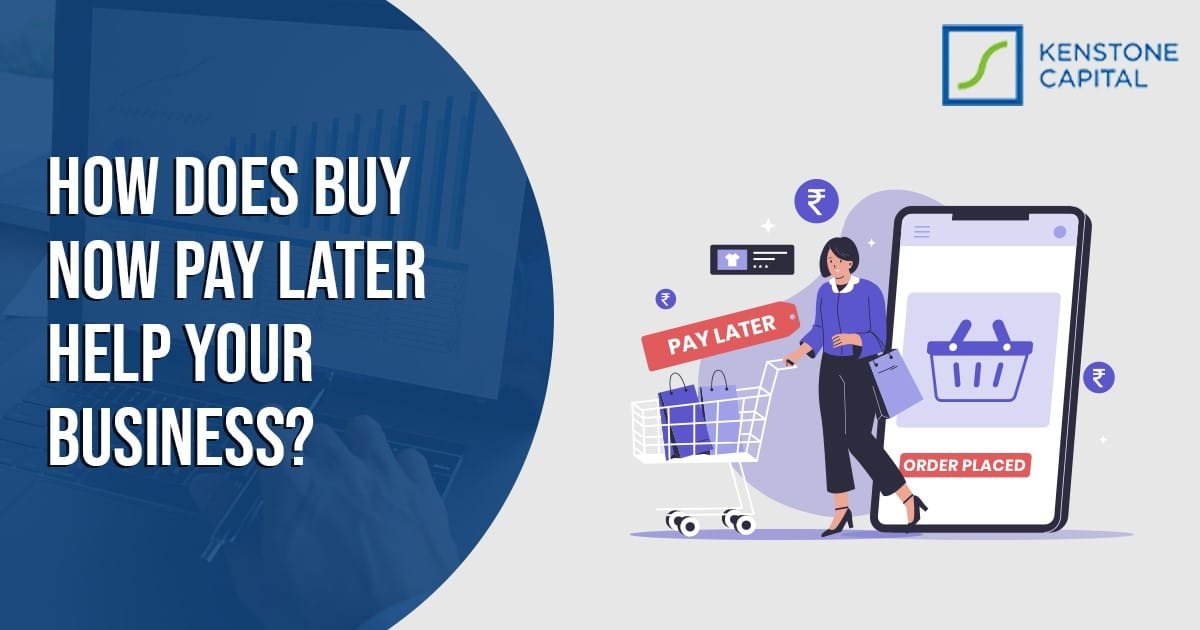
    HOW DOES BUY NOW PAY LATER HELP YOUR BUSINESS?

    Buy Now Pay Later

    BNPL, or Buy Now Pay Later, is a direct microloan with a specified limit that facilitates budget-conscious buyers who opt for small-ticket buying and repay the amount they have borrowed later on. It is not a secured loan and must be paid within a repayment cycle of 14 – 90 days, primarily as EMIs free from interest, depending on loan terms.

    The credit providers of BNPL use technology to understand the consumer’s buying behavior, along with the repayment history. This assists them in assessing the borrower’s creditworthiness and expediting the loan within a few minutes. The credit providers can also enhance or reduce the credit limit based on consumers’ repayment capacity, buying nature, and other factors.

    ADVANTAGES OF BNPL

    The advantages of BNPL are

    • Direct access to credit
    • Reliable tenure for repayment
    • Enhances affordability without affecting your monthly budget
    • Safe digital process
    • Various options for no-cost EMI

    HOW PERSONAL LOANS AND BNPL ARE DIFFERENT?

    • BNPL is a microloan solution for making eligible purchases. At the same time, personal loans are required for emergency purposes, buying big-ticket items, and for both planned and unplanned expenses.
    • Burrowers can obtain BNPL credit up to 1 lakh based on their creditworthiness, and for personal loans, borrowers can get up to 25 lakh or more.
    • BNPL loans are often unsecured, but personal loans are both unsecured and secured.
    • The repayment tenure for BNPL loans ranges from 14 to 90 days, and for personal loans, it is between 2 months to 60 months.
    • With BNPL, there is no cost EMI, but with a personal loan, EMI consists of principal plus interest components.
    • The credit facility is available online for grocery, e-commerce, travel booking, food ordering, and other websites, but with personal loans, banks and other financial institutions provide credit.
    • BNPL is an interest-free loan but for personal loans, interest rates initiate from 11%.
    • In the case of BNPL loans, consumers’ purchasing patterns and payment history are appraised digitally to assess their creditworthiness. But for personal loans, consumers’ credit scores and repaying ability are evaluated to determine their creditworthiness.
    • For BNPL loans, lenders have to pay the amount to the merchant for the consumer but in the case of personal loans, the amount is placed in the bank account of the consumer to be utilized as they are pleased.
    • There is a usage restriction for BNPL loans, but for personal loans, there are no restrictions.

    HOW IS BNPL DIFFERENT FROM A CREDIT CARD?

    • BNPL is transparent, but personal loans carry some hidden charges
    • Credit history is not needed for BNPL loans, but good credit history is required for obtaining personal loans.
    • Some e-retailers and fintech companies offer BNPL loans, but many banks and financial institutions provide personal loans.
    • BNPL is an interest-free loan, but with a credit card, you will get 50 days of interest-free credit.
    • With a BNPL loan, you have to pay a fixed amount of EMI by the due date, but with personal loans, you don’t have to pay the minimum due amount, and you can roll over the outstanding balance to next month.
    • You will not get any benefits like cashbacks or reward points with BNPL loans, but you will get them with a credit card.
    • BNPL loans offer low credit limits, but personal loans offer high spending limits.

    WHAT SHOULD YOU SELECT? BUY NOW, PAY LATER, OR CREDIT CARD, OR PERSONAL LOAN.

    You should choose based on your requirements, eligibility, and repayment ability. It is essential to keep in mind that if you cannot make repayments on time in any of these credit options, you have to pay a heavy amount. 

    To summarize, credit cards and BNPL are the best options for every small ticket expense. But when you have to choose between BNPL and a credit card, the latter is the best option because of all its flexibility and advantages. And when you are required to buy a small ticket item, and you can pay the amount using your next month’s salary without affecting your budget, then BNPL is the best option.

    When your requirement is significant, including multiple-fold expenditures, both planned and unplanned, and you require some time to pay it back, then a personal loan is the best choice. You can opt for a personal loan for a high loan amount, a low-interest rate, and a reliable loan tenure.

    Frequently Asked Questions (FAQs)

    1. What is the maximum credit limit available for Buy Now Pay Later?

    While limits vary by provider and your repayment history, BNPL typically offers microloans ranging from a few thousand rupees up to ₹1 Lakh. This is designed for small-ticket purchases rather than large, long-term capital needs.

    2. Does using BNPL affect my credit score?

    Yes, BNPL is a form of credit. While many providers use alternative data to assess creditworthiness, timely repayments can help build your credit history. Conversely, late payments or defaults are reported to credit bureaus and can negatively impact your score.

    3. Is BNPL truly interest-free?

    Most BNPL services offer a no-cost EMI structure if the balance is paid within the stipulated repayment cycle (usually 14 to 90 days). However, if you miss a deadline, heavy late fees or interest charges may apply.

    4. How does BNPL differ from a traditional Personal Loan?

    BNPL is intended for specific point-of-sale purchases with shorter repayment windows, whereas a personal loan provides a lump sum directly to your bank account with a longer tenure (up to 60 months) and higher loan amounts for broader financial needs.

    5. Can I use BNPL for offline purchases?

    Primarily, BNPL is integrated into digital platforms like e-commerce, food ordering, and travel booking sites. However, some fintech providers now offer QR-code-based BNPL options for physical retail stores.

  • PRACTICES TO CONSIDER FOR UNCOLLECTIBLE RECEIVABLES

    PRACTICES TO CONSIDER FOR UNCOLLECTIBLE RECEIVABLES

    Uncollectible receivable means payment that is not yet received. In other words, the corporation must have offered its clients some credit line.

    Normally, a corporation often sells both credits as well as cash for both goods and services. When any firm gives credit to its consumer, the sale is accomplished with the invoice generation, but the company can offer some additional period for clearing the balance. This duration might range from 30 days to a few months. But when it is overdue, it becomes difficult.

    What are Trade Receivables?

    According to Investopedia, accounts receivable (AR) is the balance of money due to a firm for goods or services delivered or used but not yet paid for by customers.

    In simple words, these are the financial assets that come under “loans and receivables”. They are measured at an amortized cost by using the efficient rate of interest technique as per the requirements.

    They are carried at a fair value during recognition during the initial period, which is then the invoice amount for trade receivables or debtors.

    Suppose you want to calculate the loss amount. In that case, you can do it by comparing the trade carrying value of the trade receivable or debtor with the current value of the predictable cash flow discounted at an efficient interest rate. Trade receivables are not discounted in general and do not possess an efficient interest rate.

    For top firms, the collection of debt is a difficult reality. Sometimes, the financial consequences are shattering when clients cannot pay for purchases. Sometimes this takes a very long time and becomes pricey.

    When businesses, especially small businesses, fail to collect the unpaid account receivables, it leads to catastrophic outcomes. There are various approaches that businesses can use for collecting past due invoices, such as phone calls, letters, site visits, etc. With data-driven collection prioritization, you can decrease involved risk and save your money.

    When the matter is about commercial debt collection and account receivable management, efficiency is important no matter which approach is utilized. The faster the businesses are paid for all kinds of goods and services, the better.

    Are you thinking about what strategies you should use to stay away from bad debt that guarantees that outstanding debt is collected in a rapid and cost-efficient manner? Let us discuss some of the best practices for corporate debt collection, how they are operating and why they might or might not be suitable for you.

    Best practices for accounts receivable collections

    In businesses, the A/R department mainly handles debt collection. Consumers might challenge the invoice and decline to make a payment when they are not happy with the products or services they have received. Billing issues and pricing concerns like unapplied discounts and promotions are also the main cause of disagreements. Some of the other departments, like sales and consumer service, can also assess the whole scenario and recognize the best action.

    The aberrant account might get turned to collections when disagreement is not addressed. The whole process proceeds in the following manner:

    • It is often recommended to check that the customer received an invoice before taking action.
    • The consumer is then given notification that their account has dues to be cleared through automated call or email. They are informed that they are charged with late fees and high interest when they are not paid right away.
    • A service member can call a customer when they do not react within 24 – 72hours. A letter is even mailed.
    • Based on the company’s grace period, the whole process might be repeated a lot of times. The average collection time for account receivable is about 30 days, while those payments that are due for more than 90 days are considered aberrant. The account is then referred to any third-party collecting agency when the payment reaches a 120 day threshold period.

    When should you look for a collections agency?

    It is quite pricey to hire a collection agency. Debt collectors are allowed compensation after recovering the outstanding amount, and when they do it, it can cost anything, starting from 25% to 45% of the total owed amount. Despite this, collection agencies often offer a relevant service to all businesses that cannot afford to keep wasting resources chasing down customers who cannot pay off their debts.

    So, how can businesses collect all unpaid amounts without putting them in jeopardy of losing money?

    How to make use of data for prioritizing business debt collections?

    Most businesses give priority to debt collection depending on who owes more money and who is more delinquent. For instance, consumers owing $20,000 with 6 months past due are prioritized more than those owing $10,000 and 3 months past due.

    The purpose of this strategy is the more money you can recover at a time, the faster it is possible to put cash into use. This strategy might look reasonable, but it is not free from risks. The whole strategy is risky because no longer account is aberrant, it is less likely the account holder will pay off the bill. Specifically, when an account is 90 days past due, it is a 70% chance to get paid. As per the collection agency, after six months of negligence, collecting the payment decreases to 52.1%, and after one year of delinquency, the chance of collection decreases to 22.8%.

    Giving priority to collections without considering important consumer data such as business credit sources, trade payment history, and financial records can be risky.

    According to data-based predictive collection prioritization, clients are most likely to pay the collection employees. It saves your money and time by preventing spending and resources while attempting to collect money that you will not get.

    Prioritization methods for receivable of new accounts

    For demonstrating the differentiation between a standard collections prioritization strategy and any risk-based strategy, think of your team focusing on recovering $10,000 debt. In contrast, the $5,000 debt holder is at risk of moving out of the business.

    The team may pivot their efforts immediately if they can obtain notifications when consumers’ commercial credit scores change unexpectedly. This signifies when any of them are at risk of insolvency or bankruptcy. In such a scenario, moving the $5,000 account to the top position of the list is more effective, and an attempt must be made before the financial situation worsens.

    Wrapping Up

    Wasting time is wasting money. So, when you waste pursuing delinquent bills, you are simply wasting your time to spend better on operations. A collection firm often employs trained experts whose main purpose is the collection of your debt.

    An agency can assist you in enhancing the flow of cash, decreasing the number of days past due, and reducing the cost of retaining collections in-house. A renowned collection agency can assist you in maintaining a strong consumer relationship by prohibiting all difficult talks with consumers that might lead to changing to a rival.

  • HOW DOES DEBT SETTLEMENTS WORKS? IS IT WORTH IT?

    HOW DOES DEBT SETTLEMENTS WORKS? IS IT WORTH IT?

    An Overview of Debt Settlement

    Debt settlement is a kind of agreement where your creditors accept an amount less than what you owe. In simple words, they will not harass you for the money after you have settled down for an amount. Many people consider debt settlement as one of the best solutions to become free from debt. But debt settlement can sometimes be a risky option.

    In some cases, it affects your credit score negatively, such as the creditor might not agree to debt settlement or might take a long time for accomplishment.

    How does it work?

    Debt settlement comes into the picture when you miss your due payments or any heavy EMI amount that has been left unpaid. It is an intimidating task to make creditors agree on debt settlement until there is some good reason to believe.

    Here, a debt settlement company helps negotiate with creditors to reduce the amount you owe, primarily on indiscreet loans. But you should know that debt settlement is always limited to some of the debts, and it can’t be acquired on safe loans such as a home loan.

    For people struggling to pay debts on your unsafe loan, debt settlement is always a dependable way for settling down. In India, debt settlement works when you cannot pay at all, which implies you have no money left for repaying all your debts.

    But in a debt relief program, you should have some cash for making payments through debt settlement. When the debt settlement company trusts that you have enough to make a heavy offer, it starts negotiating with the creditor to accept a small amount.

     Also read:  4 Proven ways that can help build your credit score fast.

    Risks involved with Debt Settlement

    Selecting the right debt settlement company is essential before settling down your debt with the creditors. If the company does not offer a certified legal process and is not affiliated with any bank for settlement, then the company is undoubtedly a fraud. Debt settlement is not as straightforward as it sounds to be, and it is the ultimate resort for resolving all your debts.

    Here are some of the risks that are linked with debt settlement:

    Your credit takes a hit:

    • If you are a person whose account is felonious, you will be in default while diverting your payments towards any settlement. A debt settlement can affect your credit score and your credit reports negatively. When your account shows a lousy credit score, it will be difficult for you to apply for a new loan. Your loan application might not be accepted, and you will be considered a non-payer.
    • Your penalties and interest get accumulated: You might get charged with a high-interest rate if you have chosen debt settlement with lenders. Your interest consistently rises on your debt amount.
    • You have to make a payment after your debt settles down: A large number of companies charge a large number of fees for paying down your debts with your creditors and might even be subject to fraud and scams. Based on your debt balance, you can settle down with a debt settlement company where the legal team will negotiate with the creditors, and after your debt is settled, you have to pay your fees.
    • You might have to pay extra fees: Other than the basic fees that you will pay for the debt settlement, consumers can also face some of the other costs like setting up and additional monthly fees for maintaining a debt settlement under the program.
    • Irrespective of all the risks involved with the debt settlement option, if you decide to go with that option, look for the best debt settlement company in India. Here are a few things you need to keep in mind while searching for a good debt Settlement Company:- Go through the company reviews to know if they are trustworthy or not.
      – Keep yourself away from the company that asks for money in advance without giving any settlement letter from the creditors.
      – Ensure the fees you will pay are planned as a debt percentage eliminated instead of the debit balance at enrollment.

    So, in this way, you can opt for debt settlement with your creditors.

    The Bottom line

    If you wish to go ahead with the debt settlement even after knowing all the risks stated above, it is important that you choose the best and most relevant debt settlement company in India.

    Before you sign for a debt settlement program with any debt settlement company, here are some of the things that you need to keep in mind:

    • Opt for the company that has earned excellent business ratings and customer reviews.
    • Ensure that the company does not charge any upfront fees.
    • Check with the company background including the company’s experience.
    • Find the best debt settlement company that is supportive and hassle-free services.
  • 10 ACCOUNT RECEIVABLE FACTS: EVERY B2B COMPANY TO KNOW

    10 ACCOUNT RECEIVABLE FACTS: EVERY B2B COMPANY TO KNOW

    Accounts Receivable Management plays a significant role in shaping your business and is responsible for making sure your company gets paid for its goods and services. A company with effective accounts receivable management is like a well-oiled machine and can enhance communication with customers and get the company paid fast. On the other hand, inefficient accounts receivable management can always leads to wastage of company’s working capital. Hence, you need an effective way to deal with slow or non-paying customers; otherwise outstanding receivables will snowball out of control.

    Due to the extended lockdown, most of the b2b companies have been impacted with reduced cash flow. Given the costs of making, printing, and sending paper invoices, it’s clear to see how accounts receivable departments consume a significant portion of a company’s budget: up to 2% of total revenue. Furthermore, two-thirds of a company’s budget consumes by accounts receivable processes and its operations.

    Given Kenstone Capital experience working with various B2B companies and studying various nation-wide reports, we understand – it is crucial to know about accounts receivable facts to manage it better. Here are 10 facts about accounts receivable management that show the value of optimizing your accounts receivable.

    1. Most of the medium to large enterprises extended relaxed payment terms. The Average Days Sales Outstanding (DSO) in India is close to 70 days.
    2. India has the highest DSO in Asia Pacific region. On an average, total 55% of B2B invoices in India were reported to be paid late. ( Atradius )
    3. 61% of late payments are due to various compliance and administrative problems such as incorrect invoices or receiving the invoice too late to process payment on established credit terms ( Credit Research Foundation )
    4. 27% of Financial executives stated that customers didn’t pay their debts on time because they either didn’t have the money or they were unable to contact the customer to resolve the issue ( CFO.com )
    5. 26% of invoices are uncollectable due to 3 months old. This increases to 70% uncollectable invoices at six months and 90% uncollectable at 12 months.
    6. In India 94% of respondents reported late payment of invoices by domestic and foreign B2B customers ( Atradius )
    7. 60% customers pay on time or around due date because they were reminded and their invoices related issues were resolved in early time.
    8. 2 out of 5 Indian suppliers wrote off their receivables as uncollectable due to high collection costs ( Atradius )
    9. Across various industries, with 2.7% to 4% of topline being uncollectable, India is one country with highest proportion of B2B receivables written off as uncollectable.
    10. As a consequence of late payments done by B2B customers, 45% of India suppliers had to take specific measures to correct cash flow. ( Atradius )

    All of these statistics point to central theme –“late payments from customers”. To avoid these types of situations, businesses must speed up process and establish strategies to remind customers about their payments. An effective way for companies to ensure all these tasks get done is to adapt better accounts receivable processes that deal with this reality.

    Wrapping Up

    One of the reasons limiting your businesses from being paid on time is manual processes. Hence, by digitizing and automating your accounts receivable processes, you can reduce the time it takes to get paid on average. We at Kenstone Capital recently launched – an automated software solution for account receivables which can remove all the common obstacles that prevent today’s businesses from collecting receivables in a timely manner. From invoice delivery to cash application, our AR solution automates the areas of account receivable management that matter most to your business.

    Ultimately, improving accounts receivable not only reduces average payment time and improves cash flow, but it also improves customer satisfaction. By investing less time on manual, repetitive tasks, accounts receivable staff may invest more time on higher-value activities and put more effort in building effective customer relations.

  • 6 TIPS FOR HANDLING NON-PAYING AND LATE-PAYING CUSTOMERS

    6 TIPS FOR HANDLING NON-PAYING AND LATE-PAYING CUSTOMERS

    If your business operates on an invoicing system, you’re probably familiar with late payments and even non-payment. Customers don’t pay invoices on time for a number of reasons, ranging from lost bills to unexpected additional expenses that customers know they can’t afford. Many small business owners are intrigued as to how to politely seek overdue payment. An unpaid invoice, regardless of the circumstances, hurts your business. If you want to keep your cash flow stable, you must take action; being transparent with customers and having some backup strategies on hand are essential.

    Here are some tips for how to handle late-paying and non-paying customers:

    1. HAVE A WRITTEN CREDIT POLICY

    Always have a written credit policy and stick to it to manage your risk. Be consistent in extending credit and payment terms. The best way to avoid defaulted payments is to perform due diligence before extending credit.

    2. MAINTAIN DETAILED RECORDS

    Invoice disputes are often triggered by unclear or incomplete invoices. To reduce errors, use an invoice template that includes all required details. Also, maintain detailed records in case you end up sending it to collections. In addition to that, offer options such as electronic payments and other automated payments to make it easier for customers to pay.

    3. CHARGE LATE FEES

    No one wants to pay a late charge, but setting one up ahead of time will help customers avoid paying their bills late. Establish a framework that is backed by a regulation or collection of terms & conditions. For example, if you don’t pay within five days, you’ll get a warning; if you don’t pay within ten days, you’ll get a late fee; and if you don’t pay within twenty days, you’ll lose service – according to gGordano

    4. SET UP A PAYMENT PLAN

    If a customer is experiencing cash flow issues and can’t afford to pay the invoice in full right away, setting up a payment plan can help you get paid. Negotiate a sum that the customer can handle as part of the payment plan, as well as the period of time that payments will be made.

    5. SEND POLITE REMINDERS

    If a client’s payment is overdue, then you need to send a friendly reminder email as soon as possible. To improve your chances of being paid, you can use a payment reminder email template. Notify the customer that the invoice is past due and have a payment deadline. Remind them of the payment options you accept, as well as any late fees that might be included in your terms of payment. For reference, attach the initial invoice to the email.

    6. HIRE A COLLECTION AGENCY

    Consider hiring a Debt collection agency to help you escalate the situation and get outside help collecting your money. Collection companies are usually effective in obtaining money from debtors, and are viable choice for recovering some of the funds owed to you. If you are looking to hire a collection agency, make sure it’s a reputable firm and get your invoices paid.