Tag: B2B

  • Commercial Debt Recovery: 4 Proven Steps to Optimize Your B2B Collections Process

    Commercial Debt Recovery: 4 Proven Steps to Optimize Your B2B Collections Process

    Sales can look strong on reports while cash flow quietly struggles in the background. In many B2B companies, invoices sit unpaid for weeks. Follow-ups happen when someone remembers. The finance team spends more time chasing money than planning growth. This is where a practical approach to commercial debt recovery makes a real difference.

    A reliable B2B collections strategy is not about sending more reminders. It is about creating a simple system that tells your team what to do from the day an invoice is raised until the payment is received. When the process is clear, overdue invoice recovery becomes easier and more predictable.

    We often notice that payment delays happen not because customers refuse to pay but because the invoice collection process and receivables follow-up schedule are not clearly defined. Once the structure is in place, collections become smoother without hurting business relationships.

    Here are four proven steps that can improve your B2B receivables management and make your accounts receivable collections more effective.

    Step 1: Build a Strong B2B Collection Policy and Credit Control Process

    A clear B2B collection policy sets the right expectations with customers from the beginning. It explains payment terms, credit period, and what happens when payments are delayed. When customers know there is a proper B2B credit control process, they take due dates more seriously.

    Important points to define

    • Payment terms are mentioned clearly in every invoice
    • Approved credit limits for each customer
    • Written confirmation of due dates
    • Clear action plan for late payment management

    This step improves customer payment discipline because everything is documented. Your team also knows exactly when to begin the B2B payment follow-up process without confusion. Many businesses skip this foundation and jump straight into chasing payments. That usually creates tension. A solid credit control process prevents many delays before they start.

    Step 2: Create a Receivables Follow-up Schedule and Tracking System

    One common reason invoices turn overdue is the lack of a proper receivables follow-up schedule. Follow-ups should never depend on memory. There must be a fixed timeline that your team follows for every customer.

    • Reminder before the due date
    • Reminder on the due date
    • Follow up after 7 days, 15 days, and 30 days
    • Record of every call, email, and response

    A basic receivables tracking system helps your team see which invoices are due, which are overdue, and which customers have promised to pay.

    This is where payment commitment tracking becomes important. When a customer gives a payment date, it must be recorded and followed up on that exact date. Without tracking, promises get forgotten. With tracking, recovery becomes systematic and reliable. This step strengthens your accounts receivable collections because no invoice is ignored, and every follow-up happens on time.

    Step 3: Improve Your B2B Payment Follow-up and Collection Communication Strategy

    An effective collection communication strategy is calm, consistent, and professional. Your invoice collection process should include reminder emails, follow-up calls, and regular sharing of account statements. Even a manual collection process in B2B can work well if communication is structured. What matters is consistency.

    Good practices include

    • Using a standard format for reminder emails
    • Keeping notes of every conversation
    • Referring clearly to invoice numbers and due dates
    • Avoiding aggressive language

    This approach helps in late payment management without damaging customer relationships. Over time, customers understand that your company follows a disciplined B2B collections strategy, and they respond with timely payments.

    Step 4: Implement a Clear Collection Escalation and Debt Recovery Process

    Even with proper follow-ups, some invoices remain unpaid. This is where a defined collection escalation process becomes necessary.

    Escalation should follow a clear path.

    1. Reminder from the accounts team
    2. Follow-up from a senior finance member
    3. Formal notice about overdue invoice recovery
    4. Moving into a professional B2B debt recovery process, if needed

    This shows seriousness without immediate conflict. It also ensures that no overdue case is left unattended. A proper escalation system supports B2B outstanding payment management and stops small delays from turning into bad debts.

    Use a Receivables Prioritization Method for Faster Recovery

    Not all overdue invoices need the same attention. A smart receivables prioritization method helps your team focus on high-value and high-risk accounts first. You can prioritize based on invoice amount, age of the invoice, and customer payment history. This improves overall B2B receivables management and speeds up recovery.

    Follow B2B Collections Best Practices to Reduce Late Payments

    To make your system effective in the long run, follow these B2B collections best practices

    • Send invoices immediately after service or delivery
    • Share account statements regularly
    • Train your team on professional follow-ups
    • Keep accurate records of customer communication
    • Review your collection policy from time to time

    These habits keep your accounts receivable collections aligned with your cash flow needs.

    Conclusion

    Commercial debt recovery is not about repeatedly chasing customers. It is about creating a simple and practical system that guides how invoices, follow-up communication, and escalation are handled.

    • A clear B2B collection policy
    • A disciplined receivables follow-up schedule
    • A professional collection communication strategy
    • A structured collection escalation process

    Overdue invoice recovery becomes less stressful and more predictable.

    This practical approach is followed at Kenstone Capital to help businesses strengthen their B2B collections strategy and improve receivables performance while keeping customer relationships intact. A clear process turns collections from a daily problem into a routine part of business that supports healthy cash flow.

    FAQs

    1) What is commercial debt recovery in B2B collections?

    It is a structured way of recovering overdue payments from business customers through planned follow-up communication and escalation.

    2) How does a B2B collections strategy help in overdue invoice recovery?

    It ensures every invoice is tracked, followed up on time, and escalated when required.

    3) What is an ideal receivables follow-up schedule?

    Reminders before the due date, on the due date, and regular follow-ups after that.

    4) How can companies improve their invoice collection process?

     By using a tracking system, standard communication, and consistent follow-ups.

    5) What is a collection escalation process?

    A step-by-step method of handling long overdue invoices with increasing seriousness.


  • Three Things to Know Before You Sue a Client

    Three Things to Know Before You Sue a Client

    Most likely, at some point in your business field, someone will owe you money. You can still be waiting for payment after going through the collections process. You might decide that suing the defendant in small claims court is your only option for getting this money. But reality frequently differs greatly from what is portrayed in the most alluring courtroom scenes.

    A lawsuit for debt collection can be severe, intricate, and time-consuming. If the dispute isn’t resolved amicably and you proceed to litigation, you’ll face more costs, a higher contingency fee, and perhaps even more worry and annoyance. Preventing an escalation of the situation is the best line of action. Here are three tactics to consider before you take a significant loss or prosecute a client for non-payment.

    1. Know About Alternative Options

    Many people believe that litigation is the only option available when it comes to debt recovery. However, there are other choices that are just as successful as taking a client to court.

    • Settlements

    Settlement is a wise move when the insolvent business is about to file for bankruptcy or close. Customers are able to get some of the outstanding debt back this way before it’s too late. Remember that a settlement only makes the debtor responsible for a percentage of the entire amount owed, necessitating a reduction in the creditor’s demand.

    • Voluntary Payment Plan 

    An additional alternative to think about is a voluntary payment plan. The debtor settles their outstanding balance in installments, which enables businesses to recover their money without incurring further fees from litigation and frequently more quickly than suing and obtaining a judgment.

    2. Be Aware Of How Long The Process Takes

    Before entering the litigation process, you should be aware of how long the process takes.

    a. Default Judgment – It can take up to four to six months to obtain a default judgment when the debtor does not contest the litigation. When there are problems and/or delays, it sometimes takes nine months or longer. Most courts are much more overloaded as a result of the pandemic. New York’s lower courts are still delaying the issuance of rulings and setting trial dates.

    b. The Serving Process – Serving the debtor with official notice of the case is one of the most frequent problems clients run into during the litigation process. Until the client is formally informed of the litigation, no judgment can be granted in the case. People, therefore, run away and hide to avoid getting the filing. Until there is proof that the company is aware of the lawsuit, the litigation process will continue to drag on. The process typically takes six months or longer from the day the complaint was filed if we have to serve the organization through the Secretary of State.

    c. The Delay Game – Debtors will instruct their attorneys to postpone the trial as long as they can. It is a generally established technique that might take up to a year to complete, despite being unfair to the creditor. Before or after the judgment is issued, this puts pressure on the creditor to accept less than the whole amount.

    d. Judgment – The court normally issues the final Judgment two to six months after the trial. The formal judgment collection procedure can then start, which could take months or years.

    3. Determining Expected ROI

    When deciding whether to sue a customer for debt, consumers should evaluate their projected return on investment (ROI). But how are you going to achieve that?

    Before beginning the legal procedure, make a list of your prospective expenses, turnaround time, potential return (amount of debt paid back after contingency fees), and the possibility of receiving the return. Using an expected value equation, clients can determine if investing in a lawsuit against a debtor will yield a worthwhile return. To calculate the expected value, we normally take into account 3 options: 0 return, 100% of principal, fewer charges and fees, and a settlement amount. For each option, we give a probability. There is minimal financial motivation to file a lawsuit if the predicted ROI is marginally higher or lower than the sum that was received.

    Bottom Line

    Although it may be tempting to file a lawsuit against a customer right away to recover any outstanding debt, this is not how the legal system actually operates. It costs money and requires a lot of patience to sue using a contingency lawyer, and there is no assurance that the debt will be collected.

    Before filing a lawsuit against a client, weigh your options, the time commitment, the cost of fighting the case, and the expected return on investment. Give us a call if you want to talk about whether it’s appropriate to sue your client or not or if you want to talk about alternatives to suing a client. We’re pleased to go over the benefits and drawbacks with you so you can decide what is best for your situation.

    FAQ

    1) How long does it take to sue a client for unpaid debt?

    The legal process can be lengthy and may take several months to years. Even in straightforward cases, obtaining a judgment can take 4-6 months or longer, and delays such as serving notice or court backlogs can extend the timeline significantly.

    2) What challenges can arise during the litigation process?

    Common challenges include difficulty in serving legal notice, intentional delays by the debtor, and prolonged court proceedings. Debtors may avoid receiving notices or use legal tactics to delay the case, which increases both time and cost for the creditor.

    3) How do I decide if suing a client is financially worth it?

    You should evaluate the return on investment (ROI) before proceeding. This involves estimating legal costs, time involved, probability of recovery, and the final amount you may receive after fees. If the expected return is low, alternative options like settlements or payment plans may be more practical.

    4) What should I consider before suing a client for unpaid dues?

    Before taking legal action, you should assess whether the debt is clearly documented, legally enforceable, and worth the time and cost involved. It’s also important to review contracts, invoices, and communication records to ensure you have strong evidence to support your claim.

  • What Is the Difference Between a Vendor and Partner in Debt Collection?

    What Is the Difference Between a Vendor and Partner in Debt Collection?

    Understanding the difference between a Vendor and a partner in Debt Collection is essential for businesses seeking effective B2B debt recovery. Debt collection is the process of pursuing payments owed to creditors by individuals or businesses. Specialized agencies act as a debt-collection partner, working on behalf of creditors to collect debt for a fee, often through a contingency debt recovery model. While historically debt collection involved coercive methods, modern legislation now strictly regulates third-party collections to prevent harassment and ensure fair practices while maintaining professional accounts receivable services for all clients.

    What Is a Debt Collection Agency?

    Debt collectors can work for agencies or independently and may even be attorneys providing legal collection services. In many cases, these agencies act as middlemen for recovery, collecting delinquent debts from customers and remitting them to the original creditors.

    • Delinquent debts are recovered by professional debt collectors.
    • A collection agency might negotiate a lower settlement than the total amount owed.
    • New federal and local rules were adopted in 2020 to protect consumers during economic shifts.
    • Agencies pursue various delinquent debts, from unpaid medical bills to complex business invoices.

    Who is a Vendor?

    A vendor is typically a third-party service provider that offers specific support services to a debt collection agency, such as skip tracing, letter printing, or call center services. Vendors are not typically directly involved in the recovery of outstanding debts but rather provide support services to the agency that can help increase the efficiency and effectiveness of their collection efforts. There are several types of vendors that a debt collection agency may work with to support its collection efforts. Some common types of vendors in debt collection include:

    1. Skip Tracing Vendors: They help agencies locate hard-to-find debtors by using databases and search tools to gather information on their location.
    2. Letter Printing and Mailing Vendors: Providers of these services allow the agency to send customized letters, such as demand letters, payment plans, or settlement offers, to debtors.
    3. Call Center Vendors: Vendors that provide services to help agencies contact debtors outbound or take inbound calls from debtors with questions.
    4. Legal Services Vendors: These vendors provide legal support services to the agency, including initiating legal proceedings against debtors, representing the agency in court, and providing legal advice.
    5. Technology Vendors: They supply the agency with software and technology tools, such as debt management systems and payment processing software, which allow them to manage their collection efforts more efficiently.

    Agencies that work with these vendors can optimize their collection efforts and improve their chances of recovering outstanding debts.

    How Is a Partner Different?

    When it comes to debt collection, partners work collaboratively with debt collection agencies to achieve a shared goal, such as successfully collecting outstanding debts. There are many types of partnerships that can be forged in this situation, including partnerships between law firms and agencies and agencies and clients, enlisting them to collect.

    To support their collection efforts, debt collection agencies may work with several types of partners. Partners in debt collection include

    1. Clients: These are the companies or organizations the agency is collecting on behalf of. Depending on their specific requirements, debt collection agencies may customize their collection approach based on these partners’ specific needs.
    2. Law Firms: Debt collection agencies work with these firms to initiate legal proceedings against debtors, represent the agency in court, or provide legal advice.
    3. Financial Institutions: These partners purchase debt portfolios from debt collection agencies or work with them to collect delinquent debt.
    4. Technology Providers: These companies help the agency manage its collection efforts more efficiently by providing debt management systems, payment processing software, and reporting tools.
    5. Industry Associations: They provide debt collection agencies with education, training, and networking opportunities, allowing them to stay current with industry trends.

    Working with these partners can help debt collection agencies to broaden their reach, access new resources, and stay ahead of the competition. By building strong relationships with their partners, debt collection agencies can enhance their collection efforts and improve their overall performance.

    Partnering with a company means having someone who genuinely cares about your future and helps you grow. The progress of the project is discussed with a partner. They determine what you need and how they can help in collecting your debt. Their focus is on how your company will change in six months to a year and how you can prepare for it.

    The benefits of the partnership are shared by both parties. Besides getting the product or service you need, you also get someone who will help your business grow faster than you can alone. Due to their ability to keep your business’s best interests in mind, they will get continued business from you.

    Who is a Third-party?

    The majority of businesses outsource the provision of goods and services to other companies or individuals. When a buyer and seller engage in a transaction, a third party acts as a middleman. Some contracts have a short duration, while others have a long duration.

    Third parties include advertisers, insurance brokers, landscapers, phone companies, law firms, consultants, and debt collectors. Third parties can also be consultants or debt collectors.

    Differences – Vendor and Third-party

    The following table highlights how a Vendor is different from a Third-party −

    CharacteristicsVendorThird-party
    DefinitionThird parties are any outside group, person, or business that is not directly affiliated with the company that provides the goods or services.In order to sell their products, a vendor must ensure that they comply with all local, state, and federal laws and regulations. Vendors must also provide high-quality products or services on time and act dishonestly when discrepancies are found.
    RoleIn order to sell their products, a vendor must ensure that they comply with all local, state, and federal laws and regulations.Vendors must also provide high-quality products or services on time and act dishonestly when discrepancies are found.The third party acts as an intermediary between a buyer and a seller in a transaction, which may be long-term or short-term.
    RegulationsAn individual who sells products and services to the public is referred to as a vendor.The partner organization receives products and services from an outside entity.

    Conclusion

    In summary, while both partners and vendors play vital roles, a true debt-collection partner is more directly involved in the strategic recovery of outstanding debts. Vendors provide the necessary support, like skip tracing or mailers, to facilitate the process. Choosing the right contingency debt recovery partner ensures your business interests are protected while maximizing your returns.

    Frequently Asked Questions (FAQs)

    1. What is the difference between a vendor and a partner in debt collection?

    A vendor typically provides a specific, transactional service, such as skip tracing or letter mailings, without being deeply involved in your business goals. A debt-collection partner, however, works collaboratively with you, offering a holistic approach to accounts receivable services and focusing on your long-term financial health and brand reputation.

    2. Why is B2B debt recovery different from consumer collections? 

    B2B debt recovery involves collecting unpaid invoices from other businesses. It requires a deeper understanding of commercial contracts, complex payment terms, and industry-specific regulations. A strategic partner understands that maintaining the business relationship is often just as important as recovering the funds.

    3. What are legal collection services? 

    Legal collection services involve the use of specialized attorneys and law firms to initiate formal legal proceedings against a debtor. This is usually a final step when standard outreach fails, involving litigation, obtaining judgments, and enforcing payments through legal channels.

    4. How does the contingency debt recovery model work?

    Under a contingency debt recovery model, you pay no upfront fees to the collection agency. The agency only receives a percentage of the debt once they successfully recover it. This ensures that your interests are aligned with your debt-collection partner, as they only get paid when you do.

    5. What is skip tracing, and why is it important?

    Skip tracing is the process of locating a debtor who has “skipped” out on their obligations and cannot be reached via their last known contact information. Using advanced databases and investigation tools, a collection vendor or partner can find current addresses and phone numbers to resume recovery efforts.

  • How to Handle a Phishing Attack and Stay Protected Online

    How to Handle a Phishing Attack and Stay Protected Online

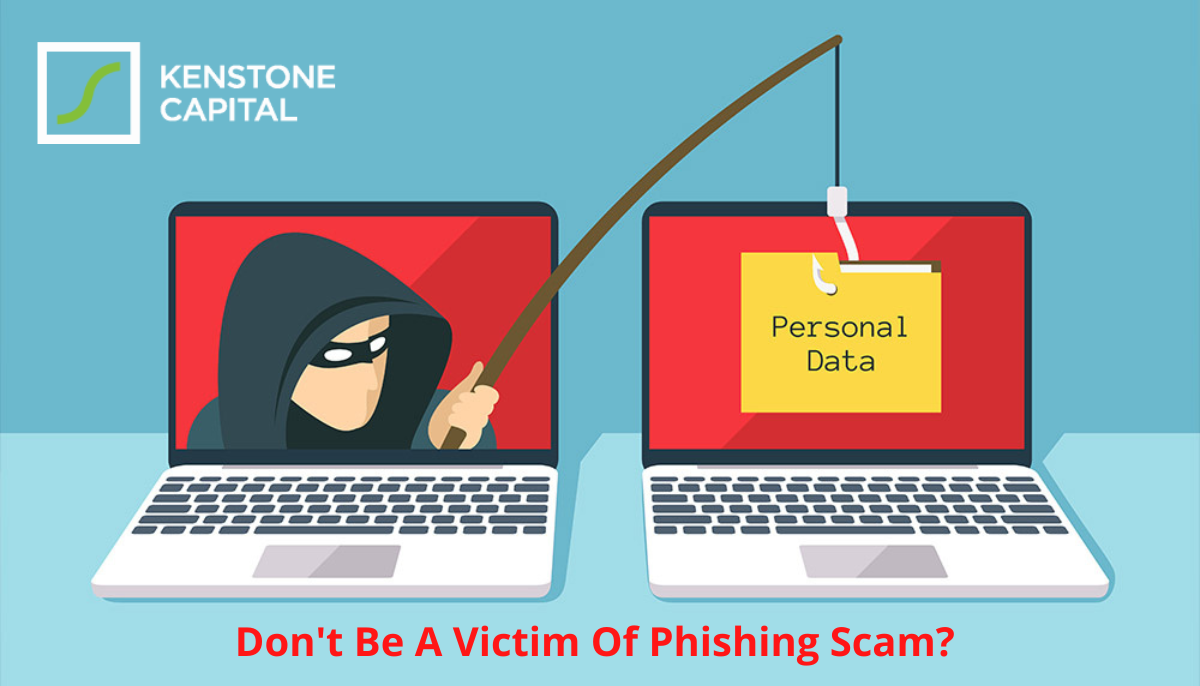
    Most people spend a large part of their day online. We shop, pay bills, check bank accounts, stream movies, and store personal files on our phones and laptops without thinking twice. While the internet makes life easier, it also gives scammers more opportunities to target users. Phishing attacks have become one of the biggest online threats because they are designed to trick people into revealing passwords, banking details, and personal information

    Many victims don’t realize they’ve been scammed until it’s too late. Money disappears from bank accounts. Email or social media accounts get locked. In serious cases, stolen information leads to fraud or identity theft, which is why many victims later look for credit score repair services after financial damage is done

    The alarming part is that phishing scams are no longer easy to detect. Modern phishing messages often look identical to legitimate emails from banks, delivery services, streaming platforms, or government offices. A single distracted click can expose your data within seconds.

    What Is a Phishing Attack

    A phishing attack is an online scam where criminals pretend to be a trusted person or organization to steal private information. They aim to collect:

    • Passwords
    • Credit card numbers
    • Banking details
    • Login credentials
    • Social Security numbers
    • Verification codes

    These scams create urgency and panic so that people act quickly without thinking

    Common Types of Phishing Scams

    Email Phishing

    Fake emails appear to come from trusted brands like banks, shopping sites, or streaming services. They ask users to reset passwords, verify accounts, or confirm payments. The link leads to a fake login page

    SMS Phishing

    Text messages claim delivery failures or urgent bank verification. People tend to trust SMS more, which makes this highly effective

    Voice Phishing Vishing

    Scammers call, pretending to be bank staff, tech support, or officials. They often sound professional and convincing

    Fake Websites

    Fraudulent websites look almost identical to real ones. The difference is usually a small spelling mistake in the URL

    Warning Signs of a Phishing Attempt

    • Suspicious sender address with odd spellings or numbers
    • Urgent language like Immediate action required
    • Strange links or attachments
    • Requests for sensitive information through email or SMS

    Legitimate companies rarely ask for passwords or verification codes through messages

    What Happens If You Fall for a Phishing Scam

    A successful phishing attack can lead to

    • Stolen email, banking, and social media access
    • Unauthorized financial transactions
    • Identity theft and fraudulent loans
    • Malware or ransomware is installed on your device

    What To Do Immediately After a Phishing Attack

    Change Your Passwords

    Update the affected account first. Then update any accounts using the same password

    Enable Two-Factor Authentication

    This adds an extra security step, even if passwords are stolen

    Contact Your Bank

    Freeze cards block transactions and monitor for fraud

    Scan Your Device

    Use trusted antivirus tools to remove malware

    Report the Scam

    Report to your email provider, bank IT department, or government cybercrime portal

    How Criminals Use Stolen Information

    • Selling data on underground forums
    • Taking over email and social accounts
    • Launching more targeted scams later

    How To Protect Yourself From Phishing

    • Avoid clicking suspicious links
    • Visit official websites directly through your browser
    • Check for HTTPS and correct domain spelling
    • Keep software and devices updated
    • Use antivirus spam filters and password managers

    Mobile Phishing Scams Are Growing

    Smartphones are now a major target. Common mobile scams include fake delivery updates, banking alerts, and messaging app links. Only install apps from official app stores and never click unknown links in messages

    Common Myths About Phishing

    MythReality
    Only older people get scammedAnyone can fall for a convincing scam
    Phishing only happens via emailSMS calls and social media are used
    Antivirus stops everythingAwareness is the best defense
    Small businesses are not targetedThey are often easier targets

    Conclusion:

    Phishing attacks are becoming more sophisticated every year. Even careful people can be caught off guard during a busy moment. The key is to slow down before clicking links or sharing information. If you do fall for a scam, do not panic or feel embarrassed. Act quickly, change passwords, contact your bank, secure your accounts, and monitor for suspicious activity. Small actions taken early can prevent serious damage later.

    FAQs

    1) What is a phishing attack in simple terms?

    A phishing attack is a scam where someone pretends to be a trusted company or person to trick you into sharing passwords, banking details, or personal information.

    2) How can I tell if an email or text message is a phishing attempt?

    Check the sender address, look for urgent language, and avoid clicking strange links. Legitimate companies do not ask for passwords or verification codes through messages.

    4. Can phishing attacks happen through phone calls?

    Yes, this is called voice phishing or vishing, where scammers pretend to be bank staff, tech support, or officials to get your information.

    5. Are mobile phones also targets for phishing scams?

    Yes, many scams now come through SMS delivery alerts, banking messages, or chat apps, which makes mobile users a common target.

    6. Can antivirus software fully protect me from phishing?

    No Antivirus tools help, but awareness and careful behavior are the best protection against phishing.

    7. Why do scammers want my personal information?

    They use it to access accounts, steal money, commit identity theft, or sell the information on illegal websites.

    8. How can I stay protected from phishing attacks in the future?

    Avoid clicking unknown links, keep your software updated, use strong passwords, and always verify messages directly through official websites.

  • B2B DEBT COLLECTION: 5 MAJOR RISKS OWNERS AND AR MANAGERS SHOULD BEWARE OF

    B2B DEBT COLLECTION: 5 MAJOR RISKS OWNERS AND AR MANAGERS SHOULD BEWARE OF

    In the high-stakes world of Business-to-Business (B2B) commerce, cash flow isn’t just a metric on a spreadsheet; it is the very oxygen that keeps the lights on, and the payroll met. While selling a product or service feels like a win, the transaction isn’t truly complete until the funds hit your bank account.

    B2B debt collection is a vastly different beast compared to consumer collections. It involves higher stakes, more complex contracts, and professional negotiation tactics. When payments stall, the ripple effects can be devastating. For business owners and Accounts Receivable AR) managers, understanding the pitfalls of debt recovery is the first step toward safeguarding your company’s future. Poor debt collection doesn’t just hurt your monthly revenue; it can permanently damage your reputation and, in extreme cases, threaten your very survival.

    What Makes B2B Debt Collection Different?

    The primary difference between B2B and B2C collections lies in the volume and the value. While a B2C company might deal with thousands of small transactions, a B2B firm often relies on a smaller pool of clients with much larger transaction values.

    Furthermore, B2B interactions are heavily relationship-driven. You aren’t just collecting from a customer; you are often collecting from a long-term partner. This creates a delicate balancing act: how do you stay firm enough to get paid without burning a bridge that could provide future revenue? Because the financial and reputational risks are magnified, your Credit Risk Mitigation strategy must be far more sophisticated than a simple “pay now” reminder.

    Danger #1: The Niche Trap – A Limited Customer Base

    Many B2B businesses operate in specialized, niche markets. In these close-knit industries, word travels at lightning speed. If your collection practices are viewed as overly aggressive, unprofessional, or disorganized, that news can spread through industry circles faster than a viral tweet.

    The Brand Reputation Risk

    Mishandling a single collection case can quickly erode your market share. If you gain a reputation for being difficult to work with during financial disputes, potential clients may choose your competitor instead. This is why Dispute Resolution must be handled with a blend of professional tact and legal precision. You must protect your Asset Protection interests without appearing predatory to the rest of the industry.

    Danger #2: Industry-Specific Risks and the Domino Effect

    B2B companies are uniquely vulnerable to external shocks. Whether it is a sudden change in Debt Collection Laws, a shift in government regulations, or a supply chain bottleneck, these factors can cause Cash Flow Volatility across an entire sector.

    The Domino Effect

    When one major player in an industry experiences Payment Delinquency, it creates a chain reaction. Their suppliers can’t pay their vendors, who in turn can’t pay you. This systemic Liquidity Risk means that your financial health is often tied to the Financial Solvency of companies you’ve never even met. Without a proactive Credit Limit Policy in place to flag these industry shifts early, your business could be caught in a downward spiral that is entirely out of your control.

    Danger #3: Higher Financial Stakes

    In the B2B world, there is a heavy “risk concentration.” Because you likely have fewer clients than a retail store, your dependency on key accounts is massive.

    The Weight of a Single Contract

    While a $100 unpaid bill in B2C is a nuisance, a single unpaid $100,000 contract in B2B can be “crippling.” This makes thorough Credit Analysis non-negotiable. Before extending credit, you must vet the client’s Commercial Credit Report and evaluate their Credit Score to ensure they have the capacity to pay. If you fail to do this, you might eventually be forced into a Bad Debt Write-off, which directly eats into your net profit and weakens your Working Capital Management.

    Danger #4: Professionalism vs. Professionalism in Negotiations

    When you attempt to collect a debt from a consumer, you are usually dealing with an individual. In B2B, you are up against trained professionals- Accounts Payable teams, savvy CFOs, and experienced business owners who know every trick in the book to delay payment.

    The Complexity of the Ask

    Negotiations are rarely straightforward. You may face strategic resistance where debtors leverage their importance to your business to buy more time. Furthermore, if a debtor enters bankruptcy, you find yourself in a frantic race against banks and secured creditors for a piece of a shrinking pie. Navigating Collection Agency Regulation and preparing for potential Legal Recovery requires a level of expertise that goes far beyond a standard follow-up call.

    How to Mitigate These Risks

    To survive these dangers, you need a robust framework that moves beyond “reactive” collections.

    1. Strict Credit Policies: Establish a clear Credit Limit Policy for every new client. Don’t be afraid to say no to a high-risk deal.
    2. Clear Terms: Ensure your contracts clearly outline payment expectations, interest on late payments, and the steps for Legal Recovery.
    3. Trade Credit Insurance: Consider investing in Trade Credit Insurance to protect your accounts receivable against the risk of a major client’s insolvency.
    4. Balance Firmness with Empathy: Use a professional third party if the relationship is too valuable to risk, but the debt is too large to ignore.

    Best Practices for B2B Debt Collection

    Effective management is about visibility and timing. You should be obsessed with two metrics: Accounts Receivable Aging and Days Sales Outstanding (DSO). The longer a debt sits, the less likely it is to be recovered.

    1) Early Intervention: Don’t wait 90 days to call. A friendly “reminder” call three days after a missed deadline can prevent a minor delay from becoming a major delinquency.

    2) Regular Monitoring: Use technology to track your receivables in real-time. If you see a client’s payment patterns changing, investigate their Financial Solvency immediately.

    3) Documentation: Keep an iron-clad paper trail of every invoice, email, and phone call. This is vital if you ever need to move toward formal legal action.

    Conclusion:

    In the B2B landscape, bad debt is common, but it is not inevitable. By recognizing the unique dangers-from niche market reputation risks to the high financial stakes of large contracts-you can build a defense-in-depth strategy.

    Proactive Working Capital Management and a disciplined approach to Credit Analysis will ensure that your business remains liquid and resilient. Remember, the goal isn’t just to make the sale; it’s to ensure the money actually makes it home. Stay vigilant, stay professional, and treat your accounts receivable with the same strategic importance as your sales pipeline.

    FAQs

    1) What is the most effective way to lower Days Sales Outstanding?

    The most effective way is a combination of automated reminders, offering multiple payment methods, and conducting a rigorous Commercial Credit Report check before onboarding.

    2) When should I involve a collection agency?

    If a debt passes the 60-90 day mark and your internal Accounts Payable communication has been ignored, it is time to look into a firm that understands Collection Agency Regulation to handle the recovery professionally.

    3) How does Payment Delinquency in B2B differ from consumer debt?

    In B2B, the financial stakes are significantly higher, and the relationship is often more complex because you are dealing with Accounts Payable professionals rather than individuals. A single instance of Payment Delinquency on a large contract can create immediate Liquidity Risk for your company, which is why having Trade Credit Insurance and a clear path for Legal Recovery is essential for business stability.

    4) When should I consider a Bad Debt Write-off for an unpaid invoice?

    Bankruptcy or a Bad Debt Write-off should be your last resort after you have exhausted all avenues of Dispute Resolution and professional collection efforts. Usually, this happens when a debtor enters bankruptcy, or the cost of Legal Recovery outweighs the actual value of the debt. Regularly reviewing your Accounts Receivable Aging report helps you identify these high-risk accounts early before they cripple your Working Capital Management.

  • Six Steps for Successful Credit Risk Management

    Six Steps for Successful Credit Risk Management

    In today’s volatile economy, implementing a robust Credit Risk Management strategy is essential for any financial institution or business looking to maintain long-term stability. At Kenstone Capital, our dedicated Credit Risk Management page highlights how we help entities navigate the complexities of lending. By adopting a modern credit risk management process, companies can effectively identify potential defaults before they impact the bottom line. Whether you are searching for a comprehensive credit risk management solution or refining your internal credit risk assessment process, utilizing the right tools of credit risk management is the key to sustainable growth and securing your Cash Flow Stability.

    What is Credit Risk Management?

    Credit risk refers to the possibility of loss due to a borrower’s inability to repay any debt. An effective management framework limits losses by checking whether a bank’s capital is in line with its provisions for expected credit losses at any given time.

    Obstacles to Effective Credit Risk Management

    Without the right tools of credit risk management, banks and FIs face several hurdles:

    • Lack of group-wide risk modeling: Prevents a global view of risk across the institution.
    • Inefficient data management: Slow manual processes delay credit decisions.
    • Portfolio Concentration Risk: Inability to recognize when too much risk is tied to a single sector or group.

    Six Elements of Successful B2B Credit Risk Management

    1) Know your customer

    The first phase of the 8-step credit risk management process is a deep dive into the identity and financial health of your partners. A thorough Customer Creditworthiness Assessment for both new and existing clients is the only way to prevent unexpected late payments.

    2) Get to Know the Sector

    Changes in market leaders or growth prospects directly influence the loans you grant. Understanding these shifts helps you maintain Cash Flow Stability by adjusting your exposure to volatile industries.

    3) Robust Automated Credit Scoring

    Modern businesses must move away from manual spreadsheets. Implementing Automated Credit Scoring allows you to rate companies based on payment history and revenue, instantly separating stable partners from high-risk ones

    4) Set Realistic Credit Limits and Terms

    By using Risk-Based Payment Terms, you can reduce exposure to uncertain clients. This might include shortening payment windows or requiring prepayments for companies with lower scores.

    5) Financial Solvency Analysis

    While annual accounts offer a historical view, a real-time Financial Solvency Analysis is necessary to see current equity and profit trends. This ensures your data isn’t outdated or “window-dressed.”

    6) The Right Credit Limit Protocol

    In a fast-paced market, Credit Decision Automation is the key to competitive advantage. Establishing a standardized Credit Limit Protocol ensures that quick decisions are backed by accurate risk data, reducing the chance of human error.

    Conclusion

    The manual methods of the past cannot handle today’s complexities. By digitizing their approach and utilizing professional Debt Recovery Solutions, businesses can automate their workflows, improve ROI, and secure their long-term financial health.

    Frequently Asked Questions (FAQs)

    1) What is B2B Credit Risk Management, and why is it important?

    It is the process of evaluating the financial risk associated with extending credit to other businesses. It is vital because it protects your company from bad debt and ensures Cash Flow Stability.

    2) How does an Automated Credit Scoring system work?

    Automated Credit Scoring uses algorithms to analyze a borrower’s financial history and payment trends, providing a risk score instantly for faster Credit Decision Automation.

    3) What are the key tools of credit risk management?

    Primary tools include scoring models, Financial Solvency Analysis software, and dashboards that track Portfolio Concentration Risk.

    4) How can I perform a Customer Creditworthiness Assessment effectively?

    A successful assessment involves reviewing financial statements and credit bureau reports and evaluating the “5 Cs of Credit”: Character, Capacity, Capital, Collateral, and Conditions.

    5) What is a Credit Limit Protocol?

    A Credit Limit Protocol is a standardized set of rules and workflows an organization follows to determine, approve, and adjust credit limits based on risk data.

      1. WHAT IS FINANCIAL LITERACY? 5 ESSENTIAL COMPONENTS OF FINANCIAL LITERACY

        WHAT IS FINANCIAL LITERACY? 5 ESSENTIAL COMPONENTS OF FINANCIAL LITERACY

        Financial literacy is basically knowing how to handle your money smartly in real life. It’s about understanding key ideas and actually using them to manage your personal finances better, build a solid base, and reach your goals without falling into big money traps, especially here in India, where things like loans, investments, and everyday banking can get tricky fast.

        What does financial literacy really cover?

        • Budgeting your day-to-day cash
        • Borrowing wisely (like loans or credit cards)
        • Investing your savings
        • Handling taxes
        • Overall personal money management

        Why do you even need it?

        In today’s world, knowing the basics can shield you from serious money stress. It helps you make solid choices on things like credit cards, student loans, home loans, health insurance, or investments, so you avoid nasty surprises and stay in control.

        Here are the five key pieces most people agree make up good financial literacy:

        1) Getting the hang of budgeting:

        The foundation is learning to create and stick to a budget. It’s simpler than it sounds, especially with apps these days that do a lot of the heavy lifting, even if numbers aren’t your thing. Think of it as splitting your income into four big buckets: spending, saving, investing, and maybe giving some away. Find the right balance, and you’ll know exactly where your money goes, pay bills on time, stash some aside, and set yourself up for more security down the road.

        2) Understanding interest rates:

        This one’s huge. Get how interest works (especially compound interest) and you’ll make way smarter calls on borrowing or investing. It can mean the difference between paying off a small loan quickly or getting stuck paying way more for years. Knowing rates diversification risk and basic market stuff helps your money grow instead of shrinking.

        3) Managing debt properly:

        Almost everyone borrows at some point, whether it’s a credit card personal loan car loan, or something else. But debt can quickly become the biggest roadblock to your goals if you don’t handle it right. Learn about things like repayment timelines, compound interest, and loan structures. Build a plan and pay things off efficiently, and you’ll cut down on long-term headaches.

        4) Making saving a priority:

        Savings act like a safety net for emergencies or unexpected stuff. Sadly, a lot of folks skip this step until it’s too late. Start small, build the habit early, and use it for both short-term wants and bigger future goals. The earlier you begin, the stronger your financial muscles get over time.

        5) Avoiding credit and debt traps:

        Building a good credit score (like your CIBIL score in India) takes time and effort, but messing it up is way too easy. Once it’s damaged, fixing it is a pain. Understand how credit works early, avoid the cycles of bad borrowing, and use a solid score to your advantage for better loans or rates later. If you’ve had setbacks, focus on repairing them so you can get back on track.

        How important is this knowledge really?

        Super important for long-term stability. Without it, people often end up with crushing debt, bad credit, or even bigger problems like bankruptcy or losing a home. Poor choices from not knowing better can snowball fast.

        The real upsides of getting financially literate

        • You make smarter money decisions overall
        • You handle cash and debt much better
        • Reaching goals like buying a house or retiring comfortably feels doable
        • You save more by cutting unnecessary spending
        • Less stress and more peace of mind since money worries drop
        • You choose things like insurance, loans, or investments more ethically and wisely
        • Budgeting becomes straightforward and effective

        Conclusion:

        Start picking up these skills early. It doesn’t have to be overwhelming, just consistent. Over time, it gives you confidence, control, and a much better shot at financial freedom without the constant anxiety.

        FAQs:

        1. What are the primary financial literacy components every Indian should know?

        The core financial literacy components include mastering budgeting basics, understanding how interest works, managing debt effectively, prioritizing savings, and protecting your credit health. Together, these skills form the foundation of financial wellness in India.

        2. How can I start with budgeting basics if I have no experience?

        To begin with budgeting basics, track your monthly income against your expenses. Use the 50/30/20 rule: allocate 50% to needs, 30% to wants, and 20% to savings or debt repayment. This simple approach is a vital step in personal money management.

        3. Why is understanding interest rates so important for my savings?

        Understanding interest rates allows you to see how much your money can grow over time through compounding. Conversely, it helps you realize the true cost of borrowing, as even a small difference in an interest rate calculation can save you thousands of rupees over the life of a loan.

        4. What are the best debt management strategies to avoid a debt trap?

        Effective debt management strategies include paying off high-interest debts first (the avalanche method) or clearing small balances for quick wins (the snowball method). Consistent, on-time payments are the best way to maintain long-term financial stability.

        5. How does a professional debt recovery solution help businesses?

        For business owners, implementing debt recovery solutions ensures better cash flow and reduces the risk of bad debts. Professional guidance helps in negotiating settlements and recovering outstanding dues without damaging client relationships.

        6. Can you explain the process of CIBIL score repair?

        CIBIL score repair involves identifying and disputing errors on your credit report, such as incorrectly marked defaults or outdated personal info. Once errors are cleared, maintaining low credit utilization and timely repayments will lead to gradual credit score improvement.

        7. How long does credit score improvement typically take?

        Credit score improvement is not overnight; it usually takes 3 to 6 months of disciplined financial behavior to see a significant jump. Regularly monitoring your report and avoiding multiple new loan applications are key to a successful recovery.

      2. DON’T HIRE A B2B DEBT COLLECTION COMPANY WITHOUT KNOWING THESE THINGS

        DON’T HIRE A B2B DEBT COLLECTION COMPANY WITHOUT KNOWING THESE THINGS

        Collecting a debt can be challenging, specifically when the defaulters move without updating their forwarding address. The longer it remains delinquent, the less likely you are to recover the liability. In such scenarios, hiring a debt collector who is capable of recovering the funds on your behalf will turn out to be the best choice.

        According to research reports, outstanding collections of the debt accounts that are dealt with through a B2B collection company will have about a 50% chance of getting recovered before completing 90 days from the invoice date. Hence, it’s always better to hire a debt collection agency if you wish to stay safe in the future.

        WHEN TO HIRE A COLLECTION AGENCY?

        Hire a collection agency when the customer,

        • Fails to respond to your first effort to collect the debt.
        • Doesn’t follow through on the payment plan agreed upon earlier.
        • Completely refutes responsibility for the debt.
        • Submits groundless complaints about your business, product, or service when unable to pay.
        • His/her history showcases financial irresponsibility.

        HOW ARE COLLECTION AGENCIES PAID?

        Collection agencies are commonly paid a percentage of the outstanding funds they recover on your accounts; however, they don’t own the debt. That is, once the money is collected, they hand it over to you by deducting a certain percentage as fees. A standard collection agency usually offers various services, including formal demand letters, calls, and emails.

        While choosing any B2B debt collection agencies, it is crucial to analyse more than just the services offered by them. Let us look at some of the critical aspects you need to know before hiring a B2B collection company.

        1. Be Alert to Claims

        Don’t believe everything you hear about a B2B debt collection agency. Be cautious about the claims made by them in a sales call. The primary motive behind such calls will be to develop and increase their business. And that’s the reason you are required to stay vigilant and research appropriately about the company.

        2. Gain Suitable Knowledge

        Before choosing any agency, you should acquire appropriate information about the membership groups, such as ACA, RMA, and NARCA. While listing the prime debt collection accounts on some of the famous auction websites, such as CapCon, you will gain access to the list of top-performing B2B collection agencies in your desired location.

        3. Consider Collection Types

        While hiring a debt collection agency for your small business, you need to consider the collection type, such as commercial collections (B2B), consumer collections (B2C), etc., along with the industry type and the location they serve. Not every agency is a classic fit for your business. So, learn more about it, its features, and services before opting for any.

        4. Look at its Reputation

        You should look at the status of the collection agency as a whole. Recent reports claim that there are fewer collection agencies to choose from when compared to previous years, partly due to an intensification in mergers, closures, legal demands, and acquisitions. Although this implies there are better agencies in the market, you must also be wary of its long-term reputation. Investigate their history with collections and their plan for the future.

        5. Specialization in your Industry

        As mentioned earlier, not every agency will fit your business needs. Some collection agencies specialize in particular sectors, such as finances, utilities, healthcare, credit cards, and mortgages, while others serve a collection of them. So, determine the number of experiences a collection agency has in that specific area, as it helps you in choosing the right one.

        6. Maintain Communication

        Last but not least, always try to maintain good communication with your agency and explain to them the details of your collectible debt. So, they can act effectively and try to recover your business debt faster and more efficiently.

        Questions To Ask Before You Hire a Prospective Collection Agency

        When deciding to hire a collection agency, remember to ask the following questions upfront.

        • How much prior experience as well as training do you require of your collectors?
        • What are your hiring policies?
        • Does your collection agency invest in industry education, employee training, and development?
        • Do your collectors comply with all laws and regulations?
        • Are they skilled in the FDCPA?
        • Are the interests of your collectors aligned with my business?
        • How will you offer a high-quality collection experience?
        • What is your collection process?
        • What different steps do you take while recovering a delinquent debt?
        • What type of reporting capabilities does your agency offer?
        • How can I measure the collection performance?

        Now it’s your Turn

        The bad shape of the economy has inevitably led to an increase in delinquent B2B related debt, and this rising bad debt expense is placing added pressure on today’s businesses. To resolve this financial pressure, a lot of firms are outsourcing the overdue accounts to collection agencies with the necessary expertise. If you are one of those looking to hire a third-party collection agency, consider the important things mentioned in this article before selecting any.

        Frequently Asked Questions (FAQs):

        1. What is a B2B debt collection agency?

        A B2B debt collection agency is a specialised firm that helps businesses recover unpaid invoices and commercial debts from other businesses. These agencies use structured communication, negotiation, and legal strategies to recover outstanding payments while maintaining professional relationships.

        2. When should a business hire a debt collection agency?

        You should consider hiring a B2B debt collection agency when:

        • Your client does not respond to payment reminders
        • Agreed-upon payment plans are ignored
        • The debtor disputes responsibility without justification
          Hiring early (often within 60–90 days of non-payment) increases chances of recovery.

        3. How do B2B debt collection agencies charge for their services?

        Most agencies work on a contingency fee basis, meaning they get paid only when they successfully recover the debt. The fee is usually a percentage of the recovered amount, and you won’t owe them if no money is collected.

        4. What should I check before hiring a B2B collection agency?

        Before hiring, evaluate:

        • Their experience and industry expertise
        • Reputation and reviews
        • Whether they follow fair and legal practices
        • How they handle reporting and communication with you
          This ensures ethical practices and better recovery outcomes.

        5. How long does the debt collection process take?

        The timeframe varies depending on the age of the debt, debtor cooperation, and complexity of the case. Many agencies begin with amicable outreach, followed by escalated steps if needed, often seeing results in a few weeks to months.

      3. Navigating B2B Debt Collection: From Negotiation to Resolution

        Navigating B2B Debt Collection: From Negotiation to Resolution

        Navigating B2B Debt Collection: From Negotiation to Resolution

        In the dynamic landscape of business-to-business (B2B) transactions, debt collection is an inevitable aspect. However, it’s not merely about retrieving funds; it’s about preserving relationships and safeguarding future collaborations. Effective B2B debt collection involves a strategic approach encompassing negotiation, communication, and resolution. In this post, we’ll delve into the crucial steps involved in navigating the realm of B2B debt collection, from initial negotiation to successful resolution.

        Step 1: Establish Communication Channels

        The first step in B2B debt collection is to establish clear and open lines of communication with the debtor. This involves reaching out via multiple channels, including phone calls, emails, and written correspondence. Maintaining professionalism and empathy is key during this phase, as it sets the tone for future interactions.

        Step 2: Understand the Root Cause

        Before proceeding further, it’s imperative to understand the underlying reasons for non-payment. Is it a temporary cash flow issue, a dispute over goods or services, or a more systemic problem? By comprehending the root cause, you can tailor your approach accordingly, whether it involves renegotiating terms, resolving disputes, or offering alternative payment solutions.

        Step 3: Negotiate Amicably

        Effective negotiation is at the heart of successful debt collection. Approach negotiations with a collaborative mindset, seeking mutually beneficial solutions. Be prepared to listen to the debtor’s concerns and explore flexible payment arrangements that accommodate their circumstances while ensuring your interests are protected. It’s crucial to strike a balance between assertiveness and flexibility during negotiations.

        Step 4: Document Agreements

        Once a resolution is reached, document the terms of the agreement in writing. This should include details such as the payment schedule, interest rates (if applicable), and any concessions or compromises made by both parties. Having a written agreement not only provides clarity but also serves as a legal safeguard in case of any future disputes.

        Step 5: Monitor Progress

        After reaching an agreement, it’s essential to monitor the debtor’s progress in adhering to the payment plan. Stay proactive by sending regular reminders and follow-ups as needed. If there are any deviations or delays, address them promptly and work towards finding a solution that keeps the process on track.

        Step 6: Escalate if Necessary

        In cases where the debtor fails to honor the agreement despite repeated efforts, it may be necessary to escalate the matter further. This could involve engaging a third-party debt collection agency or seeking legal recourse through litigation. While escalation should be considered a last resort, it’s sometimes necessary to protect your interests and uphold the integrity of the agreement.

        Step 7: Preserve Relationships

        Throughout the debt collection process, it’s essential to prioritize relationship preservation. Even in challenging situations, maintaining professionalism, respect, and empathy can go a long way towards preserving goodwill and fostering future collaborations. Endeavor to part ways amicably, even if the resolution isn’t entirely satisfactory to all parties involved.

        Conclusion:

        Navigating B2B debt collection requires a delicate balance of assertiveness, empathy, and negotiation skills. By establishing clear communication channels, understanding the root cause, negotiating amicably, documenting agreements, monitoring progress, and escalating when necessary, businesses can effectively manage debt collection while safeguarding relationships and fostering future partnerships. Ultimately, a strategic and empathetic approach is key to achieving successful resolutions in B2B debt collection endeavors.

      4. Future-proofing Debt Recovery: Trends and Tactics for Financial Institutions

        Future-proofing Debt Recovery: Trends and Tactics for Financial Institutions

        Future-proofing Debt Recovery: Trends and Tactics for Financial Institutions

        In an era of economic volatility and shifting financial landscapes, debt recovery remains a critical aspect of financial institutions’ operations. As the lending industry evolves, so too must strategies for managing and recovering debts. To navigate this ever-changing terrain successfully, financial institutions must embrace innovative trends and adopt proactive tactics to future-proof their debt recovery processes.

        Understanding the Landscape

        Before delving into future-proofing strategies, it’s essential to grasp the current debt recovery landscape. Several factors shape this landscape:

        Technological Advancements: The rise of digitalization has transformed debt recovery processes. From data analytics to artificial intelligence (AI) and machine learning, technology plays a pivotal role in streamlining operations and enhancing efficiency.
        Regulatory Environment: Regulatory frameworks governing debt collection continue to evolve, with a focus on consumer protection and fair treatment practices. Compliance with these regulations is paramount for financial institutions to avoid legal repercussions.
        Changing Consumer Behavior: Socioeconomic shifts and cultural changes influence how consumers manage their debts. Understanding these behavioral patterns is crucial for tailoring debt recovery approaches that resonate with diverse consumer demographics.

        To future-proof debt recovery efforts, financial institutions should stay abreast of emerging trends and adapt accordingly:
        Data-driven Decision Making: Leveraging big data and analytics enables institutions to gain deeper insights into consumer behavior and payment trends. Predictive analytics can help identify high-risk accounts and tailor recovery strategies accordingly.
        Automation and AI: Automation streamlines routine tasks such as payment reminders and follow-ups, freeing up resources for more personalized interactions with debtors. AI-powered algorithms can assess the likelihood of successful recovery and prioritize cases for optimal efficiency.
        Multichannel Communication: Embracing diverse communication channels, including email, SMS, and social media, ensures effective outreach to debtors across various platforms. Personalized and targeted messaging enhances engagement and encourages prompt resolution of debts.
        Customer-Centric Approach: Fostering a customer-centric culture is essential for building trust and rapport with debtors. Offering flexible repayment options and empathetic communication can improve cooperation and facilitate sustainable debt resolution.

        Proactive Tactics for Future-proofing Debt Recovery

        In addition to embracing trends, financial institutions can adopt proactive tactics to enhance debt recovery capabilities:
        Early Intervention: Identify delinquent accounts at an early stage and intervene promptly to prevent further escalation. Proactive communication and assistance programs can help debtors address financial challenges before they become insurmountable.
        Continuous Learning and Adaptation: Stay agile and responsive to market dynamics by continuously evaluating and refining debt recovery strategies. Regular training and upskilling initiatives empower staff to navigate evolving challenges effectively.
        Collaboration and Partnerships: Forge partnerships with debt collection agencies, legal firms, and technology providers to access specialized expertise and resources. Collaborative efforts can expedite debt recovery processes and mitigate risks associated with non-performing loans.
        Ethical Practices: Prioritize ethical conduct and transparency in all debt recovery interactions. Compliance with regulatory standards and adherence to fair debt collection practices are non-negotiable for maintaining institutional integrity and reputation.

        Conclusion

        Future-proofing debt recovery requires a proactive approach that integrates technological innovation, consumer-centricity, and ethical practices. By embracing emerging trends, adopting proactive tactics, and fostering a culture of continuous improvement, financial institutions can enhance their debt recovery capabilities and navigate future challenges with confidence. In an increasingly complex and dynamic landscape, staying ahead of the curve is not just a strategic advantage—it’s essential for long-term sustainability and success.