Blog

  • WHAT’S THE IMPACT OF CHEQUE BOUNCE ON YOUR CIBIL SCORE?

    WHAT’S THE IMPACT OF CHEQUE BOUNCE ON YOUR CIBIL SCORE?

    The most important aspects you need to consider while applying for a loan from any bank or financial institution is your credit score which is often considered as a CIBIL Score. Maintaining a consistent CIBIL score is one of the most significant considerations if you intend to take out a loanin the near future as it helps the bank to determine the financial ability to return the money within the specified period along with due interest. Have a look at the casino lord of the ocean.

    When we’re talking about CIBIL score, one of the main hindrances that can limit your credit score is a bounced cheque. Although it may have an adverse effect on your CIBIL, it’s not the same in all test bounce situations.

    In this post, we’re letting you know what the CIBIL score is and what the optimal CIBIL score you should strive to maintain. Along with that we will get you know about how your credit score is impacted by a cheque bounce events and also point out variables that have no impact on your CIBIL score.

    WHAT EXACTLY THE CIBIL SCORE IS?

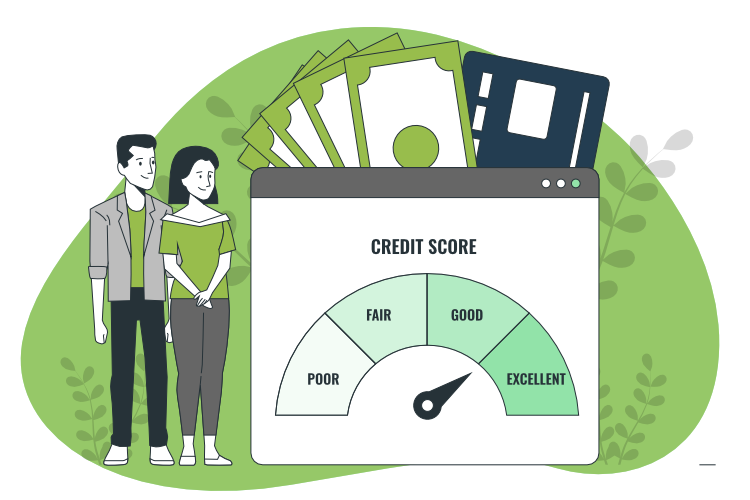
    In simple words, CIBIL score is a numerical interpretation of your ability to pay your credit or, in other words, it illustrates how regular you are when it comes to debt payment. Generally, a CIBIL Score is calculated and provided by the Credit Information Bureau India Limited (CIBIL). The CIBIL score range ranges between 300 and 900. The higher the score, the better a loan will be for you. Anything more than 750 is considered as a better score for credit.

    DOES THE CIBIL SCORE IMPACT CHEQUE BOUNCE?

    In general, a check bounce situation occurs when your bank account has inadequate funds for redemption through a cheque. In such circumstances, the financial institution returns the cheque to the withdrawer quoting the reason as “insufficient funds.” When applying for a loan or credit card, this can probably create major problems for you in the future because banks feel insecure about lending to someone who has already been unable to pay their debts.

    Hence, it is always recommended that your bank account must have sufficient funds when you are applying for the loan such that banks and lending institutions are sure of your financial stability and do not hesitate to give you the money.

    NOW GET A PRECISE VIEW ON THE FACTORS THAT DO NOT AFFECT YOUR CIBIL SCORE

    INVESTMENT PORTFOLIO

    Generally, banks are not at all concerned about your division of assets or savings, they care about whether you are able to pay your debts within a time or not. Most people are afraid to apply for a loan because they feel that their credit does not have sufficient amounts of investment. However, it may be reinforced that your investment portfolio does not make any differencewhile deciding your CIBIL score.

    PREVIOUS LOANS

    For those people who all are thinkingabout previously obtained loans make them unable to apply to subsequent loans, it should be noted that having a successive loan does not adversely affect your CIBIL score until and unless are consistent with your EMI payments.

    INOPERATIVE SAVINGS ACCOUNT

    Maintaining a low balance in your bank account is not at all a reason that lowers your CIBIL score. Typically, account holders are under the impression that their CIBIL score will fall with a low balance in their bank account. It should be noted, that a CIBIL score is only for information about any credit and the borrower’s repayment, and is not concerned about the amount of credit that the account maintains.

    SPOUSE’S CREDIT SCORE

    The other myth about CIBIL score is that your spouse’s credit score influences your own score. Indeed, it can be made clear here that this is not the case unless both the husband and the wife seek a joint loan. Lenders should realize that, when it comes to finances, a husband and wife are completely separate entities and the efficiency of a partner in terms of credit payment does not impact each other. It is also advised that a joint loan can only be received if there are tax benefits or if the partner is a qualified employee as such an advantage strengthens your CIBIL score together.

    MULTIPLE CREDIT CARDS

    Many people often believe that having multiple credit cards would dissuade them from using loans and would affect their CIBIL score negatively. In essence, however, if a person pays his / her credit card bills in time and in full, having multiple credit cards cannot be dissuasive when they are extending their loans. In reality, it only allows the financial institution to get a better understanding of your financial payment scheme and therefore makes them better serve.

    Are you looking to improve your LOW CIBIL Score? Contact us
  • WHAT IS THE CIBIL SCORE REQUIRED FOR BUSINESS LOAN?

    WHAT IS THE CIBIL SCORE REQUIRED FOR BUSINESS LOAN?

    Business owners usually need financial help over and over again. To turn the entrepreneurial vision into reality or to keep an existing company afloat, they borrow money from banks and financial institutions. The loans with attractive interest rate fuels such businesses and enables people to engage in healthy economic trading. You can find more information about the lord of the ocean slot machine free play. Unfortunately, not every business can get such good loans.

    A business with a low credit score will not be qualified to receive a loan quickly. Hence, to increase your chances of getting a loan instantly with a better interest rate, higher amount, and a longer tenor, you need to acquire your CIBIL Company Credit Report (CCR), understand the business loan types on offer, and the evaluation methods.

    If you are not sure where to start, fret not. This article will guide you suitably in this area.

    What is a Company Credit Report?

    CIBIL produces Company Credit Report (CCR) based on the data submitted by banks and financial institutions. CCR is not a credit rating. Instead, it is a record of a company’s credit history. Banks review your company’s credit report to assess your loan applications.

    CIBIL produces Company Credit Report (CCR) based on the data submitted by banks and financial institutions. CCR is not a credit rating. Instead, it is a record of a company’s credit history. Banks review your company’s credit report to assess your loan applications.

    What does a Company Credit Report Contain?

    1. Report Order Number: Number which is generated when the customer’s company report is accessed from CIBIL.

    2. Report Summary: Comprises a number of financial facilities and institutions which have granted you loans and so forth.

    3. Profile Section: Contains company name, class of activity, DUNS number, etc.

    4. Credit Facility Details: Contains credit facility details availed by a firm.

    5. Credit Type & Enquiry Summary: Includes loan types availed and the number of inquiries made by institutions in the last 24 months.

    6. Credit Facilities Guaranteed: Contains credit facilities assured by the borrowing entity.

    7. Relationship Details: Includes the details of Directors, Partners, Shareholders, and Holding Company, amongst others.

    8. Inquiry Details: Comprises details of the number of times the company’s credit report has been demanded by a credit institution.

    9. Guarantor Details: Includes the details of individuals or business entities guaranteeing the credit facility availed by a firm.

    What are the Evaluation Parameters Used by Lenders?

    Lenders use CCR to make informed decisions based on the following parameters.

    1. Capital

    Before approving your business loan application, the lenders will inspect the class of capital the owner has devoted to his firm. Hence, prior to applying for any loan, he has to make noteworthy investments to be entitled to acquiring a loan.

    2. Collateral

    Your business loan gets approved quickly if the application consists of several types of collateral in the form of equipment, accounts receivable, inventory, and property, amongst others.

    3. Leverage

    Your amount of debt on a company’s balance sheet will be scrutinized by the lenders.

    4. Gross Profit Margin

    Your net sales minus the cost of sold goods will also be analyzed.

    5. Reimbursement Capacity

    Lenders evaluate a loan application based on the repayment history of the firm to decide if it has a good track record. Defaults or late payments by a company will result in the loan application being rejected.

    6. Turnover

    Lenders will examine the annual sales volume of sales taxes as well as discounts.

    7. Inventory

    Lenders review the company’s goods and raw materials, which are ready for sale.

    8. Liquidity

    The amount of working capital of a company will be reviewed by the lenders.

    What does not affect your Company’s CIBIL score?

    Your credit score will not be affected by the following:

    1. Current account
    2. Savings account
    3. Investment account
    4. Savings held in the past
    5. Trading accounts
    6. Fixed deposit accounts
    7. Your education level
    8. Your ethnicity
    9. Your annual income
    10. Your gender
    11. Your race

    How to Check the CIBIL Score for Business Loan?

    You can check your CIBIL score through online as well as offline methods. To get your company’s credit report online, visit www.cibil.com, and submit all the required identification and address proof documents.

    To learn your score offline, you can either apply for a credit report via post or visit the bureau by yourself. In case, if you are applying via post, you are required to furnish some of your documents. Once the authority verifies and authenticates the document, your credit report will be sent to you by mail.

    Note:

    1. As per RBI guidelines, you are entitled to obtain a free credit rating check once a year. If you have already availed this free check in the year, you can get it again by making payment to the CIBIL.

    2. There are multiple credit bureaus in India, and each of them uses its dedicated scoring procedure that has nothing to do with CIBIL. So, don’t be confused by them. The TransUnion CIBIL agency is the one we are speaking about in this article.

    How to improve your company credit score?

    If you need a business loan, you are required to improve the current CIBIL score as early as possible. However, this task might not be that easy. We have mentioned some of the ways to improve the CIBIL score that offers a better chance of getting a business loan sanctioned. Let’s explore more about it below.

    1. Sustain credit utilization ratio beneath 30% of the overall credit limit
    2. Abstain from being a guarantor for a co-borrower or anyone
    3. Refrain from making pointless loan inquiries
    4. Try not to close any old bank accounts or credit cards
    5. Identify and resolve the inaccuracies in the credit report earliest
    6. Pay off all credit card dues and debts in the form of EMIs on time
    7. Develop a balanced mix of credits, and opt for unsecured loans
    8. Request the bank to raise your credit card limit

    The Bottom Line:

    Remember not to fret, even if you have a low CIBIL score. Your loan application will still be approved but at a higher interest rate. By following the measures highlighted here, you can obtain the sweet spot to seek business loans. So, keep these things in mind and gain control over your business credit report in a shorter period.

    Are you looking to Improve your Company Credit Score? Contact us

  • 10 MUST-TRY WAYS TO IMPROVE YOUR BAD CIBIL SCORE

    10 MUST-TRY WAYS TO IMPROVE YOUR BAD CIBIL SCORE

    Do you have a low CIBIL score? Fret not. We show you ten different ways in which you can improvise the score over time. However, before proceeding, let us see what a good score is, and its benefits. 

    WHAT IS CONSIDERED A GOOD CREDIT SCORE?

    TransUnion CIBIL is one of the popular credit bureaus generating credit scores in India. This CIBIL score can range anywhere between 300 and 900.

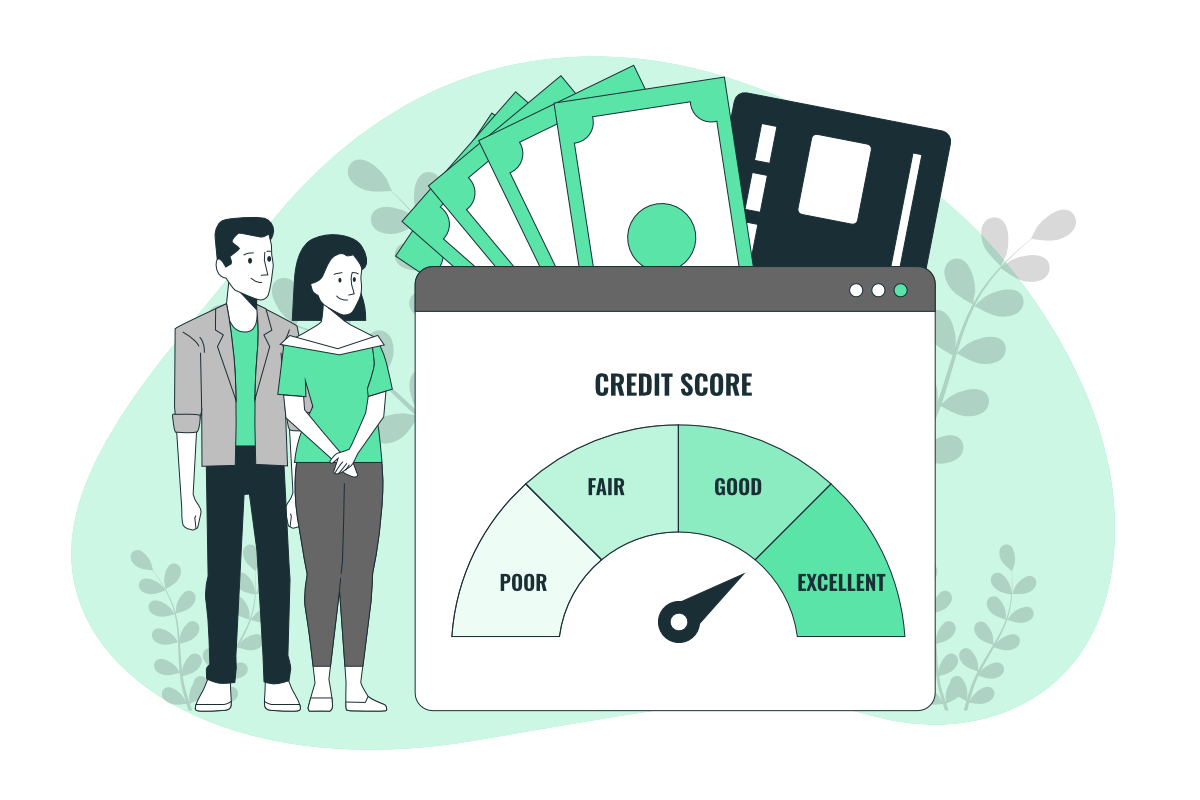
    A score closer to 900 is interpreted as good or excellent, while anything between 300 and 549 is deemed to be poor by financial institutions. Score from 550 to 700 is considered fair. A score belonging to a poor or fair category can be improved if appropriate methods are followed.

    ADVANTAGES OF GOOD CIBIL SCORE:

    • Cards with great benefits and rewards
    • Higher credit card limit
    • Easily avail pre-approved loans
    • Quick approval on credit applications
    • Get loans with longer-term
    • Gain negotiation power
    • Discount on loan handling and other fees

    Do you wish to obtain these benefits? But, do you have a poor CIBIL score? Read on to know how to improvise it.

    1. BE DISCIPLINED WITH THE PAYMENTS

    Repaying your outstanding debt on time will have a significant influence on your CIBIL score. So, be disciplined when it comes to paying EMIs. If in case you delay the payment, you have to pay the penalty and also won’t be able to achieve a good credit score. A simple step is to set a reminder for EMI payments, so that you don’t miss the date.

    2. CUSTOMIZE YOUR LIMITS

    Your credit usage ratio will also have a significant impact on your CIBIL score. Reaching the limit will lower your credit score. So, to improve your score, start restricting the credit utilization as per the assigned limit. You can contact the lender to customize your credit limit based on your expenditures.

    3. MAINTAIN OLDER CREDIT CARDS

    Continue to maintain all your old credit cards as long as you can pay your bills fully on time. With this approach, you can form a strong and lengthy credit history, which gradually increases your score and helps you maintain a good CIBIL score throughout.

    4. AVOID MULTIPLE DEBTS AT A TIME

    Take only a minimal number of loans in a fixed period. It’s a good practice to take a loan only after you repay the previous one so that it keeps your CIBIL score from colliding. Applying for several loans at once will prove that you are running out of cash, and thereby lowers your CIBIL score further.

    5. CHOOSE A LONGER TENOR

    Opt for a longer tenor for repayment while borrowing a loan. This ensures a lower EMI so that you can make payments on time without any hassles. Your CIBIL score will improve if you don’t delay, default, or skip paying EMIs.

    6. CHOOSE DIFFERENT CREDIT FORMS

    While applying for funds, ensure that you borrow a healthy mix of credits, including both secure and unsecure loans, with a long and short tenor. It builds a robust CIBIL score and helps you access low-interest rates for your personal loans in the future.

    7. DON’T APPLY FOR CREDIT IF REJECTED

    If you have been applying for a credit card or a loan continuously, even after it’s been rejected, it impacts your CIBIL score negatively. All such information will be recorded in your credit report, and the other banks will be able to see your previous rejection and may reject your current application based on it. The subtle tactic is not to apply again and wait until the score improves.

    8. DON’T OPT FOR JOINT APPLICANTS

    Sometimes, being a joint applicant makes you suffer even if you are not at fault. That is, if you are the joint applicant for a loan taken by someone else, and if they have defaulted on payments, you too will be at a loss as it will reflect in your credit report. Hence avoid being a joint applicant or ensure that the payments are made on time.

    9. MAINTAIN LOWER FREQUENCY OF APPLICATIONS

    Avoid applying for credit cards and loans many times as the bank will ask CIBIL for your credit report every time. This inquiry will be recorded in the credit report and can lower the score after each request of your report. It shows you are credit hungry even if you are capable of repaying the amount on time.

    10. CHECK YOUR CIBIL REPORT

    There are certain cases where CIBIL makes mistakes while updating the records. This brings down your score, although you are not to blame. To avoid such unnecessary problems, check your CIBIL report regularly. This helps you recognize the errors and correct them by submitting a CIBIL Dispute Resolution Form online. And, thereby, your CIBIL score will improve.

    Build up your credit score with these smart moves. Practice it often and don’t forget to keep a tab on your EMIs and credit card payments.

    Are you looking to Improve your BAD CIBIL SCORE? Contact us

  • Crucial CIBIL Score for Home Loans: Unlocking Your Dream Home

    Crucial CIBIL Score for Home Loans: Unlocking Your Dream Home

    When you apply for a home loan, the lender will consider various factors to determine your eligibility for the loan. One of the most important factors is your credit score, also known as CIBIL score. Your CIBIL score is a three-digit number that ranges from 300 to 900, and it reflects your creditworthiness. In this article, we will discuss how your CIBIL score affects your eligibility for a home loan and what you can do to improve your score.

    Why CIBIL Score Is Important for A Home Loan?

    Your CIBIL score is one of the primary factors that lenders consider when evaluating your home loan application. The score indicates your creditworthiness and how likely you are to repay your loan on time. A high CIBIL score indicates that you have a good track record of repaying your debts and are more likely to make timely payments on your home loan.

    On the other hand, a low CIBIL score indicates that you have a poor credit history and are less likely to repay your debts on time. In such a scenario, lenders may consider you a high-risk borrower and may either reject your loan application or offer you a higher interest rate. Therefore, it is important to maintain a good CIBIL score to increase your chances of getting a home loan at a lower interest rate.

    How Is Your CIBIL Score Calculated?

    Your CIBIL score is calculated based on various factors such as your credit history, repayment history, credit utilization ratio, and the length of your credit history. Here’s a brief explanation of each factor:

    Credit History – Your credit history is a record of your past borrowings and repayments. It includes details of all your credit accounts such as credit cards, personal loans, and other loans. The longer your credit history, the higher your CIBIL score.

    Repayment History – Your repayment history is a record of your past repayments. It includes details of your loan and credit card payments, including any late payments or defaults. Timely repayments help to increase your CIBIL score, while defaults or late payments can reduce it.

    Credit Utilization Ratio – Your credit utilization ratio is the ratio of your credit card balance to your credit limit. A high credit utilization ratio indicates that you are heavily dependent on credit, which can reduce your CIBIL score.

    Length of Credit History – The length of your credit history is the amount of time you have been using credit. A longer credit history indicates that you have been using credit responsibly, which can increase your CIBIL score.

    How To Improve Your CIBIL Score for A Home Loan?

    If you have a low CIBIL score, there are several steps you can take to improve it before applying for a home loan. Here are some of the ways to improve your CIBIL score:

    Pay your debts on time – Timely repayments of your loans and credit card dues are essential to maintain a good CIBIL score. Set up reminders or automatic payments to ensure that you never miss a payment.

    Reduce your credit utilization ratio – To reduce your credit utilization ratio, try to pay off your credit card balances in full every month. If you are unable to pay off the balance, try to keep it below 30% of your credit limit.

    Avoid applying for too many loans or credit cards – Every time you apply for a loan or credit card, the lender will make an inquiry into your credit report. Too many inquiries can reduce your CIBIL score.

    Check your credit report regularly – You should check your credit report regularly to ensure that there are no errors or discrepancies. Dispute any errors with the credit bureau to ensure that they are corrected.

    Keep old credit accounts open – The length of your credit history is an important factor in determining your CIBIL score. Therefore, it is advisable to keep your old credit accounts open, even if you do not use them frequently.

    Avoid defaulting on your loansDefaulting on your loans can have a severe impact on your CIBIL score. Therefore, it is important to make timely payments and avoid defaulting on your loans.

    Opt for a secured credit card – If you have a low CIBIL score, you may find it difficult to get a regular credit card. In such a scenario, you can opt for a secured credit card, which requires you to deposit a certain amount of money as security. This can help you build your credit score over time.

    Maintain a healthy credit mix – Having a healthy mix of secured and unsecured loans can help improve your CIBIL score. However, it is important to ensure that you do not take on too much debt and are able to make timely payments.

    Conclusion:

    Your CIBIL score is an important factor that determines your eligibility for a home loan. A good CIBIL score can help you get a home loan at a lower interest rate, while a low score can lead to rejection of your loan application or higher interest rates. Therefore, it is important to maintain a good credit score by making timely payments, reducing your credit utilization ratio, and avoiding defaulting on your loans. By following these steps, you can improve your CIBIL score and increase your chances of getting a home loan to fulfil your dream of owning a home.

    Are you looking to Improve your LOW CIBIL SCORE? Contact us

    Last updated on March 31, 2023

  • CIBIL SCORE AND CIBIL REPORT: KNOW ITS DIFFERENCE AND MORE

    CIBIL SCORE AND CIBIL REPORT: KNOW ITS DIFFERENCE AND MORE

    Are you looking to seek credits from the bank but unaware of the terminologies such as credit score, credit report, and CIBIL score used by the bank representatives? Worry not. Today we will cover the details of these terms and differences among them in-depth.

    As said above, these terms are commonly used by financial institutions such as banks while lending money to a borrower. They check the credit history of a loan applicant to determine if he/she is a responsible borrower and thereby minimize the risk of default.

    In today’s rapidly growing interconnected world, one has to know and track the credit scores, CIBIL scores, and credit reports to stay informed about their credit standing. This information is essential in leading good financial health. Hence, we help you in analyzing its meaning, features, as well as their difference from each other.

    Credit Score vs. CIBIL Score

    What is a Credit Score?

    A credit score is a 3-digit summary defining your overall credit history. A credit bureau in India produces this 3-digit score with the help of its algorithm by considering your credit history. The credit score generally ranges between 300 and 900.

    If you have been more responsible with your credit in the past, you will have a high credit score. Most lenders in India easily sanction the loans to borrowers having a credit score of 700 or more.

    What is CIBIL Score?

    CIBIL (Credit Information Bureau India Limited) is one of the major credit bureaus in India and licensed by the RBI (Reserve Bank of India). A credit score is called a CIBIL score when it is calculated by CIBIL.

    The credit score by other major credit bureaus of India, such as Equifax, Experian, and Highmark, are also considered equally valid. But, most lenders prefer a CIBIL score.

    Note the Difference:

    The only difference between credit score and CIBIL is that credit score can be provided by any of the chief credit bureaus in India, whereas only CIBIL provides a CIBIL score.

    CIBIL Score vs. CIBIL Report

    Now that you know the difference between the CIBIL score and Credit score. Let us learn about the CIBIL report in this section.

    What is CIBIL Report?

    CIBIL report, which is also referred to as a Credit Information Report (CIR) is the report generated by CIBIL based on the details of your credit and loan-related information. This data is later processed to make a detailed credit report for each individual.

    CIBIL report contains the following information:

    • Personal information – name, age, address, Permanent Account Number (PAN), contact details, etc.
    • Employment details along with income information.
    • Credit score
    • Credit card details of all your cards
    • Credit card bill payment defaults
    • Credit card cancellation details
    • Loan data such as ongoing loans, subsequent repayment timelines, and also the loan types availed in the past.
    • Defaults on loans & loan settlements (if any)
    • Number of inquiries made by you via loan providers

    If you did not know, every time you apply for a new Credit Card or any loan, the banks inform CIBIL about it, and all related applications are vigilantly recorded in your CIBIL report.

    Note the Difference:

    A CIBIL report is different from a CIBIL score, and you cannot interchange the terms. In fact, a CIBIL score is a numerical expression derived by processing credit information, and these numbers indicate the creditworthiness of a person.

    On the other hand, a CIBIL report is a document containing the overall credit information of an individual. That is, these reports have detailed information about their credit history.

    Importance of Credit Score in India

    Every loan or credit card borrower in India should check their CIBIL score from the official CIBIL website regularly, especially if they have taken loans or used Credit Cards earlier. Apply for the loan only if you meet the requirements of the credit score requirements of the lender.

    In case you have a poor CIBIL score, we advise you to improve the current score first and then apply for a new loan to get it approved immediately.

    Are you looking to Improve your LOW CIBIL SCORE? Contact us

  • AN ESSENTIAL GUIDE TO UNDERSTANDING CIBIL SCORE

    AN ESSENTIAL GUIDE TO UNDERSTANDING CIBIL SCORE

    Maintaining a healthy CIBIL score is a must for a happy financial life.

    But wait, what is CIBIL Score? Why does it impact an individual’s financial life? Here is an overview of the CIBIL score, its importance as well as the factors affecting it. Take a look at the lord of the ocean online casino.

    What is the CIBIL Score?

    The CIBIL score is a 3-digit numeric summary indicating a credit history of a person. This score is derived using details found in the ‘Accounts’ and ‘Enquiries’ sections of an individual’s CIBIL report. CIBIL Score reflects a person’s creditworthiness, built on his/her borrowing and repayment history.

    The number ranges from 300 to 900, where higher is considered better. Lenders typically look for scores of more than 700 or 750. In fact, 79% of bank loans are sanctioned with a CIBIL score higher than 750.

    Why Is The CIBIL Score So Important?

    CIBIL is the most trusted credit bureaus in India. Most banks and NBFCs trust its scoring technique as its accuracy level is much better than other credit bureaus in India. Owing to its credentials, lenders check an applicant’s CIBIL score when an individual applies for a loan.

    So, CIBIL scores are crucial when it comes to taking loans. It is the first imprint of an applicant in front of the lender. In the Indian Financial System, the majority of banks and NBFCs are dependent on it for loan approval and disbursal. Be it home or vehicle loan, the loan officer downloads your CIBIL report to learn your creditworthiness.

    The Advantages of a Good CIBIL Score:

    • Approval of Loan: Banks and NBFCs approve loans and credits on the basis of your credit score. If the score is high, the chances of loan approvals are more with minimum paperwork.
    • Rate of Interest Offered: The bank offers a lower rate of interest for those having a high CIBIL score.
    • Credit Card Offers: People having a healthier credit score usually get a wide range of credit card offers from several companies that are not given to individuals with lower scores. These cards have more privileges, cashback, and higher limits.
    • Negotiation Authority: If your CIBIL score is very high, you gain the negotiation authority wherein you can bring down your interest rate further.
    • Higher Approval Limits: People with a higher credit score will get loans at a lower rate of interest and also most likely get the upper limit of loans.
    • Approval of Leased/Rented Properties: A good CIBIL score helps you in easy approval of loans for rented or leased properties such as homes, apartments, or commercial complexes.

    In case you have a low CIBIL score, it creates concern among the lenders while you apply for a loan or a credit card. Banks either do not approve the loan application or grant you a loan at higher interest rates. However, there are certain CIBIL score repair agencies in India that helps you in this area.

    What Factors Adversely Affect Your CIBIL Score?

    • High Credit Limits Utilization: You seek trouble if you always hit your credit limit and make only a minimum payment every month.
    • Late Payments or Defaults: It creates a red flag if you make late payments always. It shows how financially unstable you are and how you are unable to meet your obligations on time.
    • Length of The Credit History: A long credit history increases your CIBIL score. So avoid closing old cards as you would lose out on such history and good repayment behavior associated with it.
    • Extreme Credit-Seeker: If you apply for more cards or loans even after having an ongoing loan or multiple cards, the lenders may be cautious as you could easily fall into the debt trap.
    • Type and Duration of Credit: Make sure you don’t have a high unsecured or a secured credit. Maintaining a right balance of both secured and unsecured credit boosts your CIBIL score.
    • Multiple Hard Inquiries: A hard inquiry is where lenders make the query when you go for a new credit card, a loan, or an increase in your present credit limit. This can lower your credit score to some level.

    Now we know that a good CIBIL score confirms that you get a greater advantage over those having no CIBIL score or a lower score. So, why wait? Be a responsible borrower and be consistent in paying your bills on time. Also, keep checking your credit report periodically to understand your CIBIL score health.

    Are you looking to Improve your LOW CIBIL SCORE? Contact us

  • HOW REMISSION AFFECTS CIBIL SCORE?

    HOW REMISSION AFFECTS CIBIL SCORE?

    A credit score in simplest terms means the ability to repay a loan or sum in the form of numerical representation. This score ranges between 300-900 basically, and it considers several factors. One such factor that I am going to talk about in this article is delay or skip payments. Now many factors affect your CIBIL score. These include bill payments, credit history and more. Payments are an essential part of this, and a slight constraint in this area will not be suitable for you.

    Here it is going to reveal everything about delayed and skipped that you didn’t know. You will also learn how unknowingly it affects your CIBIL score. Read this article which will save your time by providing some excellent tips to improve upon them. So, without further adieu, lets dive into the report!

    How payments activities affect CIBIL score?

    When I talk about payment activities in this article, it means two things. First, either you have been very late to make a repayment and delayed it, or you have failed to do so completely. In both cases of payment activities, there are high warnings.

    It is what the Credit Information Bureau (India) Ltd states.  90% of all approved loan applications require a CIBIL score of more than 700. Along with these financial institutions work on credit-risk based calculations. It is for interest rates and a high CIBIL score.

    I repeat do not skip payments on EMIS or for loans

    These factors stand very advantageous on your part. A good CIBIL score, banks with friendly interest rates schemes on credit welcome you. Let’s get to know these payment activities a bit more for clarity and understanding in the next section’.

    How late/ skipped payments affect credit score?

    Analysis over late payments:

    Your payment history is the most significant factor that is responsible for credit score. Therefore, it is much important that you timely manage your finances and payments and  do not skip payments on EMIS or for loans.

    If you do not accept, these pointers will make things more transparent for you.

    • A recent study revealed that 30-day misdemeanors could bring down your CIBIL score points by 100 straights.
    • A late payment has an immense impact on credit score. It varies from a particular credit bureau as against another credit bureau
    • Missing a credit card bill payment can show up in your records up to 7 years.
    • Late fees accumulated due to late payments are more aggregating than usual. It could increase your monetary debts and pressures.

    Analysis over skipped payments:

    Whenever you apply for any loan and submit its application, your CIBIL score gets checked. Your bad credit score is enough for rejections over loans applications.  Therefore, every time you have an ongoing payment activity. Be it anything, related to your CIBIL score, make sure you don’t lag.

    The best way to do so is to make a conscious calculation; one should maintain a diary of dates, expenses, and payments are a good practice. This way, you have a record with you, and will not miss any mandatory charges. Following points explain how missing payments can affect your overall CIBIL score.

    • Financial institutions reject loan applications due to lower CIBIL score. It is due to skipped payments.
    • This increases monetary debts upon the loan receiver due to increased interest rates.
    • Payments missed in the span of the last 90 days are considered minor defaults, and it is acceptable. However, your CIBIL score might get hit temporarily.
    • Save yourself from significant defaults if failure in payment exceeds the limit of 90 days than the financial institute will declare your accounts as NPA.
    • NPA accounts are red flags for lenders such defaults are liable for derogatory remarks. It can lower your CIBIL score through a great margin.

    Factors affecting CIBIL score:

    Like it is correctly quoted by Benjamin franklin “beware of little expenses, a small leak will sink a great ship”. It means, beware of little details, caution exercised beforehand reduces tragedy! Well, what I am trying to depict is that one must be ready with all the details.

    When you know how and where can your CIBIL scores can go wrong; there is a chance of improvement. The four factors that considerably affect your CIBIL score are:

    1. Credit exposure- 25%
    2. Payment history-30%
    3. Age of the credit-25%
    4. Total account-20%

    Well, these percentages are enough to speak for themselves. Now you know what parts you need to concentrate on when it comes to CIBIL score.

    The next section is how to improve the CIBIL score. So, let’s unravel the various points that can stand in your favour. When it comes to improving your CIBIL score, these points shall become your auxiliaries.

    How to improve your CIBIL score?

    After knowing the various factors, dwelling over them, and understanding the points, you find out ways that will improve your overall CIBIL score. The following points will change your life!

    • Talk to your lending institutions. Try negotiating
    • Dispute errors in credit reports
    • Pay bills on time
    • Consider auto-debit option
    • Make notes. Set reminders
    • Check your credit reports from time to time.
    • Stick to a budget

    FAQ

    1. For how long late payments reflect on a credit report?

    Records about late payments stay on credit reports up to seven years for a min post the account reported.

    1. Will late payment affect CIBIL score?

    Yes. CIBIL scores get much affected by late payments and can hamper about 80-100 points at least

    1. Can I remove the late payment record from my credit report?

    If you feel that the late payments report on your account has occurred by mistake, you can check the error. If there is something as a misleading mistake, you can report it to the respective credit bureau.

    1. How can I know about late payments on my credit report?

    If there is a sudden fall in your credit score, then you should check it.  You should immediately review your credit report.  Consult the bureaus to confirm the issue related to late payments.

  • B2B Debt Collection: Risks To Be Aware Of

    B2B Debt Collection: Risks To Be Aware Of

    Understanding B2B Collections and How to Optimize It?

    In the business world, timely payments are ideal but not always realistic. This is where b2b collections come into play. Managing a professional B2B debt collection strategy is essential for recovering funds efficiently. By understanding the formal B2B debt collection process, companies can move beyond simple reminders to professional accounts receivable management. This ensures that past-due invoice recovery is handled systematically, allowing your business to focus on growth rather than chasing outstanding payments.

    What Is B2B Collection?

    At its core, B2B collection meaning refers to the b2b collection process of recovering unpaid invoices from business clients rather than individual consumers. Because B2B debt usually involves larger sums and complex contracts, the b2b collections meaning extends to preserving long-term professional partnerships while securing capital.

    When asking, it is important to view it as a cycle of b2b receivables collection. This involves strategies ranging from polite reminders and negotiations to engaging a commercial debt recovery agency or pursuing legal debt collection services. A proactive and transparent b2b collection process is key to maintaining healthy cash flow.

    In b2b collections, clear payment terms are essential. Setting up a well-defined policy ensures that if a debtor fails to meet terms, you have a structured b2b debt recovery plan ready.

    Best Practices for B2B Collections

    Efficient b2b collections best practices focus on reducing payment delays and ensuring smooth operations. Key strategies include:

    Streamlining the Collections Process: Develop a clear accounts receivable management system to track and follow up on unpaid invoices.

    Proactive Communication: Engage clients early to address potential payment issues.

    Customizing Approaches: Tailor the b2b collections process to suit the specific needs and payment cycles of your clients.

    Leveraging Technology: Utilize software to monitor b2b receivables collection and automate reminders.

    Why B2B Debt Collection Matters

    An effective b2b debt collection strategy safeguards your cash flow while minimizing disruptions. By managing the debt collection process efficiently, businesses can sustain growth. Strong accounts receivable management, paired with a strategic approach to b2b debt recovery, helps businesses stay financially secure and competitive.

    What are the ways to execute an effective B2B collection operation?

    Based on our experience as a commercial debt recovery agency, below are some of the best practices:

    1. Always mind B2B Maintaining a positive reputation will be easier if you follow best practices around accounts receivable management. AR refers to money owed for services already provided. Management of accounts receivable involves recording, issuing, and following up on past-due invoice recovery.

    2. Communicate clearly In the small world of b2b debt, businesses talk. A few decision-makers negatively evaluating your policy could damage your reputation. Be straightforward about due dates and the b2b collection process to avoid misunderstandings.

    3. Follow consistent collection steps. If a client does not pay, follow these 6 steps for excellent accounts receivable management:

    1. Internal Review:

    Check if there is a pattern to the past-due invoices.

    2. Other communication channels

    Use skip tracing to find debtors who have “skipped town.”

    3. Demand letter

    Usually written by a lawyer, this is a preventative measure before escalating to legal debt collection services.

    4. A Debt Collection

    Hiring a specialist commercial debt recovery agency is the next logical step if internal efforts fail.

    5. Litigation

    When all other options fail, legal debt collection services can help you head to court.

    6. Cut your losses

    If the cost of b2b debt recovery exceeds the debt itself, it may be time to write it off.

    Conclusion

    B2b collections management can drain company resources if not handled correctly. By following these guidelines and maintaining a professional b2b debt collection process, you can protect your cash flow and foster rewarding long-term customer relationships.

    FAQs

    1. What is B2B collection, and how does it differ from B2C?

    It is the process of recovering unpaid debts from one business entity to another. Unlike B2C, the B2B debt collection process usually involves higher invoice values, more complex legal contracts, and a greater emphasis on maintaining long-term professional relationships.

    2. Why is accounts receivable management important for my business? 

    Effective accounts receivable management is the backbone of healthy cash flow. It involves tracking outstanding invoices and ensuring timely payments, which prevents small delays from turning into significant B2B debt that could disrupt your operations.

    3. When should I hire a commercial debt recovery agency? 

    You should consider a commercial debt recovery agency when your internal follow-ups fail or an invoice remains unpaid for more than 60–90 days. Professional agencies have the expertise to handle b2b receivables collection without damaging your brand reputation.

    4. What is the B2B debt collection process usually like? 

    The b2b collection process typically follows a structured path: it begins with polite reminders, moves to formal demand letters, escalates to professional negotiation via a third party, and may eventually result in legal debt collection services if the debtor refuses to pay.

    5. How can I improve my success rate for past-due invoice recovery?

    To optimize past-due invoice recovery, you should implement b2b collections best practices, such as sending automated reminders, offering flexible payment plans, and performing thorough credit checks on new clients before extending credit.

  • WHEN TO HIRE A DEBT COLLECTION AGENCY?

    WHEN TO HIRE A DEBT COLLECTION AGENCY?

    Running after unpaid invoices can be too tiring. Sometimes retrieving money from your customers may not seem such a challenging task. But trust me, in some cases, you might require professional help. Get more information about the free lord of the ocean.

    Research says that opportunity costs because of delay in payments can destabilize a company’s profit for up to 5 years. But, retrieving money from debtors may not be your cup of tea. To assess the need for professional help, you must first understand your condition. The skills of your employees may not on par with debt collection tactics. A professional debt collection agency is an expert in the collection industry and knows every situation’s minute details. It makes more comfortable for your company to get the money back without the loss of significant customers.

    How do you figure out that you need a debt collection agency, and when should you take that step?

    DOES YOUR BUSINESS NEED A DEBT COLLECTION AGENCY?

    Figuring out whether your business needs a debt collection agency can be tough, especially when you are a small start-up. It would be best if you looked forward to hiring a debt collection agency when you feel that your losses are accumulating more, and you are not in a position to handle them any longer.

    A US Bank study has proved that almost 82% of businesses fail due to the company’s cash flow issues.

    To make your job easier, here are six factors that determine whether you need a debt collection agency or not.

    1. Lack of specialized employees: You don’t have employees competent enough to handle debtors.
    2. Lack of time: This may correspond to your urgency to get the money back and lack of proper support for that.
    3. Harsh debtors: Your debtors are too loud and too harsh for your regular employees to handle.
    4. High cost: The resources, as well as the money you are spending on getting your money back, are way more than hiring an agency.
    5. Small debts from a large number of customers: The balance of your pending invoices might be low, but the amount is large, so it might be a waste of time and resources to deploy your employees out there.
    6. Lack of competency: Your Company doesn’t have enough skills or knowledge to get the money back from difficult debtors who have either disappeared or bankrupt.

    Always keep in mind the above factors before you go on to hire a debt collection agency.

    THE RED FLAGS OF DANGEROUS DEBT SITUATIONS

    Below are a few red flags that enable you to understand that it’s high time to hire a debt collection agency. Ignoring these red flags may be quite harmful to your business in the long run.

    A. WHEN YOUR CUSTOMER’S CHEQUE BOUNCE

    In such a case, debt collection agencies can analyse your customer’s credit history and save you a lot of money.

    B. UNPAID BILLS OF OVER 90 DAYS.

    According to data, after 90 days, you lose roughly 10% per month on overdue commercial balances.

    It is rightly said that timing matters a lot. If you have a lot pending in your 90-day column, then it’s undoubtedly time that you hire a debt collection agency.

    C. NOT FAMILIAR WITH LAWS?

    When your company isn’t a pro in legal dealings regarding collection protocols and regulations, debt accumulation becomes extremely difficult.

    Debt collection agencies are well versed with all the state and corporate law regarding debt collection. So, hiring a debt collection agency can reduce risks of money loss for your company.

    D. A WIDE CUSTOMER NETWORK.

    When your customers are far-off, it becomes more difficult for you and your employees to locate and handle them.

    Here debt collection agencies play a vital role in locating such customers and retrieving your money back.

    Apart from the above factors and red flags, several other reasons necessitate the need for a debt collection agency.

    E. GET YOUR MONEY BACK SMOOTHLY.

    Debt collection agencies are competent enough for handling debtors that they retrieve all your money hassle-free. They have more advanced tools to manage defaulters like skip tracing and credit history analysis. These methods can fasten the cash flow process. A right debt collection agency also takes care of the cost-effectiveness of the process.

    Wayne Vidzicki, the Director of Collections and Premium Audits at Berkshire Hathaway GUARD Insurance Companies, once said that you always wish to unravel debt issues as promptly as possible. Because the longer it takes, the lower the probability gets.

    A debt collection agency sorts out this problem of finances and quickly and steadily increases the cash flow.

    When you face a well-informed customer, you can easily fall into legal entrapment. Handling legal matters often gets complicated.

    A debt collection stays updated with all the legal proceedings and safeguards your company against severe legal webs.

    Not only debt collection agencies safeguard your rights, but they also advice and counsel debtors to get out of debt. Hiring the right debt collection agency also improves the relationship between you and your customers.

    G. STAY FREE FROM DOCUMENTATION WORRIES.

    Documentation is a vital part of the debt collection process. A debt collection agency keeps records in great detail for your company to analyse. It also proves beneficial in case of legal deceptions.

    Proper documentation keeps your debt collection details in order, which you can check and sort out later.

    Conclusion

    To avoid your business failing due to a lack of sufficient profit, you must pinpoint a situation where you can no longer handle debtors without professional help.

    Hiring debt collection agencies might help your business recover losses that would have been otherwise difficult to retrieve.

    A right debt collection agency uses their skills and knowledge to protect your company from harsh and rude debtors who are in no mood to pay your debts. They also look after all your legal matters regarding debt collection. With proper documentation of records, debt collection agencies offer you the liberty to smoothly run your company without the fear of losing money via inefficient payments.

  • DECODING THE DEBT COLLECTION PROCESS

    DECODING THE DEBT COLLECTION PROCESS

    When your customers owe you a lot of money, your cash flow gets blocked. Running your business requires a steady flow of cash, and any stagnancy can lead to constraints. Late invoices are standard but may be problematic if the payment keeps on delaying. Debt collection is a dynamic process and an extreme step in business. So, preventing debts from the beginning of the business deals is necessary.

    PAY ATTENTION TO CREDIT POLICIES FROM THE START

    It is often wise to create clear credit policies from the beginning of the contract signing process. Make everything clear, the payment process, the deadline, the interest charges, billing terms, and conditions, etc. It safeguards your company’s interest from the start.

    STRAIGHTFORWARD AND PUNCTUAL INVOICES

    It is the essential step in the debt collection process. Make it clear via timely invoices that how and when would you like to receive your payments. When you have your invoices clear and convenient, you can expect your customers to be punctual in their payment processes as well.

    MANAGE YOUR ACCOUNTS

    When you keep track of your accounts properly, you can sort out delays in payments by calculating the time frames. This step is very crucial in identifying debts.

    IDENTIFICATION OF A PROBLEMATIC DEBT

    The most vital step of the debt collection process is the identification of problematic debt. Sometimes a few of your customers may delay payment, but you need to identify those you are avoiding payment. When you understand the problem well, you will be able to find out better solutions without losing your customers. Trusted customers should not approach hastily if they delay payments a bit, but post 60-90 days things get a bit serious.

    CONTACT VIA CALLS

    Sometimes the simplest mode of debt collection can be a polite telephonic reminder. Phone calls can be hard to avoid for many debtors. Try calling more than once if required but don’t be a nudge. Also, see to it that you don’t get embarrassed in calling a debtor repeatedly if needed.

    ATTRACTIVE DISCOUNTS TO ENCOURAGE FASTER PAYMENTS

    It is a strategy used by many companies to encourage faster payments by their consumers. You can offer incentives for faster refunds like attractive discounts to motivate your customers for clearing bills earlier.

    KNOW WHEN TO HIRE A DEBT COLLECTION AGENCY

    Debt collection agencies may seem tough. But when your capital is stagnant for quite a long time, debt collection agencies do help you to get your debt back without hampering the relationship between you and your customer. Hiring a reputable debt collection agency primarily works wonders when your business lacks the time, money, or personal to handle your debt payments.

    Debt collection requires specific skills like knowing the right time to call, to send letters, particular protocols, exploring the right legal options, etc. Generally, these skills may not be present within your company, and handling debt payers might become difficult for your regular employees.

    The area of expertise of the debt collection agency may prove beneficial for your business.

    Hiring a debt collection agency also means that you don’t have to be involved in the process. So, the relationship between you and your customer does get not hampered. The debt collecting agency will take care of the legal notice, timeframes, and litigations and serve the role of the villain here.

    When a debtor avoids payment for more than 90 days, you can contact a debt collecting agency to take up the case further.

    Once you assign a case to a debt collection agency, a collector is immediately assigned to the case. The collector takes all necessary steps like specifying the payment period, legal actions, litigations, etc. and continuously keeps you updated about the issue. They make sure that you get your money back.

    CONCLUSION

    The debt collection process consists of efforts made by the company to discourage late payments and debtors and to take professional help for debt collection finally.