Blog

  • Dropline overdraft: Features and more

    Dropline overdraft: Features and more

    Businesses are always in need of funds for their smooth operation. To help meet the business requirements of banks, NBFCs offer various financial tools such as lines of credit to meet business expenses. An overdraft facility is one such tool that allows the borrower to overdraw funds for their requirement up to a certain limit. However, another feature known as the Dropline Overdraft facility is similar to Overdraft with a few major differences. Let us know in detail about a Dropline Overdraft, its features, and who can avail of it.

    What is a Dropline Overdraft?

    The Drop-Line Overdraft (DLOD) allows businesses to withdraw funds from their current accounts up to a limit set by the bank. Due to the fact that you only pay interest on the amount you withdraw, overdrafts are one of the most efficient methods of borrowing

    In all cases, dropline overdrafts are almost similar, except in new instances in which the limit is available. The withdrawal limit is reduced each month from the sanctioned limit. The interest rate is calculated daily and charged at the end of each month. Since you will only be charged for the amount used, you can always park your funds in a virtual account when not in use.

    Important features of Dropline Overdraft:

    1. It can come in as both forms of loan i.e. Secured loan and Unsecured loan
    2. With an unsecured dropline overdraft, no collateral is required. However, a secured loan is provided with collateral based on the creditworthiness of an individual.
    3. DLOD is a hybrid between a term loan and an overdraft.
    4. It is only available for current accounts, so the amount is only credited to the current account from the bank. 
    5. Like traditional loans, monthly repayments are not needed and the interest rate of Dropline overdraft is very low.
    6. The withdrawal limit reduces monthly from the sanctioned limit.
    7. Dropline overdraft facilities are not subject to end-use restrictions and can be used for other purposes like the purchase of a property, renovation of a house, medical emergency, marriage, business expansion or startup. Manufacturers, retailers, traders, and service providers benefit from DLOD.
    8. The interest rate is calculated on a daily basis as the money is withdrawn. It is charged only on a monthly basis.
    9. Renewals are not charged annually.

    What are the eligibility criteria for availing Dropline Overdraft facility?

    Business experience: Minimum of 2 years in current profession

    Turnover: Minimum 30 lakhs to Maximum of 30 crs

    Age: At the time of loan application, you must be at least 24 years old, and at the end of the loan term, you must be at least 70 years old

    Stability of Residence/Office: To qualify for residence stability, either an office or residential property should be owned. In the case of rented accommodation, residence stability must last at least 12 months. However, this requirement does not apply if the office is relocating to an owned house. Therefore, office stability should last for a minimum of 24 months.

    • The minimum income for individuals is 2.5 lakhs based on their ITRs for the last two years. The minimum cash profit for individuals should be Rs 3 lakhs for the last two years.

    There is no restriction on who can apply for DLOD

    • Owners of proprietorships, partnerships, or private limited companies with current accounts with a positive banking history
    • Business maintaining their current account for a number of years
    • Ideally, the business should have been operating for over three years and have a clean record.
    • Additionally, banks may request audited balance sheets, and profit, and loss accounts from companies to facilitate overdraft limits

    What documents are required for the Dropline overdraft loan?

    Personal Documents

    • A passport-sized photograph of each applicant and co-applicant is required with the application form
    • Applicants and co-applicants PAN cards
    • A voter ID, driving license, passport, or Aadhar card can be used as identification
    • Documents that prove your address – a passport, a driver’s license, a voter identification card, a utility bill, or a telephone bill

    Self-Employed Individuals / Sole Proprietorships

    • Financial statements and audited ITRs for last three years- Balance Sheet and Profit & Loss A/C
    • An annual bank statement for the borrower’s main account/s as indicated on the most recent Balance Sheet
    • One-Year GST Returns
    • Existing loan payment statement

    Partnership Firms / Private Limited Companies

    • Recent audited annual reports and financials of the past 2 years (Balance sheet, profit & loss accounts)
    • One Year bank statement of the borrower’s main account/s as listed on his/her Balance sheet
    • In the case of partnerships, the partnership deed is required
    • For private limited companies, the Certificate of Incorporation
    • GST returns of one year
    • Statements of existing loan

    Is there any facility that can help with the Dropline Overdraft facility?

    There are many financial institutions that you can rely on for availing Dropline Overdraft facility. These institutions work for corporates raising the funds and work with transparency, confidentiality, and professionalism. So, if you are looking for a hassle-free experience with the funding you can reach out to some of the reputed financial institutions 

    FAQs

    Q. I am a retailer and run a grocery store. Can I avail Dropline Overdraft facility?

    Ans. As long as your creditworthiness and business needs are met, you can get a Dropline Overdraft if you are a retailer, trader, or manufacturer.

    Q). Is maintaining a high credit score necessary, if I want to avail Dropline Overdraft facility?

    Ans. Keeping a high credit score is always advisable since this facility is like a loan. Creditworthiness and repayment capacity are therefore key criteria for borrowers of cure loans.

    Q. Are there any collaterals required before taking the Dropline Overdraft facility?

    Ans. Dropline overdrafts are available in both secured and unsecured forms, so collateral is required for secured loans.

    Q. What is the maximum borrowing limit sanctioned by banks or NBFCs?

    Ans. Minimum and maximum borrowing limits vary based on the applicant’s profile, business requirements, financial history, repayment ability, and creditworthiness.

    Q. What makes Dropline Overdraft different from an overdraft facility?

    Ans. The sanctioned borrowing limit in an overdraft facility remains the same or does not change until the limit is reached. In Dropline Overdraft, the withdrawal limit reduces each month from the sanctioned amount.

    Q. How much interest will be charged on the borrowed amount?

    Ans. Monthly interest charges are calculated on a daily basis.

  • What are the top five challenges for MSME business loans?

    What are the top five challenges for MSME business loans?

    Approximately half of India’s exports are attributed to the Micro, Small, and Medium Enterprises (MSME) sector, contributing more than a third to the country’s GDP. According to the MSME Ministry, the Udyam Registration portal has registered over one crore MSMEs. The development of the MSME sector boosts India’s manufacturing output, employment generation, and national exports.

    MSME business financing in India remains a key challenge, despite the pivotal role MSMEs play in India’s economic development. Because MSMEs tend to have small loans and limited collateral and credit history, traditional banking and financial institutions are generally reluctant to work with them. MSMEs in India face challenges such as insufficient financial knowledge, inaccessibility to timely funding, and complex regulatory procedures. To achieve India’s goal of becoming a global economic power, it is essential to understand these challenges and streamline MSME business financing in India.

    Let’s take a look at the top 5 challenges of SME loans –

    1. Inadequate financial literacy

    Despite displaying incredible entrepreneurial grit, many MSME business owners lack financial literacy. Often, this can lead to imbalanced working capital ratios and low credit scores. In addition, failure to choose the right lender can result in higher interest rates on small business loans. Moreover, many NBFCs and online lenders must use the latest financial technologies. Therefore, the public and private sectors must work together to ensure that MSMEs seeking business loans are well-informed about finances.

    2. Unaware of the Modern Financing Solutions

    Acquisition on of licenses and insurance, certifications, and many more are other top challenges that impact MSMEs’ cash flow. MSMEs are unable to obtain financing on time because of antiquated regulatory practices and such regulations. An insufficient understanding of financial products and services, lack of trust, and non-familiarity with technology are other factors that prevent small businesses from using online transactions and thus causing hindrances in cash flow.

    3. Trust Deficit

    Since SMEs typically involve small amounts, banks don’t extend SME loans, and they believe these businesses can’t repay them, thus applying stricter regulations. MSMEs’ lack of credit rating makes them high-risk borrowers, further impacting their business loan eligibility.

    4. Cumbersome disbursement

    There are usually strict eligibility criteria and a variety of documentation needed by business owners who want to take advantage of traditional lending options. Furthermore, processing small business loans and crediting the funds is lengthy and laborious. This financing route is not feasible for MSMEs requiring SME loans to meet working capital needs. Since NBFCs have relaxed eligibility criteria and offer quick loan disbursements, many people are now turning to alternative lenders, such as NBFCs.

    5. Collateral Requirement

    Due to strict collateral requirements, small businesses often need help obtaining MSME loans. Most medium-sized companies do not own assets such as property to hypothecate. Due to this, many small business owners prefer unsecured business loans to avoid pledging assets for secure financing.

    So, above mentioned were the top five significant challenges of SME loans. However, if you are a business owner, there is no need to be alarmed. You can avoid such problems by choosing the right lender.

    The unique capital needs of MSMEs and the challenges they face in securing funding are many. To help small businesses grow, many financial institutions offer unsecured MSME loans that are easily accessible and require no collateral. If you’re interested in taking out an SME loan, research and calculate your EMIs using a business loan EMI calculator. 

    What are the benefits of supply chain finance or MSME in India?

    MSMEs can escape the vicious cycle of low profits, stagnant growth, and high operational costs with supply chain finance (SCF) solutions. Low-cost financing solutions under SCF can bridge the trust gap by providing lending institutions with credit risk management tools and expanding the scope of financing to include poorly-funded MSMEs. MSMEs can benefit from supply chain finance in the following ways.

    Instant working capital access

    SMEs can use supply chain finance to meet urgent working capital requirements, make early payments, or access owed funds more quickly. MSMEs can access funding within hours using technology-enabled SCF platforms. SMEs can easily expand their businesses, purchase new raw materials, or update their inventories with seamless and quick financing.

    Improved Liquidity

    To minimize credit gaps in the MSME sector, the government provides one-time, non-recurring funds. To meet day-to-day operational requirements, MSMEs require a consistent flow of funds. As supply chain finance is based on monthly invoicing, it can help MSMEs maintain daily cash requirements and offer improved liquidity, boosting their growth.

    Burden of Repayment is reduced

    Compared to supply chain financing, MSME schemes have different loan terms. MSME loans offer lower interest rates, but strict repayment schedules are required. On the other hand, SCF does not require repayment since the funds are provided in advance against invoices due to SMEs. The buyer can directly collect payment in such transactions.

    The Bizongo platform enables MSMEs to obtain advance payments against outstanding invoices from buyers with minimal disruption to their production processes. In addition to enhancing financial inclusion, they provide MSMEs with more diverse financing options at a lower cost. Technology advancements and funding alternatives such as supply chain financing are transforming MSME business financing in India.  

    The answer to your financial woes and support for your MSME is here. You can meet your working capital needs cost-effectively with our supply chain financing solutions. 

     FAQs

    Q) At what interest rate can I get an MSME business loan?

    Ans. The interest rate is around 6.10% for five years which can extend up to 10 years.

    Q) What happens if an MSME business loan is not paid on time?

    Ans. If a buyer fails to make a payment on time for the supplies, he/she is liable to pay a compounded fine within 45 days from the acceptance of the goods/service.

    Q) What are the five basic requirements 

    Ans. Identity, address, passport,  bank statement, and salary slip with the latest form 16.

  • Education Loans: What Every Parent Should Know

    Education Loans: What Every Parent Should Know

    The goal of getting into your dream college or going abroad for higher education is what many students strive for. Education is becoming more expensive due to the high inflation rate. In addition, many parents might have difficulty funding their child’s education due to the inflation and rising cost of education. An education loan may be the best solution if you pursue management or any other course. 

    Graduating from a reputable institute is a stepping stone toward a rewarding career in today’s highly competitive world. Due to the rising education costs, most parents prefer applying for an education loan to cover their child’s tuition. The average size of an education loan has increased significantly from 5.73 lakhs in 2015 to 8.50 lakhs in 2018, according to a study by CIBIL.

    Getting the best education loan offer is essential for parents because it is a substantial financial commitment. A student can apply for a loan in a public sector, a private bank, or even a non-banking financial company (NBFC). 

    Before applying for an education loan, keep a few essential things in mind to avoid any financial complications in the future. Here are a few critical things you must consider while applying for a loan.

    Increase Your Chances Of Loan approval

    Factors like Academic records, institute/course opted, and the amount of loan you are seeking are a few factors that play a crucial role in loan approval.  Make sure you choose a reputed institute as the chance of getting a loan is higher for such institutions while offering better job prospects. The interest rates may often be low for premium institutions such as IITs and IIMs. There are high chances of better employment after the course completion, and the risks (of unemployment) are common, so the interest rates will be lower for such premium institutions.

    Assess and compare offers: There are high chances of better employment after the course completion. The risks (unemployment) are low, so the interest rates will be lower for such premium institutions. Compare offers from multiple lenders before deciding. It is possible to compare interest rates across various banks using aggregator sites. Choosing a loan with the best interest rates and flexible repayment options will be easier.

    Keep Documents Ready

    Before applying for an education loan, getting all the necessary documentation is essential. Documentation requirements vary among lenders. In most cases, parents’ income-related documents and their credit report are also required, as students usually don’t have income proof of their own at that age.

    A co-applicant, usually the parents, is also required. Make sure your documents comply with the lender’s requirements. 

    Most lenders do not require collateral for loans up to Rs 4 lakh; for amounts up to Rs 7 lakh, collateral isn’t needed, but a third-party guarantor is. For loans of a higher amount, a student must provide total collateral.

    For certain premium institutions, lenders will give a concession when it comes to property papers, insurance papers, and gold. 

    Consider The Processing Time

    Depending on the lender, it could take as little as two weeks or as long as two months. Borrowing against security, such as a fixed deposit, can be instant. The processing time also depends on the loan amount and collateral requirements.

    This time is primarily required for pre-sanction inspections and verifications of co-applicants, residences, and educational institutions. Keep a buffer of two months before you need the loan disbursed.

    Eligibility And Margin Criteria

    Both public and private banks provide many loan options. Compare the opportunities to get the desired loan amount at lower interest rates. Check out the eligibility criteria of the lenders and then apply for the one that works best for you in terms of costs, interest rate, turnaround time, etc.

    Lenders often require a margin for loans with high amounts. A student has to pay the required amount to the lender or institute before the lender disburses the loan amount to the institute, explains the Bank of Baroda executive.

    Repayment

    Depending on the parent’s income, the government may provide a subsidy on loan repayment. The interest rate can be lowered through various schemes. Many banks offer discounts on interest rates for girl students in particular. Non-repayment of education loans can be a concern if employability is low. 

    One should be sure that he/she who has taken the loan can his monthly installments after completing the course. Always remember the sooner you repay the loan, the better it will be to avoid a higher interest rate due to late payment. One can take an education loan but read all the terms and conditions before taking the plunge.

    Ensure that you understand the lender’s collateral requirements before applying for a loan: Lenders can provide 100 percent of the loan, subject to the amount. For loans up to INR 4 lakh, margin money (self-finance) is required. For higher education in India, 5% of the funds must be self-financed, while for education abroad, 15% must be self-financed. No collateral is required if the amount is less than INR 4 lakh. An asset must be pledged as a security to the bank if the borrower fails to repay the loan for funding above INR 7.5 lakh, where a guarantor is not required.

    Maintain a good credit score: A parent or guardian is a guarantor when a child applies for an education loan. It is also the case if a student does not have a credit history and the lender requires a friend or family member to guarantee the loan. For a loan application to be approved, the guarantor must have a good credit score. Lenders may also offer better rates to applicants with credit scores of 750+.

    Plan your repayment strategy: Although interest begins accruing from the first month, students may be given a moratorium period of one year before starting to repay the loan amount. This grace period allows your child to pay the EMI after this period but allows you to repay the EMIs early and speed up the repayment process.

    Additional benefits: An education loan also comes with certain perks, such as a tax deduction under Section 80E of the Income Tax Act. Since education loans are usually the first student loans, they also help build a positive credit footprint.

    FAQ’s 

    Can I get 100% educational loan?

    Education loans indeed cover 100% of education expenses, but there is a limit to how much coverage is provided for expenses.

    Can we cancel the education loan after 1 year?

    A student loan can be canceled after a year. To cancel an Education Loan, you must adhere to specific terms and conditions. Along with that, you may also require to provide sure proof to meet those specific requirements.

    What all are covered in education loans?

    Your tuition and your education loan will cover several things like hostel fees, mess fees, exams, library books, and even traveling and other expenses like educational projects.

    Which bank provides the cheapest education loan?

    Central Bank of India provides the cheapest interest rates starting from 6.85%, where students can take a loan and study in India and abroad. Female students can get concession rates. Also, they can get generous loan amounts that can cover all their expenses related to the courses. 

  • SBI CIBIL Score for Personal Loan

    SBI CIBIL Score for Personal Loan

    Banks, including the State Bank of India (SBI), consider your SBI CIBIL score as the most critical factor for determining eligibility for a personal loan. The CIBIL score SBI evaluates is provided via a detailed CIBIL TransUnion Report and is calculated based on various parameters, including your credit history, current loans, and Repayment Track Record. For those applying for a loan, understanding the SBI CIBIL score for personal loan approval is crucial, as it significantly impacts the SBI personal loan interest rate you will be offered.

    Generally, a CIBIL score for sbi personal loan of 750 or higher increases the chances of approval. Your credit score SBI assessment plays a key role in determining whether you will be approved with a favorable interest rate for a personal loan in SBI. If your SBI CIBIL ranking is lower, you may still be eligible, but the SBI personal loan rate could be less favorable.

    Banks, including the State Bank of India (SBI), consider your CIBIL score as the most critical factor for determining eligibility for a personal loan. A Credit Information Company calculates this score based on various parameters, including your credit history, current loans, loan and credit card application frequency, which triggers a Hard Enquiry, and repayment history. For those applying for an SBI personal loan, understanding what the minimum CIBIL score required is is crucial, as it significantly impacts the approval process.

    When evaluating a CIBIL score, SBI assesses whether the minimum CIBIL score requirement is met and examines other factors, such as income stability and Credit Utilization Ratio, for applicants with moderate credit profiles. Lenders also look for a healthy Credit Mix of secured and unsecured debts. Generally, a CIBIL score of 750 or higher increases the chances of approval for a personal loan with SBI and other lenders, often leading to a Pre-approved Loan offer.

    The credit score of an individual plays a crucial role when applying for an SBI loan. Your CIBIL score is a key factor in determining whether you will be approved for a loan with a favorable interest rate. Can I get a loan if I have a low credit score? The answer depends on the CIBIL score as SBI evaluates it to assess your creditworthiness, including your EMI to Income Ratio. Generally, a score above 750 is ideal for securing an SBI loan at competitive State Bank personal loan interest rate terms. If your CIBIL score is lower, you may still be eligible, but the loan terms and rates could be less favorable.

    Here’s the meaning of the CIBIL score for SBI personal loans:

    • 750 – 900: Banks like SBI and other financial institutions consider a CIBIL score of over 750 as a good score for personal loans. This range indicates that your credit score is excellent, portraying you as a low-risk borrower. If you have a score in this range, you can improve your chances of loan approval, negotiate an Interest Rate Concession, and secure higher loan amounts. Additionally, favourable terms and conditions may also be extended to borrowers with a credit profile in this category.
    • 600 – 749: A CIBIL score in this range is considered average or mediocre. While not ideal, SBI assesses additional factors alongside the CIBIL score for personal loan eligibility in this bracket, such as your Debt-to-Income Ratio, employment status, and repayment capacity.
    • 300 – 599: If your CIBIL score is in this range, qualifying for an SBI personal loan becomes highly unlikely. Most applications with scores in this category are rejected. However, you can explore alternatives, such as loans against gold, assets, shares, or fixed deposits. To improve your chances of approval for an SBI personal loan, focus on improving your credit score through a professional Credit Score Repair Agency. The CIBIL score required for loan eligibility can only be met by demonstrating financial discipline and avoiding repeated rejections.

    What are the highlights of the SBI Personal Loans?

    As mentioned below, applicants can apply for many types of personal loans based on their eligibility.

    The highlights of these loan types and SBI Personal Loan Interest Rates are tabled below.
    CategorySBI Xpress SBI Quick Personal LoanSBI Pension Loan
    PurposeSalaried employees do not having SBI accountCentral and State Government Pensioners – Rs. 7,50,000 to Rs. 14,00,000 (depending on their age) Defence Pensioners – Rs. 7,50,000 to Rs. 14,00,000 (depending on their age)Family Pensioners – Rs. 2,50,000 to Rs. 5,00,000 (depending on their age)Pensioners or family pensioners can get a loan
    Loan AmountRs. 25,000- 2,00,000 or 24 times net monthly income Rs. 24,000- 20,00,00 or 24 times net monthly incomeBetween 2 years to 7 years, depending on the age of the applicant and the category of applicant
    Rate of Interest About 12.63 %Approximately 9.75% – 10.25%Between 10.85% – 12.85%
    TenureLower of 6 years or period of service remainingLower of,6 years or period of service remainingBetween 2 years and 7 years, depending on the age of the applicant and the category of applicant

    How does SBI interpret your creditworthiness using the CIBIL score?

    If, In addition to having a high credit score, you have managed your credit well and are disciplined in your handling of credit products without any Days Past Due (DPD), you would fall under the low-risk segment. You would thus be considered a preferred borrower by the bank. You may also get your loan approved quickly at relatively low interest rates.

    A low CIBIL score indicates you haven’t managed your finances well, perhaps due to a previous Moratorium Period or missed payments, which may result in your loan application being denied. It also affects your creditworthiness, and there is a high chance that you might default on the loan, leading to a Non-Performing Asset (NPA) status for the bank. Your loan application will not be approved if the bank thinks you cannot repay it. In such cases, your loan application will be rejected, or you may get a loan at high interest rates.

    Possible Reasons for SBI Personal Loan Rejection

    Details of the minimal CIBIL score regarding every defaulted payment for the last three years are shown in your CIBIL report. SBI Bank will track your report, and if there is any lack of timeliness of debt repayments, or if you have a Settled Status or Written-off Account on your record, it will become visible to SBI. These act as a red flag, making them skeptical of offering you a loan or allowing for Foreclosure of existing high-interest debts.

    Some main factors that may lead to SBI personal loan rejection:

    • Defaulting on SBI personal loans can also affect your CIBIL score. Your CIBIL score is evaluated during the personal loan application process, and a history of late payments alerts the bank authorities to your apparent financial stress. You are more likely to have your loan application rejected, which negatively impacts your CIBIL score.
    • Avoid applying for another SBI personal loan until your credit score improves if you’ve been rejected several times in the past within a short period. To enhance your CIBIL score, pay your dues on existing loans and outstanding monthly debt on credit cards. Then consider applying for a secured SBI personal loan.
    • Avoid applying for multiple loans within a short period. As a result of financial instability, this behaviour is interpreted as debt-hungry behaviour, causing questions about your ability to maintain liquidity. Applying for another SBI personal loan immediately after the closure of an existing one is a sign of debt hunger.
    • Be careful not to act as a guarantor for an SBI personal loan applicant. Banks and financial institutions sometimes ask for a guarantor from loan applicants with a low CIBIL score. Make sure you are not a co-applicant or a guarantor, as you may not get the beneficiary’s benefits. Also, when the primary borrower defaults on the loan, it affects not only his/her CIBIL score but also that of the co-applicant/ guarantor. In such cases, the bank can ask the guarantor to pay the outstanding debt on his/her behalf.

    If you want to get your CIBIL score for SBI. You can reach out to Credit Rating Information Services of India Limited (CRISIL), ICRA Limited, Credit Analysis and Research Limited (CARE), and many other popular agencies in India.

    In the end,

    An individual with a low CIBIL score may not necessarily default on the EMI payment, and an individual with a high CIBIL score may not default on the EMI payment for sure. However, a good credit score may help lenders segregate potentially reliable borrowers. You can start building your CIBIL score if you have a score less than 750; once it exceeds 750, you can apply for a loan.  

    FAQs on CIBIL Score and SBI Personal Loans

    1. What is the CIBIL score for SBI personal loan approval?

    The CIBIL score for an SBI personal loan is one of the key factors considered during the loan approval process. Generally, a CIBIL score of 750 or higher is preferred by the State Bank of India for personal loans. A CIBIL score required for a personal loan from SBI is typically above 650, but a higher score improves your chances of approval and ensures better terms on the loan.

    2. What is the minimum CIBIL score for an SBI personal loan?

    The minimum CIBIL score required for an SBI personal loan is usually 650. However, this can vary depending on other factors such as your income, employment stability, and credit history. A CIBIL score of 650-750 is considered average, while a good credit score above 750 is ideal for better loan conditions.

    3. What is the minimum CIBIL score required for a loan with SBI?

    To qualify for a personal loan from SBI, the minimum CIBIL score should be at least 650. While this is the general threshold, your CIBIL score significantly impacts the interest rate, loan approval speed, and the amount you may be eligible for. A CIBIL score of 700 or more is considered good, making it easier to secure favorable loan terms.

    4. What happens if you have a low CIBIL score when applying for a personal loan with SBI?

    If you have a low CIBIL score, your chances of getting an SBI personal loan approved may decrease. SBI personal loans typically require a CIBIL score that reflects a history of timely repayment. If your CIBIL score is below the acceptable range, it could result in a higher interest rate or even a rejection of your loan application.

    5. Can I improve my CIBIL score for SBI loan approval?

    Yes, you can improve your CIBIL score by paying off outstanding debts, reducing credit card balances, and avoiding late payments. Ensuring timely payments of credit card dues and loan EMIs will gradually raise your CIBIL score, enhancing your eligibility for SBI loans in the future.

    6. What is the CIBIL score required for personal loans?

    A CIBIL score required for personal loans typically ranges from 650 to 750. Lenders, including SBI, look at your credit score as an indication of your creditworthiness. Higher CIBIL scores increase the chances of loan approval and may qualify you for better terms and interest rates.

    7. What factors affect my CIBIL score?

    Several factors can impact your credit score, such as late payments on credit cards or loans, excessive use of your credit card limit, frequent loan or credit card applications, and failure to address errors in your credit report. A CIBIL score of 750 or higher is typically necessary to secure favorable loan terms from lenders like SBI.

    8. How can I check my CIBIL score for an SBI personal loan?

    You can easily check your CIBIL score by visiting any of the credit bureaus’ official websites, such as CIBIL or CRIF Highmark. Your credit report will give you an overview of your CIBIL score and details about your credit history, helping you assess your eligibility for SBI personal loans.

    The CIBIL score for an SBI personal loan is one of the key factors considered during the loan approval process. Generally, a CIBIL score of 750 or higher is preferred by the State Bank of India for personal loans. A CIBIL score required for a personal loan from SBI is typically above 650, but a higher score improves your chances of approval and ensures better terms on the loan.

  • Diversification of Finances: A Key to Success for SMEs

    Diversification of Finances: A Key to Success for SMEs

    Diversifying Sources of SME Funding

    Facilitating SME Financing: New Avenues Of Diversification

    You probably know the saying, “don’t put all your eggs in one basket”. Did you know it also applies to your business strategy? Diversification: it makes it possible to accompany the growth of the company.

    But is such a project not fraught with danger?

    The concept of diversification is an important consideration for small and medium-sized enterprises wishing to expand their business overseas. Adopting a diversification strategy will promote the stability and growth of your business over the long term.

    What is Diversification?

    Diversification is a strategy adopted by many firms. It can take several forms, and it differs according to the objectives of the company. This strategy can give an advantage to firms by reducing their risk. Diversification allows the company to generate additional cash and better spread the risks associated with these activities.

    A fundamental element of effective risk management is diversifying one’s funding, which enables to perform better while maintaining one’s own governance philosophy. Indeed, this diversification of sources of financing allows the business manager to arbitrate between different equity instruments, such as stocks, bonds and loans, with different rates and maturities.

    Crowdfunding helps the business achieve this financial independence since it disintermediates the banking system. It provides SMEs with instruments adapted to each stage of their development.

    A Problem with SME’s Growth and Valuation

    For a long time, there has been agreement on the fact that SMEs lack sufficient equity capital. Their progress is obviously constrained by these factors: weak balance sheet, export barrier, etc. Due to their small size and the difficulties associated with approaching and processing applications, investment funds are still mostly uncommitted to this business sector. When financing is accessible, they usually require shareholder control of the company in exchange for their assistance.

    Don’t Only Rely on Conventional Bank Loans

    Bank loans are the main mode of financing for SMEs. Banks offer different benefits, such as personalized service or flexible repayment terms. Compare to find the bank that can meet your specific needs.

    Banks generally target companies that have a proven track record and excellent credit history. A good idea is not enough. It must be supported by an effective business plan. Additionally, start-up business loans normally require entrepreneurs to provide a personal guarantee.

    The actual demands of SMEs can only be partially met by traditional funding. Contrary to a commonly held belief, the financial markets’ excess liquidity does not succeed in penetrating into the architecture of local SMEs. These are generally unwilling to take development steps that include building equity because their historic bankers have frequently exhausted their borrowing capability.

    Other Funding Sources for SMEs

    Venture Capital

    First of all, it should be remembered that venture capital is not intended for all business owners. Indeed, venture capitalists seek to invest in high-potential companies in sectors such as information technology, communications and biotechnology.

    These investors also take a stake in the companies they finance in order to help them carry out a promising project that entails greater risk. This means that the business owner must transfer part of his business to a third party.

    Venture capitalists also want a good return on investment, which usually comes when the company begins to sell shares to the public. Look for investors who have relevant experience and whose knowledge will benefit your business.

    Financial Angels

    Financial angels are usually people with lots of money or retired corporate executives who invest directly in SMEs owned by others. They are often important people in their field. They give the company the benefit of their experience and their network of relations, but also of their technical knowledge or their management know-how.

    Financial angels tend to finance companies in the early stages of development, and the amount invested ranges between 25,000 and 100,000 dollars. Venture capital companies prefer to invest large amounts, in the order of a million dollars.

    In return for the risk they run by investing their money, the financial angels reserve the right to supervise the management of the company. This often means that they sit on the board of directors and demand an assurance of transparency.

    Business Incubators

    Business incubators usually target high-tech start-ups at various stages of development. There are also local economic development incubators, which focus on job creation, revitalization, and the provision and sharing of services.

    Incubators often invite fledgling or emerging businesses to share their premises and their administrative, logistical and technical resources. For example, an incubator can make its laboratories available to a new company to enable it to develop and test its products at a lower cost before starting production.

    Incubator companies often belong to cutting-edge sectors such as biotechnology, information technology, multimedia, or industrial technology.

    Conclusion

    Faced with the evolution of the professional loan system, companies have understood that it is essential to diversify financing and no longer rely exclusively on the banking partner. To maintain a growing economy, companies have chosen to diversify their sources of financing.

    Undoubtedly, bank financing will remain a vital source of capital for the SME market. However, having a diversity of solutions can help your long-term goals and lessen the sensitivity of the larger SME sector to changes in the loan market.

  • How to quickly build credit for the first time?

    How to quickly build credit for the first time?

    Ready To Get Your First Credit? Here’s What You Need To Know

    Are you ready for your first credit? Taking credit can be a great financial tool, but if used irresponsibly, it can get in your way by putting you in excessive debt and imposing unmanageable payments.

    These days, getting credit is fairly simple. You can obtain credit or take loans from banks, financial institutions, and other lenders for any sum between 1,000 and 10 million INR or even more. Borrowing has, in fact, also become customary.

    Why do People Take Credit?

    People take credit for practically everything, including the purchase of houses, cars, household appliances, mobile phones, and to start new businesses. Some people borrow money for medical expenses, while others do so for wedding expenses. Some take out loans to fund their ideal vacations, and others taking out loans for higher education has become more common in recent years.

    But on the downside, credit can be easily exploited. Due to the ease of online purchases, a lot of people unintentionally rack up enormous amounts of credit with high-interest rates that they are unable to pay down on a monthly basis without compromising their finances. Your credit score will be automatically lowered if you make payments late or miss payments completely, which will hinder you from obtaining low-interest loans in the future.

    What is Credit History?

    A credit history is a record of all the financial transactions you have made. It is a well-established history of a borrower’s ability to repay their loans. Your credit history determines your credit score or credit rating.

    For a person to reach a comfortable threshold with regard to their credit score, that person must have a credit score of 700 and above in the range of 300 to 900. This three-digit number helps decide whether or not you can get a loan, as it represents your financial creditworthiness with a lender.

    Why is your Credit Score Important?

    Your credit score is a number that represents a risk to the lenders you borrow money from, and it’s important because it affects the likelihood that your credit card application is approved. If your credit score is lower than the rating required by the bank or lender, they may refuse your application. Simply put, a higher credit score means you’re generally seen as a lower risk to lenders.

    Tips to Build Credit for the First Time

    Open a bank account.

    Opening an account helps you build credit. This means you can enjoy the many benefits of being an account holder, including getting a loan, credit card, account statement, and more.

    If you manage your account properly by making regular deposits and withdrawals, it indicates financial responsibility that qualifies you for credits in the future. Your account statement can also indicate your ability and is useful in helping financial institutions make decisions when trying to get a loan.

    Get a credit card 

    To get credit, you only need to get credit and pay it back quickly. Your activities on the credit card will help build your credit score. The amount of your repayments and the level of responsibility you retain when using your card says a lot about your decision to get other loans.

    Self-evaluation for loans

    Today, a number of internet tools are available for determining your creditworthiness. Simply enter your income, asset value, expenses, tax liability, and other liabilities into the online calculator. This tool will provide you with a fairly accurate estimate of the amount of credit or loan you qualify for. Additionally, it will include information on the credit’s term, EMI amount, and other things.

    To enhance your credit limit, you can also include additional sources of income from your families, such as your spouse’s salary and rent from any leased properties, among others.

    Get credit score

    A bank or other lender will often carefully review your credit applications to check for ratings. In other words, they will determine whether and how you can repay the debt. If you’re a first-time borrower, you may be able to obtain a higher rating if you have fewer liabilities and a higher income.

    The loan sanctioning process is accelerated by obtaining a credit report from a recognized rating organization and including it with your application. Also, getting your credit report would also let you know if you have fake credit in your name.

    Avoid opening multiple credit accounts.

    If you don’t open several accounts, it’s simple to keep your credit score stable at all times. Creating several accounts might result in financial irresponsibility. What stops you from spending the money when you have it available to you?

    Your prospects of keeping a high credit score are completely destroyed if you are unable to repay the loans you take out on various accounts. When managing various accounts, you could also be tempted to make hasty financial judgments, and occasionally, you might neglect the overtime from some accounts.

    Final Words

    Keep in mind that money borrowed or spent on credit was not something you earned. Loans and credit can have a negative impact on one’s physical and emotional well-being, according to medical research conducted in the US and papers released by the National Library of Medicine of the US government.

    This does not, however, imply that credit should be avoided. Make use of loans to accomplish your dreams. Just be careful not to let a credit put you in a financial bind or give you health issues.

  • 5 Tips for Efficient Financial Management of your Business

    5 Tips for Efficient Financial Management of your Business

    How To Manage Your Business Finances Efficiently

    5 Ways To Manage Your Business Cash Flow

    Without sound financial management, a company risks losing the workforce required for its expansion, having to cease developing new products, giving up on business development projects, or not being able to afford the equipment it needs to be profitable. This is especially a major risk for any SME.

    In addition to managing ongoing costs like salary, rent, and overhead, business owners also need to think about one-time purchases like making purchases of assets. To maintain stability, security, and longevity, it is crucial to understand how to manage corporate financing effectively.

    Why is it Important to Manage Your Business Finances?

    Many entrepreneurs, whether they are business owners or SME managers, focus on the growth and profitability of the business. Using bank statements, they only track the money. However, a thriving business that expands its activity is not immune to financial issues, particularly since expanding an activity sometimes necessitates tying up more funds (increase in working capital).

    In order to ensure the company’s continued growth, it is crucial to ensure accurate and consistent financial monitoring and to foresee its future developments in addition to activity and profitability indicators.

    The viability and growth of your business depend on your ability to manage your funds. How can the organization’s financial management be improved to analyze needs more accurately and grow? Here are a few suggestions.

    Top 5 Tips to Improve Financial Management

    Be Active in the Management of Your Business

    Anything that is measured improves. For this reason, you must maintain control over your business right away. By doing so, you will be able to comprehend how your company operates, prevent unpleasant surprises, and be aware of the various levers available to grow your company.

    Making the best judgments and achieving your goals as outlined in your business plan will be made easier with effective management of your activity. Complete outsourcing is not advised.

    Establish Sound Financial Habits

    Creating internal financial protocols can help safeguard the financial stability of your company, even if it only involves spending some time reviewing and updating financial data. Monitoring your finances can help you reduce risk or fraud.

    If your business is new, you likely have a restricted budget, little free time, and inadequate infrastructure. That shouldn’t prevent you from implementing a certain internal control, though. If you have employees, this is extremely crucial. Internal controls that are inadequate might result in employee fraud or theft and may put you or an employee in legal trouble if you break certain laws.

    Limit Your Stock to What is Actually Necessary.

    The way you manage your inventory can have a significant impact on the financial health of your company. Unsold and perishable goods will cause financial loss if you are not attentive. Additionally, your storage expenses will be excessively high. You must consequently learn how to optimize your stock holdings.

    Prioritize Credits

    As a firm expands, it frequently has to buy expensive commercial real estate, more insurance, and other necessary assets. Businesses must apply for a loan because the majority of them lack the funds to make purchases.

    However, loans with affordable interest rates demand a strong credit history that proves the company’s financial health. Businesses should make timely payments to their credit lines and pay off their debts to retain a strong credit rating.

    Maintain Healthy Relationships with Suppliers & Customers.

    Cash can be saved by having positive working relationships with customers and suppliers. Offering financial incentives or extra services to consumers who make prompt payments, for instance, might be fascinating.

    Similarly, it can be exciting to work out a deadline extension with a supplier in exchange for timely payment. However, it should not be overlooked that any negotiation, whether with customers or suppliers, requires the participation of two sides.

    Invest in Expansions

    Finally, it’s essential to save money and look for advancement chances. It might enable your company to grow and take a sound financial turn. In fact, business entrepreneurs must always look into the future.

    A small business must establish its willingness to make future investments if it hopes to expand, develop, and recruit the best talent. You can be sure that your clients will value the better service. Employees will then realize that you care about both the business and their careers. In the long run, you will benefit your company considerably more if you merely used your revenues for personal expenses.

    Conclusion

    A healthy and steady financial state is one of the most important cornerstones of a business’s success. To accomplish your goals, including increasing sales, stabilizing cash flow, increasing profits, etc., you must first improve your financial performance.

    It is important to show interest in financial management, whether it is one of your strengths or your weak point. Arm yourself with knowledge and rely on professionals. Nothing will be able to stand in your way if you know how to evaluate the operational and financial health of your company.

  • Credit Bureau Showdown: Comparing CIBIL and Experian in India

    Credit Bureau Showdown: Comparing CIBIL and Experian in India

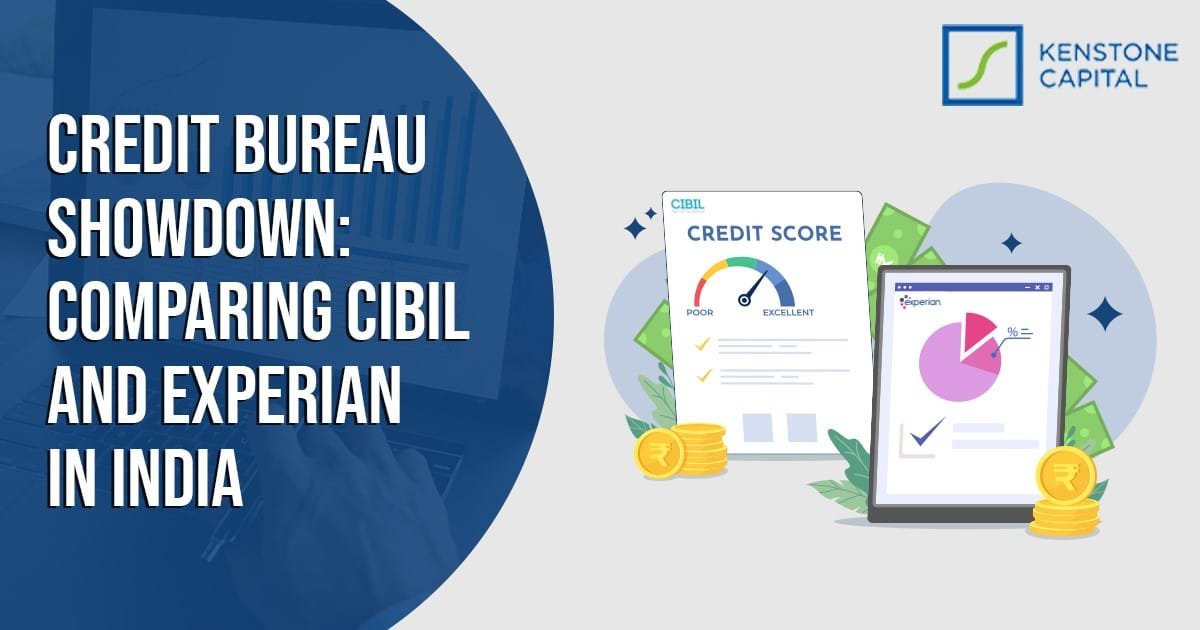
    When it comes to credit scores, CIBIL and Experian are two of the most well-known credit bureaus in India. Both of these companies are responsible for collecting and maintaining credit data for millions of people in India, and both offer credit scores and credit reports to help individuals understand their creditworthiness. In this article, we’ll take a closer look at CIBIL vs. Experian, exploring the similarities and differences between these two credit bureaus.

    What is CIBIL?

    The Credit Information Bureau (India) Limited, or CIBIL, is India’s first credit bureau. It was established in 2000 and has since become one of the most trusted sources of credit information in the country. CIBIL is responsible for collecting and maintaining credit data for more than 600 million individuals and 32 million businesses in India. This data is used to generate credit scores and credit reports, which are used by lenders to make informed decisions about whether or not to extend credit to individuals and businesses.

    CIBIL offers a range of products and services, including credit scores, credit reports, and credit monitoring. CIBIL’s credit scores range from 300 to 900, with a score of 750 or above considered to be a good credit score. CIBIL’s credit reports provide a detailed overview of an individual’s credit history, including information on credit accounts, payment history, and outstanding balances. CIBIL’s credit monitoring service provides real-time alerts when there are any changes to an individual’s credit report, allowing them to take action if there are any errors or fraudulent activity.

    What is Experian?

    Experian is a global credit bureau that operates in more than 44 countries, including India. Experian was established in 1996 and has since become one of the leading credit bureaus in the world. Experian is responsible for collecting and maintaining credit data for millions of individuals and businesses in India, which is used to generate credit scores and credit reports.

    Experian offers a range of products and services, including credit scores, credit reports, and credit monitoring. Experian’s credit scores range from 300 to 900, with a score of 750 or above considered to be a good credit score. Experian’s credit reports provide a detailed overview of an individual’s credit history, including information on credit accounts, payment history, and outstanding balances. Experian’s credit monitoring service provides real-time alerts when there are any changes to an individual’s credit report, allowing them to take action if there are any errors or fraudulent activity.

    Similarities of CIBIL and Experian

    Both CIBIL and Experian are credit bureaus that collect and maintain credit data for individuals and businesses in India. Both companies offer credit scores, credit reports, and credit monitoring services, and both use similar scoring models to generate credit scores. Both companies also provide real-time alerts when there are any changes to an individual’s credit report, allowing them to take action if there are any errors or fraudulent activity.

    Differences between CIBIL and Experian

    While there are many similarities between CIBIL and Experian, there are also some key differences. One of the biggest differences is in the way they collect and maintain credit data. CIBIL collects credit data from banks and other financial institutions, while Experian collects credit data from a wider range of sources, including telecom companies, utility companies, and other service providers. This means that Experian has access to a wider range of credit data, which can lead to more accurate credit scores and credit reports.

    Another difference between CIBIL and Experian is in the way they calculate credit scores. While both companies use similar scoring models, there are some differences in the weightings given to different factors. For example, CIBIL places more weight on an individual’s payment history, while Experian may place more weight on the length of an individual’s credit history. These differences can lead to slight variations in credit scores between the two bureaus.

    In addition, CIBIL is currently the only credit bureau in India that offers credit scores and reports for free once a year. Experian, on the other hand, charges a fee for its credit reports and credit monitoring services. However, Experian does offer a free credit report once a year as well, but it is not as widely known or used as CIBIL’s free credit report.

    Another difference between CIBIL and Experian is in the way they handle disputes. If an individual finds an error on their credit report, they can dispute it with both CIBIL and Experian. However, the process for disputing an error with CIBIL is more straightforward, as they have a dedicated online dispute resolution portal. Experian, on the other hand, requires individuals to fill out a physical form and submit it by mail or in person. This can be more time-consuming and inconvenient for individuals who need to dispute an error on their credit report.

    Which Credit Bureau is Better?

    When it comes to choosing between CIBIL and Experian, there is no clear winner. Both credit bureaus are reliable sources of credit information and provide similar products and services. However, individuals may prefer one over the other based on their specific needs and preferences.

    For example, if an individual is looking for a free credit report, CIBIL may be the better choice, as it is the only credit bureau in India that offers a free credit report once a year. On the other hand, if an individual is looking for a credit monitoring service that provides alerts for changes to their credit report from a wider range of sources, Experian may be the better choice.

    Ultimately, individuals should consider their specific needs and do their own research before deciding which credit bureau to use. It is also important to note that while credit scores and reports are important, they are just one factor that lenders consider when making credit decisions. Other factors, such as income and employment history, are also taken into account.

    Conclusion

    CIBIL and Experian are both trusted sources of credit information in India. Both credit bureaus offer similar products and services, including credit scores, credit reports, and credit monitoring. While there are some differences between the two, there is no clear winner when it comes to choosing between CIBIL and Experian. Individuals should consider their specific needs and do their own research before deciding which credit bureau to use. It is also important to remember that credit scores and reports are just one factor that lenders consider when making credit decisions, and other factors such as income and employment history are also taken into account.

    Are you looking to improve your LOW CIBIL SCORE? Contact us

    Last updated on March 31, 2025

    Frequently Asked Questions (FAQs)

    1. Why is my CIBIL score different from my Experian score?

    This happens because each bureau uses a unique proprietary algorithm to calculate your score. Additionally, some lenders may report your data to one bureau but not the other, leading to variations in the information used for the calculation.

    2. Does checking my own score on these websites lower it?

    No. When you check your own credit score, it is considered a “soft inquiry” and does not impact your credit score. Only “hard inquiries” made by lenders when you apply for a loan can affect your score.

    3. How often should I check my credit reports from both bureaus?

    It is wise to check your reports at least once every quarter. This allows you to monitor for any inaccuracies, such as closed accounts showing as active, and helps you stay ahead of potential identity theft.

    4. Can a high Experian score help if my CIBIL score is low?

    While a good score at any bureau is positive, many Indian banks prioritize the CIBIL score for home or auto loans. However, some newer fintech lenders and private banks may give more weight to your Experian report.

    5. How long does it take for a score to update after I pay off a debt?

    Lenders typically report data to the bureaus once a month. It can take anywhere from 30 to 45 days for your updated payment status to reflect on your CIBIL or Experian credit report.

  • What Is the Purpose of ECN Number in CIBIL

    What Is the Purpose of ECN Number in CIBIL

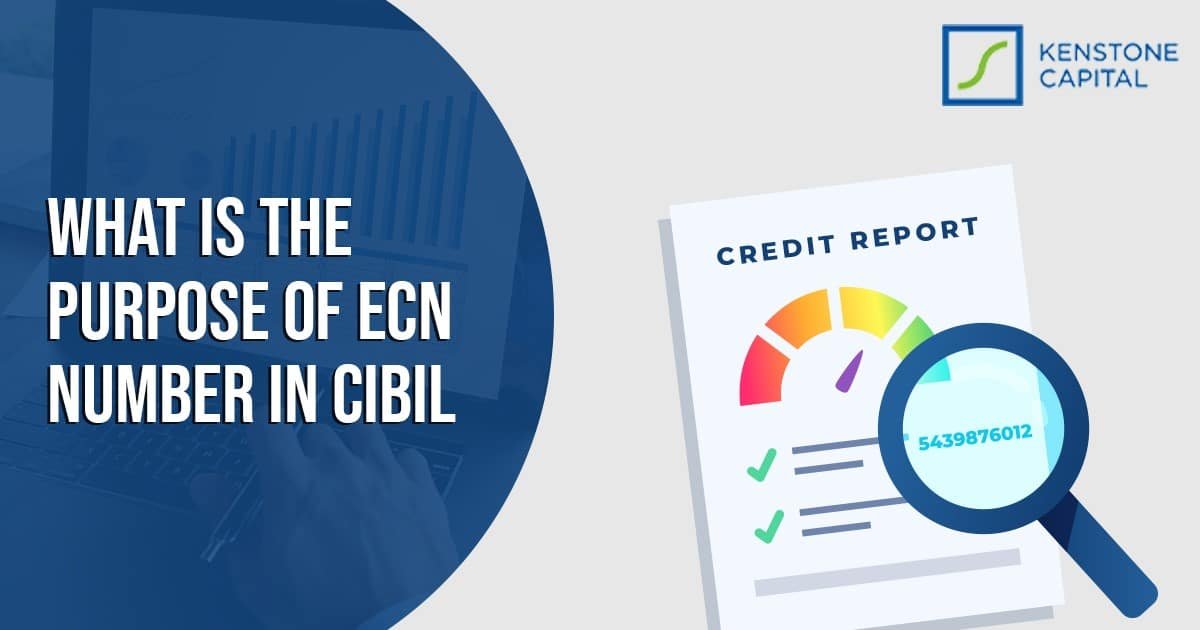
    The ECN number in your CIBIL report is a crucial identifier that helps both credit information companies and lenders access your detailed credit history. Located in the top right corner of your report, this number serves as a unique reference for all your credit reports and financial data. The CIBIL report holds vital information about your creditworthiness, including your credit score and history of payments, which is vital when you’re seeking loans or other credit facilities. By examining this number and associated data, lenders can quickly assess the risk of lending to an individual.

    According to the Companies Regulation Act 2005, credit information companies are mandated to maintain and provide access to credit reports for individuals and credit reports for businesses. The ECN number found in the top right corner of the CIBIL report is part of this regulatory framework, which ensures that the credit history provided to lenders is accurate and reliable. When you apply for a loan, you may also be asked to provide this number to the lender to facilitate the recovery process or track your credit report accurately.

    What is an ECN Number & How to Get it?

    When an applicant submits a personal loan application online, the lender needs access to your credit report to assess repayment capacity and the risk of default. All registered lenders follow this process, especially for unsecured loans.

    CIBIL uses the ECN number in CIBIL (also known as the “Enquiry Control Number ECN”) to release the report. An ECN number is a unique nine-digit identifier assigned to every credit report, enabling lenders to efficiently track your credit history and score across millions of reports.

    The ECN Number in CIBIL Reports

    The control number in CIBIL is another term for the ECN number. This control number is a key reference used by lenders to fetch and evaluate an applicant’s credit details. The control number in the report allows lenders to retrieve information about repayment history and credit behavior.

    Why Is the ECN Number Important?

    The ECN number serves several purposes:

    • The ECN helps CIBIL maintain millions of reports in an organized manner.
    • Lenders use the ECN number to access detailed information about your credit history and financial accounts.
    • By securely maintaining your credit history and score, the control number also safeguards your credit score.

    It is confidential to disclose your ECN number, but applicants can obtain it under the Credit Information Companies Regulation Act, 2005. Borrowers can view their ECN at the top right of their credit report or request it via the CIBIL Helpline or website.

    Checking Your Credit Score

    Prospective borrowers can check their credit score online before making a formal loan application. Here’s how to check and get an ECN:

    1. Visit the CIBIL Score Checker or Fullerton India website.
    2. Select ‘Salaried’ or ‘Self-Employed’ based on your profile.
    3. Click ‘Continue.’
    4. Fill in your personal, company, and income details.
    5. Verify your mobile number with an OTP.
    6. Your free credit report and ECN number will be generated instantly.

    The Purpose of Having an ECN Number

    Here’s why having an ECN number is important:

    1. It helps CIBIL manage reports systematically.
    2. Lenders can use the control number to access a borrower’s financial details.
    3. The control number is a safeguard for maintaining your credit history and ensuring secure access to your credit report.

    How to get an ECN number?

    Control numbers are a crucial component of CIBIL’s credit report and history maintenance. Therefore, credit reports and Enquiry Control Numbers are not easily accessible to anyone.

    According to the Credit Information Companies Regulation Act, 2005, you can obtain a copy of your credit report as well as your Enquiry Control Number (ECN) through the Credit Information Company.

    If you have taken out a loan from a bank, you can also ask them to provide you with the ECN number.

    • CIBIL also offers the following methods for obtaining a control number:

    ◦ 1800224245 is the helpline number

    ◦ To submit a written request, visit their website at www.cibil.com 

    • You can obtain your ECN by subscribing to a periodic credit report.

    How To Check Your CIBIL Report?

    Here are the steps you need to follow to do a CIBIL score check free online with your PAN Card:

    1. Go to the official CIBIL website

    2. The top-right corner of your landing page will have an option to ‘Get your CIBIL score.’ Click on it.

    3. CIBIL scores can be checked more than once with a subscription method. In addition, if you only wish to view the score annually, you can skip this step.

    4. The site will ask you for your PAN number, date of birth, gender, email address, and captcha code. Click ‘Proceed to Payment’ once you have completed all the fields and acknowledged the terms and conditions.

    5. There are a variety of payment methods available, which you can choose according to your preferences.

    6. After completing the above step, you will see your CIBIL score.

    You can check your CIBIL score once a year for free on the website. Users with paid memberships can check their credit scores more frequently.

    Conclusion:

    By now, you might have understood the importance of getting an ECN number and its use. With your ECN number, you can access important details about your credit report and check your credit history in detail.

    Frequently Asked Questions

    1. What is the ECN number in the CIBIL report?

    The ECN number (Electronic Credit Number) is a unique identifier in your CIBIL report. It is found in the top right corner of the report and is crucial for tracking and accessing your credit history. This number allows you to access detailed information about your credit report from the credit information companies.

    2. How can I obtain my ECN number from the CIBIL report?

    You can obtain your ECN number by downloading your CIBIL report directly from the CIBIL website. Once you access the report, you will find the ECN number in the top right corner. This nine-digit number is essential for verifying your credit information with lenders.

    3. Where can I find the ECN number in my credit report?

    The ECN number can be found in the top right corner of your CIBIL report. It is a unique nine-digit number that links your credit data with the CIBIL database, allowing for easy retrieval of your credit details.

    4. What is the significance of the ECN number in my CIBIL report?

    The ECN number plays an important role in identifying your credit history. It is used by credit information companies to uniquely associate your CIBIL report with your financial details, ensuring accurate and up-to-date data is available when you apply for a loan.

    5. Can I apply for a loan using the ECN number from my CIBIL report?

    Yes, you can use the ECN number as a reference when applying for a loan. Lenders use this number to access your credit history and CIBIL score, which helps them assess your creditworthiness and approve or reject your loan application.

    6. What is the CIBIL Control Number?

    The CIBIL control number is another unique identifier related to your CIBIL report. It helps credit information companies and lenders track and manage your credit report. This number is typically present in the CIBIL report and helps with identifying and verifying your credit information.

    7. How can I access my credit report and ECN number?

    You can access your credit report and ECN number by visiting the official CIBIL website. By registering and submitting a request, you will be able to obtain your credit report, including the ECN number in the top right corner. This number is important for further credit report actions and assessments.

    8. What is the Companies Regulation Act 2005 in relation to CIBIL?

    The Companies Regulation Act 2005 governs the functioning of credit information companies, including CIBIL. This regulation ensures that companies follow legal procedures for maintaining and accessing credit information and provides consumers the right to access their CIBIL reports and ECN number.

  • How to Get a Clean CIBIL Record by Changing the Written Off Status?

    How to Get a Clean CIBIL Record by Changing the Written Off Status?

    How to Remove Written off Status from CIBIL Record?

    Tips to Change Written Off Status from CIBIL Record

    Your credit score is one of the most important factors of your creditworthiness when applying for a loan or credit card. An individual’s credit score and history are recorded in a CIBIL report, including the number of accounts, the name of the lender, the loan amount, and the payment history.

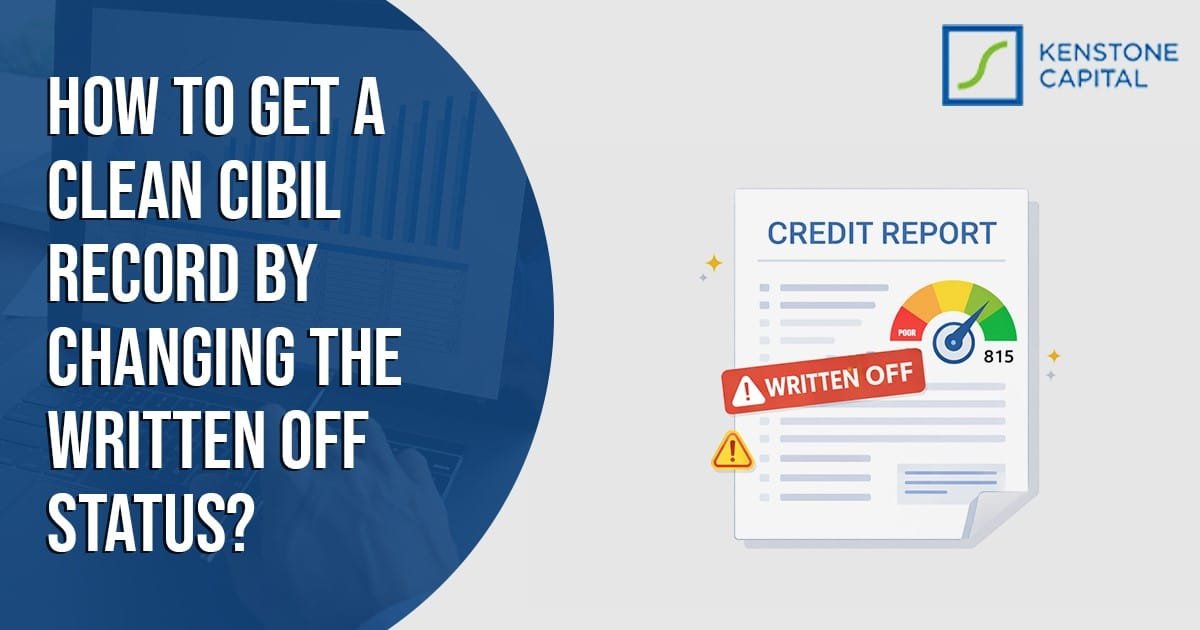
    If your CIBIL report contains the phrase “Written Off,” it implies that the lender was unable to collect the balance due from you. Therefore, the lender would be required to submit the report as written off on the credit account to credit bureaus like CIBIL, CRIF High Mark, or Experian.

    “Written Off” is a tag that might make it difficult to get a credit card and loan applications approved.

    You should therefore know how to clear Written Off in the CIBIL record.

    How to File an Online Dispute with TransUnion CIBIL?

    The CIBIL may sometimes contain mistakes due to fraudulent activity, inaccurate data, bad financial management, etc. For this reason, you should check your CIBIL report regularly to be informed. If Written Off is seen in your report, you should verify if a closed account is labeled as Written Off by the lender.

    How can you clear the Written Off status from the CIBIL record?

    Here is the process for removing Written Off from CIBIL online when there is a Written Off status on your CIBIL report by mistake:

    1. Visit the official website (www.cibil.com) and sign in.
    2. You must create an account if you do not already have one.
    3. Now, select “Credit Reports,” “Dispute Center,” and then “Dispute an Item.”
    4. Fill out the CIBIL dispute form and submit it.
    5. Select the “Dispute Type,” enter a value if you claim data inaccuracy, and then click the “Submit” button.
    6. Within a month or so of receiving the CIBIL dispute form, TransUnion CIBIL will verify the data and provide an update on the situation.

    How to Remove Written Off Status from CIBIL Record?

    Although difficult, removing a Written-off status from your CIBIL report is not impossible. The most crucial thing you must do is repay the lender for the outstanding amount to remove the Written-Off status from your CIBIL report.

    Until they have confirmation from the respected lender, CIBIL does not remove or amend any records on its own. And CIBIL won’t receive confirmation from the bank or lender until you pay off all the debts owed and ask them to remove the status.

    Here is the process you need to follow:

    1. Create a dispute about the account online at CIBIL’s main website. Don’t forget to keep the dispute id after submitting the online dispute because it can be needed in the future.
    2. Send the lender an email informing them that you desire to pay the debt. Ask for a written guarantee that, following payment, they would remove the Written Off status from your CIBIL report.
    3. Include your most recent CIBIL report and your KYC-related paperwork in the email. Furthermore, add the account information, such as the sanctioned amount, overdue amount, current balance, and date of opening, in addition to your CIBIL control number.
    4. Wait till you hear back from them favorably. Send the email again to the same email address if you don’t hear back. For more help, you may also contact the lender directly.
    5. Request the No Due Certificate or NDC, from the bank or lender after paying off any remaining balances.
    6. Include a copy of the payment receipt, NDC, and CIBIL report, together with your KYC documents, in a new email and request that they remove the Written Off status.

    The bank or the lender will remove the Written Off status from your CIBIL report. However, the update can take 30 days, or occasionally 45 to 60 days, to appear in your CIBIL report.

    In order to determine whether the “Written-off” status has been removed, check your CIBIL report 30 days after receiving additional confirmation emails from them. If your CIBIL account experiences any changes, CIBIL may sometimes give you a free report.

    Write back to the lender right away, attach the new CIBIL report, and ask for an explanation if the “Written-off” status is still displayed on the new report.

    Call the lender and CIBIL customer service and explain the issue.

    Wrapping Up:

    Review your CIBIL report and scores every 6 months to know your financial situation. If your CIBIL score is good, you can easily apply for a fast online loan from any financial institution. Following the approval of your loan application, the online lending process is made simpler if you meet the requirements, and the loan amount is disbursed immediately.

    Frequently Asked Questions

    1. What does a “Written Off” status actually mean in my CIBIL report?

    A “Written Off” status indicates that a lender has been unable to recover the outstanding dues from a borrower for more than 180 days. To balance their books, the lender writes off the amount as a loss, but the negative tag remains on your credit report, severely impacting your ability to get future loans.

    2. Can I remove the Written Off tag without paying the full outstanding amount?

    Generally, no. To remove this specific status, lenders typically require you to pay the full outstanding balance, including applicable interest and fees. Once paid, the lender issues a No Dues Certificate (NDC), which is the essential document needed to update your record.

    3. How long does it take for CIBIL to update my record after I pay the lender?

    Once you have made the payment and the lender reports it to the credit bureau, it usually takes 30 to 45 days for the changes to reflect in your CIBIL report. In some cases, it may take up to 60 days, depending on the lender’s reporting cycle.

    4. What should I do if the lender refuses to update my status after payment?

    If you have a No Dues Certificate but the status hasn’t changed after 60 days, you should raise a formal dispute on the official CIBIL website. Provide your NDC and payment receipts as evidence to initiate the verification process between the bureau and the lender.

    5. Does a Written Off status disappear automatically after a few years?

    While credit bureaus may archive very old data, a “Written Off” status can stay on your record for 7 years or longer, continuing to hurt your creditworthiness. It is always better to proactively resolve the debt rather than waiting for it to expire.

    6. Can I apply for a new loan while a Written Off status is active?

    It is extremely difficult to get approval from traditional banks with an active “Written Off” status. Most lenders will reject applications immediately. Resolving this status is the first step you must take before seeking new credit opportunities.