Tag: CIBIL

  • ARE CASH CREDIT AND OVERDRAFT FINANCIAL PRODUCTS THE SAME?

    ARE CASH CREDIT AND OVERDRAFT FINANCIAL PRODUCTS THE SAME?

    CASH CREDIT AND OVERDRAFT

    Both small and medium businesses need a timely influx of money to run their daily operations smoothly without any hiccups. However, in certain conditions, a business may require cash for its long-term or short-term goals. In such cases, there are two options available for taking a loan for business needs:

    1. Long-term loans, such as a small line of credit or business loans.
    2. Short-term loans that are flexible and include loans like cash credit and overdraft.

    This article is written in a moderate attempt to make you understand short-term loans like Cash Credit and Overdraft. However, due to the similarities in the features of cash credit (CC) and overdraft (OD), we often get confused that they are the same. But both financial solutions are different from each other and are designed to cater to different financial requirements. 

    Now, let us take you through the similarities and differences between Cash Credit and Overdraft, so that it will be easy for you to understand and choose the better option for your business-specific needs.

    WHAT IS CASH CREDIT?

    If you are a business owner or a self-employed professional and require a short-term loan, then CashCredit can help meet your requirements. In simple words, Cash credit is a short-term solution of finance for a company. Some key points of Cash Credit include:

    • The loan is applicable only for business-related expenses
    • A separate bank account is to be opened for cash credit to be deposited.
    • You can request multiple checkbooks and carry out multiple transactions as per your needs.
    • Once every quarter or annually, you may be required to submit certain documents such as GST filings, profit and loss statements, balance sheets, etc.
    • You may be required to put up collateral to get a cash credit
    • The best part is that you can repay the loan daily or weekly, depending on the agreed terms.

    WHAT IS OVERDRAFT?

    Overdraft is an extended credit funding facility provided by the banks to select customers. The overdraft facility allows a customer to pay for their expenses or bills or withdraw money from their bank accounts, even if their account balance is zero. Some key points to know about overdrafts include:

    • An overdraft facility is only applicable to those who are in a good relationship with the bank and have a sound financial position.
    • An overdraft facility is associated with a charge, and it varies from bank to bank. The amount of the fee charged also depends on the extra amount you withdraw from the account.

    ARE THERE ANY SIMILARITIES BETWEEN CASH CREDIT (CC) AND OVERDRAFT (OD)

    Cash credit and Overdraft are two different financial tools, but both of them help businesses borrow money against their financial statements or inventory. Banks also benefit from these financial tools, where they select customers by offering these short-term loans. These short-term loans are offered only after assessing their financial standing and the relationship with the bank.

    Some of the other similarities include:

    • Both Cash credit and overdraft are offered against the current inventory and security of business assets.
    • The interest rate for both is charged on the amount used and not on the total amount sanctioned.
    • The maximum amount sanctioned for both Cash credit and overdraft is fixed, and borrowers do not qualify for any additional money. 

    DIFFERENCE BETWEEN CASH CREDIT AND OVERDRAFT

    The table below lists the important and major differences between Cash Credit and Overdraft:

    FeaturesCash CreditOverdraft
    Interest ratesInterest rates are lower. Comparatively higher interest rate than the CSH Credit
    Security/CollateralComparatively higher interest rate than the CSH CreditOverdraft amount is decided based on the credit history of the customer and their relationship with the bank, and investments such as FDs, insurance policies, etc.
    UsageApplicable only for business needsLoan repayment tenure is generally 1 year
    TenureThe loan duration and repayment can vary. It can be monthly, quarterly, half-yearly, or yearlyComparatively higher interest rate than CSH Credit
    Sanction amountThe loan amount is decided based on the volume of inventory and stocksThe loan amount is decided based on security deposits and financial statements
    Individuals, traders, retailers, manufacturers, companies, partnerships, distributors, LLPs, sole proprietorships, etc., are eligible for a cash credit loanWho is eligibleApplicable for both business and personal needs

    Both Cash Credit and Overdraft are financial tools that come in handy for businesses to cover their working capital needs. While both these products may appear similar, they are quite different from each other. This makes it essential for you to understand the differences and similarities and make a wise decision to choose between the two products.

    Alternatively, if you’re looking for long-term loans and want to avoid higher loan rates, then a small business loan may make sense.

    FAQs:

    1) Are Cash Credit and Overdraft the same?

    No, Cash Credit and Overdraft are different types of credit facilities. While both allow you to withdraw more than your available balance, Cash Credit is typically used by businesses against inventory or receivables, whereas Overdraft is linked to a bank account and can be used for general purposes.

    2) What is a Cash Credit facility?

    Cash Credit is a short-term loan provided mainly to businesses to meet working capital needs. It is usually secured against assets like stock or receivables, and the borrowing limit is based on the value of these assets.

    3) What is an Overdraft facility?

    An Overdraft allows individuals or businesses to withdraw money beyond their account balance up to a pre-approved limit. It can be secured (against assets like fixed deposits) or unsecured, depending on the bank’s policy.

    4) Who can apply for Cash Credit and Overdraft?

    Cash Credit is primarily offered to businesses and companies. Overdraft facilities, on the other hand, are available to both individuals and businesses.

    5) What is the main purpose of Cash Credit?

    Cash Credit is designed to finance day-to-day operational expenses such as purchasing raw materials, managing inventory, or covering short-term business obligations.

    6) Can Overdraft be used for personal expenses?

    Yes, Overdraft can be used for personal as well as business expenses, depending on the type of account and facility approved by the bank.
  • PERSONAL LOANS FOR CIBIL DEFAULTERS

    PERSONAL LOANS FOR CIBIL DEFAULTERS

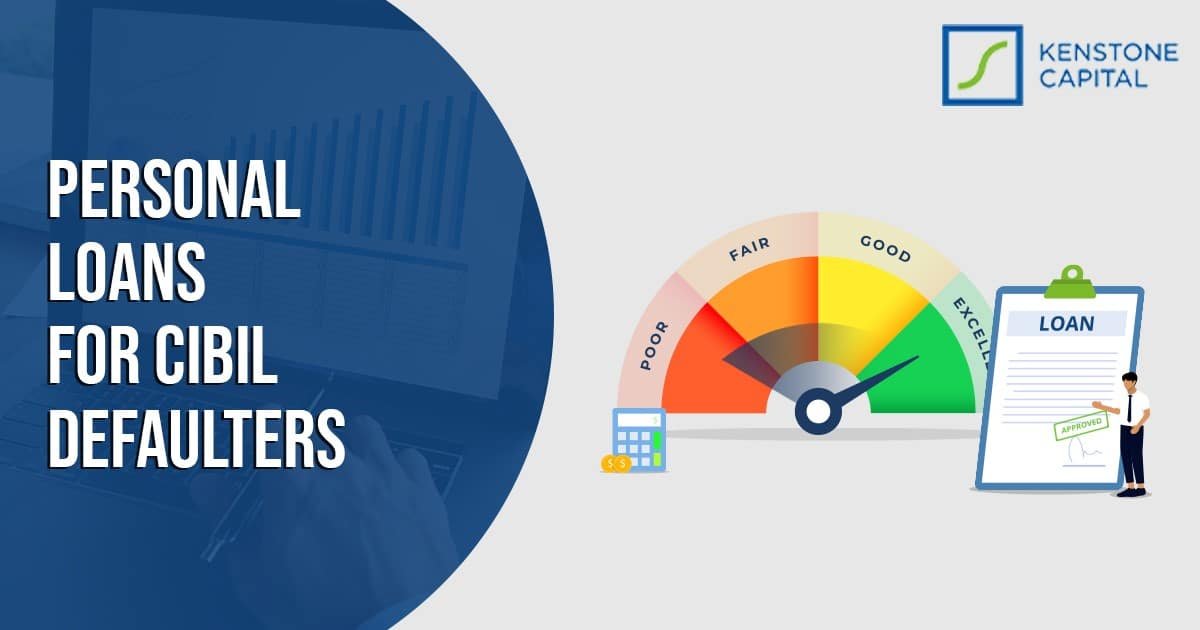
    Among all other loans, a personal loan is one of the easiest to obtain if the borrower is not a CIBIL defaulter. If you are not on the CIBIL defaulters list, then a personal loan is a good option for you. However, the interest rate on the personal loan is very high. A person can fulfill an individual’s monetary requirements with a personal loan and can use it for multiple uses such as marriage, buying electronic equipment, vacation, and so on.

    Why is a personal loan easy to get?

    • To get a personal loan, there will be no necessity for collateral.
    • Personal loans can be given to low-income people.
    • The requirement for documents will be much less for a personal loan.

    Although personal loan applications are typically handled in a day or less, loan applications for those with a CIBIL default can be declined. In such cases, understanding the NBFC Lending Criteria is vital, as they may offer more flexibility than traditional banks.

    Who are CIBIL Defaulters?

    A CIBIL defaulter is someone who has defaulted on previous loans. When an applicant has a CIBIL default, this is the most prevalent reason for a personal loan denial. This indicates that the person has previously defaulted on a loan, postponed EMIs, or has an excessive amount of loan payments owing, resulting in a l low personal loan. And such individuals are said to be CIBIL defaulters by banking & lending institutions, and their personal loan applications are straightaway rejected by the credit lenders.

    It is a common myth that CIBIL maintains a defaulter list, but it’s not true. Defaulters, on the other hand, find it difficult to obtain a loan for defaulters because they have either missed payments or owe money. There are still some lenders who offer a CIBIL defaulter loan to such people. In general, a CIBIL score shows whether you are creditworthy and eligible for a loan or not. The personal loan makes the banking officials and lenders think that you are likely to default on payments in the future.

    How to Get a Personal Loan: Are You on The List of CIBIL Defaulters?

    It’s crucial to understand that major banks and financial organizations will evaluate your loan application before granting it. Along with your credit history, you’ll need to check your credit score before applying for another financial product. While getting a loan from a bank is far more convenient, your options begin to dwindle if you are on the list of defaulters looking for an online loan for CIBIL defaulters.

    To improve your chances, you should look into CIBIL Dispute Resolution for any errors and ensure a DPD Correction (Days Past Due) is initiated if your report shows delays that were actually paid. Here we listed some options you can look at if you need an urgent loan for CIBIL defaulters or an extremely urgent loan for CIBIL defaulters during an emergency.

    1. Secured Loan

    A Secured Personal Loan, often known as a loan against collateral, is one of the options available to you. You can obtain a loan against security if you have any assets or fixed deposits with your bank. If you fail to make payments, your lender will seize the collateral you’ve pledged.

    2. Loan Backed by a Guarantor

    If you have a guarantor and are now financially stable, but your credit score is still low, you may be able to acquire a personal loan for CIBIL defaulters. This eliminates the danger that comes with lending you money. Hence, you need to make sure that the co-applicant’s creditworthiness is high and they have a good credit score. However, if you default on this loan as well, your guarantor will be responsible for the remaining sum. In the event of a default on your part, their credit score will suffer as well. This is why many people are hesitant to act as loan guarantors.

    3. Online Lenders

    You can always turn to an online lender for an instant loan for defaulters if your application is rejected by traditional banks. You can acquire an instant online loan for cibil defaulters from an online lending platform as they are a little more tolerant when it comes to applicants with bad credit. This is often the fastest route for an instant personal loan for cibil defaulters.

    4. Withdraw Provident Fund

    There’s a reason this fund was created in the first place: to help you secure your retirement. However, if you’re in a tight financial situation and need a personal loan for defaulters or immediate cash, you can consider withdrawing your provident fund. You can now only withdraw a portion of this money under specified situations.

    5. Salary Advance

    If you’re in a financial crunch and need an instant loan for CIBIL defaulters, you can ask your employer for a salary advance. For your employer to consider your request, you will need to provide proof of income stability and defend your request with valid reasons.

    Proactive Steps for Financial Recovery

    While searching for a CIBIL defaulter personal loan, you should also focus on long-term health. Follow a Default Rectification Process which includes:

    • Credit Report Scrubbing: Reviewing your report to remove inaccuracies.
    • Hard Inquiry Removal: Deleting unauthorized credit checks that lower your score.
    • Written-off Account Clearance: Resolving old debts to clear your name.
    • Debt Settlement Negotiation: If you cannot pay in full, engage in negotiations. Be aware of the Settlement vs. Closed Status; a Closed status is always better for your score.
    • No Dues Certificate: Always collect this after paying off a debt to ensure Account Status Regularization.

    Building a Stronger Credit Future

    To avoid being in this position again, use an EMI Affordability Calculator before borrowing. Focus on a Credit Rebuilding Roadmap by maintaining a low Credit Utilization Ratio and aiming for Credit Mix Optimization (a balance of secured and unsecured loans). This will improve your standing for future interest rate negotiations.

    While there are many possible ways of securing a loan for CIBIL defaulters as a default, it’s highly recommended to have a clean financial record before you burden yourself with another loan.

    Frequently Asked Questions (FAQs)

    1. How can I get an urgent loan for CIBIL defaulters if my score is low?

    If you need an extremely urgent loan for CIBIL defaulters, you can explore options like a Secured Personal Loan or a loan against collateral. These options rely on assets rather than just your credit history, making it easier for lenders to approve an instant loan for CIBIL defaulters.

    2. Can I get a personal loan for CIBIL defaulters without high interest rates?

    Generally, the interest rate for a CIBIL default personal loan is higher due to the perceived risk. However, you can attempt an interest rate negotiation by providing income stability proof or by adding a co-applicant with high creditworthiness to the application.

    3. What is the difference between “Settled” and “Closed” in a credit report?

    In the context of Settlement vs Closed Status, a “Closed” status means the loan was paid in full, which is positive for your score. A “Settled” status means the lender accepted less than the full amount. For long-term credit score repair, it is better to avoid settlements and aim for Account Status Regularization.

    4. How does the Default Rectification Process help in getting a loan?

    The Default Rectification Process involves identifying errors through CIBIL Dispute Resolution and ensuring DPD Correction. By obtaining a No Dues Certificate and performing Credit Report Scrubbing, you clear your name, making it easier to meet standard NBFC Lending Criteria.

    5. How can I improve my chances for an instant online loan for cibil defaulters?

    To qualify for an instant online loan for cibil defaulters, focus on your Credit Utilization Ratio and ensure you haven’t had too many recent applications. Removing unwanted marks through Hard Inquiry Removal and Written-off Account Clearance can also significantly boost your eligibility.


  • What is Accounts Receivable Factoring? How does it Work?

    What is Accounts Receivable Factoring? How does it Work?

    What is Accounts Receivable Factoring?

    Accounts receivable factoring is a straightforward working capital financing trick that helps businesses get cash for their invoices immediately instead of waiting weeks for a customer to pay. This setup is great for liquidity management because it stops cash flow gaps before they start and helps with cash flow optimization without the headache of bank loans.

    While it’s a lifesaver for growth, it does come with a cost. You’re essentially paying a debt recovery agency in India or a “factor,” to handle your ledger management through two specific fees: a management commission and a finance commission.

    How Does Accounts Receivable Factoring Work?

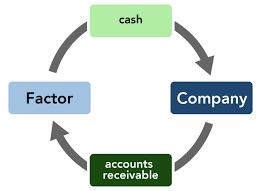
    The process for factoring receivables is pretty simple across the board. A lending partner, the factor, buys your unpaid invoices at a discount so you get cash right away. This accounts receivable factoring cycle ends when the factor collects the full payment from your client and sends you the remaining balance minus their fees.

    Basically, factoring of accounts receivable hinges on how reliable your customers are. By leaning on AR factoring, your team can outsource accounts receivable management and keep the focus on B2B services while the pros handle the debt recovery side of things.

    What are the Benefits of Accounts Receivable Factoring?

    The perks of accounts receivable factoring are huge when the economy gets bumpy. Instead of staring at factored accounts receivable and hoping for a check, you get paid by the factor instantly. This receivable factoring model changes the game by letting you:

    • Stop chasing checks: Professional B2B debt collection is now the factor’s job.
    • Get instant liquidity: No more waiting 30 or 60 days to see your money.
    • Protect your cash flow: Keep enough in the bank for daily operations.
    • Invest in growth: Use that cash to grab new opportunities immediately.
    • Keep vendors happy: Pay your own bills on time or even early.

    It really just frees you up from the administrative nightmare of bad debt recovery so you can actually run your business.

    Types of Accounts Receivable Factoring

    Accounts receivable factoring falls into the following broad categories:

    Recourse & Non-Recourse Factoring

    Factoring accounts receivable with recourse means you’re on the hook if your customer never pays. If you want better credit risk mitigation, you go with non-recourse factoring, where the factor takes the loss, but they’ll charge you a higher fee for that safety net.

    Notification & Non-Notification

    In a notification setup, the factor tells your customer where to send the payment. With non-notification, the buyer never even knows you’re using a working capital financing partner.

    Spot & Regular

    A spot deal is just a one-off for a single invoice. Regular factoring is more like a credit line where you can draw and redraw funds as you send out new bills.

    How Much Does Accounts Receivable Factoring Cost?

    The following are the typical costs associated with accounts receivable factoring

    • For accounts receivable finance, a factoring fee of between 1% and 5% is incurred. The actual rate, however, might be determined by a number of variables. These variables include invoice volume, the caliber of customers, the industry risk, and the particulars of the contract.
    • In addition to an initial brokerage fee of up to 5%, some factoring agencies may impose a one-time setup fee to open your factoring account. This amount might range from 500 to 2,500 dollars.
    • The billing procedure has an impact on the factoring fee as well. The majority of factoring financing adheres to non-progress billing. Standard invoicing and cash payments for time and materials or commodities and services are all included. Progress billing, which often has a higher factoring cost, is used for ongoing invoices that are paid in installments, like a construction project.
    • Deciding between recourse and non-recourse business factoring is another factor. Because the factor takes on greater risk than recourse factoring, it also has tougher standards.

    Which Companies Use Accounts Receivable Factoring?

    You’ll see this all over the B2B services world, but it’s a staple for:

    1. Logistics and Trucking: Where fuel needs to be paid for long before the client pays the bill.
    2. Staffing Agencies: Because payroll happens every week, but clients might take a month to pay.
    3. Construction Trades: Where everyone is waiting for the person above them in the chain to settle up.

    Conclusion:

    Tapping into accounts receivable factoring is a smart move if you need a quick boost in liquidity management. That said, pairing this with a solid debt recovery agency in India to keep your accounts receivable management tight is the best way to save money and stay profitable in the long run.

    FAQs

    1. Is accounts receivable factoring the same as a bank loan? 

    Not really. While both help with working capital financing, a bank loan creates debt on your balance sheet that you have to pay back monthly. With accounts receivable factoring, you’re essentially selling an asset for cash today. It’s much faster to get approved for and doesn’t require the same collateral as a traditional loan.

    2. Will my customers know I’m using factoring of receivables?

    It depends on the setup you choose. In a notification deal, the debt recovery agency in India will let your client know where to send the payment. However, many businesses prefer “non-notification” AR factoring, where the process is invisible to the customer, so you keep your internal billing looking the same.

    3. What happens if a customer refuses to pay an invoice? 

    This comes down to whether you choose factoring accounts receivable with recourse or non-recourse. If it’s a recourse deal, you’ll have to buy the invoice back or swap it for a fresh one. If you opted for non-recourse, the factor takes the hit, which is the ultimate form of credit risk mitigation.

    4. Can I choose which invoices I want to factor? 

    Yes. With “spot” receivable factoring, you can pick a single large invoice to bridge a gap. If you have constant needs, you might go for a regular agreement where you factor everything to keep your cash flow optimization steady month after month.

    5. How long does it take to get the cash? 

    Once your account is set up with a working capital financing partner, you can usually get your funds within 24 to 48 hours of submitting an invoice. This speed is why so many B2B services rely on it—it’s much faster than waiting for a standard bank check to clear.

    6. Does this help with bad debt recovery? 

    Absolutely. Since the factor specializes in B2B debt collection, they have the tools to ensure invoices get paid on time. By letting them handle the follow-ups, you’re essentially outsourcing your accounts receivable management to experts, which naturally reduces your late payments and overhead.

  • Personal Loan for Youngsters: Make Your Dream Become A Reality

    Personal Loan for Youngsters: Make Your Dream Become A Reality

    Essentially, the aspirations of young people have undergone significant changes over the past decade. To put it another way, getting a Personal Loan for Youngsters has become a strategic way of funding the quickly changing lifestyle choices where renting a place is as good as owning it, and cars are no longer considered status items. So, are the young people today spending less than before? In fact, the opposite is true. Millennials are the highest spenders. But what are the youngsters actually buying?

    Young consumers splurge on experiential purchases

    Millennials do not see ownership as a necessity. It is estimated that three-quarters of the millennials are going to spend more on experiences rather than material things, and this trend is attributed by the experts to a number of factors. The lifespan of an experience is longer than that of a material good. The thrill of owning a new car or the latest gadget may last a few weeks, months, or even a year at the most. However, the experiences are those that give you lifetime memories.

    Whether it is enjoying an international trip or taking an online course, experiences help you build friendships that can last for a lifetime. Besides, it is more than just memories and friendships; you also get the opportunity to learn about different cultures and new traditions, as well as get to know people’s views in various situations.

    Personal Loan: Making your dream a reality

    A personal loan for youngsters has been a great equalizer between their dreams and reality. Nowadays, lenders provide low interest rates and easy terms to meet the increasing demand for personal loans. Additionally, instant digital approval facilities are offered by most lenders, which means it is now easier for the borrower to apply for such loans.

    Loan is now just a click away and can be disbursed within a few hours; hence, the dream of living the experiences of a lifetime has become muddled. I would like to do something very adventurous, and even if I have to take a loan, I will not let money be an obstacle.

    What are the steps if a young person wants to take out a personal loan right away?

    A personal loan is an unsecured financial product that allows you to borrow money from a lender. In addition, a personal loan can be used for a number of purposes, including financing an emergency expense or a significant purchase. Thus, making it easier for the youth to realize their aspirations.

    Over the years, personal loans have become a lifeline for the financially stable. In case you are expecting your loan application to be approved, there are a couple of things you can do beforehand. Having a good credit score is one. The approval of an educational or personal student loan will be faster if the applicant has a high credit score. The next step is to check your credit report for errors before applying for a loan. If your score is low, professional credit repair companies can help. You might also want to start paying off your debts because that will improve your chances of getting a loan approved.

    Personal Loan Application Factors to Consider

    If you are considering taking out a personal loan to meet your short-term financial needs, it is wise to keep a number of pertinent things in mind before doing so. The first thing you need to consider is whether or not you can pay back the loan in full and on time. If you are unable to repay the loan, you may find it more convenient to take out a smaller loan that you can repay faster. Also, consider the right situation for borrowing a loan.

    Another thing that you should remember is that personal loans can cost you more than other types of available loans. So be ready to afford the interest rate that comes with a personal loan.

    Is it possible to get a Personal Loan for an unemployed person?

    Although lenders usually prefer applicants with a regular income, there are still a few ways to lend money to the unemployed. Among these, we can find personal loans for people without a job. 

    Apply for a Government Scheme. The government has started a job creation program to support unemployed workers. Here are some government loan schemes

    • Prime Minister’s Rozgar Yojana (PMRY)
    • Pradhan Mantri Mudra Yojana Scheme (PMMY)

    Apply with a co-applicant. It is recommended that an unemployed individual apply for a co-applicant loan to raise their chances of being approved. It is essential, however, that the co-applicant have a good credit score and a stable income. This is often the best way to build up one’s credit history at the beginning.

    The Amount of the Loan

    Avoid selecting a loan sum that will end up being hard to repay.

    Plan the repayment

    You can use a personal loan EMI calculator to figure out the EMI amount. By calculating the EMI, you will be able to know what is within your budget.

    Maintain a Good Credit Score

    The credit score is viewed by lenders as one of the most crucial elements in deciding whether to approve or decline an application. A higher credit score increases the likelihood of a fast approval for the loan

    WHAT ARE THE ELIGIBILITY CRITERIA FOR THE YOUNGER GENERATION TO AVAIL OF A PERSONAL LOAN?

    It is very important to know the loans for millennials. An individual’s eligibility criteria for a personal loan can differ from lender to lender. Lenders assess a person’s loan request based on several aspects, such as the age limit for a personal loan, the type of employment, income, and credit history score.

    The applicant applying for a personal loan should also present the following documents along with the application:

    • Proof of Date of Birth/Birth Certificate,
    • KYC Document
    • PAN Card, Passport, etc.
    • Driving License, Aadhaar Card, Voter’s ID, etc.
    • Signature Proof
    • Proof of Income
    • Salary Slips, Bank Statements, etc.

    Conclusion

    In this way, young people can take advantage of the wide range of customized products that are available for personal loan requirements, and these can be tailored to their needs.

    FAQs

    1) What are the factors that influence personal loan eligibility?

    Credit score, income, debt-to-income ratio, age, employment status, and lender relationships are the factors that determine eligibility for personal loans.

    2) Is there an age requirement for loan eligibility?

    The most common age range for personal loans to be eligible is usually 21-67 years, although some banks provide personal loans for 18-year-olds in India under certain conditions.

    3) Is age a criterion for getting personal loans?

    Yes, the eligibility criteria include your age. While the typical personal loan age limit is 21 to 60 years old, a number of teenagers still want to know how to get a loan at 18. Age does increase one’s job stability and assets, thereby affecting the eligibility positively.

    4) In what ways can the eligibility for a personal loan be improved? 

    The suggestions include paying off current loans, settling credit card bills on schedule, and keeping a credit score above 750.

    5) Is it possible for a person of 18 years to obtain a loan in India?

    Yes, the minimum age to apply for a personal loan is 18 years, since the majority of banks and NBFCs provide loans to individuals aged between 18 and 65 years. However, it is pretty hard to find loans for the 18 years old who are new to credit and you might have to get a co-signer. In case you are questioning which bank lends money to an 18-year-old, there are plenty of private lenders and online NBFCs that have offerings for youngsters with salaried jobs.

    6) Your CIBIL score will directly determine your personal loan eligibility? 

    A score between 720 and 750 will guarantee easy approval for personal loans. Your creditworthiness is thus confirmed, and you not only get a good interest rate but also save a good amount.


    7) When do banks cease their loan approvals based on the borrower’s age?

    There is no hard and fast rule about the maximum age for banks when it comes to providing loans; however, you have to be 18 years or older. The decision about the upper and lower age limit is made individually by each lender.

  • Credit Fraud vs Identity Theft: What’s the Difference and Why It Matters

    Credit Fraud vs Identity Theft: What’s the Difference and Why It Matters

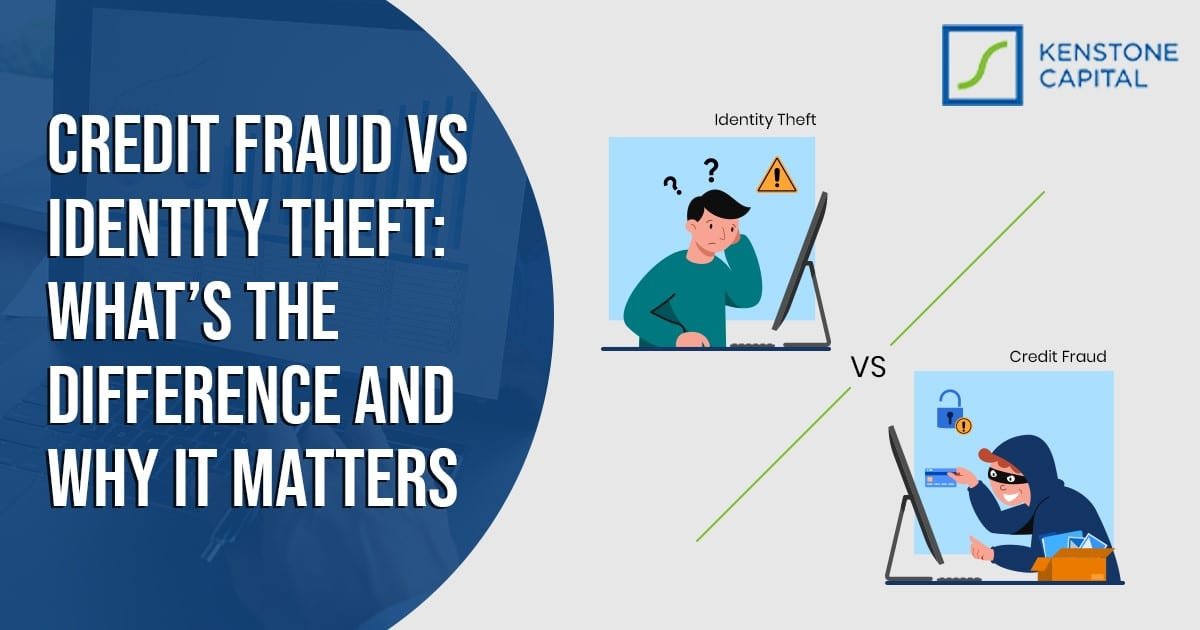
    Most people find out something is wrong with their credit by accident. A loan gets rejected. A bank calls about a payment they never made. A credit card shows up that they never applied for. That moment of confusion usually leads to two words people hear a lot but rarely understand clearly: “credit fraud” and “identity theft.” They sound similar. They are connected. But they are not the same thing.

    Knowing the difference can save your credit score, your time, and a lot of stress.

    What Credit Fraud?

    Credit fraud happens when someone uses your credit profile to borrow money or make purchases without you knowing. This shows up directly on your credit report. You may see a credit card you never requested. A personal loan you never applied for. Inquiries from lenders you never contacted. Your score may drop for no clear reason.

    In most cases, people discover this while checking their report with CIBIL (TransUnion CIBIL) and noticing accounts that do not belong to them. Credit fraud is visible on paper. It damages your credit history first.

    What Identity?

    Identity theft is bigger. It starts before credit fraud and often leads to it. This is when someone gets hold of your personal details and pretends to be you. Your PAN. Aadhaar. Phone number. Email. Bank details. Sometimes, even access to your SIM card.

    At first, you may notice small things. OTP messages you did not request. Emails about password changes. Your SIM is suddenly losing signal. Calls from lenders asking about applications you never made. These signs are easy to ignore. That delay gives scammers time to misuse your identity for loans and credit cards. Identity theft is the root problem. Credit fraud is often the result.

    The Key Difference: Credit Fraud vs Identity Theft

    BasisCredit FraudIdentity Theft
    What is misusedYour credit profileYour personal identity
    Where you notice itCredit reportPhone, email, bank, credit
    ImpactCredit score damageFinancial and legal risk
    First signUnknown loans or cardsSuspicious activity everywhere
    RecoveryDispute with bureauDispute with the bureau

    If you only focus on credit fraud, you may miss the identity theft happening behind the scenes

    Warning Signs of Credit Fraud on Your Credit Report :

    When you review your report, watch for:

    • Loans you never applied for
    • Credit cards you never requested
    • Addresses you never lived at
    • Multiple enquiries from lenders
    • Sudden drop in credit score
    • Accounts marked as overdue that are not yours

    These are clear signals that someone has misused your credit identity.

    Warning Signs of Identity Theft

    These signs usually appear before credit fraud becomes visible:

    • OTP messages for services you didn’t request
    • Calls from lenders about applications you never made
    • Your SIM card suddenly stops working
    • Emails about password changes
    • KYC alerts you didn’t initiate
    • Unknown bank transactions

    Most people ignore these early warnings. That delay gives scammers time to create bigger financial damage.

    How Identity Theft Turns Into Credit Fraud

    Here is how it typically happens step by step:

    1. Your personal data gets leaked through phishing, fake apps, or data breaches
    2. The scammer gains access to your mobile number or email
    3. They use your PAN and Aadhaar to complete digital KYC
    4. They apply for instant loans or credit cards
    5. The loan gets approved because everything matches your identity
    6. The default appears on your credit report

    By the time you see the problem, your credit score has already dropped.

    What To Do Immediately If You Notice Either

    Speed matters. The faster you act, the easier recovery becomes.

    Step 1: Check your credit report
    Download your latest report from CIBIL (TransUnion CIBIL) and identify all suspicious entries.

    Step 2: Raise a dispute with the bureau
    Report the fraudulent account as “Not Mine” with supporting proof.

    Step 3: File a complaint on the National Cybercrime Portal
    This creates an official record of identity theft.

    Step 4: Inform the bank or lender
    Ask them to mark the account as fraud and stop recovery action.

    Step 5: Consider placing a credit freeze
    This prevents new loans from being approved in your name.

    How to Protect Yourself from Credit Fraud and Identity Theft

    Prevention is easier than recovery.

    • Check your credit report at least once every month
    • Never share PAN or Aadhaar on unknown websites
    • Avoid clicking on loan ads on social media
    • Use strong passwords and two-factor authentication
    • Do not share OTPs with anyone
    • Be cautious when giving documents for KYC
    • Use credit monitoring alerts

    Most fraud cases happen because people assume it won’t happen to them.

    Why Understanding the Difference Matters

    If you treat credit fraud as the only problem, you fix the symptom, not the cause.

    When you recognize identity theft early:

    • You can stop new loans from being opened
    • You can secure your mobile, email, and banking access
    • You reduce long-term credit damage
    • Recovery becomes faster and less stressful

    This knowledge alone can save months of dispute and thousands of rupees.

    Final Checklist to Keep Your Credit Profile Safe

    • Review your credit report regularly
    • Act immediately on unknown activity
    • Secure your mobile number and email
    • Report identity theft without delay
    • Dispute fraudulent entries quickly
    • Freeze your credit when not applying for loans

    Your credit score is part of your financial identity. Protect it like you protect your bank account.

    FAQs

    1. What are the most common types of online credit fraud?

    Online credit fraud usually includes phishing scams, fake websites, identity theft, and unauthorized transactions. Fraudsters often trick users into sharing sensitive details like OTPs, CVV numbers, or login credentials through emails, messages, or fake links.

    2. How can I protect myself from credit card fraud while making online payments?

    You can stay safe by using trusted websites with secure “https” connections, avoiding public Wi-Fi, and never sharing your OTP or PIN with anyone. Regularly checking your transaction history also helps detect suspicious activity early.

    3. Is it safe to save card details on websites?

    Saving card details can be convenient, but it increases risk if the platform is not secure. It is safer to store your information only on trusted websites and avoid saving details on unknown or rarely used platforms.

    4. What should I do if I become a victim of online credit fraud?

    Immediately inform your bank or card issuer and block your card to prevent further loss. You should also report the incident and monitor your account closely for any unauthorized transactions.

    5. Why is avoiding public Wi-Fi important for financial safety?

    Public Wi-Fi networks are often unsecured, making it easier for hackers to intercept sensitive data like card details or passwords. Using a private and secure network significantly reduces the risk of fraud.

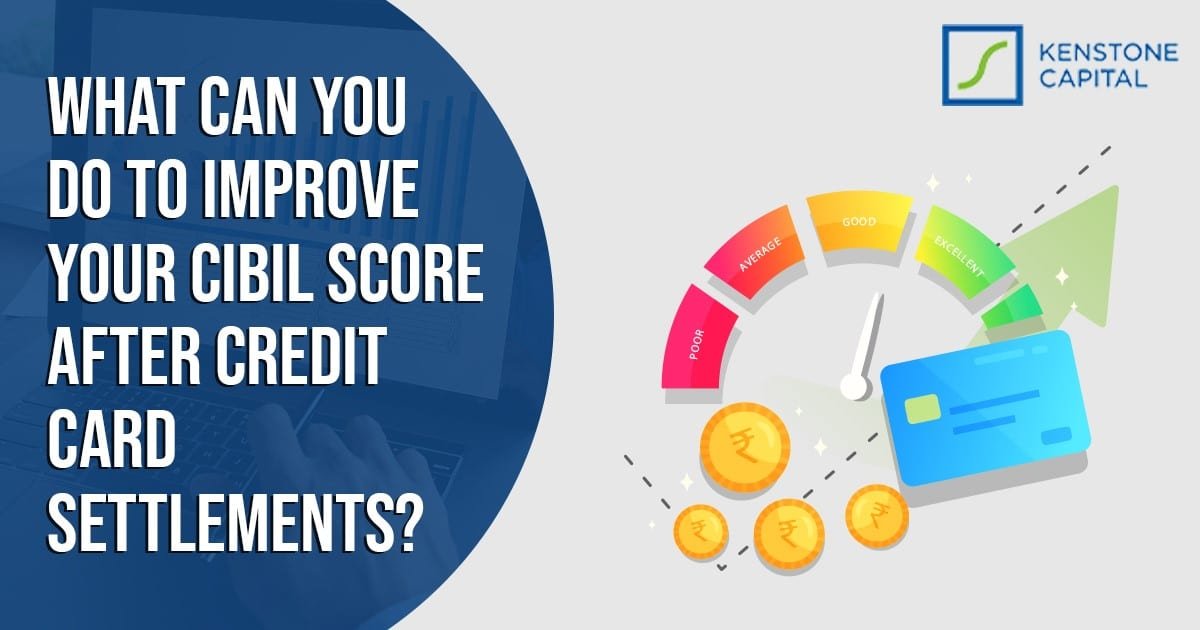
  • What can you do to improve your CIBIL score after credit card settlements?

    What can you do to improve your CIBIL score after credit card settlements?

    Credit card and loan approvals are largely influenced by an individual’s CIBIL score, as it serves as proof of their creditworthiness. The three-digit credit card CIBIL number falls between 300 and 900. Credit profiles that are closer to 900 are more reliable. When an individual seeks loan assistance or credit card approval from any bank, it plays a very important role. First and foremost, it is used to determine whether a person is reliable. As if you were ranked and liked by the bank.

    A CIBIL score is calculated by analyzing factors such as payment history, number of loans, loan types, outstanding debt, and credit history.

    The bank determines whether a person was a responsible credit card holder based on his or her own CIBIL score. It takes time to improve cibil score after settlement. To maintain a good CIBIL credit score, you must understand what destroys it and what builds it. The best way to avoid ruining your CIBIL credit score is to repay any debt or loan on time and in full. Find out if a loan settlement can ruin your CIBIL credit score and what to do if you have already done one.

    Many people confuse “loan settlement” with “loan closure.” The labels are different. CIBIL credit scores are influenced by both. CIBIL calculates your credit score based on all your payment-related activities reported by lenders or financial institutions. As your financial behavior changes, so will your CIBIL credit score.

    How can you raise your CIBIL score after paying off your credit card debt?

    A high CIBIL score makes you likeable and eligible for a loan and credit card, so one should have a high CIBIL score to impress bankers. Don’t lose heart if you have a low CIBIL score. You can really improve it if you follow these expert credit score improvement tips.

    • Make the “Settled” status “Closed.” You can improve your CIBIL score by changing your credit card company’s “settled” status to “closed.” To do this, you must pay all your dues once and for all. As ‘Settled’ indicates that an individual has not fully cleared his or her debts, it has a negative impact. We suggest you contact your bank or credit card company if your dues are extremely high and you cannot pay them all at once. Negotiate a certain amount within your means that is equally desirable for your bank or credit card company. The ‘closed’ status in your CIR will definitely have a positive impact on others.
    • Keep your credit card balance at the right level– CIBIL scores are also influenced by your credit card available balance. A high CIBIL score is achieved by using only 30% of your credit card limit. You will have a negative impact on your CIBIL score if you exhaust your maximum card limit.
    • Make regular payments– CIBIL scores are also influenced by your payment history. Paying all your dues and balances on time is the easiest way to improve your CIBIL score. A cardholder who pays on time has a higher CIBIL score than one who delays payments.
    • Apply for a credit card against any fixed deposit account-  An alternative way to improve your CIBIL score is to apply for a credit card against any fixed deposit account if you have a low one. Your fixed amount does not need to be huge. You can also start with as little as Rs. 25,000. A credit card with a maximum limit of 90% of the fixed deposit amount will be issued by the bank. Spend no more than 30-40% of your card limit when using this card regularly.
    • Repay all outstanding balances- Your CIBIL score will be affected if you have outstanding balances on your loans or credit cards. As you delay paying off your outstanding balance, your CIBIL score will decline. Do not postpone your outstanding payments; it will only weaken your credit score. Don’t have a craving for credit – It is often observed that people apply for credit repeatedly; this indicates that you are hungry for credit and negatively impacts your credit score. Another major reason for a low CIBIL score is buying multiple credit cards. Having multiple credit cards makes it very difficult for you to make timely payments, which ultimately puts a financial burden on you. Therefore, your CIBIL score is poor.
    • Make smart use of your credit card- Credit card holders are known to spend a lot with their credit cards without considering the consequences later on. Many cardholders don’t even know how to use their credit card correctly, which results in a negative CIBIL score. Credit cards should only be used 30-40% of their total credit limit each month. This spending limit will keep your payout balance affordable, and you can easily avoid pending payments.
    • Pick the right kind of loan-  Your CIBIL score is also affected by the loan you take. A loan can be secured or unsecured. These loans are used to acquire or build assets that are stable. 
    • Home loans are secured loans, while unsecured loans are used to acquire non-liquid assets. An unsecured loan might be a car loan, vacation loan, or credit card debt. An unsecured loan has a negative impact on a person’s CIBIL score, while a secured loan has a positive impact. CIBIL score is positively impacted by a portfolio with 80% secured loans and 20% unsecured loans.
    • Prioritise good credit habits – A good credit habit pays off in the long run. You must follow good credit practices for years if you want to earn a high CIBIL score, as only then will your creditors trust you. One should always practice good credit habits, such as not using multiple credit cards during the rebuilding period, not overspending, and making timely payments, to improve their CIBIL score after settlement.
    • There’s no need to hold back- Your credit card has just been settled. Disappointing. Don’t hesitate to use your credit card. Your CIBIL score must be built by all means if you wish to improve it. Rebuilding your credit is not recommended while you are rebuilding. You should use your credit card within limits during your rebuilding period. Obtain a low-balance credit card and pay off its dues on a monthly basis.
    • Get a NOC from your card provider- A NOC from your card provider is recommended if you are closing any card. Neglecting to take a NOC definitely affects your CIBIL score. An NOC demonstrates that a cardholder is trustworthy and has received a clean bill of health from the bank. After closing a card, always obtain an NOC from your card provider within 45 days.

    Improved and high CIBIL scores have many advantages

    People with high CIBIL scores have many advantages over those with low CIBIL scores. High CIBIL scores give you a variety of advantages, including:

    • Quick and easy mortgage approvals – The individual will have easy and quick mortgage approval with a high CIBIL score. CIBIL scores indicate the credibility of an individual, and banks do not hesitate to approve a mortgage request raised by someone with a high CIBIL score. The credit card company will offer you a low-interest rate if your CIBIL score is high.
    • Approval of high limits in an instant -No one is granted high credit card limits by banks. The approval is contingent on a number of variables. If you have a high CIBIL score, however, it would be an easy and hassle-free process.
    • A low-interest rate on home and car loans -With a high CIBIL score, individuals are guaranteed low-interest rates on car and home loans.

    Questions about Loan Settlement and CIBIL Credit Scores

    Q) CIBIL credit report settlement – can it be removed?

    Yes, of course. Contact your lender if you have settled any loans in the past. Pay off your unpaid debt and request a “No Objection Certificate” from your lender. CIBIL will be updated by the lender. Additionally, you can also file a dispute on the CIBIL website showing that the debt has been paid off completely. After 30-45 days of dispute resolution, the status of the settlement will be revised. 

    Q) Does a one-time settlement affect my CIBIL credit score?

    Definitely. Your CIBIL credit score will be affected by a one-time loan settlement. If your lender or bank offers you a loan settlement, you should be careful. As a last resort, it should always be avoided. Don’t settle for a one-time loan repayment. Instead, look for alternatives. 

    Q) Does CIBIL’s credit score improve after loan closing?

    Your CIBIL credit score will increase if you have paid all the EMIs of your loan on time. By closing the loan on time, you demonstrate that you are a responsible borrower who pays off all debts on time and in full without fail. Therefore, to protect your CIBIL credit score, you should make all repayments on time. 

  • Navigating the Credit Rating Landscape: Expert Tips and Insights

    Navigating the Credit Rating Landscape: Expert Tips and Insights

    Navigating the Credit Rating Landscape: Expert Tips and Insights

    In today’s financial world, understanding your credit rating is crucial. Whether you’re applying for a loan, seeking a new credit card, or even renting an apartment, your credit score plays a pivotal role in determining your financial health. Navigating this landscape effectively can save you money, open doors to better opportunities, and ensure your financial stability in the long run. Here are some expert tips and insights to help you master the credit rating game:

    1. Know Your Credit Score and Report

    The first step in managing your credit rating is knowing where you stand. Obtain your credit report from major credit bureaus like Equifax, Experian, or TransUnion. Your credit score, typically ranging from 300 to 850, reflects your creditworthiness based on factors like payment history, credit utilization, length of credit history, types of credit, and new credit accounts. Understanding this report gives you insight into what lenders see and allows you to spot any errors that could be affecting your score negatively.

    2. Pay Bills on Time

    One of the most significant factors influencing your credit score is your payment history. Consistently paying bills on time demonstrates reliability and financial responsibility, positively impacting your credit rating. Set up reminders or automatic payments to ensure you never miss a due date.

    3. Manage Your Credit Utilization Ratio

    Credit utilization ratio measures the amount of credit you’re using compared to your total available credit. Aim to keep this ratio below 30% to maintain a healthy credit score. If possible, pay off balances in full each month to avoid paying interest and to keep your utilization ratio low.

    4. Diversify Your Credit

    Having a mix of different types of credit, such as credit cards, loans, and a mortgage, can positively impact your credit score. This demonstrates your ability to manage various forms of credit responsibly. However, avoid opening multiple new accounts within a short period, as this can lower your average account age and temporarily reduce your score.

    5. Monitor Your Credit Regularly

    Stay vigilant by monitoring your credit report regularly. Look for any inaccuracies or signs of identity theft, such as unfamiliar accounts or transactions. Reporting errors promptly can help maintain the accuracy of your credit report and prevent potential damage to your credit score.

    6. Use Credit Wisely

    Think carefully before applying for new credit. Each application typically results in a hard inquiry on your credit report, which can temporarily lower your score. Apply for credit only when necessary and when you’re confident you can qualify.

    7. Seek Professional Advice When Needed

    If you’re struggling with your credit rating or facing financial challenges, don’t hesitate to seek advice from financial professionals. Credit counselors or financial advisors can provide personalized guidance and strategies to help improve your credit situation.

    Conclusion

    Navigating the credit rating landscape requires diligence, understanding, and proactive management. By following these expert tips and insights, you can take control of your credit score, improve your financial health, and position yourself for future financial success. Remember, your credit rating is a valuable asset that deserves attention and careful nurturing. Start implementing these strategies today to pave the way for a brighter financial future tomorrow.

  • Decoding your Credit Score! Can It Be A Benefit Or A Bane?

    Decoding your Credit Score! Can It Be A Benefit Or A Bane?

    Almost all cardholders find debt a nightmare, one that affects their credit score as well. Resist the temptation to use your entire credit card limit, no matter how tempting it may seem.

    The way you manage your credit card debt can have both positive and negative effects on your credit score.

    Credit card debt can show that you are actively using credit and making timely payments, which can improve your credit score. Your credit utilization ratio, which is the amount of credit you use compared to your credit limit, will be negatively affected if you carry high balances or max out your credit cards. It is possible to lower your credit score if you have a high credit utilization rate.

    Furthermore, carrying credit card debt for an extended period may indicate that you are living beyond your means or struggling financially, which may negatively affect your credit rating.

    Keeping your credit utilization ratio below 30%, paying your bills on time, and avoiding long-term credit card debt will help you maintain a healthy credit score. For those struggling with credit card debt, it is crucial to seek professional assistance to develop a plan to pay it off and improve their financial health.

    What effect does pay off debt have on your credit score?

    Getting rid of your credit card debt will improve your credit score. Yes, you read it correctly. Paying off your debt decreases your credit utilization rate (CUR). How would you rate your credit utilization? Debt-to-credit ratios measure how much credit you are using compared to how much is available.

    Fortunately, you can raise your credit score by reducing your utilization rate. Maintain a utilization rate below 30% or even try for a single-digit utilization rate. 

    What is the maximum amount of credit card debt that can adversely affect your credit score?

    There is no fixed number for this. Your ultimate goal should be to keep your credit utilization rate below 30%. 

    Due to the fact that this is a total or “aggregate utilization” that’s measured by your credit score, getting a new card to spread your debt across all your cards could prove to be unwise. It can affect your credit score negatively, as a new card requires lenders to verify your past repayment history, which can be viewed as a credit check, which, in a way, can influence your credit score. The increase in your credit card limit, however, may not affect it. 

    What is the impact of paying off credit card debt on your credit score?

    While you might feel relaxed after paying off your credit card debt, it may not necessarily work in your favor. However, sometimes it can actually have quite the opposite effect, causing your credit score to dip temporarily. 

    You may see a drop in your credit score if you pay off an installment account before the due date, causing the account to be prematurely closed. Due to the fact that they can no longer earn interest, most lenders are not in favor of this. After all, interest is one of the major ways lenders earn money. Additionally, it reduces the number of accounts you have open, which is again looked down upon by lenders. If you pay off an installment early, your score might go down a bit. 

    Despite paying off your installment loan on time, your credit score can still drop. Exactly how? There is a possibility that it was just a coincidence and that something else might have caused the same. A number of factors can have an impact on your score, such as the application for a new loan or credit card. 

    You need not worry about a drop in your credit score because it will only last for a short period of time. When does the credit score recover?

    When your credit score recovers from a dip, there is no magic time frame, but it usually takes only a few months. In the meantime, you can:

    • Stay on top of your bill payments
    • Get a better understanding of what lenders are looking for
    • Make your credit card debt a priority
    • Avoid early repayment penalties

    Is settling credit card debt going to affect one’s CIBIL score?

    Perhaps you figured out in your mind when you took out a loan that you would pay it back after a certain period. Unfortunately, some unavoidable circumstances prevent you from meeting your repayment commitment at the end of the month. In response, you can contact your bank or lender and they offer you the option of a One Time Settlement. 

    This may seem like a sign of relief to you, so you take it up right away. You realize that your CIBIL score has dropped. 

    Banks will report written-off loans to CIBIL when they are writing them off. CIBIL never fails to surprise you, even if you think the bank or lender has ended its relationship with the borrower. They refer to the deal as settled rather than concluding it. Terming a loan settled is considered negative credit behavior, and the borrower’s credit score is likely to suffer. 

    This record has been held by the CIBIL for over 7 years. During that certain period, the borrower may not be able to obtain a loan from a bank if he approaches the lender for one in the future. Borrowers’ past repayment history is taken into account by lenders before giving them a loan. Banks and lenders will not approve a loan application if the borrower has a settlement on their credit report. 

    Takeaway

    Therefore, paying off your credit card debt alone won’t affect your credit score. The score is actually lowered by a combination of other factors. 

    Furthermore, you must keep in mind that paying off credit cards early does not harm accounts; however, paying off installment accounts does. 

    FAQs

    What is the importance of paying off credit card debt?

    Ans: You will probably have a higher credit score if you regularly use your credit card to make purchases but pay off the balance in full every month, as opposed to carrying a balance month-to-month. Another important factor affecting your credit score is your credit utilization ratio.

    Is it true that paying off credit cards improves credit?

    Ans: In spite of consistently paying off your credit card every month, if you have a high balance on the day the credit report is made, it may affect your score, even if you repay it the following day.

    Is there a problem with credit card debt?

    Ans: If your total balance exceeds 30% of your total credit limit, you may have too much debt. Experts usually recommend keeping credit utilization between 11% and 30%, while anything between 1% and 10% is considered good.

  • How do Loan Waive-offs and Loan Write-Offs Differ?

    How do Loan Waive-offs and Loan Write-Offs Differ?

    It is common to use the terms ‘loan write-off’ and ‘loan waiver-off’ interchangeably. They both deal with bad loans, but their basic concepts are different, despite sounding similar. Waiving a loan is different from writing it off. Both terms apply to bad loans. What is their purpose? Non-performing assets (NPAs) are borrowers who cannot repay their loans.

    There are two ways in which lenders handle NPAs or bad loans. They either dismiss them or ignore them. Lenders can balance their ledgers this way.

    You will understand the difference between loan write-offs and waivers by looking at the following examples.

    What is a Loan Write-Off?

    If you’re not sure what a loan write-off is, you can simply describe it as the amount of loan that has been written off by the bank. Nevertheless, the bank will not limit its efforts in the future to recover the entire loan amount.

    A bank writes off a bad loan primarily to use the funds allocated at the time of lending money to its borrowers to initiate more business. By writing off the loan, the balance sheet becomes more appealing to its stakeholders. Banks typically write off bad loans when their window of recovery has narrowed dramatically and they cannot recover their debt using the attached assets or arbitration.

    Advantages of a Loan Write-Off

    Lenders gain the following advantages from performing this activity:

    • Lenders qualify for a tax rebate by writing them off.
    • All borrowers do not exhaust their credit limits. As a result, they borrow the amount they need and pay interest on the actuals. Lenders are not required to release borrowers’ remaining limits when they write off loans. By doing so, they are able to release funds previously blocked for a borrower. A loan can be used for business purposes or to provide loans to others in need.
    • Lenders can still recover outstanding loans after writing them off. The means necessary can be used to recover the entire or partial loan amount.
    • Maintaining a clean and updated balance sheet is one of the benefits of writing off loans.

    What is a Loan Waiver-off?

    Loan waivers are granted when borrowers cannot repay their loans because of financial setbacks. Waivers are cancellations of all or part of a loan, which means the borrower does not have to repay the remaining balance. Usually, it is done to show goodwill, relieve the borrower of debt, or stimulate the economy. A lender may waive off all or part of a loan.

    It is possible for a loan to be waived off in the event of a natural disaster, political instability, or economic recession. Through a government policy, the government may also assist groups in debt, such as farmers or students. It is rare, however, for a loan to be waived off and it usually occurs under particular circumstances.

    If a borrower cannot pay back the loan due to a lack of income, the government may offer a waiver rather than a write-off.

    There are certain conditions that must be met for borrowers to qualify for waivers. Since the waiver-off amount cannot be ignored, the lender cannot disregard the unrecovered loan. These waivers are recorded as loan write-offs by banks to balance their books, which allows them to recover their losses in the future. Loan waivers can benefit both borrowers and lenders. Benefits include the following:

    1. Provides financial relief: A loan waiver can help borrowers who are struggling to repay their loans due to unforeseen circumstances such as losing their jobs, becoming ill, or experiencing a natural disaster. Furthermore, the loan can provide much-needed relief to the borrower.
    2. Increases consumer spending: By waiving a loan, the borrower can spend more on goods and services, thereby increasing consumer spending. Spending by consumers can increase as a result.
    3. Improves credit score: The elimination of debt can increase a borrower’s credit score after the loan is waived. The borrower will have an easier time obtaining credit in the future.
    4. The publicity that is positive: It is possible for lenders to generate positive publicity and an improved reputation by waiving their loan obligations. Being willing to work with the borrower and assisting him or her compassionately shows the lender’s desire to help the borrower.

    However, loan waivers may not be the best solution for borrowers or lenders, and they can also have disadvantages. Lenders create a moral hazard when they encourage borrowers to take on more debt with the expectation that it will be forgiven later. In the event that lenders are unable to lend in the future, they may incur losses as well. Whenever such circumstances exist, it is important to carefully consider and implement loan waivers. A loan write-off is an act of declaring a loan uncollectible, which means the lender writes off the debt as a loss. A loan waiver, on the other hand, relieves a borrower of their obligation to repay the loan. Lenders forgive debts when they agree to do so, and borrowers are no longer responsible for repaying them. In both cases, your credit score is compromised. 

    FAQs on Loan Waive Vs. Write off

    1. Can banks take legal action when a loan is waived-off?

    Ans: The bank cannot take legal action against the borrower to recover the amount when a loan is waived. In the event of a waive-off, the bank will return ownership papers to the borrower if any kind of collateral has been provided.

    2. After being written off, is it possible to get a loan?

    Ans: After debt settlement, lenders may be reluctant to offer you unsecured loans because you were unable to pay your previous dues. You may, however, be able to secure a loan by pledging an asset as security.

    3. Is it possible to remove the written-off status from the CIBILTM report?

    Ans: An individual must completely clear their existing debts to remove the ‘write off’ status from their CIBILTM report. For borrowers who cannot pay off the entire debt, settlement dues can be agreed upon between the lender and the borrower.

  • DRT Full Form: Understanding the Role of Debt Recovery Tribunals in Debt Recovery

    DRT Full Form: Understanding the Role of Debt Recovery Tribunals in Debt Recovery

    In the past, banks and financial institutions had difficulties recovering loans they had advanced to individuals or businesses. In India, non-performing assets (NPAs) and bad loans are a constant source of trouble for banks. Prior to 1993, such cases were often listed in civil courts, where they would drag on for years. 

    As a result, banks and financial institutions stopped advancing loans. To recover the money from borrowers, an effective system was needed. The Recovery of Debts Due to Banks and Financial Institutions Act (RDDBFI), 1993, led to the formation of Debt Recovery Tribunals (DRTs). 

    The Recovery of Debts Due to Banks and Financial Institutions (RDDBFI) Act was passed, forming the Debt Recovery Tribunal to assist banks and financial institutions in recovering loans. Appeals from Debt Recovery Tribunal orders can be made to the Debt Recovery Appellate Tribunal. It is now possible for DRTs to take cases against banks for disputed loans over Rs 20 lakhs.

    What is the DRT?

    It is a specialized tribunal that focuses on the recovery of debts due to banks and provides a more efficient means for banks and financial institutions to recover outstanding loans. In cases where a party disagrees with the DRT’s decision, they can file an appeal with the Debt Recovery Appellate Tribunal (DRAT). This process has played a vital role in the recovery of debts and in addressing the challenges faced by banks in managing bad loans.

    The Debt Recovery Tribunal (DRT), established under the Recovery of Debts Due to Banks and Financial Institutions Act, 1993, plays a crucial role in that of debt recovery tribunal due to banks, financial institutions and bankruptcy act 1993. The tribunal provides a legal platform for resolving disputes and recovering defaulted loans, ensuring that banks can recover debts owed by borrowers efficiently. The act empowers the tribunal to pass orders for the recovery of debts, offering a faster alternative to traditional court proceedings.

    What are Debt Recovery Tribunals (DRT)?

    In Debt Recovery Tribunals (DRTs) and Debts Recovery Appellate Tribunals (DRATs), one person is designated as the presiding officer of the debt recovery tribunal and the chairperson for the debts recovery appellate tribunal by the Central Government. This ensures that there is a designated authority to oversee the resolution of debt recovery cases.

    In the recovery tribunals, claims up to ten lakh rupees were previously adjudicated, but a new limit of twenty lakh rupees was introduced in 2018. In the case of debt recovery disputes, the DRT issues an order and a recovery certificate of the recovery, which certifies the amount that must be paid by the borrower. Recovery Officers execute this procedure based on income tax recovery methods. Currently, there are 39 recovery tribunals DRTs and 5 debts recovery appellate tribunals (DRATs) in India.

    The Role of DRTs

    Through DRT, banks, and financial institutions can recover money owed to them by borrowers. Under RBI guidelines, the Tribunal can only resolve cases about recoveries from NPAs, as stated by the banks. Tribunals have all the powers of District Courts. Furthermore, the Tribunal has a Recovery Officer who assists the Presiding Officers in executing recovery certificates.

    Debt Recovery Tribunals (DRTs) play a vital role in the adjudication and recovery of debts owed to banks and financial institutions. They are designed to ensure the expeditious adjudication and recovery of such debts, providing a faster alternative to traditional court systems.

    DRT jurisprudence

    As per section 17 of the RDDBFI Act, DRT may entertain applications for the recovery of debts due to banks or financial institutions. In addition to the Supreme Court and the High Court, all other Courts cannot adjudicate on matters relating to debt recovery. Only the Supreme Court and High Court can grant relief from the DRAT’s order.

    DRT according to procedure

    A direct application can be made to DRT or a SARFAESI application can be made.

    Application Route

    Application and payment of the required fees are required for the recovery process through the DRT. The DRT location chosen under this route is important. Currently, 33 DRTs are located in 22 locations. In section 19 of the RDDBFI Act, the prerequisites for choosing a DRT are outlined. In the region where the financial institution carries out business, a bank or financial institution can apply to a DRT with jurisdiction. It is also possible to file an application to a specific DRT if the cause of action falls within its jurisdiction.

    SARFAESI Route

    The SARFAESI Act states that after a loan is classified as a Non-Performing Asset (NPA) by the secured creditor, a notice must be sent to the borrower. The borrower must be given a 60-day period to repay the loan in full. The creditor would be entitled, if the borrower did not comply with it, to take ownership of the secured asset under Section 13(4) of the Act, which includes the right to lease the asset, to assume management of the business, or to appoint someone else to manage it.

    Service of summonses and notices

    A notice will be issued by the Registrar of DRT or any other officer authorized by the Presiding Officer and served on the defendant by the applicant. As well as the summons, the petition book is also served by hand, registered post with acknowledgment due, or speed post. Summons and Notices may be sent electronically or by fax, but a paper copy must be sent to the defendant. When a summons or notice is sent by mail, an affidavit must specify the method of dispatch and the address of the mailing.

    Presiding officer’s hearing of the case

    Filing of reply

    Responding to the notice within one month of receiving it is the defendant’s responsibility. After some time, the defendant can file a reply with the DRT’s permission. The defendant cannot file his reply after the extension of time, so the DRT may proceed ex parte.

    Counterclaims

    Defendants can only file counterclaims at the first hearing. The request would then need to be approved by DRT. Counterclaims will have the same effect as countersuits in any proceeding.

    Defendant’s admission of liability

    An order instructing the defendant to pay the required amount within 30 days of DRT would be passed by the Presiding Officer if the defendant admits his liability.

    The affidavit

    In situations where the defendant denies his commitment, the Presiding Office may require the parties to him to file an affidavit for proof, which will be read during the hearing according to DRT’s wishes. The DRT may order a witness to be present for cross-examination, which must be recorded, and if the witness is not present at the hearing, the affidavit will not be considered.

    There has been an interim order issued by the DRT

    Under Section 19(12) of RDDBFI, the DRT may issue an interim order preventing the defendant from disposing of or transferring his property without the Tribunal’s consent. A defendant who disobeys the order may also be imprisoned for a period of three months under Sections 19(12), 19(13) and 19(18) of the SARFAESI Act.

    Certificate of Judgment and Recovery from DRT

    The DRT would pass the final judgment within 30 days after hearing both parties and their submissions. Within 15 days from the date of judgment, DRT will issue a Recovery Certificate to the Recovery Officer. RC will function in the same way as a civil court’s ruling.

    An appeal

    In case of a dispute between an aggrieved party and the Debt Recovery Tribunal (DRT), the aggrieved party can appeal against the DRT’s decision within 30 days of the DRT’s decision.

    An appeal, however, will not be entertained if the DRT’s judgment was discharged with both parties consent. In the event the DRAT is satisfied that there was a sufficient reason for the appeal, he will entertain it after 30 days.

    Conclusion

    Debt Recovery Tribunals have been established to provide financial bodies with a faster and more efficient method of recovering debts. To appeal against DRT decisions, debt recovery appellate tribunals have been set up. As a result, civil courts have been less burdened.

    FAQs on the Functioning of Debt Recovery Tribunals in India

    1) What is the role of the Debt Recovery Tribunal (DRT) in the enforcement of security?

    The DRT plays a crucial role in the enforcement of security by ensuring that banks and financial institutions can recover non-performing assets (NPAs) from defaulting borrowers. The DRTs are empowered under the RDB Act to pass orders related to the enforcement of security interests.

    2) How does the establishment of tribunals help in debt recovery?

    The establishment of tribunals, such as DRTs and DRATs, is aimed at speeding up the recovery process for banks and financial institutions. It provides a specialized platform to resolve cases related to debt recovery in an efficient and timely manner.

    3) What are the powers of Debt Recovery Tribunals (DRTs) under the RDB Act?

    Under the RDB Act, DRTs have the power to entertain applications related to the recovery of debts owed to banks and financial institutions. The tribunals are empowered to pass binding orders on these matters, including the enforcement of securities and adjudication of claims.

    4) What is the role of the Debt Recovery Appellate Tribunal (DRAT)?

    DRTs and DRATs work in tandem, where DRTs handle the initial adjudication of debt recovery cases, and the DRAT hears appeals against the decisions of the DRTs. DRATs ensure that justice is served by reviewing the cases impartially.

    5) What happens if there is a dispute over a DRT decision?

    If there is a dispute over a DRT’s decision, the aggrieved party can file an appeal with the Debt Recovery Appellate Tribunal (DRAT). The appeal must be filed within 30 days, and the DRAT reviews the case based on the grounds provided.

    6) How does the presiding officer of DRT handle cases related to non-performing assets?

    The presiding officer of DRT has the responsibility to review cases related to non-performing assets (NPAs) and issue recovery orders. The officer ensures that the legal procedures are followed in the recovery of dues from defaulting borrowers.