Blog

  • 6 IMPORTANT FACTORS THAT DETERMINE YOUR PERSONAL LOAN ELIGIBILITY

    6 IMPORTANT FACTORS THAT DETERMINE YOUR PERSONAL LOAN ELIGIBILITY

    Are you planning to apply for a personal loan online? But confused whether you’re eligible or not.

    Well! With the growing needs of people in India, getting personal loans has become very easy and witnessing colossal demand. A personal loan can meet the emergency requirement as it is one of the fastest and easiest ways to get cash.

    It helps arrange funds for holidays, medical emergencies, weddings, holidays, higher education, tuition fees, project renovations, events, and much more. Three things that make personal loans more alluring are that its widely accepted, unsecured, and have quick online processing.

    Banks or the lenders from whom you wish to take a personal Loan have their eligibility requirements. Lenders may only grant you a personal loan if they find you are eligible.

    A personal loan is a great way to manage a range of emergency and non-emergency expenses. But there are a few factors that you should consider before taking a personal loan. Like all the other types of loans, a personal loan also requires specific documentation and eligibility criteria. Different lenders have different eligibility criteria, but they do not vary much.

    Here are six personal loan factors you must look for to get the best interest rates and fastest personal Loan. These six critical individual loan factors will determine and help you repay your EMI’s.

    Here are six factors affecting your Loan eligibility:

    1. YOUR MONTHLY INCOME

    Monthly income is an essential factor that makes up your financial profile and is crucial in all kinds of loans. It is often directly linked to your ability to repay the Loan and is supported by security or collateral, especially in the case of a Car Loan, Home loan, or gold loan.

    But when it comes to personal loans, the lender would require your monthly income details to ensure that you have an adequate monthly income. It would also be advisable to show additional income sources, including spouse’s salary, business income, or others if any.

    Also, your monthly income requirements may vary depending on your location. For example, if you stay in metro cities like Mumbai, Delhi, and Bengaluru, the income requirements are higher as these cities’ cost is high.

    2. YOUR CREDIT SCORE

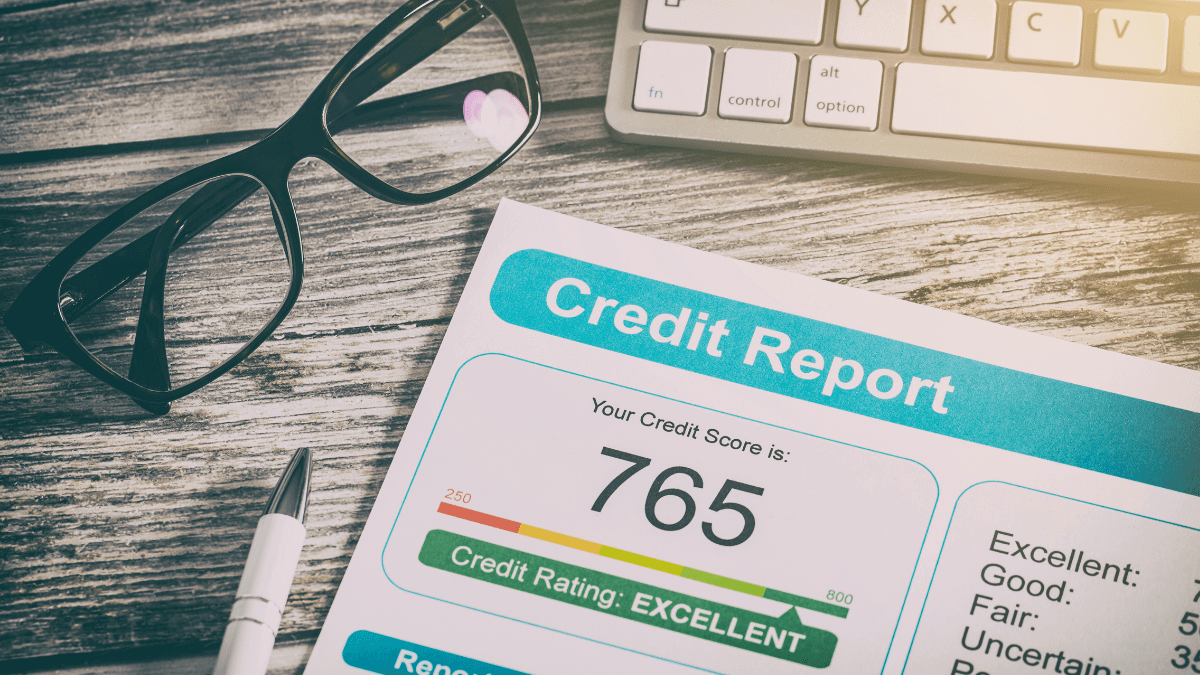
    A healthy credit score is highly crucial to all types of loans. A credit score is a three-digit number based which is generated based on your credit history. In other words, it lets the lender understand your repayment track record and how diligent you have been with managing debt in the past.

    A healthy or higher credit score means that your chances of getting your Loan approved are more elevated. Lenders usually prefer a Personal Loan if you have a clean repayment track record devoid of repayment default.

    To know about your credit score, CRIF Highmark, and other details, lenders seek information from specialized bureaus that deal with it. Getting a personal loan also depends upon multiple aspects like how frequently you paid your EMI’S if missed any EMI’S in the past if your EMI were paid in full or not, and what has been your payment track record.

    Generally, a healthy credit score means a score of 700 and above. If your CIBIL score is below 700, you should first try to improve your credit score to be eligible for the Personal Loan.

    3. YOUR AGE

    Another important factor for personal loan eligibility is your age. Your age helps the lender get insights into your financial stability and earning ability. For example, in your early 20’s your financial stability may not be strong as it’s the start of your earning. Similarly, your age shouldn’t exceed 65 years of age by the time of loan maturity.

    Lenders usually prefer salaried applicants between the age group of 23 and 58 years with specific work experience and financial stability.

    4. YOUR WORK EXPERIENCE

    Work experience determines if your income is steady or not. Applicants with a stable job have regularity in the flow of their income. Lenders usually prefer applicants with more work experience as compared to those who have recently started working.

    Lenders also investigate the stream you are employed with to ensure that your employer is financially sound. An economically secure profile means you can probably get the lowest interest rate on a personal loan, and a long work experience can help reduce the speed. Also, the minimum work experience, type of occupation may differ for different lenders.

    5. YOUR CURRENT LIABILITIES

    Another crucial factor necessary for a Personal Loan is your current liabilities. The lender would like to seek all the details on your existing Loan, if any, like a home loan, education loan or car loan, etc. It is to ensure that you have adequate funds to repay all your existing liabilities and the new Personal Loan you are thinking of buying.

    6. REPAYMENT

    A shorter repayment method means you can get the personal loan approved at a low-interest rate. However, it’s important to note that your repayment tenure should not be overly ambitious, and your EMI amount is easily adjustable within your monthly budget. 

    It’s essential to understand all these factors before applying for the Loan, as it may increase your chances of availing of a loan at a low-interest rate. With these factors in mind, you can also negotiate your loan terms with the bank.

  • WHY WOMEN SHOULD BUILD THEIR CIBIL SCORE?

    WHY WOMEN SHOULD BUILD THEIR CIBIL SCORE?

    There has been a considerable increase in the number of women entrepreneurs across the country in recent years. The Indian government has developed numerous initiatives to support women entrepreneurs financially, including the Annapurna scheme, Udyogini scheme, Mudra yojana scheme, and others. Aside from that, women entrepreneurs might think about getting a small business loan for their start-up.

    When it comes to acquiring loans from financial institutions like banks and NBFCs, Indian women have surpassed their male partners. According to a survey by credit agency TransUnion CIBIL, between 2015 and 2018, India has seen a 48 percent increase in successful loan applications among women borrowers. Male borrowers, on the other hand, are growing at a slower rate of 35%. According to the data, 8.6 million new-to-credit women borrowers open new loan accounts each year, with 66 percent of these women hailing from Tamil Nadu, Kerala, Andhra Pradesh, Maharashtra, and Karnataka.

    “The rise in female credit demand and uptake provides an opportunity for the credit industry to tailor products and services to better meet the financial needs of female borrowers,” said Harshala Chandorkar, COO of TransUnion CIBIL. ” The government’s financial inclusion measures geared towards women have also aided in this development. Transunion Cibil anticipates increased loan demand from women borrowers in the future, owing to a number of variables including increased female education, increased consumer durables spending in tier I and tier II markets, and a spike in the proportion of women in the workforce.

    According to the survey, a large percentage of business loans come from states with the highest number of female MSME owners. With an average CIBIL Score of 781 among women, Tamil Nadu and Kerala have the lowest borrowing risk profiles among the top borrowing states in the country. Surprisingly, the data collected reveals that financial prudence and the average CIBIL Score among all women rises with age. Women under the age of 35 had an average credit score of 773, while those between the ages of 35 and 45 had a score of 776, and those over 45 had an average credit score of 785. All Indian women consumers have a CIBIL Score of 770 or above.

    Nowadays, with the help of leading financial institutions, availing a small business loan has become a quick and hassle-free process. However, before applying for a small business loan, women entrepreneurs should make sure that they have a high credit score.  A good CIBIL Score can help consumers gain access to better credit offers faster. Also, most of the lenders typically consider a credit score above 750 as an ideal score.

    LET’S SEE WHY IT IS ESSENTIAL FOR WOMEN TO BUILD THEIR CIBIL SCORE!

    • Before granting a loan application, financial organizations analyze the applicant’s credit score. As a result, women who have a strong credit score will be eligible for a larger loan. Furthermore, if they have a good credit score, they will be able to negotiate the interest rate offered by the lender. A bad credit history, on the other hand, can hurt your possibilities of getting a loan. This is because a borrower with a low credit score is regarded as a high-risk borrower.
    • As credit score determines loan eligibility, it is essential for women entrepreneurs to maintain a strong credit score by making on-time payments and paying off outstanding debts. By optimizing their spending habits and managing their funds intelligently, women entrepreneurs can considerably improve their credit score.

    IMPROVE YOUR CIBIL SCORE WITH THE FOLLOWING TIPS

    • If you want to keep your credit score in good shape, you must pay on time. Defaulting on a loan will not only put you in debt, but it can also ruin your credit score. This could affect your credit eligibility in the future.
    • Be careful how you use your credit cards. This is because credit cards normally come with a higher interest rate, and failing to return the balance within the specified time frame can lead to financial difficulties. Additionally, strive to maintain your credit usage ratio around 15%. This will assist you in increasing your credit score.
    • Verify that your credit report is continually updated. If you find an inaccuracy on your credit report, it is crucial that you contact the credit reporting companies and request a dispute. This can help you improve your company’s credit score. Furthermore, you should try to avoid harsh inquiries and unpaid accounts, as these have a bad impact on your credit report.

    Bottom Line

    You can considerably improve your credit score over time by using the above-mentioned guidelines. With a good credit score, you can get a loan with a cheap interest rate and other attractive features. A good credit score will always help you get the greatest deal, whether it’s for a company loan, a personal loan, or an education loan. You can quickly apply for any type of credit product online from the comfort of your own home with renowned financial institutions. Some of the additional benefits of taking out a loan from a reputable lending firm include minimal and paperless documentation.

    Women with a good CIBIL score could be able to obtain a small business loan with the most favourable terms and circumstances. A high credit score might also come in helpful for women who need a personal loan for travel, medical problems, or managing wedding expenses, among other things.

  • EVERYTHING YOU NEED TO KNOW ABOUT CRIF HIGH MARK SCORE AND CREDIT REPORTS

    EVERYTHING YOU NEED TO KNOW ABOUT CRIF HIGH MARK SCORE AND CREDIT REPORTS

    In the financing business, credit scores are a critical tool. A person’s credit score informs a lender about their creditworthiness and influences their decision to accept or reject them as borrowers. Similarly, everyone needs to check your credit score, whether as an individual or a corporation. Reviewing your credit report regularly and taking necessary steps to enhance your CRIF credit score can help secure funding quickly and at reasonable interest rates.

    WHAT IS CRIF HIGH MARK CREDIT?

    CRIF Highmark is one of India’s six credit bureaus, offering reliable credit insights through its CRIF Highmark credit reports and scores for individuals, businesses, and other entities. By collecting and analyzing diverse credit-related data, CRIF Highmark assesses creditworthiness and assigns a CRIF credit score. This score is featured in the High mark Credit Information Report (CIR), which serves as a vital document for lenders. Members of CRIF, including banks and financial institutions, update the data required to calculate a credit score every month.

    Regularly reviewing your CRIF Highmark credit report ensures you are aware of your credit health, helping you make informed financial decisions.

    WHAT IS CRIF HIGHMARK CREDIT SCORE?

    The CRIF credit score is a three-digit value ranging from 300 to 900. With a score of 300 being the lowest or worst and 900 being the greatest or best. A high CIRF credit score indicates a low-risk individual with strong financial credibility. In other words, someone with this score should be deemed a low-risk borrower. A poor credit score, on the other hand, suggests a person who lacks financial trustworthiness and is a risky loan application. Lenders use the CIRF credit score in this way to assess a person’s creditworthiness.

    HOW DO I CHECK MY CRIF HIGHMARK CREDIT SCORE?

    Other credit bureaus in India, such as Equifax, CIBIL, and others, exist in addition to CRIF High Mark. According to RBI requirements, these credit bureaus must provide free credit reports to individuals at least once a year. If you want to discover your credit score or see your credit report, go to CRIF Highmark’s official website and fill out an application for a credit report.

    You will receive your credit score as well as a comprehensive credit report in your email after providing the essential information. The procedure for obtaining a credit report is simple and quick. You can request a printed version of the report in addition to receiving it in the mail, and the report will be mailed to you to the address mentioned in your document.

    HERE’S HOW CRIF HIGHMARK CREDIT SCORE IS DIVIDED:

    300–500 (very low): This score shows that the consumer is at a significant risk of defaulting on their credit and has a poor repayment history and credit history. There is a high likelihood that lenders will refuse to lend to such customers.

    500–650 (low): This range of scores implies that the consumer has a low credit score and has missed or defaulted on payments. Customers who have not made timely payments are still considered a risk by lenders, and some of them may refuse to lend to them.

    650–750 (great): A credit score of 750 is considered optimal by most lenders, including banks and non-banking finance organizations. Customers with a credit score in this category have a history of timely repayment. They’re also more likely to keep a decent balance of secured and unsecured credit scores. Customers who fall into this category are beneficial for lenders because they have a minimal risk of defaulting.

    750-900 (excellent): Customers with a credit score in this category are thought to be exceptionally credit-worthy since they have shown great repayment behavior and have never missed a payment. They have a perfect track record of paying all of their bills on time and intelligently using credit. Lenders are eager to provide loans to such clients. CRIF Highmark Credit Score and Report

    CRIF Highmark is one of India’s leading RBI-licensed credit bureaus, alongside others such as Equifax, Experian, and CIBIL. These bureaus provide personal and business credit reports that evaluate your creditworthiness. According to RBI regulations, individuals are entitled to one free credit report from these bureaus every year.

    How to Get Your CRIF Highmark Credit Report

    To check your CRIF score or obtain your report, visit CRIF Highmark’s official website. You’ll need to provide essential details like your name, mobile number, and identification information to complete the application. Once submitted, your credit score and a detailed credit report will be sent to your registered email. You can also request a physical copy, which will be mailed to the address provided in your documentation.

    CRIF Highmark Credit Score Ranges

    • 300–500 (Very Low): This range indicates a high likelihood of default due to poor repayment behavior and an unsatisfactory credit history. Securing loans or credit cards is difficult for individuals in this category.
    • 500–650 (Low): A score in this range suggests missed or defaulted payments. While lenders might still consider applications, the risk is high, and approvals may be limited.
    • 650–750 (Good): This range reflects responsible repayment behavior. A score of 750 is a good indicator for most lenders, demonstrating a balance of secured and unsecured credit usage. Borrowers in this category are seen as low-risk.
    • 750–900 (Excellent): This is the ideal range, showing exceptional creditworthiness and a history of timely payments. Lenders are highly willing to extend loans or issue credit cards to individuals in this category.

    Importance of Monitoring Your Credit

    Regularly monitoring your credit report and score ensures you stay informed about your financial health. A CRIF score that ranges between 300–900 allows you to gauge your position and take steps to improve if necessary. This is especially crucial when planning to get a new credit line or loan.

    Let me know if you need further enhancements or additional sections!

    KEY POINTS TO BE NOTED ABOUT THE CREDIT SCORE GIVEN BY CRIF HIGHMARK:

    • The CRIF Highmark credit score is divided into two categories: Business Credit Score (for businesses) and Personal Credit Score (for individuals)
    • The length of your credit history, credit mix, credit card applications, credit payment history, and credit utilization ratio are all factors considered when determining your CRIF Highmark credit score.
    • CRIF Highmark’s credit score demonstrates your creditworthiness.
    • A consumer is entitled to one free CRIF credit report per year; beyond that, it costs Rs. 399 per year.
    • A CRIF Highmark is a three-digit credit score ranging from 300 to 900 points.

    DIFFERENT CRITERIA USED BY CRIF HIGHMARK TO GENERATE A CREDIT REPORT:

    • Current outstanding debts
    • Repayment history
    • Credit utilization ratio
    • New loan applications
    • Debt to income ratio
    • Credit mix
    • Length of credit history and more

    Frequently asked Questions

    1. What is a credit score?

    A credit score is a three-digit number that represents the creditworthiness of an individual or entity. It is calculated based on credit history, repayment behavior, and other financial factors. Lenders use the credit score to evaluate the risk of lending.

    2. What is a good credit score?

    A score above 700 is generally considered good. It indicates a strong credit history and responsible repayment behavior, making it easier to secure loans or credit cards at favorable terms.

    3. How is a credit score calculated?

    A credit score is calculated by analyzing factors such as payment history, amounts owed, length of credit history, types of credit used, and recent credit inquiries. Paying your credit card dues on time and maintaining a healthy credit utilization ratio positively impact your score.

    4. What is CRIF Highmark?

    The CRIF Highmark is an RBI-licensed credit bureau in India that generates credit scores and credit reports for individuals and businesses. It collects data from financial institutions to create a detailed record of your credit history and provide a personal credit score.

    5. Why is a credit report important?

    A credit report provides detailed information about your credit accounts, repayment history, and outstanding debts. Reviewing the report helps you understand the factors impacting your credit score and identify any inaccuracies that need correction.

    6. How can I improve my credit score?

    To improve your credit score:

    • Pay all dues, including credit card dues on time.
    • Maintain a low credit utilization ratio.
    • Avoid applying for multiple loans or credit cards in a short period.
    • Regularly monitor the credit report for errors and rectify them promptly.

    7. Can I check my credit score through CRIF Highmark?

    Yes, you can check your personal credit score and report through CRIF Highmark. It provides insights into the credit score and history to help you maintain good credit health

  • HOW MUCH IT COSTS TO CHECK YOUR CIBIL SCORE?

    HOW MUCH IT COSTS TO CHECK YOUR CIBIL SCORE?

    If you’re planning to apply for credit in the near future, you’ve probably heard of the term CIBIL score. Have you heard of this term but are unsure what it means? TransUnion or CIBIL is one of the most well-known credit information bureaus in India. It keeps credit records of a large number of people and businesses all over India. CIBIL creates a credit report for an individual or a business based on a number of factors. Every credit report from CIBIL is charged a cost (with the exception of one free report per year for individuals).

    WHY SHOULD YOU CHECK YOUR CIBIL SCORE?

    CIBIL score is a three-digit number which determines about your loan approval or rejection. The higher your credit score, the more likely you are going to get approved for a loan with favorable interest rates. While your credit score can range from 300 to 900, a score of 750 or more is regarded as good because it suggests that you have been diligent in repaying your loans and responsible with your money while having a decreased risk of defaulting on your payments in the future.

    Knowing your CIBIL score ahead of time gives you the benefit of time to concentrate on improving your score even before you start applying for credit. As a result, one should verify one’s credit score before asking for a fast personal loan online. However, you should be aware that you may be charged for checking your CIBIL score.

    WHAT IS THE COST OF CHECKING YOUR CIBIL SCORE?

    To check your credit score, simply log into your CIBIL account and follow the simple instructions to download a copy of your credit report. For their services, CIBIL charges a minimal fee. The following are the CIBIL score fees for various plans:

    ONE-TIME REPORT:

    The cost of a CIBIL score report is Rs. 550 for a one-time report.

    STANDARD:

    A standard subscription with CIBIL costs Rs. 800. This subscription allows you to receive two reports over the course of six months.

    PREMIUM:

    The cost of a premium subscription from CIBIL, which entitles you to get four thorough reports over the course of a year, is Rs 1200.

    SIGNIFICANCE OF CIBIL SCORE

    Your credit score indicates your ability to repay debts and your spending habits. As a result, when you request for a loan, financial organizations will examine your credit score. A good credit score can help you get a bigger loan with a lower interest rate. A bad credit history, on the other hand, can hurt your possibilities of getting a loan. This is because a borrower with a low credit score is regarded as a high-risk customer.

    The CIBIL credit score is independent of all savings, including fixed deposits, savings accounts, and so on. You can get your credit report from CIBIL at any time, but you must pay the above-mentioned fees according to your membership. This gives you the ability to monitor your creditworthiness.

    If you have an excellent credit score, you can acquire a loan with better terms of service. It’s important to remember that improving one’s credit score takes time. It is suggested that you provide the lender with your entire credit history. This will increase your chances of getting your loan authorized significantly.

    Bottom Line

    Since your credit score is such an important aspect in determining your loan eligibility, it is critical that you maintain a high credit score by making on-time payments and paying off any outstanding debts. You can significantly improve your credit score over time by modifying your spending habits and managing your finances sensibly.

    From simple and speedy loan application processes to seamless and hassle-free debt settlements, Kenstone Capital strives to meet all of your personal and financial needs.

  • HOW TO READ AND STUDY YOUR CIBIL CREDIT REPORT?

    HOW TO READ AND STUDY YOUR CIBIL CREDIT REPORT?

    Your CIBIL score is the most important element that lenders consider before approving your loan application. A credit score of 700 or above is considered to be good. So, make sure to get your CIBIL credit report from your bank or you can apply to the official website of CIBIL.

    A CIBIL report is detailed information of your credit history maintained by Credit Information Bureau Limited. CIBIL is responsible for maintaining all financial activities of every individual and company.

    A CIBIL report plays a very important role when it comes to borrowing loans or credits. It depicts all of your credit history including old credit card payments, loan EMIs, credit limit, and payment history.

    Also read: How to improve a good CIBIL credit score

    A credit report contains all the information about borrowed loans, credit cards, repayment, and EMI payment history. Based on this information, CIBIL determines how capable you’re of taking loans. Once you have your CIBIL report, you must know how to read and interpret your credit report.

    Inside View of CIBIL Report

    A CIBIL report contains six main sections: Credit score, personal information, contact information, employment information, account information, and inquiry information. Let’s take a detailed view of knowing each section in the CIBIL report:

    CIBIL Score: The very first thing is mentioned is your CIBIL score. As you already know that CIBIL score is a three-digit numerical that is calculated based on your credit behavior. It ranges between 300 to 900. It depicts how credit-worthy you’re as a borrower. A credit score of 700 and above is considered as good. If your score is above 700 then there are higher chances that the bank will consider you to borrow a loan or credit card.

    Personal information: This section contains all of your personal information including name, date of birth, gender, mobile number, PAN card details, voter ID, and other details. This information is collected by CIBIL to prove how accurate and genuine you’re.

    Contact information: In the third column, you’ll see another section mentioning the contact information of an individual. It consists of your addresses, telephone number, permanent address, or current address. This information is collected by lenders which are again captured to check the accurate identity of the person.

    Employment information: This section contains contains the information on jobs and past companies, annual and monthly income details. It also checks the frequency of job change from one place to another. If the frequency is high, there are fewer chances that the lender would approve your loan.

    Account information: This section plays a very important aspect in the CIBIL report is it is all about the records of your credit card statements, outstanding dues details, past or current loans history. It also consists of information related to the repayment history, or how frequent you’re paying EMIs, bank account details. This information is very important as it helps them to understand your credit health and worthiness.

    Inquiry information: This is the last section of the CIBIL report. It consists of all information on inquiries made by lenders or banks. When you borrow a loan or credit card, the lender would send an inquiry to CIBIL about your credit behavior. So, these inquiries are entered in the CIBIL report. Each inquiry includes the lender’s name, date of application, type of loan you applied for, and the amount of loan.

    So, to maintain a healthy and good credit score, make you keep an eye on your CIBIL report regularly. Having a good score would be easier for you to apply for loans or credit cards. It’s important to check your CIBIL report, identify unsolved errors, and rectify them. Moreover, keep track of repayment and credit behavior.

  • AVOID THESE FRAUDULENT WAYS WHILE REPAIRING YOUR CIBIL SCORE

    AVOID THESE FRAUDULENT WAYS WHILE REPAIRING YOUR CIBIL SCORE

    What Is CIBIL Score?

    CIBIL Score is a three-digit score of your credit history. The score is derived using your credit history generated in the CIBIL report. The report represents the individual’s financial identity across loan types and credit institutions over a period. It is generally considered that an individual with a high credit score can easily avail of a loan with lower interest on repayments. This makes it necessary for an individual to do a CIBIL score check occasionally.

    Where Can I Get My CIBIL Score?

    Many banks and non-banking financial companies can provide you a free CIBIL report checks to help better understand your eligibility on loan. A low CIBIL score can account you more interest rates. However, you can still apply for a loan by rebuilding your score, requiring time and patience.

    How Long Does It Take To Repair Your CIBIL Score?

    Repairing and rebuilding your CIBIL score can take months and involves a lot of patience. Many agencies claim to rebuild your CIBIL score in just a few months. But most of these agencies repair the CIBIL score in fraudulent ways, which may land you in several problems. Beware of it and never take any shortcuts. It is best that you differentiate between the right and wrong way of repairing the CIBIL score and avoid getting into such traps.

    This article will discuss the three fraudulent ways of repairing CIBIL scores, which are to be avoided at any cost.

    1. Updating Incorrect Personal Details

    The wrong listing of personal details by a bank or any other financial institution, like the addition of an alphabet in the name or a typo error in your father’s name or your name, can make a big change. A minor change can make a big difference by creating a unique combination of Name, DOB, Father’s name, and other details. However, this is not considered to be fraudulent if it’s done by mistake by NBFC and will help repair your CIBIL score. The individual can easily take advantage of this mistake and rebuild their CIBIL score once the account is free of default/delayed payment.

    1. Wrong Mapping / Mistaken Identity

    CIBIL account also consists of your passport number, driving license number, Aadhar, or PAN number. Suppose there is an error in any of the above documents or is mistakenly switched to someone else’s details. In that case, it can land you into significant trouble while availing of a personal loan, home loan, or business loan. There are many instances in which a person having a good CIBIL score gets rejected just because the financial institution wrongly mapped the details of your passport number with some other individuals having the same name and father’s name to your account. This will create a lot of havoc as someone gets to make use of the opportunity while you are being rejected. Also, it may become hard to prove whether the error was intentional or unintentional, giving a chance to misuse this loophole easily and repair their CIBIL score.

    1. Making Changes In PAN Details/ New PAN

    Changing PAN is the easiest way to clean or refresh your CIBIL score. Changing Pan creates a unique combination of an Individual name, a Father’s Name, and an individual’s date of birth. Changing PAN establishes a possibility of all three data points being the same for two different individuals, which is rare and not impossible. However, any change in PAN or its combination is considered fraudulent. Also, one should keep in mind that holding more than one PAN is illegal, and any error/mistake in PAN details should be brought to the notice of the Income Tax department.

    How Often Should You Check Your CIBIL Score?

    Once should pull out their CIBIL report at least twice a year to check for errors/mistakes/ wrong reporting, etc. As per RBI guidelines, every individual can get their free CIBIL score report free every year. Therefore, you can use this free service to keep a check on your CIBIL score.

  • 5 WAYS TO HELP YOU IMPROVING YOUR CREDIT SCORE

    5 WAYS TO HELP YOU IMPROVING YOUR CREDIT SCORE

    A CIBL score, which is often referred to as a consumer’s “credit score”, is a three-digit numeric digit that reflects your credit history and credit profile. CIBL or Credit Information Bureau Limited is an Indian company registered by the Reserve Bank of India. CIBL score is one of the in-demand credit scores in India.

    CIBL in India is also known as CIBL Transunion score, has complete access to all financial information of the individuals who have borrowed or repaid the money. A credit score ranges between 300 to 900. The closer your credit score is to 900, the better are the chances of getting your loan application approved by the lender.

    Ask yourself: What is my CIBL score?

    Your credit score plays a very important role when it comes to applying for a loan from a bank. It is important because it reflects how credit-worthy you are. To obtain an acceptable credit score, it takes time to build up depending on your past credit behavior.

    However, you must think of your credit score before asking for loan application approval. It reflects how risky or safe you are as a borrower. Banks or financial institutions check your CIBL score and decides whether to consider your application further or not. So, it is highly recommended to stay close to a 900 credit score. 

    Why does CIBL Score matter?

    Always remember that your credit score is the very first impression for the bank. When a person applies for a loan, the very thing that the lender review is your CIBL score and report. It depicts the person’s credit history from a number of sources including banks, credit card companies, governments, and other financial institutions.

    Take a look at this example: Suppose you’re in a battle and you have to score above 50, if you get a score of more than 50 then think of yourself as a good player. In the same way, when your CIBL score is high, then there are higher chances of your loan application being approved.

    Improve your CIBL Score Quickly

    Are you planning to apply for a credit card or loan? Want to get your loan application approved quickly? Looking for a personal loan online at low interest rates? Then you have to ensure that your credit score is good. A good credit score of 700 or above is considered to apply for a loan.

    But, what if my CIBL score is low? Am I eligible to apply for a loan? We have answers who are struggling to obtain a satisfactory credit score. Check out the following points that can help you to improve your credit score quickly:

    PAY YOUR OUTSTANDING DUES IN A TIMELY MANNER

    Organize and paying your outstanding dues, credit card bills, EMIs on time can help in improving your credit score. Discharge of your outstanding debts can have a major impact on your CIBL score. If you pay your dues on time, it’ll have a positive influence on your credit score.

    LIMIT YOUR CREDIT USAGE

    Maintain your credit utilization and keep it low. Avoid taking too much credit at one time. Stabilize your utilization ratio as less than 30% o your credit limit. It is advisable to avoid opting for many loans at a time, this will adversely affect your credit score. Also, the best way to maintain your credit usage is to customize your credit limit based on your expenses.

    SET PAYMENT REMINDERS

    You should set reminders on EMI payments in order to reduce the chances of getting a low credit score. If you keep delaying in settling your debts or dues, it’ll lower your credit score. Pay attention to reminders or enabling automate bill payment can also help in maintaining a good CIBL credit score.

    MONITOR YOUR CREDIT REPORT

    It may happen in some cases that your CIBL report has unsolved errors like incorrect information, delay in recording important details, or any inappropriate information. This will lower your credit score. So, keep checking your CIBL report regularly to identify errors and get them rectified by submitting CIBL Dispute Resolution Form online.

    KEEP A CHECK ON EVERY LOAN YOU OPT FOR:

    When applying for a loan, ensure that you must check the eligibility criteria of the loan type you’re opting for. There are various types of loans and repayment options that banks or financial institutions can provide you, but don’t take multiple loans at once. This will bring down your CIBL score. Also, try to apply for a loan with longer tenures so that you’ll be able to repay the loan at a low rate easily. However, if you keep paying your EMIs on time without any delay, this will improve your credit score.

    Therefore, implementing these ways can help in improving your credit score. Don’t think that following these measures, you’ll be able to improve your credit score overnight. You need to be patient as it takes time to build up and consistent effort to achieve the desirable score.

  • WHAT DEBT COLLECTORS CAN AND CAN’T DO?

    WHAT DEBT COLLECTORS CAN AND CAN’T DO?

    Dealing with debt may be a stressful experience. For many people, the scary reality is that a single external factor like layoff, a medical emergency—could put them in debt. Being harassed by debt collectors and living in fear of what they might do to you can cause a lot of stress. Understanding how to protect yourself and what debt collectors can and cannot do will help alleviate some of the stress that comes with debt management. You need to know about the lord of the ocean casino.

    What Debt Collectors Are Allow To Do?

    • Debt Collectors CanSeek Payment On An Expired Debt

    A statute of limitations applies to all unsecured debts, such as credit cards and medical expenses. The debt “expires” after this time period, and you can no longer be sued for payment. However, you still owe it, and debt collectors can seek payment for these old debts.

    • Debt Collectors Can Pressure You

    Debt collectors can’t threaten you or deceive you, but they can put pressure on you to pay. This pressure can take the form of daily phone calls, letters, or threats of filing a lawsuit to collect the debt – as long as they keep within the law.

    • Debt Collectors Can Sue You For Payment On A Debt

    As a final resort, debt collectors might sue you for payment on a debt. Because most debtors fail to appear in court and lose by default, these cases frequently result in wage garnishment, bank levies, or both.

    • Debt Collectors Can Sell Your Debt

    If a collector is unable to collect on a debt, he or she may resell the balance if only partial payment has been received. So don’t be startled if one debt collector stops contacting you about a debt and another begins. If you pay off a loan in full, make sure you acquire a written agreement so you can prove it.

    • Debt Collectors Can Negotiate For What You Owe

    Because debt collectors buy debts for pennies on the dollar, they have fairly large profit margins if they collect the original amount owed. This gives them more flexibility in negotiating payment from a consumer. You may be able to negotiate a settlement for 25% or 30% of what you originally owed. Again, get the agreement in writing, so you have proof the debt was considered paid in full for the agreed-upon settlement amount.

    What Debt Collectors Are Not Allowed To Do?

    • Debt Shouldn’t Come To Your Workplace

    Under certain rules and laws, it’s illegal for a debt collector to come to your workplace to collect payment. However, a debt collector can call you at work, but they can’t reveal to your co-workers that they are debt collectors. To stop these calls, request the debt collector not to call you at work.

    • Debt Collectors Cannot Arrest You For Debt

    A debt collector cannot arrest you for a debt you owe. If a debt collector sues you for a debt and you fail to appear in court, you may be charged and convicted by default and required to pay. If you ignore the court order, the collector may seek an arrest warrant against you.

    • Debt Collectors  Cannot Pursue You For Debt You Don’t Owe

    Sometimes inaccuracies can occur in the debt collection process. Due to incomplete or erroneous documentation, a debt collector may contact the wrong person for payment, or the proper person for a debt that he or she has already paid. This is a common problem, but it’s also against the law. Start by reviewing your credit record if you’re unsure about a debt you’re being requested to pay.

    • Debt Collectors Cannot Call You Whenever They Want

    If you’ve wondered what time a debt collector can call you, know that they can’t call you If you’re wondering when a debt collector can call you, know that it’s not before 8 a.m. or after 9 p.m. You can also ask a debt collector to stop calling or writing you in an attempt to collect on a debt. However, you must continue to pay the debt.

    Bottom Line

    Although there are certain limitations for debt collector while collecting payments from the clients, but every individual who owe money need to pay back regardless of their financial situation. As a business owner, if you are facing difficulties in collecting outstanding debts – reach out to us!

    We at KenStone Capital can effectively collect your money from debtors. If you want to explore more about our b2b debt collection strategies, contact us today!

  • Fair Debt Collection Practices Act – KenStone Capital

    Fair Debt Collection Practices Act – KenStone Capital

    FAIR DEBT COLLECTION PRACTICES ACT

    The Fair Debt Collection Methods Act (FDCPA)– which came into force on March 1978, was created to stop abusive, misleading, and unfair debt collection practices. It also protects legitimate debt collectors from unfair competition and encourages the nation to take regular steps to safeguard customers from debt collection abuses.

    What types of debts are covered under The Fair Debt Collection Practices Act?

    The FDCPA does not cover any business debts. The debts which are listed below can be covered under FDCPA:

    • Medical bills
    • Student loans
    • Mortgage loans
    • Other household debts
    • Credit card debt
    • Auto loans
    • Retail refinancing

    FDCPA Coverage

    • Debt Collectors That Are Covered

    According to the FDCPA, a debt collector is someone who frequently collects or seeks to collect consumer debts on behalf of another person or entity, or collects consumer debts under a name other than their own.

    • Debt Collectors That Are Not Covered

    Under the FDCPA, an institution is not considered as a debt collector if it collects:

    • Another institution’s debts in rare circumstances.
    • Debts that are incurred and then sold, but which continues to service (for example, mortgage and student loans)
    • Debts that were not in default at the time of acquisition.
    • Debts included as collateral in a commercial credit transaction (for example, accounts receivable financing)

    Prohibited Debt Collection Practices Under FDCPA

    A debt collector may not harass, oppress, or abuse somebody when collecting a debt. He/She shouldn’t:

    • Use violence or other unlawful tactics against another individual’s reputation, or property.
    • Use rude, profane, or other abusive language toward the listener or reader.
    • Annoy, abuse, or harass a debtor by repeatedly calling to their telephone number.
    • Make phone calls without properly identifying himself or herself, unless to gain location information.

    Special Considerations

    • Debtors can also request that debt collectors cannot call their home phones, but they must do it in writing and email it to the debt collector. It’s a good idea to send the letter certified mail with a return receipt so you know the debt collector received it.
    • If a collector does not have a debtor’s phone number, they can try calling relatives, neighbours, or acquaintances of the debtor, but they cannot reveal any information about the debt, including the fact that they are calling from a debt collection agency.
    • The law prohibits debt collectors from harassing debtors in other ways, such as by threatening bodily damage or arrest. They are also forbidden from lying or using foul or indecent words. Furthermore, debt collectors cannot threaten to sue a debtor unless they intend to really sue the debtor.

    What Acts Are Required Or Prohibited Under The FDCPA?

    The Fair Debt Collection Practices Act (FDCPA) has a number of regulations that debt collectors must observe when collecting a debt, including:

    • Prohibition of harassing or abusive behaviour.
    • Prohibition of providing false or misleading information.
    • Prohibition of using unfair or unreasonable measures to collect a debt.
    • In the event of several debts, payments must be applied in accordance with the consumer’s instructions.

    FDCPA Violations

    Before you hire an attorney to stop debt collectors and report them for dishonest tactics, be aware that there are alternative options to stop debt collectors and report them for dishonest practices. Taking direct legal action against a debt collector might take a long time and be costly. You may also be held accountable for the debt collection agency’s legal fees if the court deems that the lawsuit was filed in bad faith.

    Learn More

    Are you getting calls from debt collectors? Learn more about the debt collection process and typical issues by reading our FAQs.

  • How Does DPD Impact Your Credit Report?

    How Does DPD Impact Your Credit Report?

    The current market volatility and financial instability make finding a reliable source of finance 0difficult. Getting immediate funding is possible in a number of ways, but not all are as convenient and affordable as bank loans.

    At present, most financial institutions are hesitant to make unsecured loans. A few irresponsible actions in the past have put them on high alert. Their policy is to thoroughly investigate a debtor’s financial situation before lending them money in order to avoid this. As part of this process, lenders often look at credit quality first.

    Your credit score can be improved by making on-time payments on your loan EMIs and credit card bills. Creditors are more likely to give loans or credit cards to someone with an unblemished credit history than those who have bounced checks or have overused credit cards.

    Credit accounting entries, late payments, current inquiries, and other items are included in your CIBIL report. When deciding whether or not to accept or refuse your credit application, lenders will take into account your payment history of more than 30 days past due.

    CIBIL reports indicate an account’s DPD in banking, which indicates how many days it has been late with payments.

    What Is DPD in Banking and Its Impact on Your Credit Score?

    DPD full form in banking is Days Past Due. It is a critical parameter lenders consider when assessing your credit score and evaluating your credit report. DPD in CIBIL reports refers to the number of days a payment is overdue. This metric plays a significant role in determining an individual’s creditworthiness and repayment behavior.

    Understanding Days Past Due (DPD)

    When reviewing your CIBIL report, lenders assess the Days Past Due DPD to gauge the timeliness of loan or credit card payments. If there are entries for past due DPD in the report, it indicates missed or delayed payments. These delays are categorized as:

    • 0/1–4 Days Past Due: Slight delay but generally acceptable.
    • 6/6–15 Days Past Due: Moderate delay, raising concerns.
    • 8/14–26 Days Past Due: Significant delays, indicating high risk.

    DPD in CIBIL helps financial institutions understand what is outstanding and how delayed payments impact the CIBIL report.

    What is DPD & its Role in the CIBIL Report?

    DPD full form in banking is Days Past Due. This metric is included in your CIBIL report to indicate the number of days a payment has been overdue. When lenders assess the credit report, they pay close attention to the days past due (DPD) as it reflects your payment history.

    For instance, days past due (DPD) in a CIBIL report highlights how long payments on loans or credit card bills have been delayed. Any account showing more than 30 days past due DPD in payment can significantly impact your credit score.

    Importance of Timely Payments

    To improve your credit score and maintain a good credit history, it’s essential to make on-time payments for EMIs and credit card bills. Borrowers with no overdue payments or adverse credit history are more likely to secure loans or credit cards from financial institutions.

    CIBIL reports also account for credit inquiries, credit accounting entries, and late payments. Delays beyond 30 days past due can lead to negative remarks on your credit report, reducing your chances of approval for future credit.

    DPD in Banking and Lenders’ Perspective

    Past due DPD in banking represents the delay in payments, serving as a crucial indicator for lenders. By tracking the number of days payments are overdue, they assess the borrower’s creditworthiness. A clean payment history without any days past due DPD enhances your eligibility for loans and credit facilities.

    Maintaining financial discipline and adhering to repayment schedules ensures a better credit profile, improving your access to financing in a competitive market.

    Did you know? 

    Your credit score is highly impacted by DPD and is a critical component of your credit report.

    ‘Days Past Due’ /DPD in CIBIL Report. What does it mean?

    ‘Days Past Due’ (DPD full form) indicates when you last submitted payment on an installment or credit line. Your DPD will be zero if you have previously made on-time payments on your invoices; if you haven’t made a payment in 30 days, you will see the number ’30’ on your report.

    DPD may use the letters ‘xxx’ in the CIBIL banking section if the lender has not provided information about a borrower’s payment history to the bureau. There is no need to worry about it affecting your credit score or your chances of getting a loan or a credit card. This is especially true if you find it on your credit report.

    We can further understand the term ‘DPD’ by looking at an example of a loan that started making payments in March 2016. The defaulted payment default (DPD) for DPD loans will be recorded on borrowers’ credit reports if they miss three consecutive payments starting in April 2016:

    What significance does DPD holds in Banking?

    EMI payment history is displayed in an easy-to-understand manner to help you understand your previous EMI payments. In order to determine your eligibility for a line of credit, lenders will check your payment history for the past 36 months by clicking below.

    Over the past three years, a DPD of 0 implies that all of your bills have been paid on time. This makes you less of a risk to the lending institution.

    You may damage your credit score and trustworthiness if you skip a few payments on a credit card bill, but some lenders will still approve your credit application if you skip a few payments. An extended history of missed payments or not paying your debts on time may make it hard for you to get a loan or credit card.

    Also Read: Importance of Credit Rating in India

    Presence of the Most Current DPD Information in Credit Report

    As Your credit score increases as soon as a lender transmits your credit information to a credit reporting agency, which collects and analyzes the information contained in your credit report. In spite of frequent updates from your lender, you might not notice a monthly change in your score.

    A failure to meet 30 deadlines in a row will be reflected as a 30 on your credit report, and your DPD will be upgraded to 60 if your creditors contact the credit bureaus again.

    It is recommended that you do not miss any payments for more than three months at a time in order to prevent damaging your credit score.

    How does CIBIL issues affect DPD report?

    Your DPD should not show 0 on your credit report if you have made all of your payments on time. If it does, you should contact the credit bureau to have the error rectified.

    As soon as CIBIL receives a request for verification on your behalf from the applicable lender, it will mark your account as “under dispute”. A credit report is updated when the lender provides accurate information to the credit reporting agency, and the ‘under dispute’ classification is removed.

    Additionally, the company will provide you with an enhanced credit report that will include your latest CIBIL credit rating.

    DPD in Your CIBIL Report: Where can be found?

    DPD can be found in your CIBIL report’s ‘Pay Timeline’ section for all credit product accounts. DPD can also be found for any current financing options, such as the BOB line of credit, AXIS bank home loan, and BOI bank loan. This is done by clicking on the appropriate link.

    What are other DPD Values –

    According to Reserve Bank of India asset category regulations, certain issuers may disclose DPD’s STD, SUB, DBT, and LSS values under certain circumstances. Taking a deeper look at each of these variables, we can see that

    • STD – The phrase ‘STD’ indicates that a payment was made within 90 days, also known as the Standard Payment Period.
    • SUB – It indicates that expenses were reimbursed after 90 days, but the reimbursements were of poor quality, as indicated by the prefix. These borrowers are considered high-risk assets by financial institutions, according to SUB in CIBIL. Thus they do not lend to them.
    • DBT – When an overdue account has not been paid for more than a year, it is branded as DBT; however, borrowers have a reasonable chance of meeting their repayment obligations. Since these borrowers pose a significant risk, most banks prefer not to lend to them and, therefore, reject their loan applications.
    • LSS – In DPD reports, a LSS indicates that there is no prospect of payment for a particular customer account. This account has been closed by the bank because the amount owed is uncollectible, and the lending institution rarely approves loan applications from people with LSS in the DPD.

    Is there any necessity to Change the Values of DPD in Finance?

    CIBIL information included in the DPD has been used by lenders to reject loan applications. As long as the applicant’s credit report was otherwise reasonably clean, the DPD information included in his or her CIBIL report cannot be modified.

    In Statuses such as ‘Handled’ and ‘Documented Out’ may be resolved in a single operation; however, it will take some months before the DPD portion of the system becomes stable. The DPD you had a year ago would be completely forgotten in two years, even if it was severe.

    Conclusion

    In spite of the fact that you don’t plan to apply for a private loan soon, it is a good idea to keep an eye on your credit report. Maintaining your creditworthiness is crucial to being able to access credit in the future. To ensure long-term financial security and well-being, it is imperative to make regular payments and maintain a high credit rating. This will allow you to identify any inconsistencies in your credit history and rectify them before you need the money.

    FAQs

    Q: what is negative value in DPD loan value?

    Ans: In CIBIL, all loan values other than ‘000’ and ‘xxx’ are deemed negative for this calculation. Once an account has been overdue for ninety days, it is considered a non-performing asset. Furthermore,”Written Off” and “Settled” are other harmful statuses.

    Q: Is your credit report updated with the most recent DPD information?

    Ans: Each time CIBIL receives information about your credit behaviour, the DPD value is updated. Additionally, the DPD value provides the basis for the credit bureau’s analysis of your credit report. Your bank or financial institution may not report your credit activity to the credit bureau regularly, so your DPD may not change every month. Payment of EMIs and debts must be made within three months of the due date. Your credit and creditworthiness might deteriorate as a result.

    Q: Is it possible to change the meaning of the DPD?

    Ans: Most lenders reject loan applications despite a borrower’s positive credit history since ‘xxx’ in CIBIL or ‘000’ are the only possible values for the DPD section. Your CIBIL report will no longer allow you to change DPD data next month.

    Q: How long does it usually take for DPD to stabilize?

    Ans: The establishment of a stable DPD may take two years or more if your DPD is insufficient.